Tesla has dramatically expanded its international footprint this week, marking a significant dual-continent expansion by solidifying its presence in Latvia and officially launching operations in Uruguay. These strategic moves underscore Tesla’s ongoing commitment to penetrating emerging electric vehicle (EV) markets that exhibit favorable policy environments, robust renewable energy infrastructure, and a burgeoning demand for sustainable transportation solutions. The company’s methodical approach involves not only direct sales but also the crucial development of service and charging infrastructure, demonstrating a holistic strategy for long-term market integration.
Strengthening the Baltic Footprint: Latvia’s EV Landscape
In Latvia, Tesla’s presence has been steadily building, evolving from the initial registration of Tesla Latvia SIA in late 2025. Recent advancements indicate a clear path toward full operational capacity, including active recruitment for service center personnel and the establishment of representation in the capital city, Riga. This development is part of a broader expansion strategy across the Baltic region, mirroring Tesla’s successful rollout model in neighboring Lithuania, which has featured pop-up stores and dedicated service centers.
The Latvian market, while still in its nascent stages of EV adoption compared to Western European leaders, shows promising growth trajectories. Data from 2025 revealed that battery-electric vehicles (BEVs) constituted approximately 7 percent of new passenger car registrations, with 1,602 BEVs registered out of a total of roughly 22,500 vehicles. When including plug-in hybrid electric vehicles (PHEVs), the combined share of electrified vehicles approached 19 percent. This steady increase, though currently below the European average, is supported by government subsidies and ongoing investments in charging infrastructure. Tesla models, particularly the Model 3, have already demonstrated popularity and leadership within the local EV registration figures, indicating a receptive consumer base for the brand.
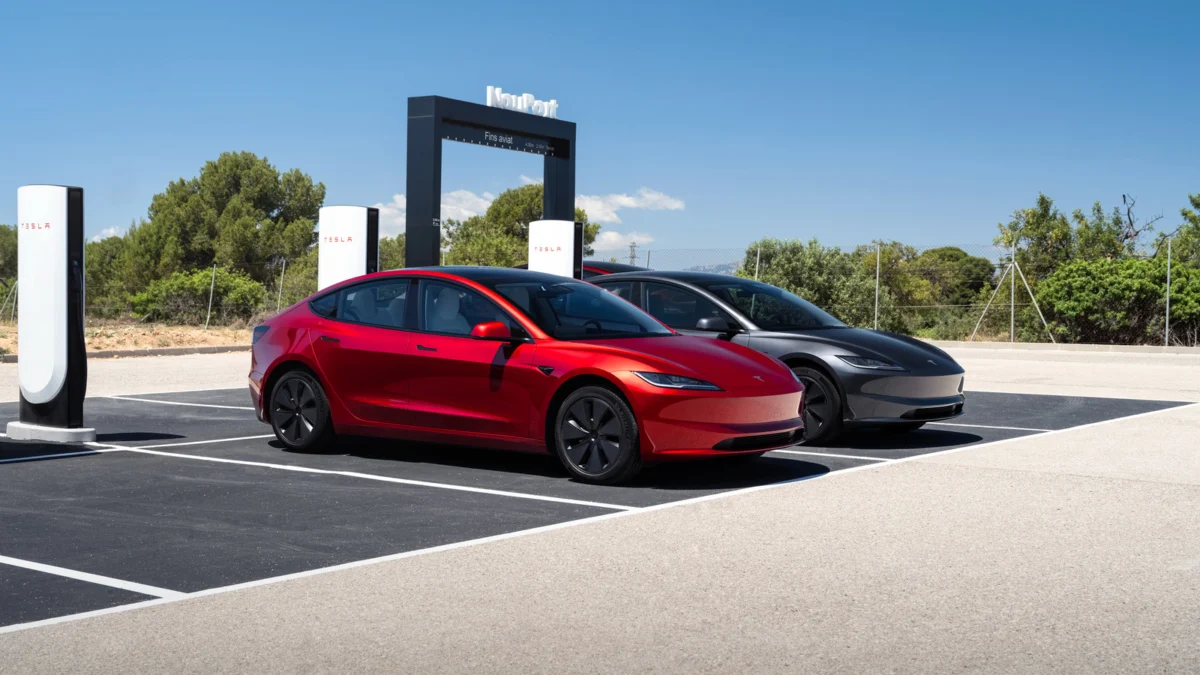
Vehicles destined for the Latvian market are expected to be sourced from Tesla’s European manufacturing hub, Gigafactory Berlin, or potentially from Gigafactory Shanghai, ensuring efficient logistics and supply chain management. The charging infrastructure in Latvia is already considered robust for the region. Reports indicate the availability of over 400 public charging points, with Tesla’s proprietary Supercharger network actively expanding. Strategically located Superchargers in key areas such as Riga, Jūrmala, and along major inter-city routes like the Via Baltica, offer charging speeds of up to 250 kW, facilitating convenient long-distance travel for EV owners. This existing infrastructure, combined with Tesla’s planned network enhancements, positions Latvia as a viable market for increased EV adoption.
Uruguay: A Strategic Entry into South America’s Green Frontier
Tesla’s arrival in Uruguay was initially heralded by a social media teaser, "Estamos llegando," translating to "We are arriving," building anticipation for an official launch event scheduled for mid-July. This announcement was swiftly followed by concrete steps, including the establishment of Tesla Uruguay SAS, the homologation of the popular Model 3 and Model Y (with three distinct versions each), and the appointment of local leadership to manage operations. This strategic move officially designates Uruguay as Tesla’s third operational market in South America, following its earlier entries into Chile and Colombia.
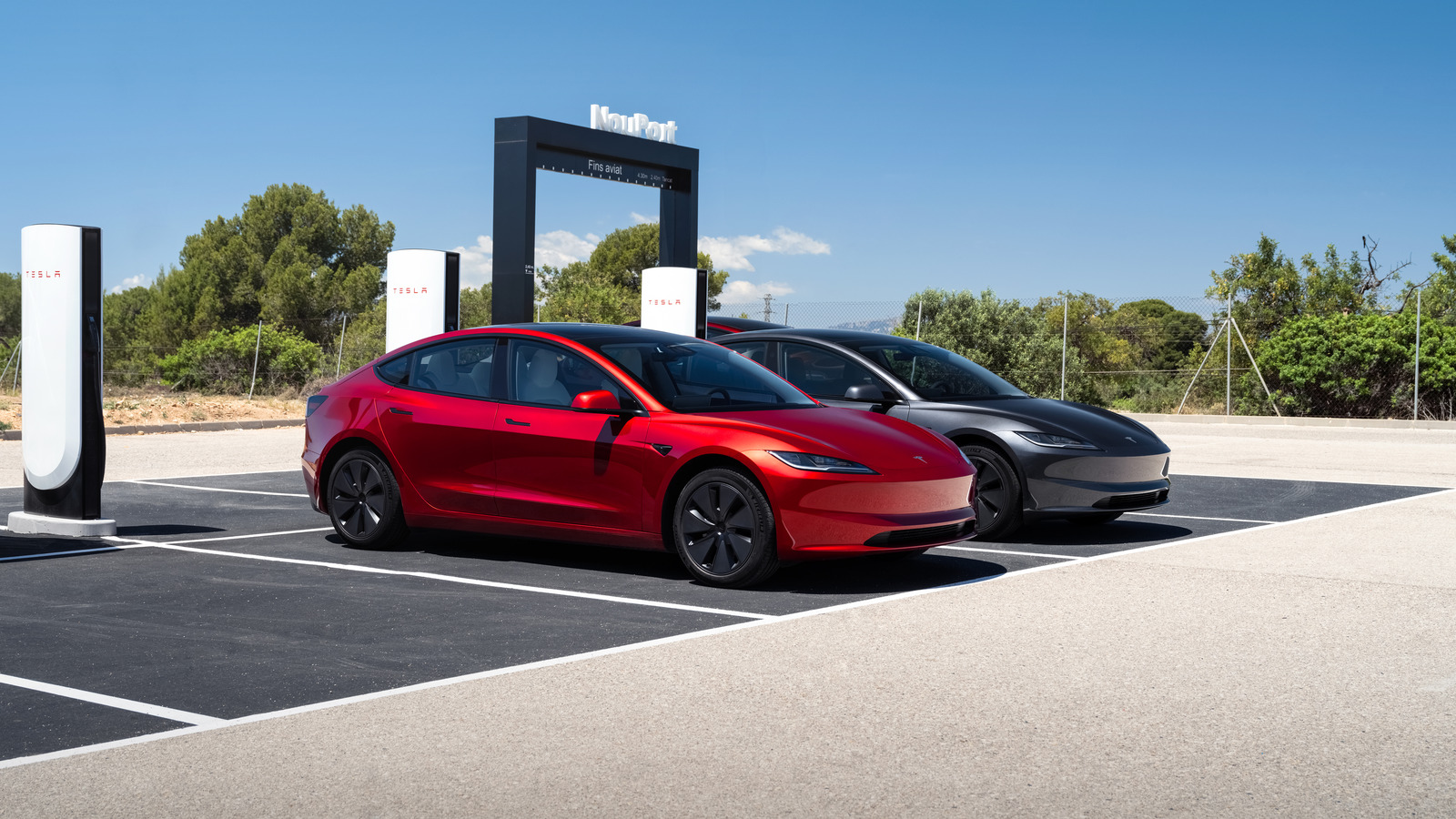
Uruguay stands out as a leader in EV adoption within Latin America, boasting one of the highest market shares for battery-electric vehicles. Recent figures indicate that BEVs now exceed 20 percent of the total market share. This remarkable penetration is attributed to a confluence of favorable factors, including significant tax incentives for electric vehicles, persistently high fossil fuel prices, and a national electricity grid that is overwhelmingly powered by renewable sources, operating at nearly 95-100 percent renewable energy. While a substantial number of Teslas have already found their way into Uruguay through grey market imports, the official launch promises to provide consumers with the crucial benefits of manufacturer-backed warranties, dedicated after-sales service, and comprehensive support.
The vehicles for the Uruguayan market are slated to be imported from Gigafactory Shanghai. This sourcing strategy is anticipated to enable competitive pricing for the Model 3 and Model Y, making them more accessible to a broader segment of the Uruguayan population. Furthermore, Tesla’s expansion plans include the development of its Supercharger network across the country, complementing the existing charging infrastructure. This proactive approach to charging solutions, coupled with Uruguay’s green energy advantage, will allow for cost-effective and environmentally friendly operation of Tesla vehicles, further enhancing their appeal to consumers.
Tesla’s Dual Continent Expansion: A Global Strategy in Motion
The simultaneous expansion into Latvia and Uruguay highlights Tesla’s sophisticated and efficient scaling strategy. The company appears to be prioritizing the establishment of essential service and charging infrastructure in new markets before initiating direct sales, a measured approach that aims to ensure a positive customer experience from the outset. In Europe, this expansion addresses gaps in the Baltic region, a market that has historically lagged behind Western European nations in EV adoption but is now showing significant potential. In Latin America, Tesla’s entry aims to compete effectively against the growing influence of Chinese EV manufacturers while simultaneously capitalizing on the region’s strong commitment to renewable energy.
This concerted push across two continents signifies Tesla’s overarching ambition to accelerate the global transition to electric mobility. The company’s strategy is adaptive, carefully considering the unique regional dynamics, such as government subsidies in Latvia and the potent combination of incentives and green energy infrastructure in Uruguay. By tailoring its approach to meet local market needs and leverage existing strengths, Tesla not only aims to boost sales volumes but also to advance its core mission of hastening the world’s transition to sustainable energy.
For investors and consumers alike, these strategic market entries underscore Tesla’s resilience and its ability to identify and capitalize on opportunities in diverse and sometimes overlooked regions. The successful integration of these new markets could pave the way for further expansion into other underserved territories, contributing to a more widespread adoption of electric vehicles globally. With strong fundamental drivers in both Latvia and Uruguay – including supportive policies, growing consumer interest, and robust renewable energy resources – these expansions are poised to yield significant long-term benefits as the global EV transition continues to mature. The company’s methodical and comprehensive approach to market entry suggests a commitment to building sustainable ecosystems for electric transportation, rather than simply placing vehicles on the road.
Implications and Future Outlook
The dual-continent expansion strategy employed by Tesla in Latvia and Uruguay speaks volumes about the company’s global vision and its capacity for agile execution. By simultaneously addressing needs in established European markets and rapidly growing South American economies, Tesla is demonstrating a sophisticated understanding of diverse consumer bases and regulatory landscapes. This approach allows the company to diversify its revenue streams and mitigate risks associated with over-reliance on any single market.

In Latvia, the EV market’s current penetration rate, while modest, offers substantial room for growth. The established presence of Tesla Superchargers and the increasing availability of public charging points provide a solid foundation for increased adoption. Government incentives are likely to play a crucial role in accelerating this transition, making Tesla vehicles more financially attractive to a wider demographic. The company’s decision to establish a service center is a critical step towards building consumer confidence, addressing range anxiety, and ensuring a seamless ownership experience, which is paramount for sustained market penetration.
Uruguay presents a compelling case study in how a strong commitment to renewable energy can catalyze EV adoption. With its near 100% renewable electricity grid, Uruguay offers an unparalleled environment for the cost-effective and environmentally conscious operation of electric vehicles. Tesla’s strategic decision to import vehicles from Gigafactory Shanghai not only ensures competitive pricing but also leverages an efficient and established supply chain. The development of the Supercharger network in tandem with existing infrastructure will be key to unlocking the full potential of EVs in the country, transforming them from niche products to mainstream transportation solutions.
The broader implication of these expansions is Tesla’s continued role as a global catalyst for the EV revolution. The company is not merely selling cars; it is actively building the necessary ecosystem for sustainable mobility to thrive. By establishing a physical presence, creating jobs, and investing in charging infrastructure, Tesla is contributing to the economic and environmental development of these regions.
For investors, these moves signal Tesla’s unwavering pursuit of global market share and its ability to adapt its strategies to different economic and political contexts. The successful integration of new markets can lead to increased production volumes, economies of scale, and ultimately, enhanced profitability. The company’s proactive approach in establishing service and charging networks ahead of mass adoption demonstrates a long-term perspective, aiming to build lasting customer loyalty and brand advocacy.
As the global automotive industry continues its seismic shift towards electrification, Tesla’s strategic market entries in Latvia and Uruguay serve as a testament to its forward-thinking business model. These developments are not just about expanding Tesla’s reach; they are about accelerating the global transition to a cleaner, more sustainable transportation future, one market at a time. The lessons learned and the infrastructure developed in these new territories will undoubtedly inform and shape Tesla’s approach to future market expansions, solidifying its position as a leader in the ongoing EV revolution.