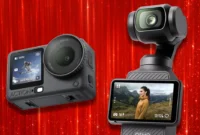
The Federal Communications Commission (FCC) has initiated a significant regulatory action, moving to ban the importation and sale of products from several companies suspected of re-branding technology from Chinese drone giant DJI. This aggressive move, which includes the retroactive banning of previously approved devices, underscores the FCC’s escalating concerns over national security and intellectual property within the technology sector. The decision marks a novel application of the FCC’s authority to retroactively revoke equipment authorization, signaling a new era of enforcement.
Escalating Enforcement and Retroactive Bans
The FCC’s latest action follows a series of enforcement measures aimed at companies that have allegedly circumvented U.S. regulations. Just a week prior to this announcement, the FCC levied $25,000 fines against eight companies for their failure to cooperate with agency inquiries. This pattern of heightened scrutiny suggests a determined effort by the FCC to assert greater control over the electronic devices entering the U.S. market, particularly those with potential ties to foreign governments or intellectual property disputes.
The decision to grant itself the power to retroactively ban gadgets was reportedly voted upon in October, and this current action represents its first deployment. This retroactive power allows the FCC to revisit and revoke approvals for devices that have already passed through its certification process. This is a critical development, as it means companies can no longer rely on past approvals as a shield against future regulatory challenges, especially if new evidence or concerns emerge.
Companies Targeted and Allegations of Deception
The companies now facing potential bans are Cogito, Fikaxo, Lyno Dynamics, Skyhigh Tech, Spatial Hover, SZ Knowact, WaveGo, Xtra, and XAG. The FCC has publicly stated that these brands "pose an unacceptable risk" to U.S. national security. While the specific nature of these risks is not always explicitly detailed in public FCC pronouncements, such concerns typically revolve around potential data security vulnerabilities, the possibility of unauthorized surveillance, or the circumvention of trade restrictions and intellectual property rights.
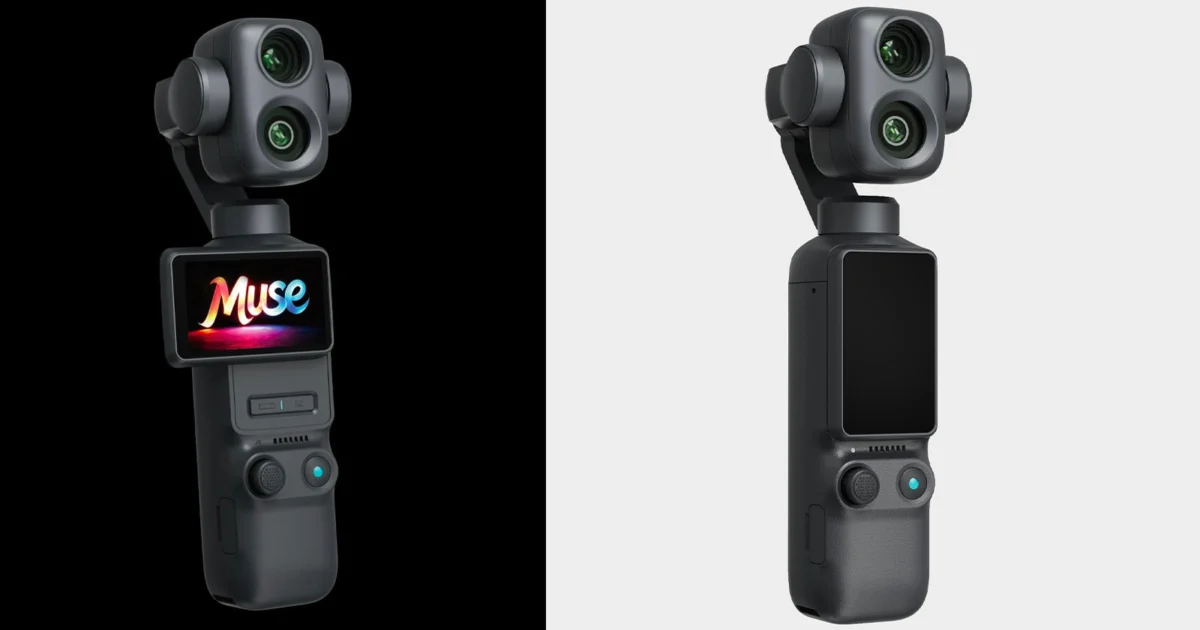
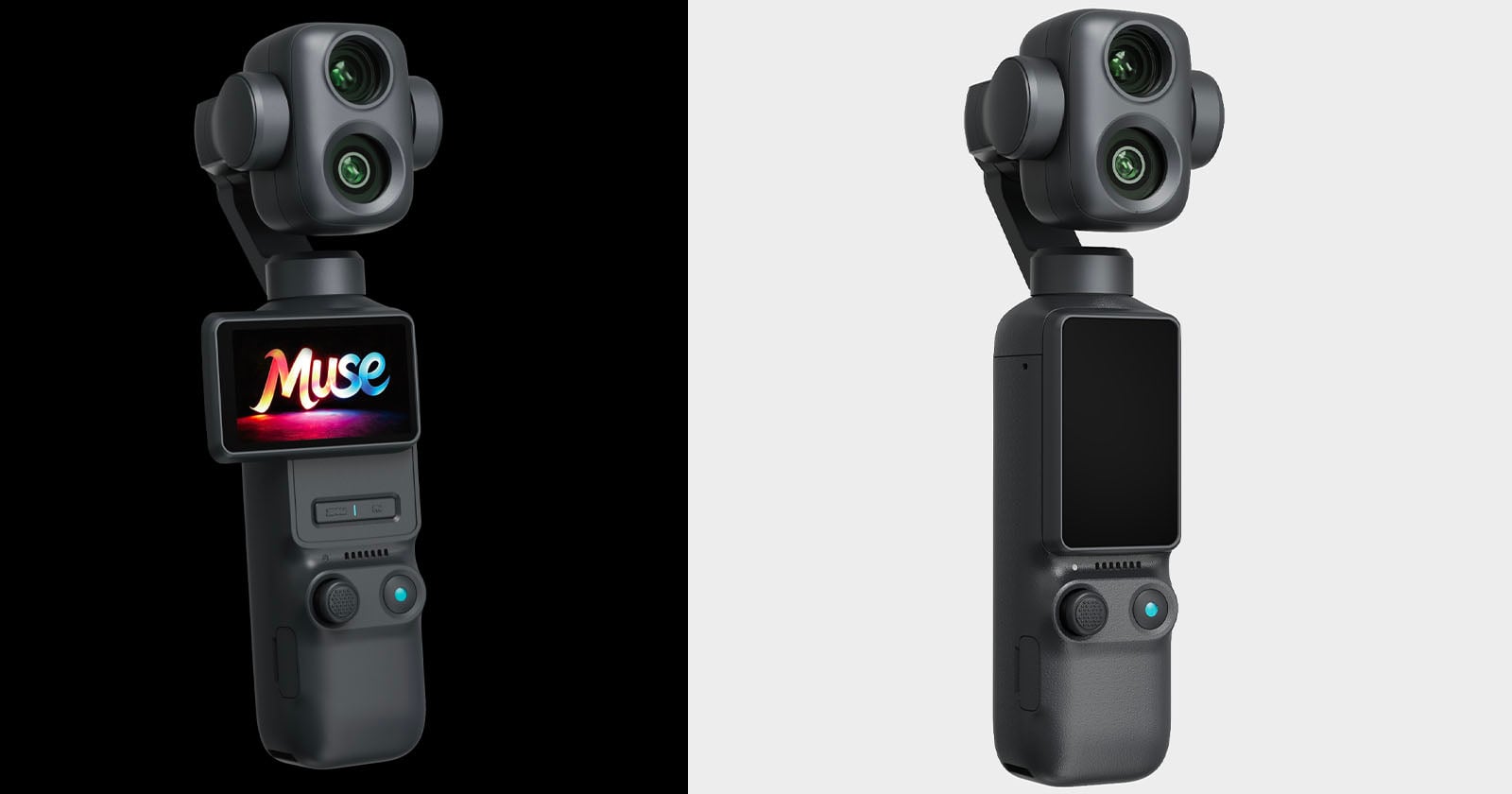
A prominent case highlighted by PetaPixel involves the Xtra Muse 2 handheld gimbal camera. This device has been observed to be virtually identical to the DJI Osmo Pocket 4. The DJI Osmo Pocket 4, it is worth noting, has not been available for purchase in the U.S. market. This discrepancy raises questions about how such devices are entering the U.S. and whether they are designed to bypass DJI’s own market restrictions or potential import limitations. Furthermore, the Xtra Muse 2 was reportedly priced significantly lower – $700 less – than its closest competitor, the Insta360 Luna Ultra. DJI has been embroiled in a legal battle with Insta360, alleging patent infringement related to its Osmo Pocket technology, adding another layer of complexity to the market landscape and the FCC’s concerns.
Implications for Consumers and Inventory
For consumers who have already purchased devices from these implicated brands, such as the Xtra Muse 2, the FCC ban will not directly affect their existing ownership. However, the broader implications are significant for the supply chain and inventory management. Devices currently held in U.S. warehouses, including the Xtra Muse 2 which was available for next-day delivery on platforms like Amazon, may be rendered unsellable and potentially subject to write-offs by retailers and distributors. This could lead to financial losses for companies involved in the distribution and sale of these products.
The Public Comment Period and Historical Precedents
The FCC’s decision is not immediately final. The agency has opened a 30-day public comment period, allowing interested parties to submit their feedback and arguments regarding the proposed bans. Comments can be submitted through the FCC’s official website. However, as reported by The Verge, the FCC has a history of not always prioritizing public sentiment in its decision-making processes. Furthermore, the FCC has often been criticized for a lack of transparency regarding the specific evidence that substantiates claims of national security threats posed by foreign-made drones. This historical context suggests that while the comment period is a procedural step, the FCC’s final decision may be predetermined by its national security assessments.
DJI’s Regulatory Landscape and Audit Issues
The current FCC actions against alleged DJI re-branders occur against a backdrop of ongoing scrutiny of DJI itself. In late 2024, DJI was placed on a list requiring an audit of its products and security protocols as a condition for its continued legal operation in the U.S. Despite repeated appeals from DJI throughout 2025, requesting that relevant U.S. agencies initiate this mandated security audit, it has reportedly not yet commenced. This prolonged delay in the audit process, coupled with the FCC’s actions against companies suspected of using DJI technology, paints a picture of a complex and potentially contentious relationship between DJI and U.S. regulators.
Withdrawal of Test Lab Recognition
Adding another dimension to this regulatory tightening, the FCC has also announced the "withdrawal of recognition of SGS-CSTC Shenzhen." This entity is a Chinese testing laboratory that the FCC had previously utilized for certifying certain products for the U.S. market. The FCC’s decision stems from the fact that SGS-CSTC Shenzhen has a 15 percent ownership stake by the Chinese state. Under U.S. law, any foreign state ownership exceeding 10 percent is considered a controlling stake, raising concerns about potential foreign government influence over the certification process. The withdrawal of recognition for this lab means that products tested and certified by SGS-CSTC Shenzhen may no longer be deemed compliant with U.S. standards, further complicating the market entry for a range of electronics.
Broader Implications for the Consumer Electronics Market
The FCC’s aggressive stance and its willingness to employ retroactive bans have significant implications for the broader consumer electronics market, particularly for companies that rely on overseas manufacturing and supply chains. The emphasis on national security and intellectual property protection could lead to increased compliance burdens, more rigorous vetting processes for imported goods, and potentially higher costs for consumers if alternative, U.S.-based manufacturing or less scrutinized supply chains become the norm.
The action also highlights the evolving geopolitical landscape and its impact on global trade. As governments worldwide grapple with concerns over data privacy, intellectual property theft, and national security in an increasingly interconnected digital world, regulatory bodies like the FCC are likely to become more assertive in their oversight of technology imports.
The Role of Intellectual Property and Competition
The specific case of the Xtra Muse 2 and its similarity to the DJI Osmo Pocket 4 brings the issue of intellectual property rights to the forefront. If these companies are indeed re-branding DJI’s patented technology, it represents a violation of intellectual property laws, which the FCC’s actions indirectly address by targeting the end products. The FCC’s move could be seen as an effort to protect both national security and fair competition by preventing companies from illicitly profiting from the innovations of others, particularly when those innovations are tied to entities with potential national security concerns.
The competitive landscape is also a factor. By offering devices that are visually and functionally similar to established products but at a significantly lower price point, these companies can disrupt the market. The FCC’s intervention, in this context, could be interpreted as an attempt to level the playing field and prevent the proliferation of products that may not adhere to the same rigorous standards of security and intellectual property respect as those from more established, transparent manufacturers.
Looking Ahead: A More Stringent Regulatory Environment
The FCC’s actions against these suspected DJI re-branders are indicative of a broader trend towards more stringent regulation of technology imports. As concerns about foreign influence, data security, and intellectual property infringement continue to grow, regulatory bodies in the U.S. and other nations are likely to adopt more proactive and assertive enforcement measures. Companies operating in the global consumer electronics market should anticipate increased scrutiny, a greater emphasis on compliance, and potentially a more complex regulatory environment moving forward. The FCC’s willingness to wield its authority, including the novel application of retroactive bans, sends a clear message to the industry: compliance with national security and regulatory standards is paramount.