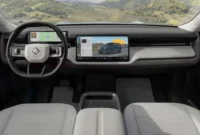









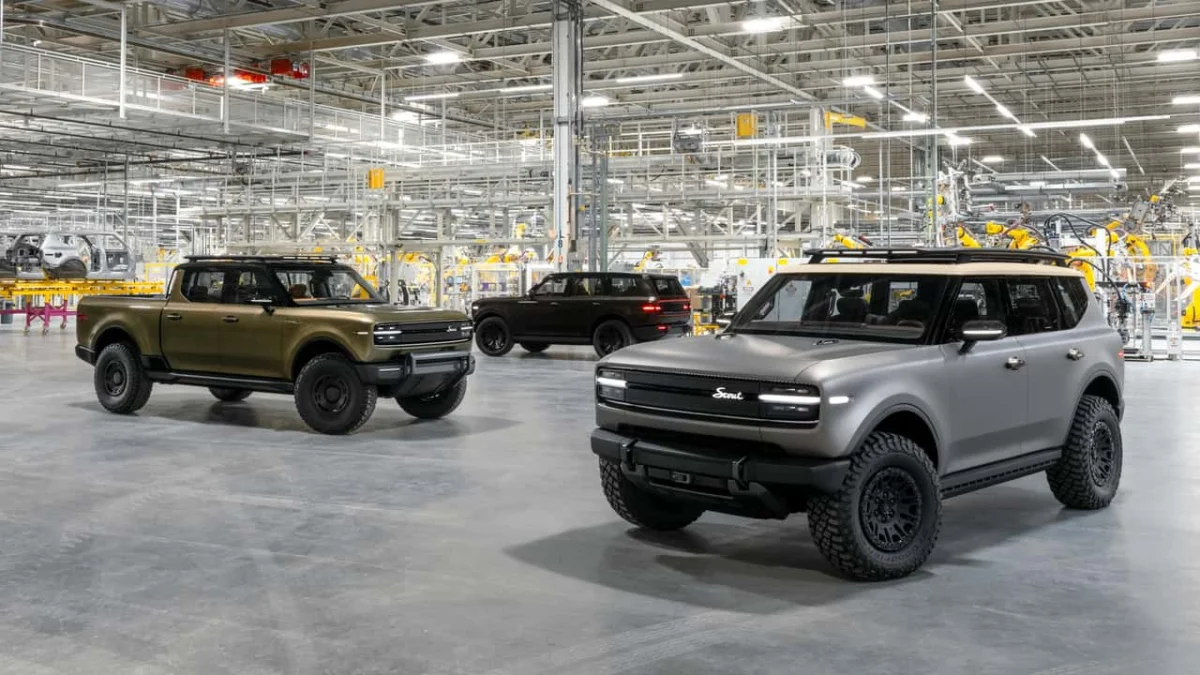
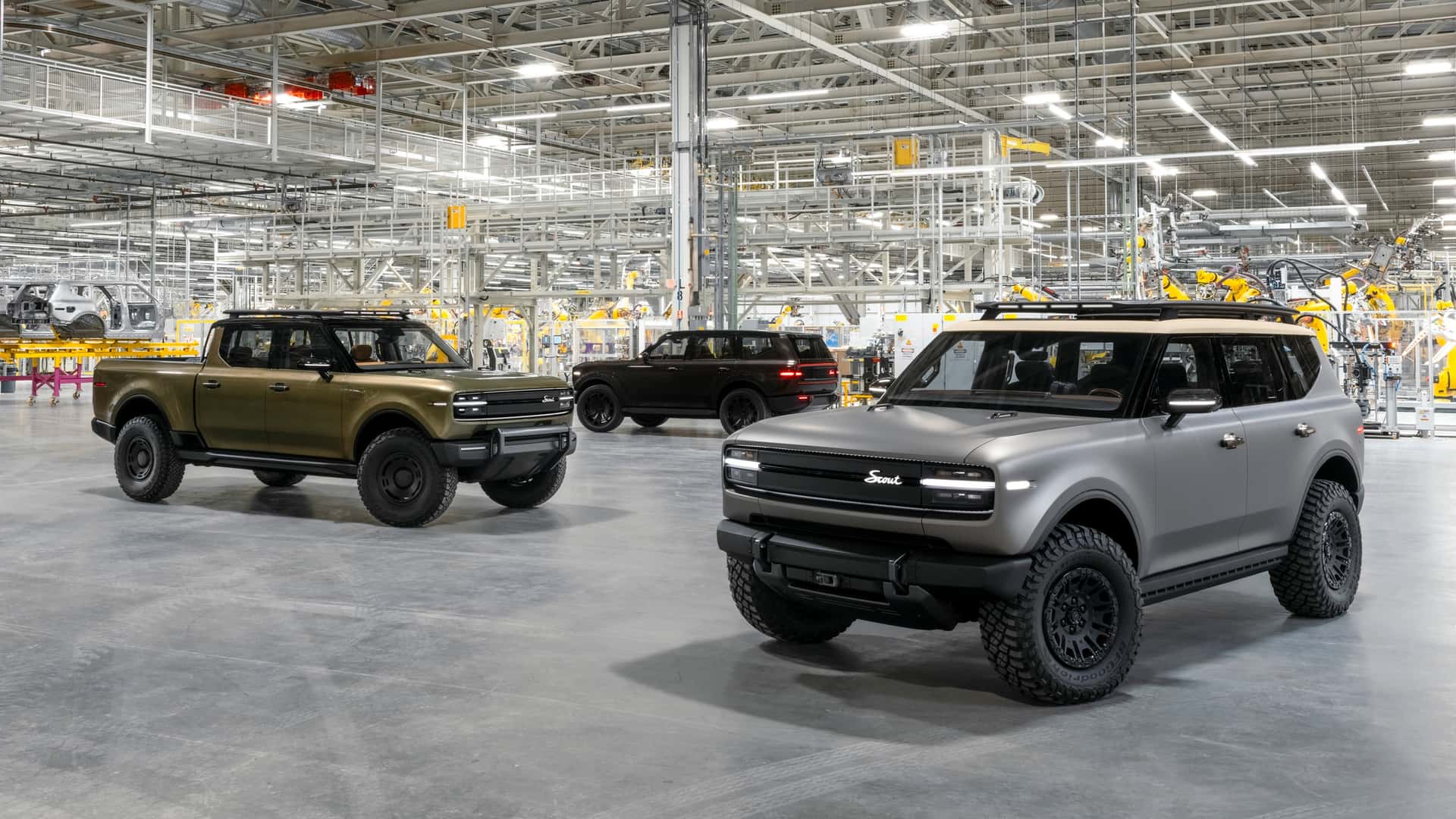
The automotive industry is witnessing a significant industrial milestone as Scout Motors, the resurrected brand under the Volkswagen Group umbrella, has officially begun the preliminary production phase at its sprawling 1,600-acre manufacturing site in Blythewood, South Carolina. The company recently achieved a critical operational milestone by successfully rolling out its first validation prototypes, signaling a major leap forward in its objective to reach full-scale manufacturing by 2027. This development marks the transition of the iconic nameplate from a visionary concept to a tangible industrial entity, with the first customer-ready units of the Traveler SUV and Terra truck currently slated for a 2028 market arrival.
The Evolution of the Scout Brand and Strategic Origins
The revitalization of the Scout brand represents one of the most ambitious automotive ventures in recent years. Originally a storied name in American off-road history—popularized by International Harvester between 1961 and 1980—the brand was acquired by Volkswagen Group following its purchase of Navistar International. In 2022, Volkswagen announced the creation of Scout Motors as an independent, U.S.-based company dedicated to developing all-electric trucks and rugged SUVs designed specifically for the North American market.
The selection of the Blythewood, South Carolina site was a calculated strategic maneuver. The location offers proximity to a skilled labor market, efficient logistics networks, and a business-friendly environment that has increasingly become a hub for electric vehicle (EV) manufacturing in the United States. With a projected investment of approximately $2 billion, the plant is designed to be a centerpiece of modern automotive production, emphasizing agility, sustainability, and high-tech manufacturing processes.
Facility Development and Operational Timeline
The Blythewood facility is currently reaching a state of high maturity, with management reporting that the site is approximately 90 percent complete. The progression from an empty plot of land to a functional assembly plant in such a short timeframe reflects the aggressive pace set by the leadership team, led by CEO Scott Keogh.
The timeline for the coming years is structured around rigorous testing phases. Having completed the initial validation prototypes, the engineering teams are now focused on refining the production line and perfecting the assembly processes. The goal is a systematic ramp-up:
- 2024–2025: Validation and pilot testing of prototypes.
- 2026: Finalization of plant infrastructure and pre-production trials.
- 2027: Official commencement of full-scale production.
- 2028: Delivery of the first commercial vehicles to reservation holders.
Industrial Capacity and Manufacturing Efficiency
A central point of discussion regarding the new plant is its theoretical output capacity. At full operational capacity, Scout Motors estimates the facility could produce up to 200,000 vehicles annually. To achieve this, the factory is engineered for high-frequency output, with the ability to produce a single vehicle every 88 seconds. On an hourly basis, the plant is designed to roll out 40 units, a figure that places it in direct competition with some of the most efficient automotive plants in the Southeast.
To provide context for this scale, one must look at the surrounding regional manufacturing landscape. Volvo’s South Carolina plant has an established annual capacity of approximately 150,000 units. Meanwhile, BMW’s Spartanburg facility—the largest of its kind in the United States—produces upwards of 450,000 vehicles per year. By targeting an initial output of 100,000 units during the early years, Scout is demonstrating a prudent approach to market entry, ensuring that quality control and supply chain stability are prioritized before pushing the plant toward its 200,000-unit ceiling.
Market Demand and Reservation Data
The anticipation surrounding the Traveler SUV and the Terra truck has been quantified by a significant number of early reservations. Scout Motors has confirmed that there are currently 212,000 reservations in the pipeline. Analytical data gathered from these reservation holders reveals a highly specific demographic: many of these potential buyers are migrating from established, rugged-terrain incumbents, including Jeep, Ford, and Rivian.
This transition suggests that Scout is successfully positioning itself as a viable alternative for off-road enthusiasts who are looking for a blend of traditional utility and modern electrification. Notably, the preference among these users leans heavily toward versatility: 87 percent of reservation holders have expressed interest in the Extended Range Electric Vehicle (EREV) variants, which utilize a combustion engine as a generator to extend the range of the electric powertrain. Furthermore, 75 percent of the demand is currently directed toward the Traveler SUV, confirming the enduring market appetite for rugged, family-oriented utility vehicles.
Implications for the EV Landscape
The entry of Scout Motors into the market comes at a pivotal time for the electric vehicle industry. While many manufacturers are currently recalibrating their EV transition strategies in response to shifting consumer demand and charging infrastructure concerns, Scout’s reliance on the EREV powertrain is a notable hedge against range anxiety. By providing an option that combines the benefits of electric propulsion with the convenience of gasoline refueling, the company is targeting a broader segment of the market that may be hesitant to commit to a purely battery-electric vehicle (BEV).
Moreover, the dual-model production strategy—where both the Terra and the Traveler are built on the same line—is an exercise in manufacturing efficiency. By sharing a common platform and assembly process, Scout reduces complexity and capital expenditure, allowing for better economies of scale. This commonality is essential for maintaining the profit margins necessary to sustain a new, independent automotive company in a high-cost environment.
Official Stance and Future Outlook
CEO Scott Keogh has maintained that the company’s primary focus is not merely on production volume, but on the successful conversion of reservations into firm orders. While 212,000 reservations represent significant interest, the transition from an interest-based reservation to a legally binding purchase agreement is the hurdle that will define the company’s commercial viability through 2027 and 2028.
The company is also investing heavily in local training centers, ensuring that the workforce in Blythewood is equipped with the specialized skills required for advanced robotics and high-voltage battery assembly. This commitment to the local economy serves a dual purpose: it builds long-term goodwill with the state of South Carolina and ensures a stable, highly capable workforce ready to meet the challenges of 21st-century automotive manufacturing.
Conclusion
The commencement of prototype production at the Blythewood plant is more than just a logistical update; it is a declaration that the Scout brand is firmly on track to challenge the status quo. By leveraging the financial backing of Volkswagen while operating with the agility of a startup, Scout Motors is attempting to thread a very narrow needle in the current automotive climate.
As the calendar turns toward 2027, the industry will be watching closely to see if the company can maintain its current velocity. If Scout can successfully scale its production while maintaining the rugged, adventurous identity that made its predecessor a legend, it may well define the next decade of American utility vehicle design. With the factory at 90 percent completion and the first validation vehicles already on the road, the momentum behind the new Scout era appears both substantial and enduring. The coming three years will be defined by the rigorous refinement of these systems, as the company prepares to shift from the prototype phase to the reality of the showroom floor.