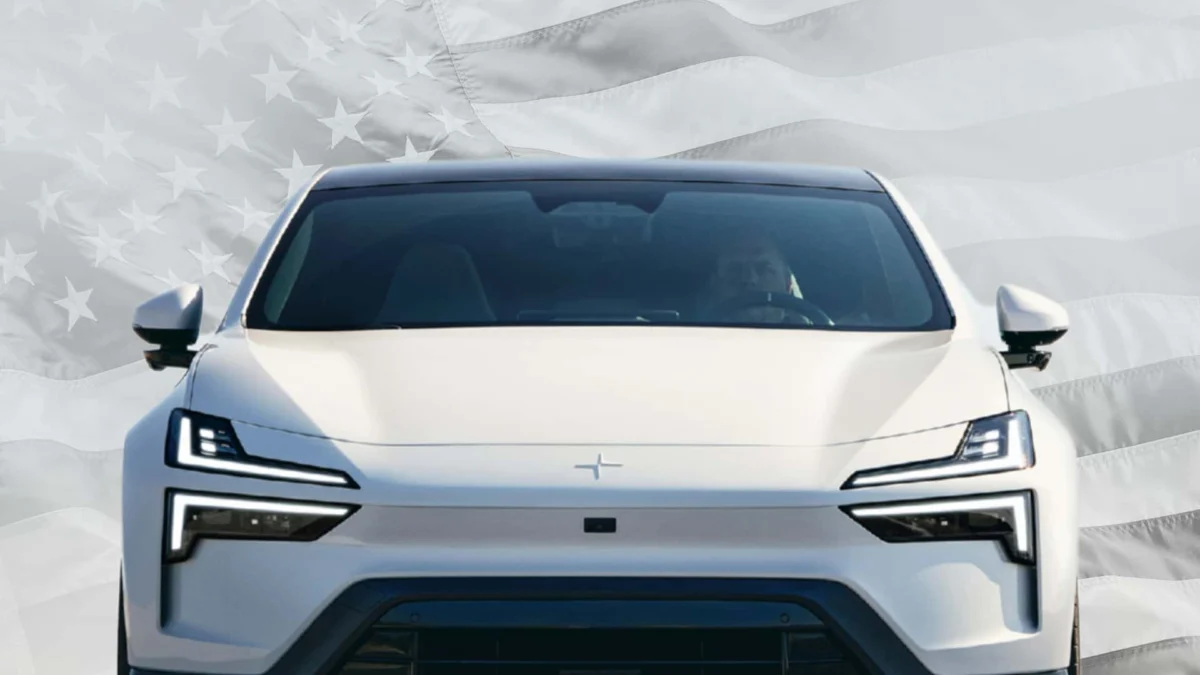
Polestar, the electric vehicle manufacturer with Swedish roots and Chinese backing, has officially decided to cease operations in the United States. This significant decision, confirmed by a report from The Wall Street Journal, signals the end of the brand’s presence in one of the world’s largest automotive markets. The company will not contest the U.S. government’s directive to block future sales of its vehicles, opting instead to redirect its strategic focus and investments.
"We will instead focus our investments on markets where we have a strong brand position and ability to achieve profitable growth, with a strong weighting towards Europe," a Polestar spokesperson, Michael Ofiara, stated in comments to the WSJ. Ofiara further indicated that Polestar had engaged in extensive discussions with U.S. officials and concluded that an appeal against the decision was unlikely to be successful. This move leaves Polestar dealers in the U.S. in a precarious situation, facing uncertainty about their future business operations and inventory.
The Regulatory Genesis of Polestar’s US Exit
The U.S. Commerce Department’s ruling that effectively banned Polestar from the American market is rooted in new regulations concerning connected-vehicle security. These regulations, slated to take full effect for the 2027 model year, prohibit the use of Chinese software in internet-connected vehicles. The rationale behind these stringent measures, as articulated by U.S. officials, centers on national security concerns. The argument posits that interconnected technologies within vehicles, such as cameras and GPS systems, could be vulnerable to exploitation by foreign adversaries, potentially compromising sensitive user data and critical infrastructure.
Polestar, which is majority-owned by China’s Zhejiang Geely Holding Group, found itself unable to secure a special authorization that would have permitted it to continue selling its vehicles despite these new restrictions. This stands in contrast to Volvo Cars, another Geely-owned entity, which successfully obtained such approval earlier this year. Volvo’s clearance reportedly came after demonstrating a robust framework for managing vehicle data and ensuring cybersecurity protocols. The Commerce Department, however, has refrained from elaborating on the specific reasons for the divergent outcomes for Polestar and Volvo, adding a layer of opacity to the regulatory process.
A Complex Supply Chain and Shifting Production Landscape
Adding a layer of irony to the situation, Polestar’s vehicles are not uniformly manufactured in China. The Polestar 2, for instance, was already withdrawn from the U.S. market due to existing tariffs on Chinese-imported electric vehicles. More recently, the Polestar 3 is assembled in South Carolina, sharing production lines with the Volvo EX90, a model that remains available for sale in the U.S. The Polestar 4, the brand’s latest offering, is produced in South Korea. Despite this diversification in manufacturing locations, the overarching ownership structure and the origin of critical software components appear to have been the decisive factors in the U.S. government’s decision.
This regulatory landscape presents a complex challenge for automakers with international ownership and intricate global supply chains. The distinction made by the Commerce Department between Polestar and Volvo, despite their shared parent company and even overlapping production facilities, raises significant questions about the application and interpretation of these new security mandates.
Market Impact and Implications for Consumers and Dealers
Polestar’s abrupt departure from the U.S. market is expected to have considerable repercussions, not only for the company and its dealers but also for existing Polestar owners. The resale value of Polestar vehicles in the U.S. is likely to experience a substantial decline. This depreciation is exacerbated by the current efforts of Polestar to clear its remaining inventory, with reports indicating significant discounts, some reportedly as steep as $25,000, being offered on vehicles. This aggressive discounting strategy, while potentially attractive to bargain hunters, further pressures the residual values of the brand’s models.
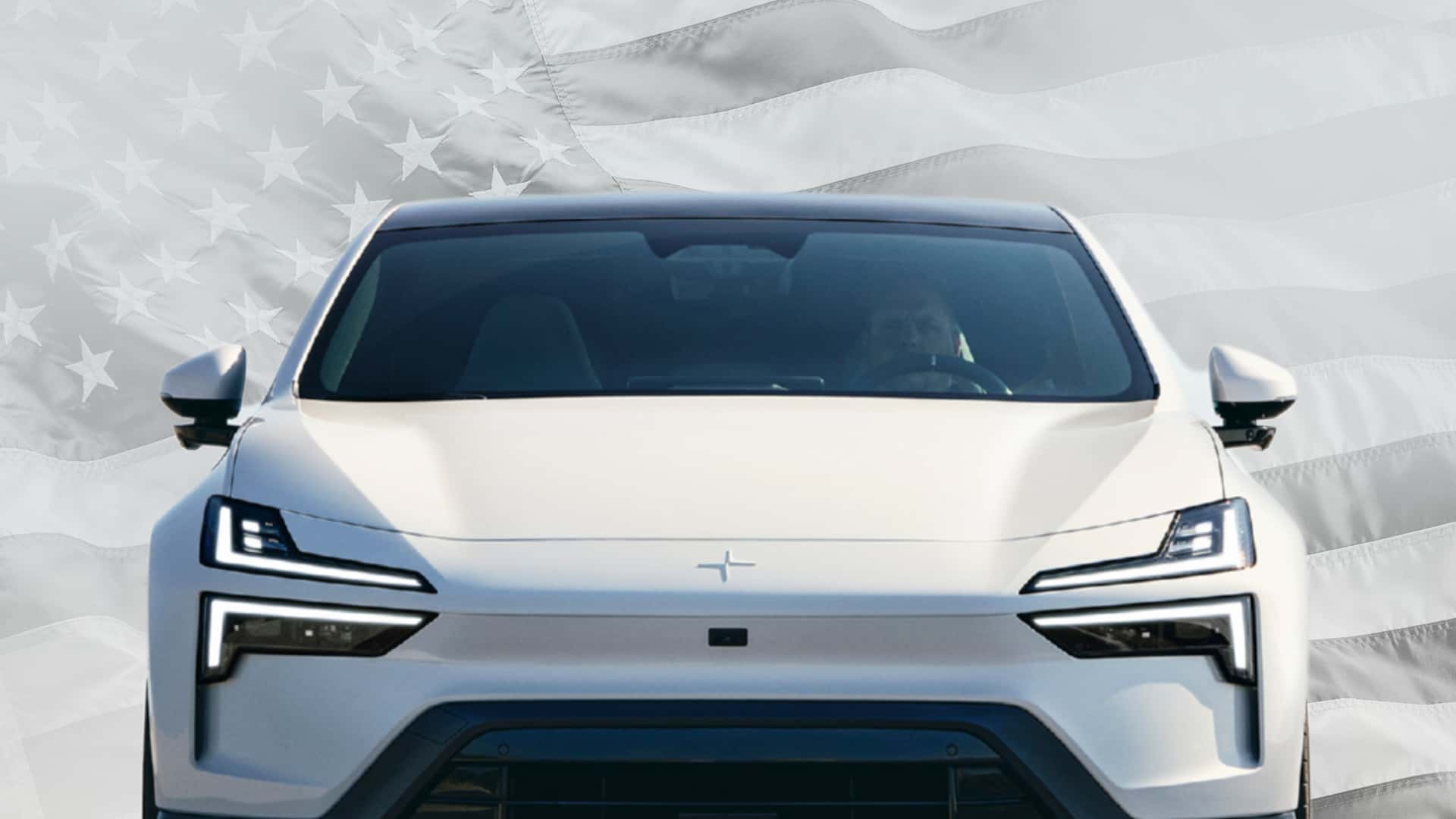
For Polestar’s U.S. dealers, the situation is dire. Many have invested in specialized showrooms, charging infrastructure, and trained personnel in anticipation of the brand’s growth. The sudden cessation of sales leaves these businesses with uncertain futures, potentially facing significant financial losses and the need to pivot to other automotive brands or business models. The lack of a clear path forward for these dealerships underscores the abruptness of Polestar’s exit and the lack of a transitional plan for its American retail partners.
Broader Geopolitical and Industry Context
The Polestar ban is emblematic of a broader trend of increasing scrutiny and potential restrictions on Chinese-backed technology and manufacturing within Western markets. The U.S. government’s focus on connected-vehicle security reflects a growing concern about data privacy, intellectual property, and potential state-sponsored espionage. This regulatory environment poses a significant challenge for global automotive manufacturers that rely on international collaboration and diversified production.
The implications extend beyond Polestar. Other automakers with substantial ties to China may face similar scrutiny as the U.S. continues to refine and enforce its new security protocols. The situation highlights the delicate balance between fostering innovation in the rapidly evolving EV sector and safeguarding national security interests. The differing treatment of Polestar and Volvo, despite their shared ownership and operational synergies, suggests that the U.S. government is applying a nuanced, and perhaps at times opaque, approach to these complex issues. The lack of transparency regarding the specific criteria that led to these divergent decisions is a point of concern for industry observers and could lead to further uncertainty for other international automakers operating in the U.S. market.
Polestar’s Strategic Pivot: A Focus on Europe and Profitable Growth
With its U.S. market exit finalized, Polestar is signaling a deliberate strategic redirection. The company’s stated intention is to concentrate its resources and investments on regions where it has established a stronger brand presence and a clearer path to achieving profitable growth. Europe, with its robust EV adoption rates and a receptive consumer base for premium electric vehicles, is identified as a primary focus. This strategic realignment suggests a pragmatic approach to business development, prioritizing markets with higher probabilities of success and sustainable profitability.
The company’s previous ambitions in the U.S. market were significant, with plans to launch models like the Polestar 3 and 4, which were intended to compete in key segments of the American automotive landscape. The withdrawal means that these models, and future Polestar innovations, will not be available to American consumers. This represents a missed opportunity for the U.S. market to experience Polestar’s distinctive design language and performance-oriented electric vehicles, and for Polestar to tap into the substantial U.S. consumer base.
Looking Ahead: The Future of Polestar and Connected Vehicle Regulations
Polestar’s departure from the U.S. is a stark reminder of the intricate interplay between geopolitical considerations, technological advancements, and global business strategies in the automotive industry. The company’s future trajectory will largely depend on its ability to successfully execute its pivot towards European markets and to navigate the evolving landscape of international trade and regulatory policies.
For the broader automotive sector, the Polestar case serves as a critical case study. It underscores the importance of meticulous compliance with national security regulations, particularly concerning data privacy and software integrity. The incident also highlights the potential challenges faced by international automotive conglomerates in navigating divergent regulatory frameworks across different global markets. As the world continues its transition to electric mobility, the intersection of advanced automotive technology and national security will undoubtedly remain a focal point for governments worldwide, shaping the future of vehicle development, manufacturing, and market access for years to come. The coming months will reveal the full extent of Polestar’s strategic restructuring and its long-term implications for the global electric vehicle market.