This specification represents a substantial architectural jump from the previous generation. Both the Apple Watch Series 11 and the Apple Watch Ultra 3, released in the prior cycle, were limited to 2GB of memory. By doubling the available RAM, Apple has addressed one of the primary constraints that has historically limited the performance of the Apple Watch, particularly when handling resource-intensive background processes and complex machine-learning tasks.
A Chronology of Apple Watch Performance Evolution
To understand the magnitude of this upgrade, it is necessary to examine the trajectory of Apple’s wearable hardware. Since the inception of the Apple Watch, the device has undergone a steady, albeit cautious, progression in terms of internal memory. For several years, Apple maintained a 1GB RAM configuration, which was sufficient for basic notifications, health tracking, and simple app interactions.
The transition to 2GB of RAM in more recent iterations marked a turning point, allowing for more robust third-party applications and the introduction of advanced health-monitoring sensors, such as blood oxygen and temperature sensing. However, as watchOS became increasingly sophisticated—incorporating more complex graphical interfaces and, eventually, rudimentary on-device AI—the 2GB ceiling began to affect system responsiveness.
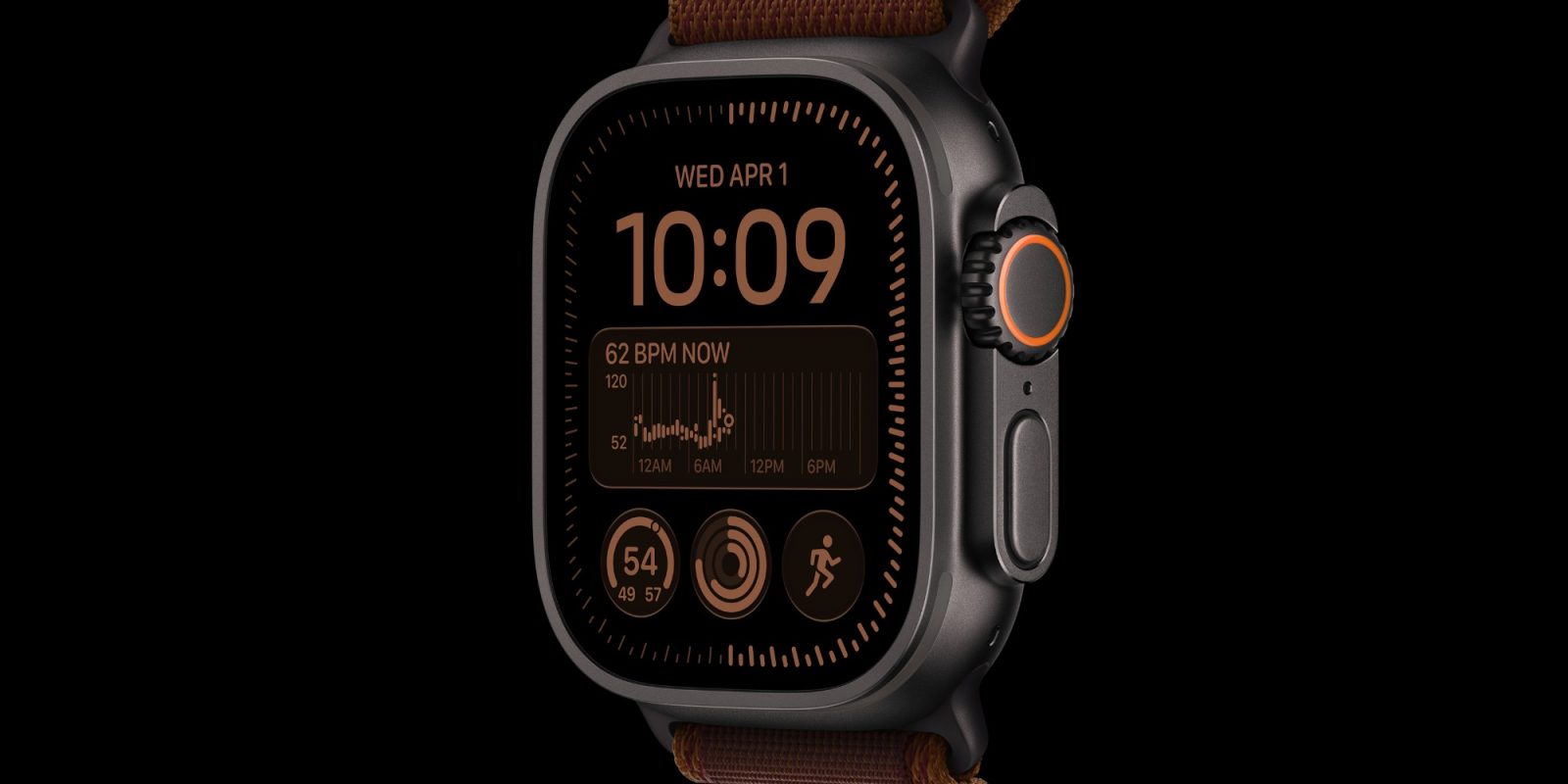
The arrival of the S11 chip in 2026 was marketed as the first major leap in processing power in years. In the context of the semiconductor industry, processors rely heavily on fast-access memory to execute instructions efficiently. By pairing the S11 chip with 4GB of RAM, Apple is providing the silicon with the necessary "workspace" to manage the heavier computational loads required by the watchOS 27 ecosystem.
Technical Implications of the Memory Expansion
The move to 4GB of RAM is not merely a quantitative increase; it is a qualitative shift in how the Apple Watch functions. Modern mobile operating systems, including watchOS, utilize a technique known as aggressive memory management to keep the interface snappy. When RAM is limited, the operating system must frequently "kill" background tasks or clear cache data to make room for active applications. This results in the "reloading" behavior often observed when users switch between apps or return to the watch face after using a power-intensive utility.
With 4GB of RAM, the operating system can retain more application states in memory simultaneously. This suggests that users will experience significantly faster app launch times and a smoother, more fluid navigation experience. Furthermore, this hardware headroom is essential for the future-proofing of the device. As Apple continues to lean into AI-driven features—such as predictive health analysis, real-time voice processing, and advanced natural language understanding—the requirement for memory will only increase.
Industry analysts suggest that this silent upgrade was a calculated strategic decision. By integrating higher-capacity memory without explicitly advertising it, Apple maintains its focus on "user experience" over "spec-sheet marketing." However, for developers and power users, the 4GB capacity is a critical detail that validates the longevity of these new models. Developers creating complex applications for the watchOS 27 platform can now utilize more aggressive rendering techniques and data-processing pipelines, knowing that the underlying hardware can accommodate the overhead.

The Broader Impact on the Wearable Market
The timing of this upgrade is particularly significant given the current competitive landscape in the wearable technology sector. Competitors, particularly those utilizing Android-based platforms, have often touted higher raw specifications as a primary selling point. By boosting the RAM to 4GB, Apple has effectively neutralized one of the arguments used by critics regarding the "stagnant" hardware of the Apple Watch.
Furthermore, this hardware bump suggests that Apple is positioning the Watch not just as an accessory to the iPhone, but as a standalone computing platform. As the device takes on more independent roles—such as offline navigation, local AI-driven health diagnostics, and complex biometric authentication—the device requires the architectural resources of a modern smartphone.
The Role of watchOS 27
The integration of advanced AI features within watchOS 27 serves as the primary catalyst for this hardware transition. Artificial intelligence, particularly the kind that runs locally on the device to preserve privacy, is inherently memory-intensive. These features require large datasets to be loaded into the active memory to allow the S11 chip to perform real-time inference. Without the doubling of RAM, the sophisticated AI functionalities being touted in the new software update would likely have resulted in degraded performance or reduced battery life due to constant data swapping between storage and memory.
This synergy between hardware and software highlights Apple’s vertical integration strategy. By designing both the S11 chip and the watchOS ecosystem, the company can precisely calibrate the hardware requirements to meet the software’s needs. The decision to keep the RAM specification out of the primary marketing materials reflects a desire to keep the consumer focus on the benefits—intelligence, speed, and seamlessness—rather than the technical components under the hood.

Analysis of Future-Proofing
Consumers who choose to purchase the Apple Watch Series 12 or the Ultra 4 are likely to find that these devices have a longer effective lifespan than their predecessors. Hardware that is "over-specced" for its current operating system is better equipped to handle future software updates. Over the next three to four years, as Apple releases subsequent iterations of watchOS, the extra 2GB of RAM will provide the necessary buffer to maintain performance levels that would otherwise diminish over time.
In contrast, previous models often experienced "feature creep," where newer software updates would eventually outpace the available memory, leading to sluggishness and increased battery drain as the system struggled to manage resources. The move to 4GB of RAM is a proactive measure to prevent this cycle from repeating with the 2026 lineup.
Official Stance and Consumer Feedback
Apple has historically maintained a policy of not disclosing specific RAM capacities for its wearable devices, preferring to let the performance of the system speak for itself. This standard practice is maintained with the Series 12 and Ultra 4. While the discovery via Xcode 27 has provided technical clarity, Apple has not issued an official comment regarding the memory configuration.
Early reactions from the developer community and tech enthusiasts have been overwhelmingly positive. The consensus among analysts is that the hardware upgrade is a necessary evolution. For the average consumer, while the term "4GB of RAM" may seem abstract, the tangible benefits—such as longer battery life under load, faster interaction with Siri, and the ability to keep multiple health-monitoring apps active in the background—will be immediately apparent.

As pre-orders for the Apple Watch Series 12 and Ultra 4 continue to roll in, the market remains focused on whether this hardware change will translate into a measurable increase in daily usage duration. If the early benchmarks prove accurate, these devices may set a new standard for what is expected from a high-performance smartwatch.
The Apple Watch Series 12 and Ultra 4 are now available for pre-order, with units expected to reach customers and retail locations in the coming weeks. As users begin to integrate these devices into their daily routines, the real-world performance gains afforded by the 4GB RAM configuration will undoubtedly be put to the test. Whether through the heavy demands of fitness tracking, the processing of complex AI queries, or the multitasking requirements of a power user, the latest Apple Watch lineup appears well-equipped to handle the challenges of the next generation of wearable computing.