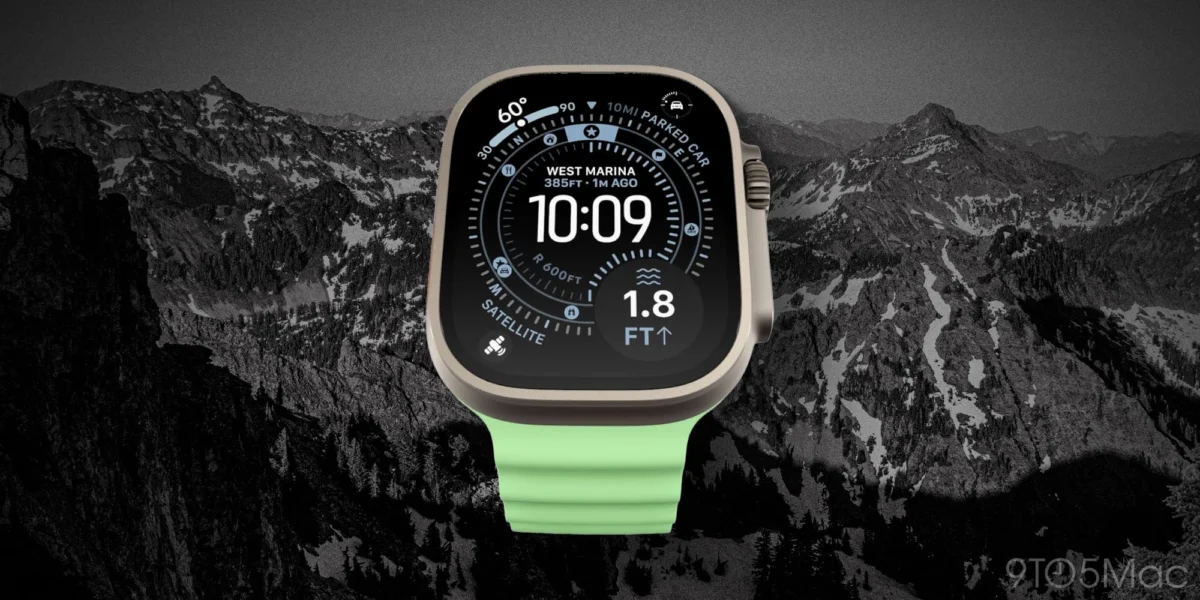
The Apple Watch Ultra series, which redefined the company’s wearable strategy upon its debut in 2022, is reportedly preparing for its most significant hardware overhaul to date. As Apple approaches its annual autumn hardware cycle, supply chain reports and internal code leaks have begun to coalesce around a fourth-generation Ultra model that emphasizes biometric security, hardware-level health monitoring, and unprecedented power efficiency. While the previous iterations of the Apple Watch Ultra focused on incremental refinements to the display and processing power, the upcoming Ultra 4 is expected to pivot toward a more sophisticated sensor array designed to reduce the device’s reliance on software-based estimations.

The Strategic Shift Toward Hardware-Centric Health Monitoring
At the core of the Apple Watch Ultra 4’s value proposition is a rumored doubling of its health sensor components. According to reports originating from Digitimes and corroborated by several Asian supply chain analysts, Apple is moving away from its traditional reliance on algorithmic data interpretation. In current wearable technology, many health metrics—such as sleep stages, stress levels, and even some cardiovascular readings—are extrapolated through software algorithms that interpret signals from a limited number of photodiodes and LEDs.
By doubling the sensor components, the Apple Watch Ultra 4 aims to capture a higher fidelity of raw physiological data. This hardware-first approach is expected to provide more accurate readings for athletes and medical users alike. Specifically, the increased sensor density could improve the signal-to-noise ratio during high-intensity activities, where motion artifacts often interfere with heart rate and blood oxygen monitoring. Furthermore, this transition is viewed as a necessary precursor to more advanced diagnostic features. While non-invasive blood glucose monitoring remains a long-term goal for Apple, the Ultra 4’s enhanced array is expected to lay the groundwork for such capabilities, even if the glucose feature itself is not ready for the 2026 launch window.
Biometric Security: The Arrival of Touch ID
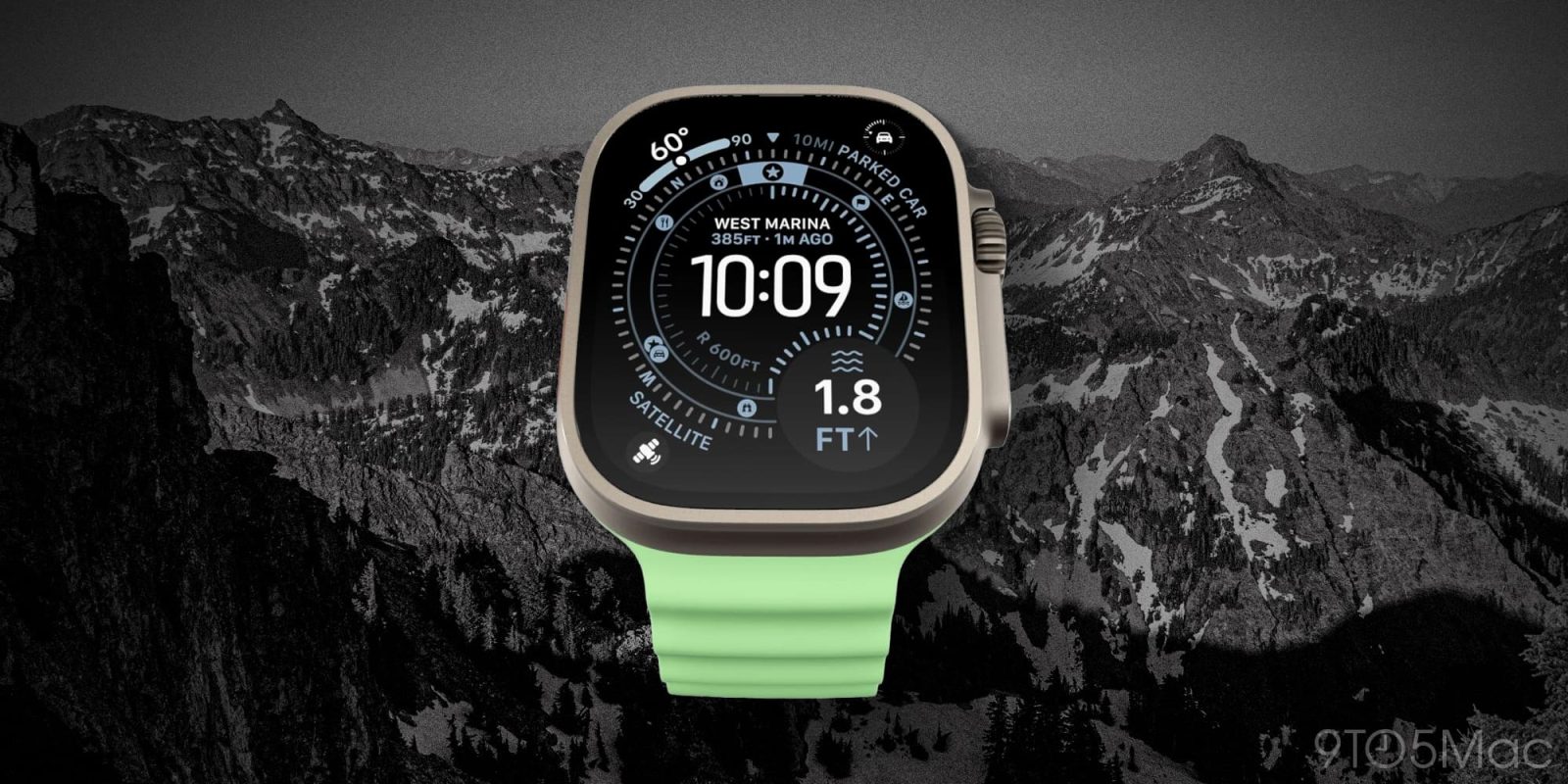
One of the most surprising developments in the Apple Watch Ultra 4’s roadmap is the potential inclusion of Touch ID. Historically, the Apple Watch has relied on a simple PIN code for security, often bypassed through "Auto Unlock" when the user is wearing an unlocked iPhone. However, as the Apple Watch Ultra increasingly positions itself as a standalone device capable of operating independently via LTE, the need for robust on-device biometrics has grown.
Evidence of this transition was discovered in leaked Apple internal code by developers, who found references to "AppleMesa" associated with upcoming wearable hardware. "Mesa" is the internal codename Apple has used for Touch ID since its inception on the iPhone 5s. The integration of a fingerprint sensor into a device as small as a smartwatch presents unique engineering challenges. Industry analysts suggest three potential implementations: the side button, the Digital Crown, or the customizable Action Button.
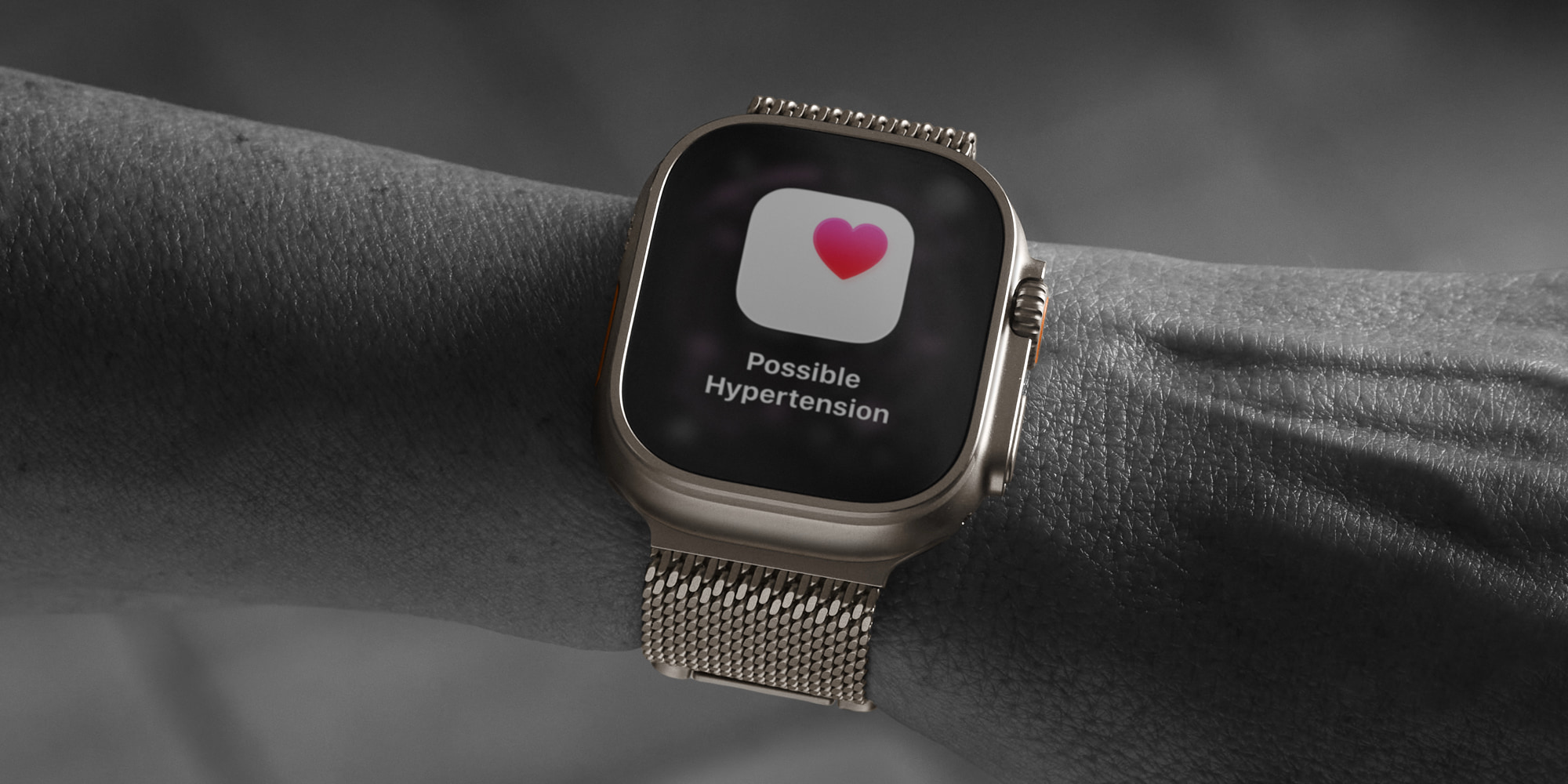
The addition of Touch ID would streamline several high-friction interactions. Users could authenticate Apple Pay transactions, sign into third-party health applications, and unlock the device without the need for manual code entry, which can be cumbersome on a small screen, especially while wearing gloves or during outdoor excursions. This move would further distance the Ultra line from the standard Series models, justifying its premium price point through enhanced utility and security.
Design Evolution and the Display Technology Pivot
The industrial design of the Apple Watch Ultra has remained largely static since its introduction, characterized by a 49mm titanium chassis and a flat sapphire crystal. The Ultra 4 is rumored to introduce "alterations to the exterior design," though the scale of these changes remains a subject of debate among analysts. Earlier projections suggested that Apple would move toward a significantly larger display utilizing microLED technology. However, due to high production costs and manufacturing complexities, the microLED project was reportedly shelved or delayed indefinitely.
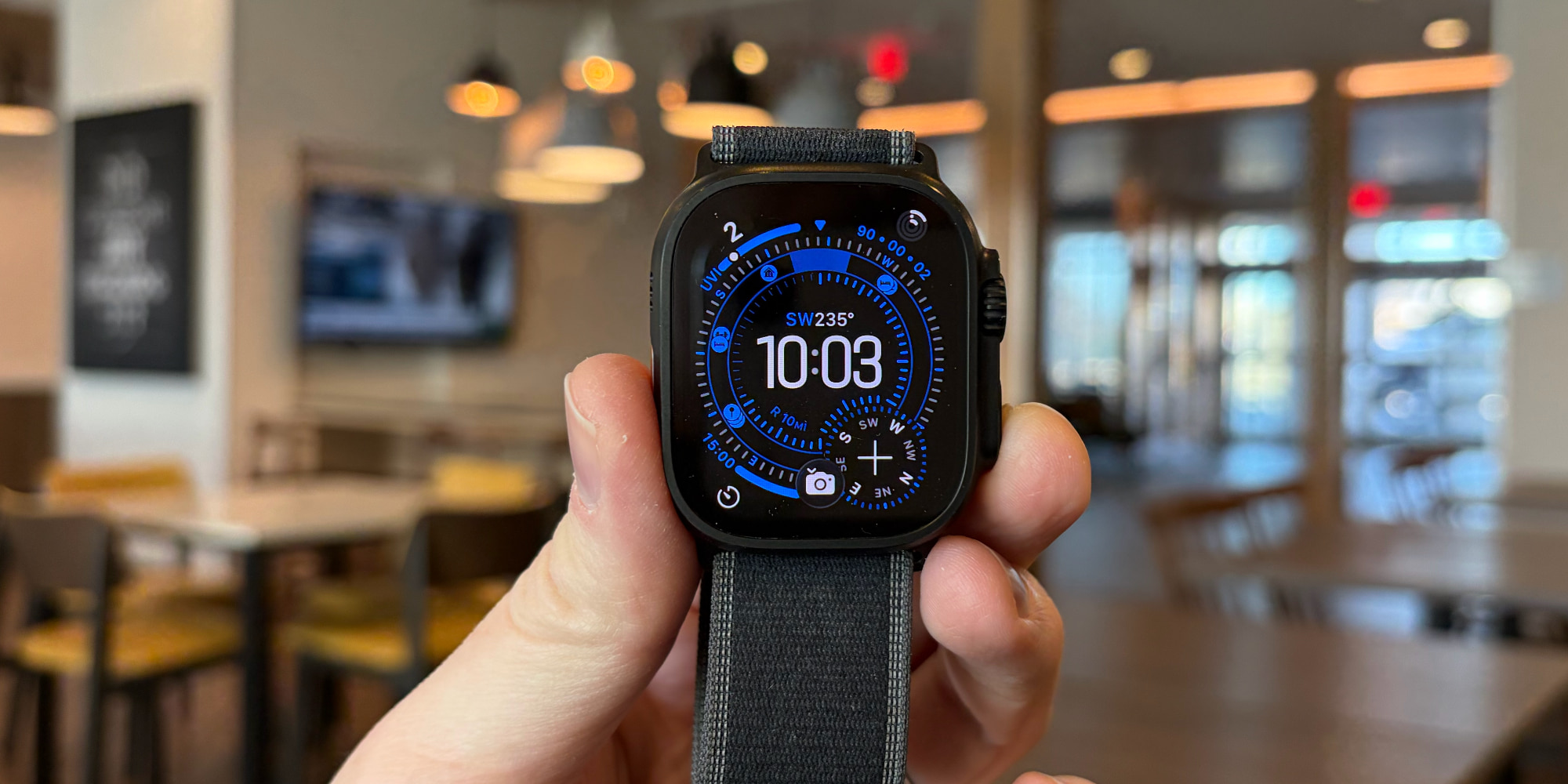
In the absence of microLED, Apple is expected to optimize the existing LTPO (Low-Temperature Polycrystalline Oxide) OLED technology. The design changes for the Ultra 4 may instead focus on reducing the device’s thickness or refining the "lip" of the titanium casing to improve durability. There is also speculation regarding a new "dark titanium" finish or specialized textures for the Digital Crown to enhance tactile feedback in extreme weather conditions. While a "significant redesign" was once the consensus, more recent reports suggest an evolutionary refinement of the rugged aesthetic that has become the Ultra’s trademark.
Power Efficiency and the Next-Generation Silicon
Battery life remains the primary metric by which rugged smartwatches are judged, particularly as Apple competes with brands like Garmin and Coros, which offer multi-week endurance. The Apple Watch Ultra 4 is expected to feature a new S-class System-in-Package (SiP) that prioritizes thermal management and energy conservation over raw clock speed.
The rumored efficiency gains are two-fold. First, the new sensor array, while more numerous, is designed to operate with lower power overhead per component. Second, the integration of more efficient display drivers and a refined watchOS 13 (or the contemporary version at launch) will likely extend the device’s "Low Power Mode" capabilities. If Apple can push the Ultra 4’s battery life beyond the current 36-to-72-hour window, it would significantly broaden the device’s appeal for multi-day endurance athletes who currently view the Apple Watch as a "single-day" device under heavy GPS usage.
Chronology of the Apple Watch Ultra Series
To understand the trajectory of the Ultra 4, it is essential to review the development cycle of the product line:

- September 2022 (Ultra 1): Apple introduces the first Ultra model, featuring a 49mm titanium case, the Action Button, and dual-frequency GPS. It established a new 36-hour battery standard for Apple.
- September 2023 (Ultra 2): The second generation introduced the S9 SiP, a 3,000-nit display, and the "Double Tap" gesture, focusing on interface improvements.
- September 2024 (Ultra 3): Expected refinements to internal architecture and new health tracking algorithms, maintaining the established design language.
- Late 2025 / Early 2026 (Ultra 4): The projected launch for the major sensor and biometric overhaul described in recent leaks.
Market Implications and Competitor Analysis
The Apple Watch Ultra 4 represents Apple’s attempt to capture a larger share of the "prosumer" market. Currently, Garmin dominates the high-end fitness segment with its Fenix and Epix lines, which offer specialized metrics for climbing, skiing, and ultra-marathon running. By doubling down on hardware sensors, Apple is signaling that it is no longer content with being a "generalist" health tracker.
Industry analysts suggest that the inclusion of Touch ID and more accurate sensors will likely force competitors to accelerate their own biometric and sensor R&D. Samsung, with its Galaxy Watch Ultra, has already begun mimicking Apple’s rugged design, but the Ultra 4’s rumored features could widen the gap in terms of ecosystem integration and security.

The broader implication for the consumer is a device that functions less like a peripheral and more like a medical-grade standalone computer. As the Ultra 4 reduces its dependence on the iPhone for both data processing and security authentication, it moves Apple closer to a future where the "primary" device may no longer be the smartphone, but the wearable.
Official Stance and Inferred Reactions
As is standard practice, Apple has not officially commented on the rumors surrounding the Ultra 4. However, the company’s recent patent filings provide a logical foundation for these reports. Apple has filed multiple patents related to "biometrics in wearable devices" and "enhanced PPG (photoplethysmography) sensor configurations."

Supply chain partners, including TSMC for the silicon and various sensor manufacturers in Taiwan and South Korea, have reportedly increased their capital expenditure for "high-precision wearable components," a move that aligns with the timeline for a 2026 product launch. While the tech community remains divided on whether the Ultra 4 will see a price increase, the consensus is that the added hardware value—specifically the Touch ID module and the expanded sensor suite—will solidify the Ultra’s position at the $799+ price point.
The Apple Watch Ultra 4 appears to be a pivotal release for Apple. By addressing the three pillars of the wearable experience—security, health accuracy, and battery longevity—the company aims to transition the Apple Watch from a luxury accessory to an essential tool for health management and independent mobile computing. As the September unveiling approaches, the industry will be watching closely to see if Apple can deliver on these ambitious technical targets.