










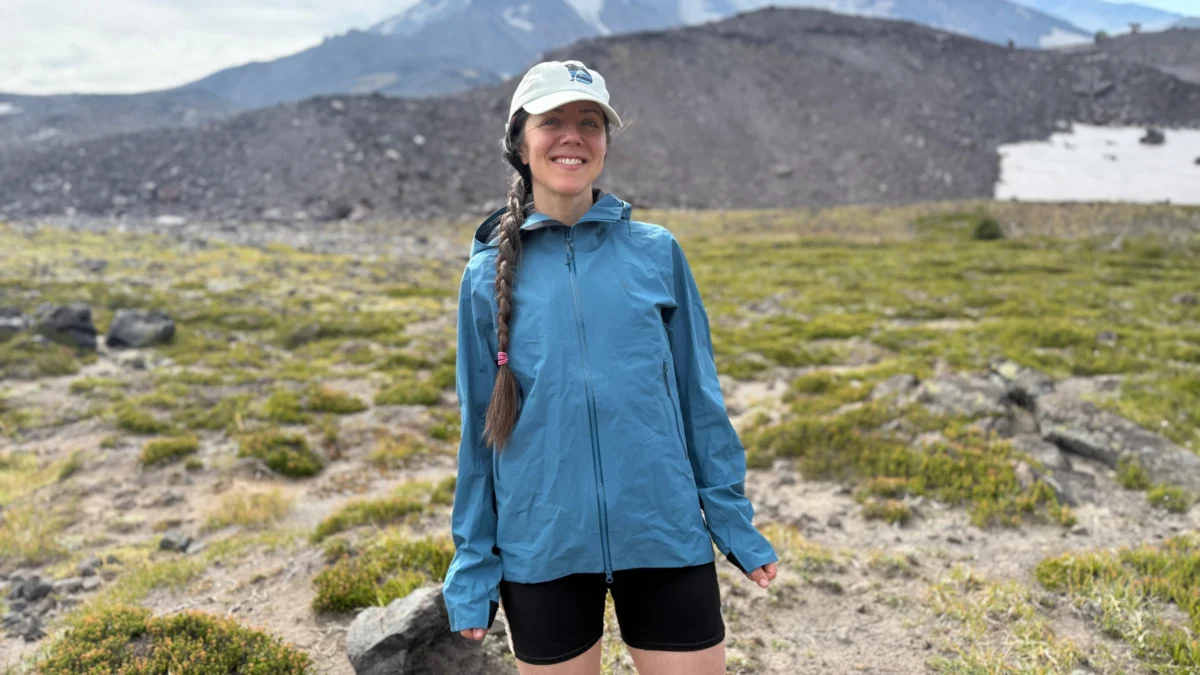
It doesn’t matter how waterproof your shell is if you sweat it out from the inside. For the high-output hiker or the mountaineer navigating steep ascents, the traditional "waterproof-breathable" shell often functions as a personal sauna. When physical exertion meets heavy precipitation, the moisture generated by the human body—perspiration—often exceeds the rate at which a jacket’s membrane can transport vapor to the outside. This phenomenon, often referred to as "wetting out" from the inside, remains one of the most persistent challenges in outdoor apparel engineering. In 2026, a new wave of technical shells has arrived, prioritizing heat management, ventilation architecture, and advanced material science to address this cooling deficiency.
The Physics of Overheating in the Backcountry
To understand the necessity of these specialized garments, one must consider the thermodynamics of hiking. An average hiker moving at a steady pace on a moderate incline can produce between 400 and 800 watts of heat. In cold or rainy conditions, the body attempts to shed this heat through evaporative cooling. When a rain shell creates an impermeable barrier, that water vapor becomes trapped against the skin and base layers. As the ambient temperature drops or the exertion level plateaus, the trapped sweat cools rapidly, leading to a dangerous loss of body heat—a condition often mistaken for the jacket leaking when, in fact, the system has simply reached its capacity for moisture vapor transmission.
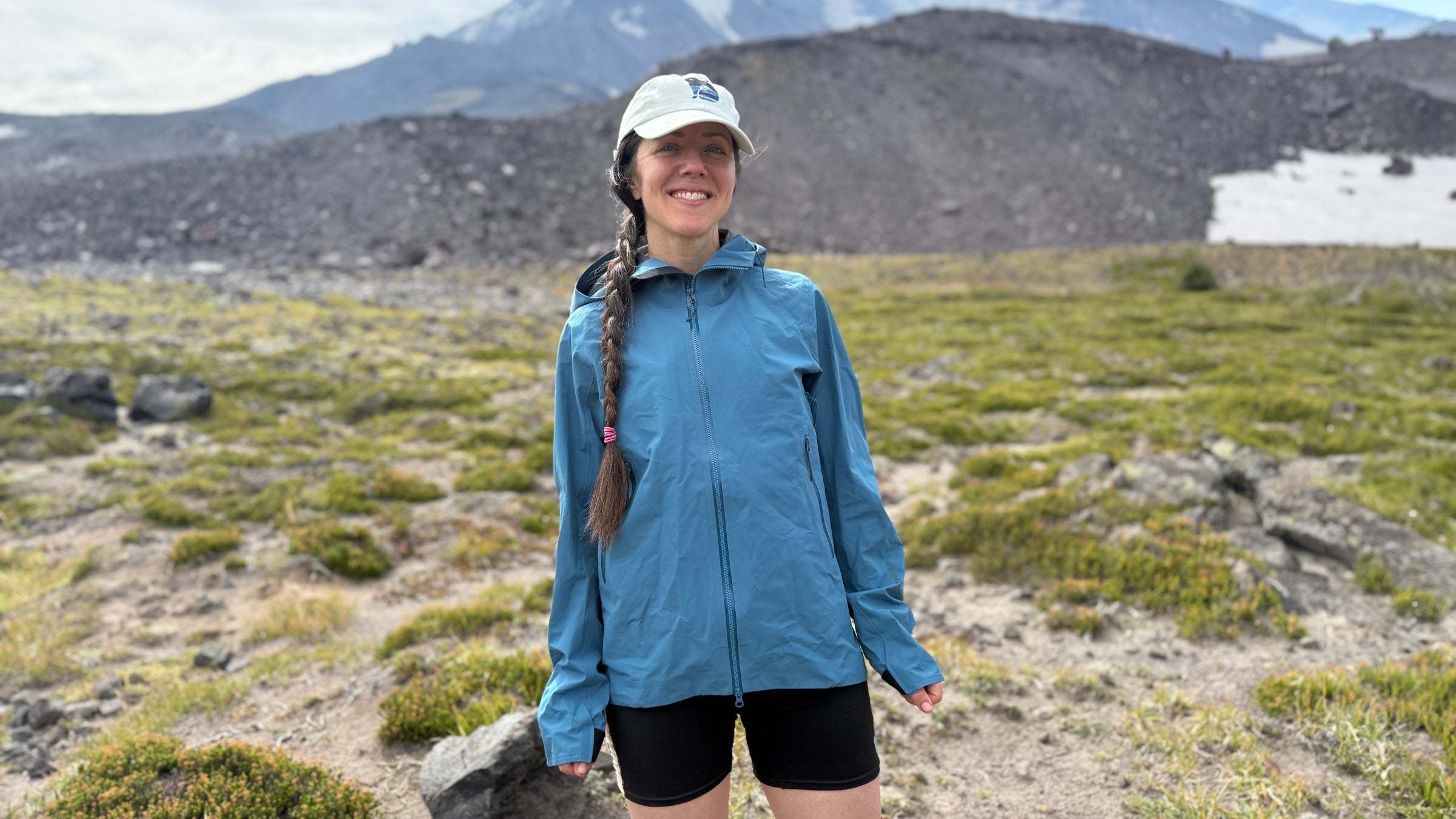
The industry has responded by moving away from strictly passive membranes toward active ventilation systems. The following selection highlights the top-performing shells of the 2026 season, categorized by their technical approach to climate control.
Outdoor Research Aspire 3L / Foray 3L: The Benchmark for Active Ventilation
The Outdoor Research Aspire (women’s) and Foray (men’s) 3L series currently serve as the industry gold standard for heat management. The core innovation here is the integration of full-length side zippers, which extend from the hem to the bicep. Unlike traditional pit zips, which offer limited airflow, these "TorsoFlo" vents allow the jacket to be completely opened along the sides, effectively turning the shell into a poncho-like structure when necessary.
Data from the 2026 field testing cycle confirms that this design significantly increases the air exchange rate, allowing hikers to maintain a dry microclimate even while carrying heavy loads. The incorporation of AscentShell Dry—a 40-denier, 100-percent recycled three-layer nylon fabric—provides a balance of mechanical stretch and durability. Because the fabric is electrospun to create a porous structure, it offers superior air permeability compared to traditional monolithic membranes. This is a critical distinction: while most shells wait for a heat and moisture differential to force vapor through, the Aspire’s fabric allows for constant, low-level air exchange.

7mesh Guardian Apex: Engineered Precision for High-Output Alpine Use
At the premium end of the market, the 7mesh Guardian Apex ($600) represents a shift toward minimalist, high-performance architecture. Designed in Canada, where wet-weather performance is non-negotiable, the Guardian Apex utilizes a highly breathable nylon face fabric that feels more akin to a softshell than a rigid hardshell.
The defining feature of this model is its diagonal pit-zip configuration. By orienting the zippers diagonally across the torso and underarm, 7mesh allows for natural body movement while keeping the vents open. This design prevents the "bunching" effect often found in standard vertical pit zips, which can limit range of motion when climbing. The high price point is justified by the garment’s longevity and the precision of its construction, which has proven resistant to the abrasive environments of dense forest bushwhacking.
Marmot SuperAlloy Bio: The Ultralight Paradigm Shift
For those concerned with weight-to-performance ratios, the Marmot SuperAlloy Bio presents a compelling case for the modern minimalist. Weighing in at 5.8 ounces for the men’s version, it challenges the long-standing dominance of budget-tier emergency shells. The shift toward partially plant-based materials in the NanoPro 2.5-layer membrane marks a significant milestone in sustainable outdoor manufacturing.
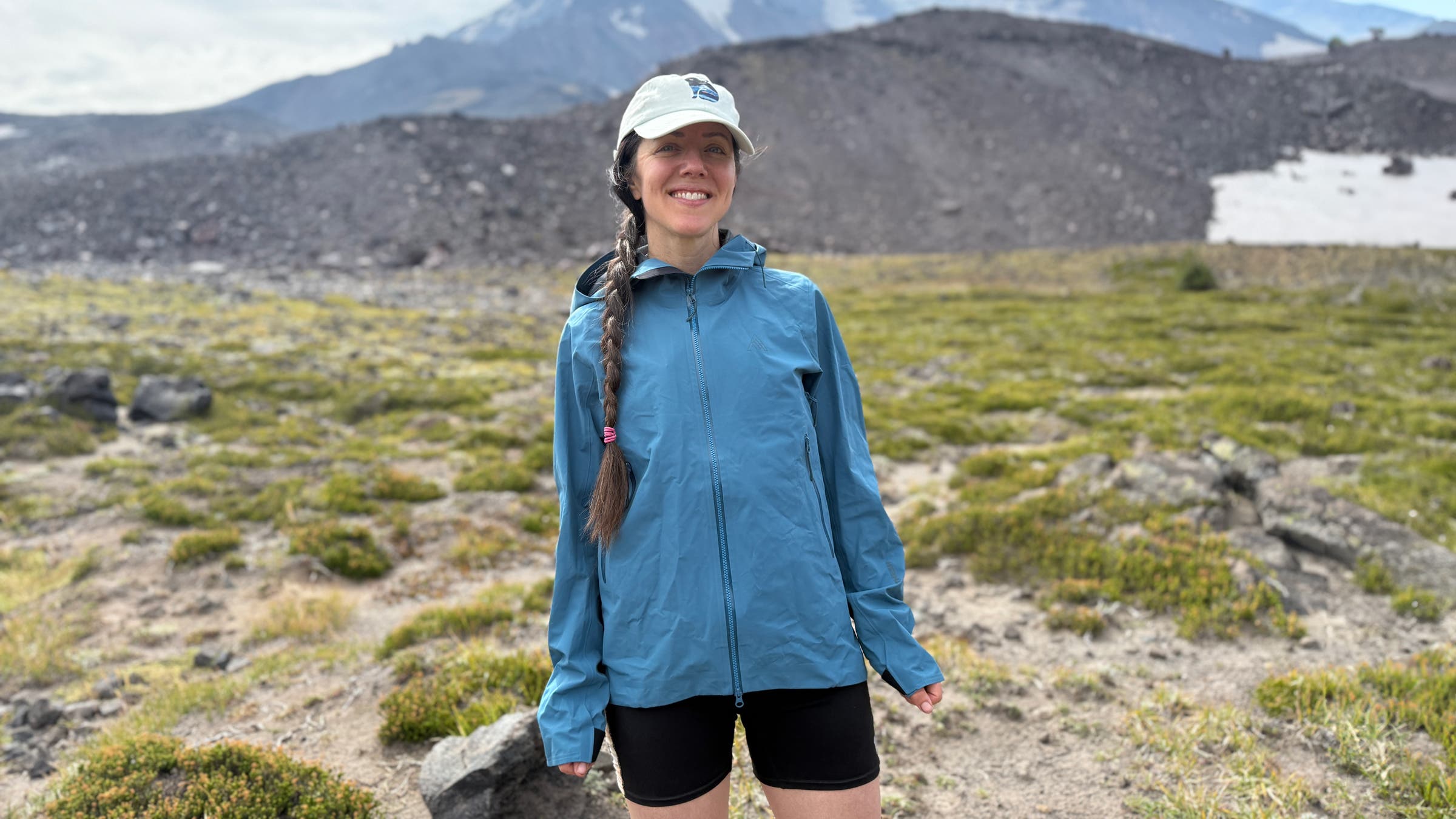
While it lacks the heavy-duty ventilation features of the Aspire, the SuperAlloy Bio relies on the inherent breathability of its proprietary membrane. In field tests conducted in 50-degree Fahrenheit rain, the jacket demonstrated an impressive ability to move moisture without compromising its protective integrity. It is an ideal choice for the "fast-and-light" crowd who prioritize packability—this jacket can be compressed to the size of a tennis ball—over complex venting systems.
Páramo Velez Adventure Smock: The Shoulder-Season Specialist
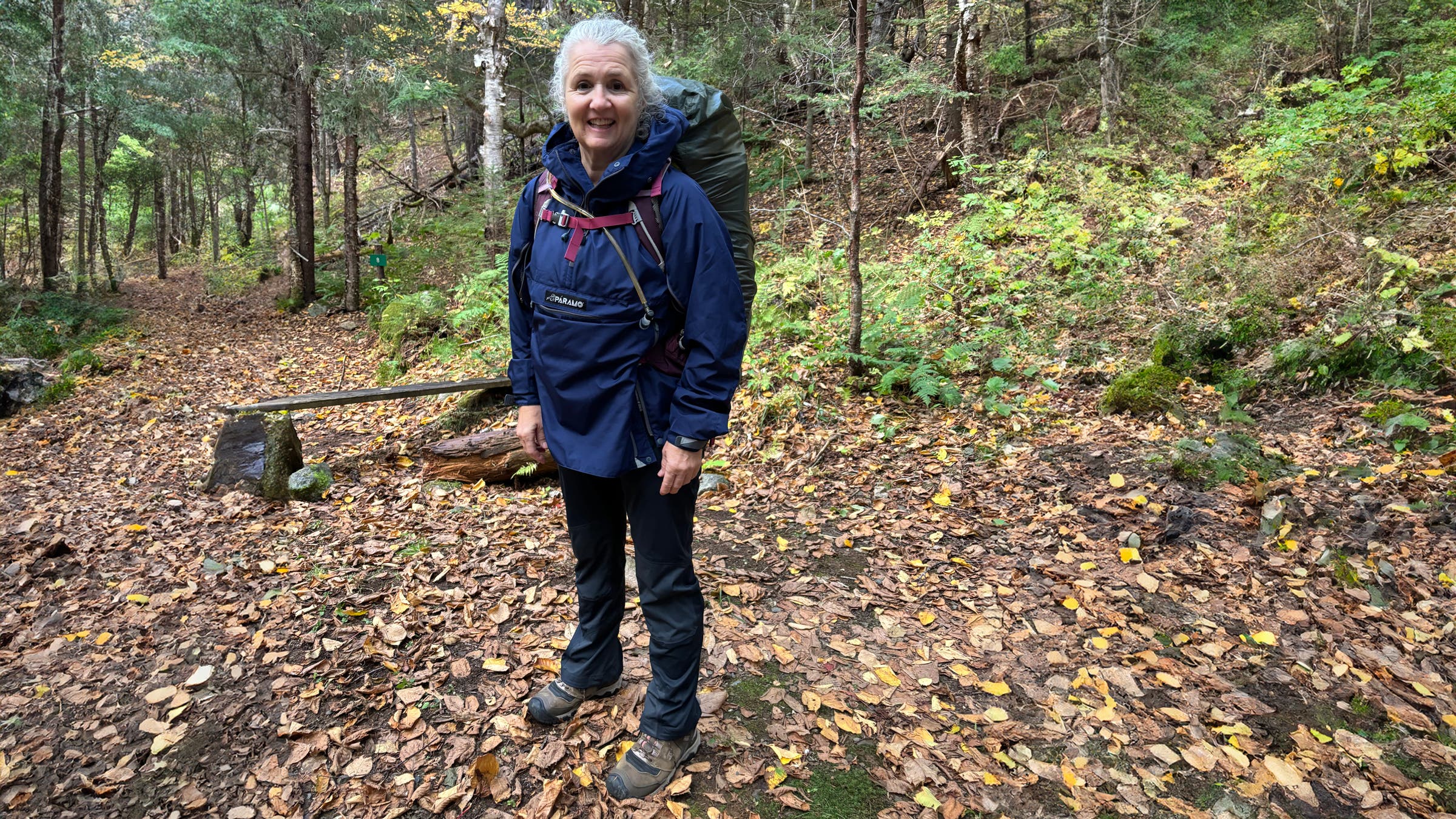
The Páramo Velez Adventure Smock offers a departure from the "membrane" philosophy entirely. Instead of using a waterproof laminate, Páramo utilizes the Nikwax Analogy fabric system, which mimics the natural function of animal fur. This system is directional, meaning it actively pumps liquid water away from the body, moving condensation to the outer layer even when the wearer is sweating profusely.
This jacket is intentionally heavy and bulky, making it unsuitable for mid-summer trekking. However, for shoulder-season expeditions where temperatures hover near freezing, its performance is unmatched. The horizontal front flap and bicep vents provide massive airflow, and because the garment does not rely on a brittle membrane, it is significantly easier to repair in the field, contributing to a longer product lifecycle.

Montane Featherlite Nano: Velocity-Focused Protection
The Montane Featherlite Nano (1.8 oz) serves a specific niche: the mountain runner or fastpacker. It is not a substitute for a full storm-proof shell, but it serves as an essential secondary layer for high-exertion aerobic activities. The 10-denier recycled nylon is exceptionally thin, providing wind protection and light water resistance while maximizing breathability. By omitting features like hoods and pockets, Montane has reduced the weight to near-zero, allowing the garment to be worn continuously during intense activity without the wearer feeling the need to shed it due to overheating.
Comparative Analysis: Choosing the Right Shell
When selecting a shell, hikers should apply a simple heuristic: the more active the pursuit, the more essential the mechanical venting. If a hiker intends to spend hours at a steady, moderate pace in consistent rain, a high-breathability membrane like the one found in the Outdoor Research Aspire is advisable. If the goal is high-speed mountain traversal, a featherweight shell like the Montane Featherlite Nano is more appropriate.
The broader implications of these developments are clear: the outdoor industry is moving away from the "one-size-fits-all" waterproof jacket. By diversifying the technology—ranging from active ventilation systems and directional fabric pumping to electrospun membranes—manufacturers are acknowledging that a hiker’s comfort is inextricably linked to their ability to regulate temperature.
Chronology of Testing
Testing for these models took place over the course of the 2026 spring and autumn seasons. Testers operated across diverse ecosystems, including the coastal ranges of Alaska, the pine forests of the Pacific Northwest, and the desert plateaus of the American Southwest. The evaluation criteria focused on three metrics:
- Moisture Vapor Transmission Rate (MVTR): Measured by the tester’s perceived level of dampness after a 60-minute sustained climb.
- Mechanical Ventilation Efficiency: The speed at which core body temperature dropped after opening designated vents.
- Durability and Maintenance: Long-term resistance to abrasion and the ease of reapplying DWR (Durable Water Repellent) coatings.
As the industry continues to innovate, the focus will likely shift further toward "breathable-waterproof" fabrics that function as a second skin. Until that technology becomes fully mainstream, the integration of smart design choices—pit zips, strategic venting, and lightweight, high-airflow fabrics—remains the most effective way for the heat-prone hiker to stay dry, comfortable, and protected from the elements.