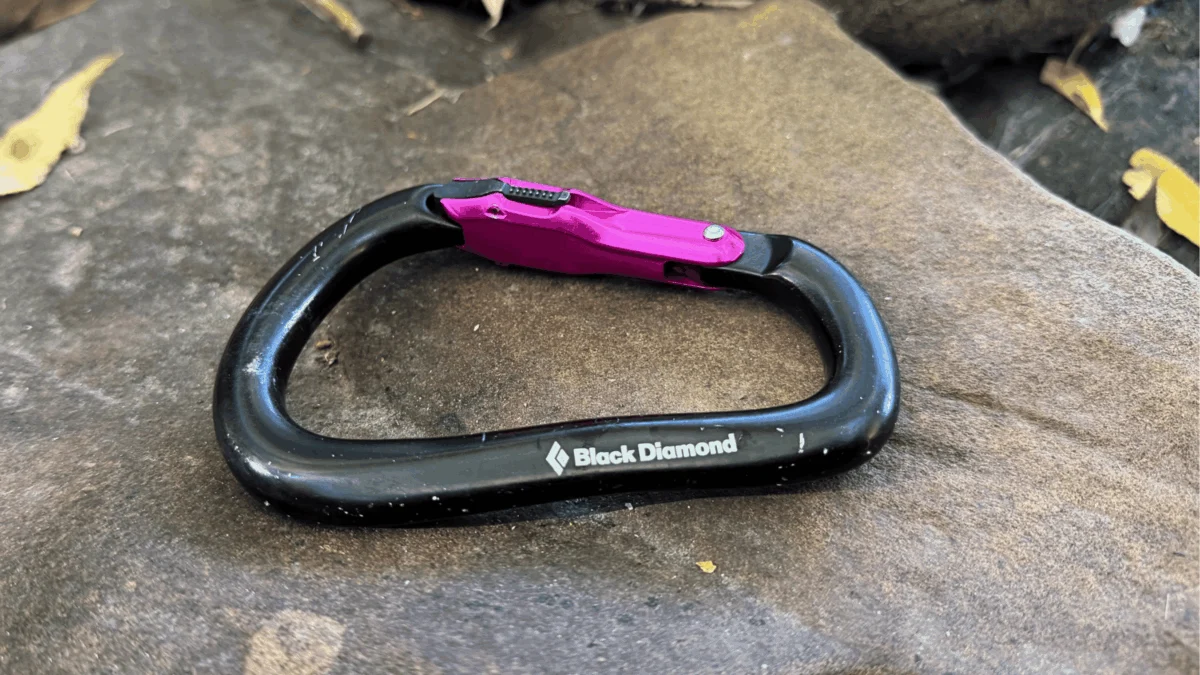
The Black Diamond Magnetron, a piece of climbing equipment that once commanded a cult-like following before its sudden discontinuation, has officially returned to the market as of September 2026. Characterized by its unique magnetic locking mechanism, the carabiner has spent years in the secondary market as a collector’s item, often fetching prices significantly higher than its original retail value. This re-release marks a significant strategic pivot for Black Diamond, which had previously deemed the complex manufacturing requirements of the magnetic triple-action gate to be unsustainable. The return of the product, specifically in the RockLock silhouette, serves as a case study in the intersection of niche technical engineering and consumer-driven market demand within the high-stakes climbing industry.
A Chronology of the Magnetron
The history of the Magnetron is defined by innovation, market friction, and eventual obsolescence. When the line was first introduced in the early 2010s, it promised a revolution in safety—a triple-action locking mechanism that utilized magnetic force to ensure the gate remained closed without the reliance on traditional springs or screw-gates. However, the complexity of the design meant that production costs were exceptionally high, and the technology faced challenges in extreme environments, particularly regarding the interference of grit, sand, and ice with the magnetic components.
Following the initial discontinuation, the carabiner entered a period of "mythical" status among climbing enthusiasts. By 2024 and 2025, used Magnetrons were frequently traded on platforms like Facebook Marketplace and specialized climbing forums for prices reaching three times their original MSRP. This scarcity-driven demand underscored a broader trend in the outdoor industry where discontinued, high-performance gear becomes a commodity for collectors and legacy users. The August 2026 pre-sale announcement triggered an immediate sell-out, signaling that the demand for the product had not waned during its absence from retail shelves.
Engineering and Operational Analysis
The re-released Magnetron is built upon the chassis of the Black Diamond RockLock, a classic pear-shaped carabiner known for its utility in belaying and rappelling. From a technical standpoint, the carabiner utilizes two magnetic arms that snap onto the steel insert of the carabiner nose. This design provides a secure, reliable closure that is theoretically easier to operate with one hand than a traditional triple-action mechanical locker, which often requires a sliding and twisting motion.
However, the weight of the device remains a point of contention for alpine and backcountry practitioners. At 92 grams, the Magnetron is significantly heavier than many modern, lightweight screw-gate or twist-lock alternatives. While the added weight is a byproduct of the magnetic assembly, it places the carabiner in a specific niche: heavy-duty cragging and gym use rather than weight-conscious multi-pitch or alpine climbing. The wide basket geometry provides sufficient space for a masterpoint at an anchor, yet the physical bulk of the frame can be cumbersome when used for complex rope-work in restricted spaces, such as during ice climbing or narrow chimney navigation.
Environmental Limitations and Performance Constraints
The performance of the Magnetron is inherently tethered to the environmental conditions in which it is used. A primary concern for professional guides and alpine climbers involves the efficacy of magnetic components in contaminated environments. Standard industry testing indicates that magnetic locking systems can be susceptible to failure if micro-particulates, such as sand or rock dust, accumulate within the magnetic contact points.
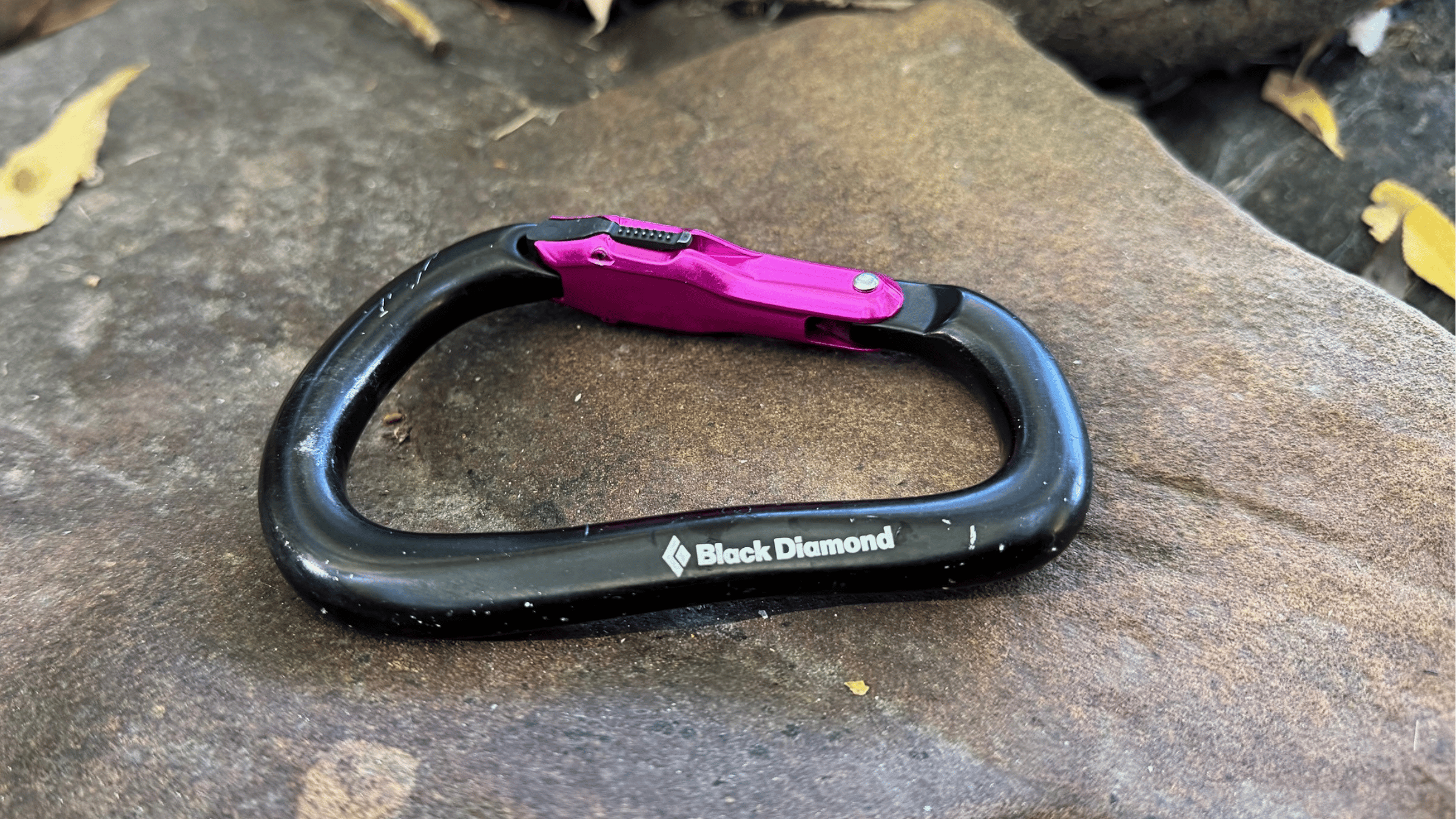
Furthermore, the integration of magnets into cold-weather gear introduces variables that do not exist with mechanical locks. While Black Diamond has implemented design adjustments in the 2026 iteration to enhance durability, the fundamental physics of the system remain unchanged. For users operating in the desert Southwest, where fine sand is ubiquitous, or in high-alpine environments where freezing moisture can obstruct moving parts, the Magnetron requires a higher level of maintenance and vigilance than a standard screw-gate carabiner. These limitations define the demographic for the product: it is a highly specialized tool for those who prioritize the fluidity of one-handed gate operation over the universal, "any-condition" reliability of mechanical locking systems.
Market Dynamics and Consumer Sentiment
The phenomenon surrounding the Magnetron’s return highlights a shifting landscape in outdoor retail. Social media platforms, particularly Instagram, have played a pivotal role in maintaining the visibility of the product. The discourse among climbers suggests that the Magnetron is viewed not merely as a tool, but as a "quality-of-life" enhancement for belayers who prioritize speed and ease of use.
Industry analysts suggest that the decision to bring back the Magnetron was driven by sustained feedback from the climbing community. By reintroducing the product, Black Diamond is effectively acknowledging the existence of a high-end, enthusiast segment that is willing to pay a premium—in this case, $55 per unit—for a piece of gear that offers a specific user experience. This strategy mirrors the successful re-introduction of other iconic climbing gear, such as specialized cams and solo-belay devices, where the brand relies on the legacy and emotional attachment of its user base to guarantee sales volume.
Strategic Implications for Black Diamond
The return of the Magnetron represents a calculated risk. By re-entering a market segment with a product known for its high production complexity, the company must manage inventory carefully to ensure that the manufacturing process remains profitable. The announcement that a smaller version of the carabiner, based on the Vapor Lock, is scheduled for release in 2027 suggests that the company is committed to a multi-year strategy of expanding the Magnetron ecosystem.
From a safety and liability perspective, the re-introduction of such a distinct locking mechanism necessitates clear communication regarding its appropriate use. Retailers and manufacturers must emphasize that while the Magnetron is designed to be self-locking, it does not replace the necessity for visual and physical checks of the gate before and during use. The "set it and forget it" mentality that magnetic systems might inadvertently encourage is a known human-factors risk in climbing, and as the product sees wider adoption, the industry will be closely monitoring incident reports related to gate security.
Future Outlook
As of late 2026, the market for the Magnetron appears robust, though its long-term viability will likely be determined by its performance in the hands of the general public rather than the niche audience that championed its return. If the 2026 and 2027 releases prove durable and the manufacturing process remains stable, the Magnetron could solidify its position as a staple in the high-end carabiner market. However, if the device continues to struggle with environmental contamination or weight-to-performance ratios, it may remain a niche accessory rather than a standard-issue item for the broader climbing population.
Ultimately, the Magnetron serves as a reminder that the evolution of climbing equipment is rarely a straight line. It is a sector where tradition and innovation collide, and where the "best" piece of gear is often defined by the specific, subjective needs of the user. Whether it is considered a revolutionary leap forward or an over-engineered luxury, the Magnetron has secured its place in the history of climbing technology, once again finding its way onto the harnesses of those who value the novelty and smooth operation of its magnetic gate. As the brand continues to expand its offerings, the industry will continue to observe how this "mythical" piece of hardware performs in the modern era of climbing.