










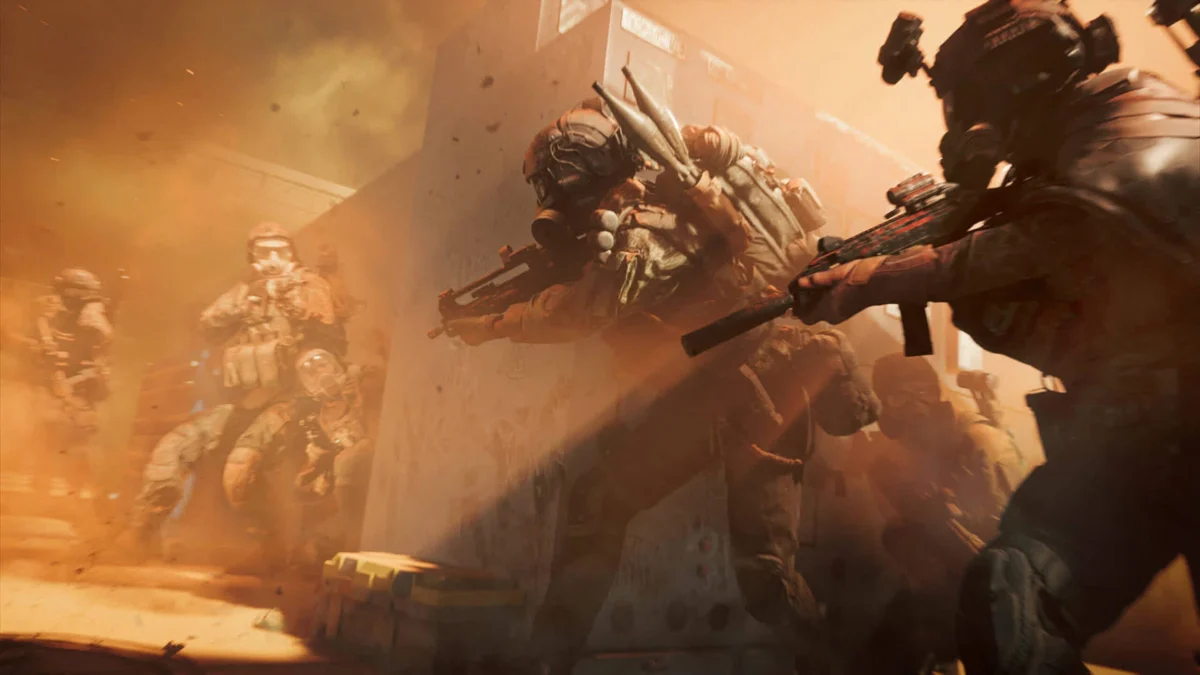
Battlefield Studios has officially outlined its comprehensive content trajectory for Battlefield 6 throughout 2026, setting the stage for a transformative year for the multiplayer military shooter. Following an extensive four-month period of quiet regarding long-term support, the development team released a detailed "Year Ahead" broadcast. This presentation mapped out three major upcoming seasonal updates, the integration of a heavily requested naval combat theater, the return of community-favorite legacy maps, and structural quality-of-life additions designed to satisfy both casual and competitive segments of the player base.
The announcement arrives at a critical juncture for the franchise, which has sought to reclaim its dominant position in the first-person shooter market following mixed industry trends in recent years. By establishing a predictable, transparent cadence of updates, Battlefield Studios aims to maintain player retention and address long-standing community demands that date back to earlier iterations of the franchise.
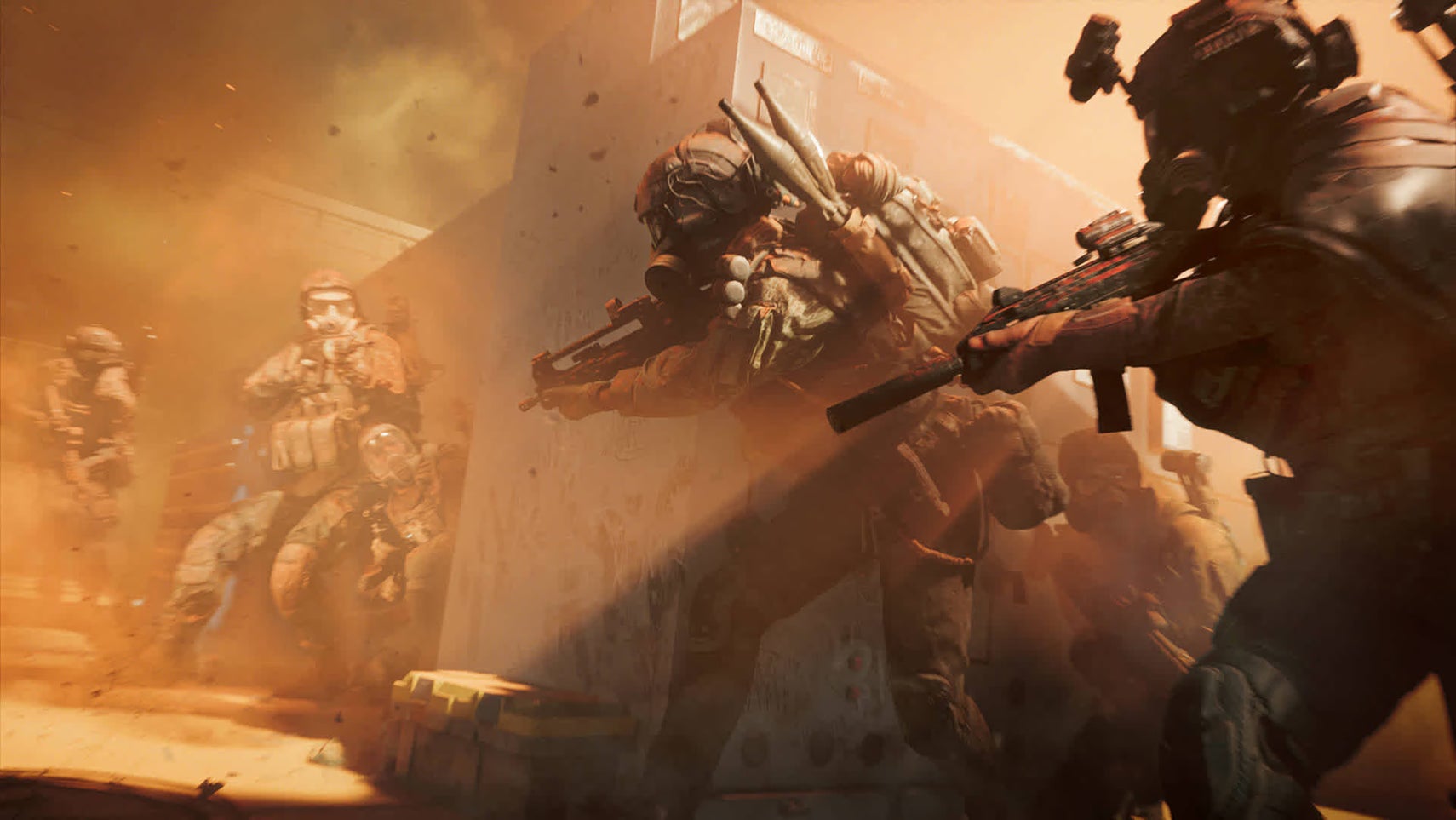
The 2026 Chronology: Seasons 3, 4, and 5 Detailed
The newly revealed roadmap breaks down the remainder of 2026 into three distinct operational phases, starting with Season 3 in May, followed by Season 4 in July, and a more secretive Season 5 later in the autumn.
Season 3, scheduled to launch in May, focuses heavily on reimagined legacy environments alongside expansions to the game’s competitive ecosystem. Players will see the arrival of "Railway to Golmud," a modern adaptation of the classic Golmud Railway map, alongside "Cairo Bazaar," a comprehensive reimagining of the iconic Grand Bazaar layout originally featured in Battlefield 3. Beyond map additions, Season 3 addresses competitive and solo players by introducing solo queues for the battle royale mode Redsec, as well as dedicated ranked playlists designed to foster a more structured competitive scene.
Season 4, slated for July, stands as the most ambitious update on the current 2026 schedule. It marks the introduction of full-scale naval warfare to Battlefield 6 across two new battlefields. The centerpiece of this update is "Tsuru Reef," a Pacific-theater map engineered to surpass Golmud as the largest playable environment in the game’s history. Alongside Tsuru Reef, Season 4 will bring a modern adaptation of the legendary "Wake Island." The inclusion of naval combat introduces complex mechanical systems, including dynamic wave physics, functional aircraft carriers featuring operational flight decks, and specialized watercraft. Furthermore, Season 4 will deliver highly requested backend features, including custom community lobbies and a dedicated Spectator Mode.

Season 5, positioned for the final quarter of the year, remains shrouded in mystery. Battlefield Studios has confirmed that the update will feature a robust three-map drop rather than the standard two-map format, though specific thematic details, vehicular additions, and gameplay tweaks have been withheld pending future developer deep-dives.
The Legacy Map Debate: Innovation Versus Nostalgia
A notable focal point of the 2026 roadmap is the heavy reliance on reimagined and remade maps from previous entries in the franchise. While map recycling is a common practice in the live-service era of first-person shooters, Battlefield 6 appears to be leveraging historical assets more frequently than any of its predecessors.
Industry analysts note that this strategy carries both distinct advantages and inherent risks. On one hand, leveraging beloved layouts such as Grand Bazaar and Wake Island provides an immediate wave of nostalgia, driving engagement among veteran players who grew up with the franchise. On the other hand, an over-reliance on past content can occasionally spark criticism regarding original artistic direction and new map design output.

However, early indicators suggest that Battlefield Studios is not merely porting older assets. Previous map remakes integrated into Battlefield 6 have undergone substantial layout adjustments, structural re-engineering, and environmental destruction overhauls. These alterations fundamentally modify the tactical flow, sightlines, and pacing compared to their original counterparts, ensuring that even veteran players must adapt to new strategies.
Technical Milestones and Community-Requested Features
Beyond maps and seasonal themes, the 2026 roadmap directly targets structural grievances that have persisted within the community for years. Most notably, Battlefield Studios confirmed the return of persistent servers and a fully integrated server browser.
For many long-term fans of the franchise, the absence of traditional server browsers in recent titles diminished the sense of community ownership and clan organization. The upcoming inclusion of persistent servers will allow players to curate custom rulesets, manage community spaces, and dictate their preferred map rotations, closely mirroring the quality-of-life standards established by classic titles in the series. While exact deployment mechanics and administrative toolsets for hosting custom servers remain under specification, the announcement has been overwhelmingly well-received by community leaders and content creators alike.

Broader Industry Implications and Strategic Outlook
The aggressive rollout of content for Battlefield 6 underscores EA and Battlefield Studios’ commitment to the live-service model. In an increasingly crowded multiplayer landscape defined by free-to-play battle royales and recurring seasonal updates, sustaining a premium title requires a delicate balance of consistent content delivery, technical stability, and responsive community engagement.
By committing to a multi-season roadmap that spans the entirety of 2026, Battlefield Studios is attempting to signal long-term viability and stability to its consumer base. The inclusion of distinct tactical pillars—such as large-scale ground transport via Golmud, intense infantry skirmishes in Cairo Bazaar, and open-ocean fleet maneuvers in Tsuru Reef—demonstrates an effort to cater to the diverse preferences of the broader Battlefield audience.
As the launch window for Season 3 approaches in May, the development team is expected to release comprehensive patch notes, developer diaries, and hands-on preview opportunities. These forthcoming communications will provide crucial clarity on balancing metrics, server hosting parameters, and the precise mechanical depth of the upcoming naval warfare systems, ultimately determining whether 2026 fulfills the high expectations set by this ambitious roadmap.