






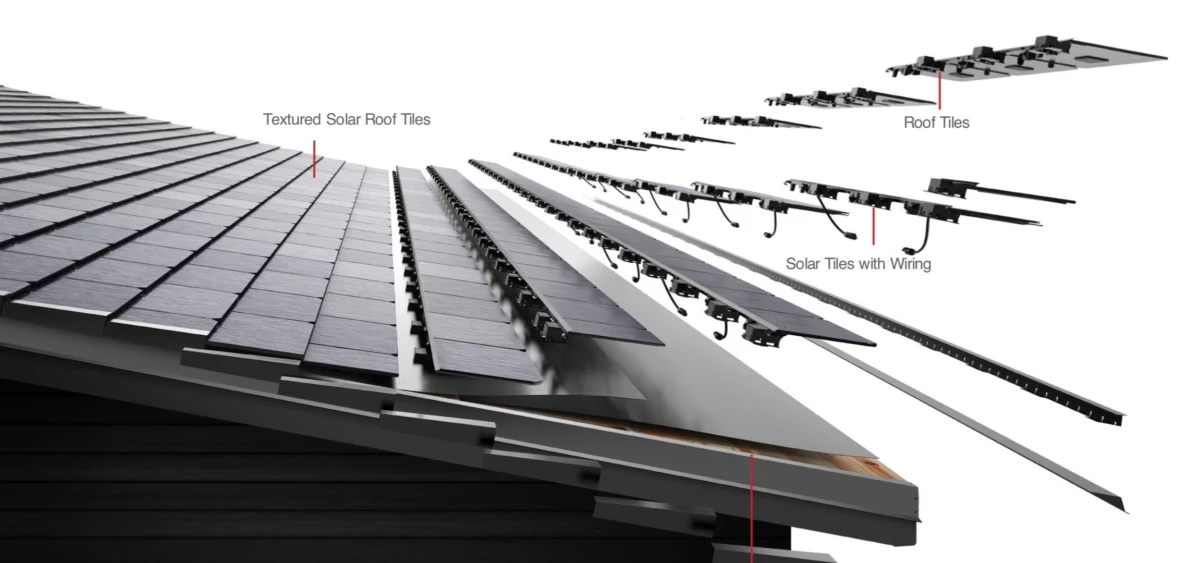
A California state court judge has formally found Tesla liable for fraud and negligent misrepresentation in an escalating legal battle concerning the company’s now-defunct Solar Roof product. The ruling, issued in the San Diego Superior Court, stems from Tesla’s persistent failure to comply with court-ordered discovery requests and its repeated withholding of internal corporate communications, safety logs, and project documentation.
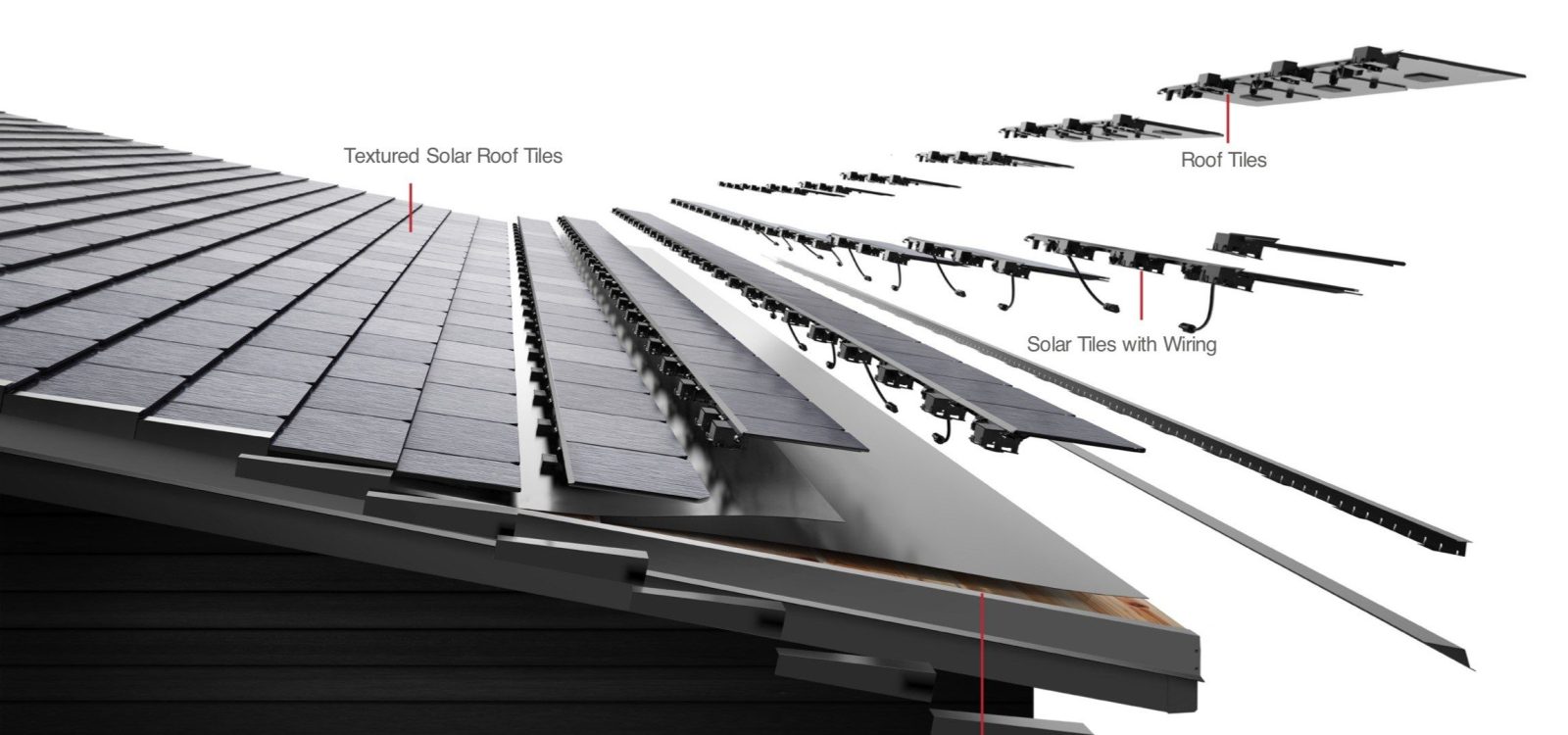
The underlying lawsuit, designated as Conroy v. Tesla (Case No. 37-2022-00043670), was initiated in 2022 by homeowner Ambrose Conroy. The litigation highlights profound systemic failures within Tesla’s clean energy division, which officially discontinued its proprietary Solar Roof installations earlier this year after deploying only a few thousand systems nationwide. While Tesla had previously conceded liability regarding breach of contract, breach of warranty, and basic negligence, the court’s imposition of liability for fraud marks a significant escalation, leaving the upcoming trial focused primarily on the determination of compensatory and punitive damages.
Background and Chronology of the Dispute
The project began in March 2020 when Ambrose Conroy contracted with Tesla for a 13.1 kW Solar Roof system at his property in Rancho Santa Fe, California, with an initial price tag of $82,210. Over the following months, through two separate amendments executed by February 2021, the project scope expanded to an 18.2 kW roof paired with six Tesla Powerwall energy storage units, bringing the total project cost to approximately $110,000.

What was initially projected to be a standard two-week residential installation transformed into a multi-year ordeal. According to court records and the plaintiff’s complaint, the tear-off phase alone stretched to two weeks, leaving portions of the home’s roof decking exposed to the elements. Crew members reportedly installed scratched and damaged glass tiles, while discarded shards littered the surrounding driveway and lawn, rendering the exterior unsafe for barefoot traffic. Despite multiple attempts at installation, the roof never passed county inspections and failed to generate a single kilowatt-hour of electricity for the home.
The project experienced intense internal turnover, cycling through at least seven distinct project managers. By late 2021, Tesla informed the homeowner that the personnel responsible for the engineering and repair plan were no longer with the company, and that Tesla lacked active service crews in the San Diego area capable of resolving the structural and electrical deficiencies. In April 2022, Tesla formally offered a $5,000 settlement to resolve all claims related to the unfinished, non-functional roof—a sum the homeowner rejected, pointing out that professional remediation estimates sit well in excess of $2.5 million.

Discovery Sanctions and Judicial Scrutiny
The turning point in the litigation occurred due to Tesla’s failure to adhere to judicial discovery obligations. Presiding Judge Cynthia Freeland issued initial monetary sanctions against the automaker in February and June of 2025—totalling nearly $30,000—for failing to produce adequate privilege logs and responsive documents. Despite judicial warnings that severe issue sanctions could follow continued non-compliance, Tesla missed subsequent deadlines.
On September 11, Judge Freeland exercised her authority under California civil procedure by deeming Tesla liable for fraud and negligent misrepresentation. In her ruling, the judge cited "ample evidence to support that Defendants have acted willfully." The missing records included Microsoft Teams communications—noting that a Tesla corporate witness testified such messages are retained indefinitely—as well as Occupational Safety and Health Administration (OSHA) logs, correspondence with local building inspectors, and more than 20 internal quality, installation, and safety reports generated within Tesla’s proprietary Bolt software system.

Judge Freeland characterized Tesla’s failure to produce the records as a tacit admission that the withheld information was damaging to the company’s defense. Tesla subsequently filed a motion for reconsideration, asserting that it had ultimately produced the required documentation. In an October 27 ruling, Judge Freeland denied the motion, writing that the belatedly disclosed records supported the plaintiff’s central theory: that Tesla knowingly utilized the residence as an experimental testing ground despite lacking the operational experience necessary to fulfill its contractual representations.
Internal Communications and Corporate Oversight
Exhibits included in the joint trial readiness report provide a rare window into the internal corporate discourse surrounding the project. Trial Exhibit 224 references text message exchanges from January 2021 between Tesla’s then-director of model engineering, Bobby Yang, and other corporate employees, utilizing terminology that plaintiff attorneys describe as pointing directly toward unauthorized experimentation on residential infrastructure.

Additional internal emails cited in the complaint indicate that corporate leadership was acutely aware of the project’s extraordinary complexity. On February 9, 2021, Yang remarked internally that the Rancho Santa Fe property represented the "99.5 percentile in terms of complexity," asserting that mastering the site would prove competence for any future installation. RJ Johnson, then the head of Tesla’s energy business, acknowledged that the project would statistically skew performance metrics but insisted the company needed "to make it right," adding in an internal correspondence that the challenges could be "called out individually with Elon." Internal documentation further noted that the roof design incorporated at least 59 distinct mounting planes, making it one of the largest and most intricate residential arrays attempted by the company at that time. RJ Johnson departed the company in April 2021.
Complications persisted well into the litigation phase. In February 2025, more than two years after the lawsuit was filed, Tesla representatives failed a county building inspection after arriving without the required ventilation system plans. Furthermore, an independent electrical engineering inspection commissioned by the plaintiff revealed that the conduit and wiring routing beneath the tiles created a severe short-circuit and fire hazard during heavy precipitation events, necessitating the complete removal and replacement of the entire roofing structure.

Legal Implications and Industry Impact
Tesla has aggressively contested the trial court’s rulings. In late October filings, the company petitioned the California Court of Appeal for an emergency stay, arguing that the issue sanctions are excessively punitive, infringe upon constitutional due process rights, and effectively impose a directed verdict on fraud charges prior to a formal jury trial. Tesla’s defense counsel maintains that the discovery disputes were disconnected from the substantive fraud allegations and that all relevant material has since been turned over.
The broader implications of the case extend beyond a single residential dispute. The litigation illuminates the commercial difficulties that plagued Tesla’s solar initiatives following the high-profile 2016 unveiling of the Solar Roof product by Chief Executive Officer Elon Musk. Regulatory friction has similarly impacted the company; in 2025, the California Contractors State License Board initiated administrative actions seeking to revoke certain Tesla contractor licenses in connection with abandoned solar roofing projects across the state.

As the legal proceedings continue, the central question for the judicial system remains the ultimate contents of the withheld digital communications and internal messaging logs. While appellate courts traditionally view issue-determinative sanctions with caution, the substantive admissions of contractual breach and operational negligence ensure that Tesla will face substantial financial liability regardless of the appellate court’s final determination on the fraud sanctions. The matter proceeds toward upcoming hearings to establish definitive compensatory and punitive damages for the homeowner.