










The modern fitness watch industry has established titanium as the gold standard for material construction. Prized for offering an optimal balance of structural strength and featherlight weight, titanium alloys have quickly superseded traditional stainless steel and standard aluminum across flagship product lines. This shift is clearly visible in high-end offerings such as the Garmin Fenix series and the ultra-luxury Garmin Marq Generation 3 collection. However, behind the sleek aesthetics of these premium wearables lies a complex web of engineering challenges. As manufacturers push to use more metal in device construction, they run directly into fundamental laws of physics—specifically, how physical metals interact with invisible radio frequencies.
The Physical and Ergonomic Imperative of Titanium
To understand why brands like Garmin have pivoted heavily toward titanium, one must examine the ergonomic demands of modern sports tracking. Historically, stainless steel served as the primary material for heavy-duty timepieces due to its long-term durability and resistance to wear and tear. Nevertheless, stainless steel carries a significant weight penalty.
During high-impact athletic activities such as distance running, trail racing, or intense interval training, excess mass on the wrist generates momentum. This added momentum causes the watch case to shift, bounce, and slide around the wearer’s wrist. Beyond mere physical discomfort, an unstable wearable compromises optical heart rate monitoring. If a sensor loses its snug contact with the skin, ambient light bleeds into the photoplethysmography (PPG) array, resulting in inaccurate heart rate tracking.
Titanium addresses these physiological concerns. It is substantially lighter than stainless steel while retaining superior tensile strength, making it an ideal choice for endurance athletes who require durability without added bulk. Yet, utilizing titanium introduces a critical technical hurdle: radio frequency isolation.
The Radio Frequency Paradox of All-Metal Casings
A premium sports watch is no longer a simple mechanical timekeeper; it is a sophisticated communications hub. Modern devices require uninterrupted connectivity protocols, including Bluetooth for smartphone pairing, Wi-Fi for data syncing, ANT+ for external sensor integration, NFC for contactless payments, and satellite or LTE connectivity for navigation and emergency signaling.
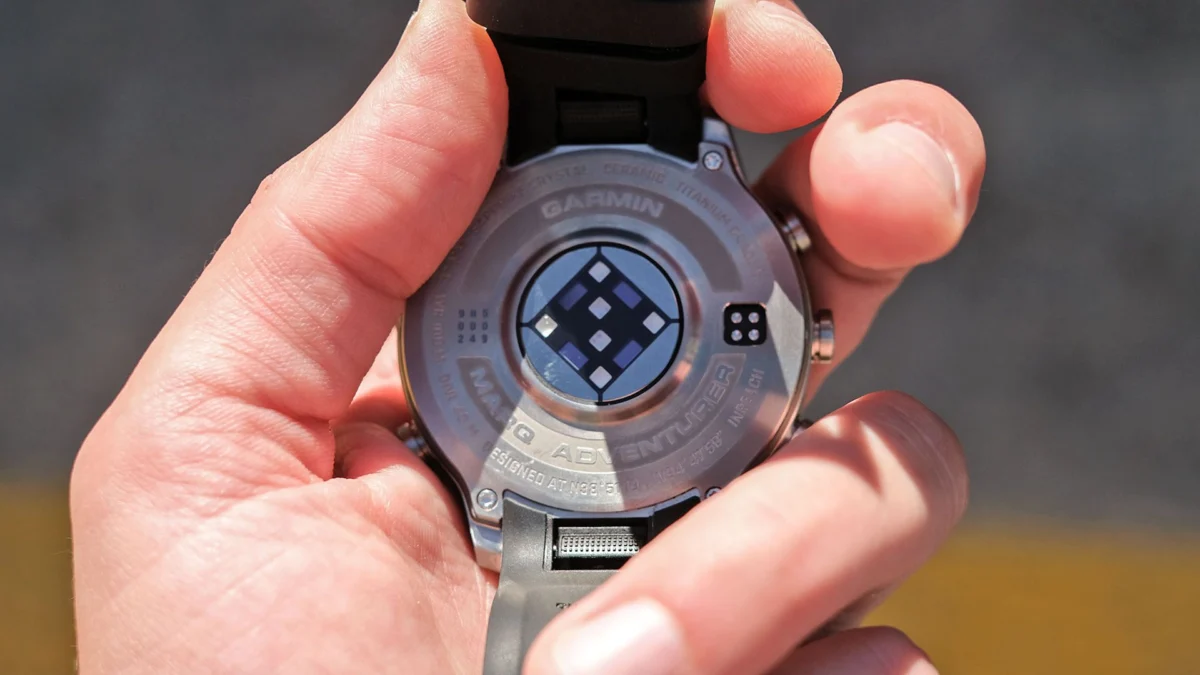
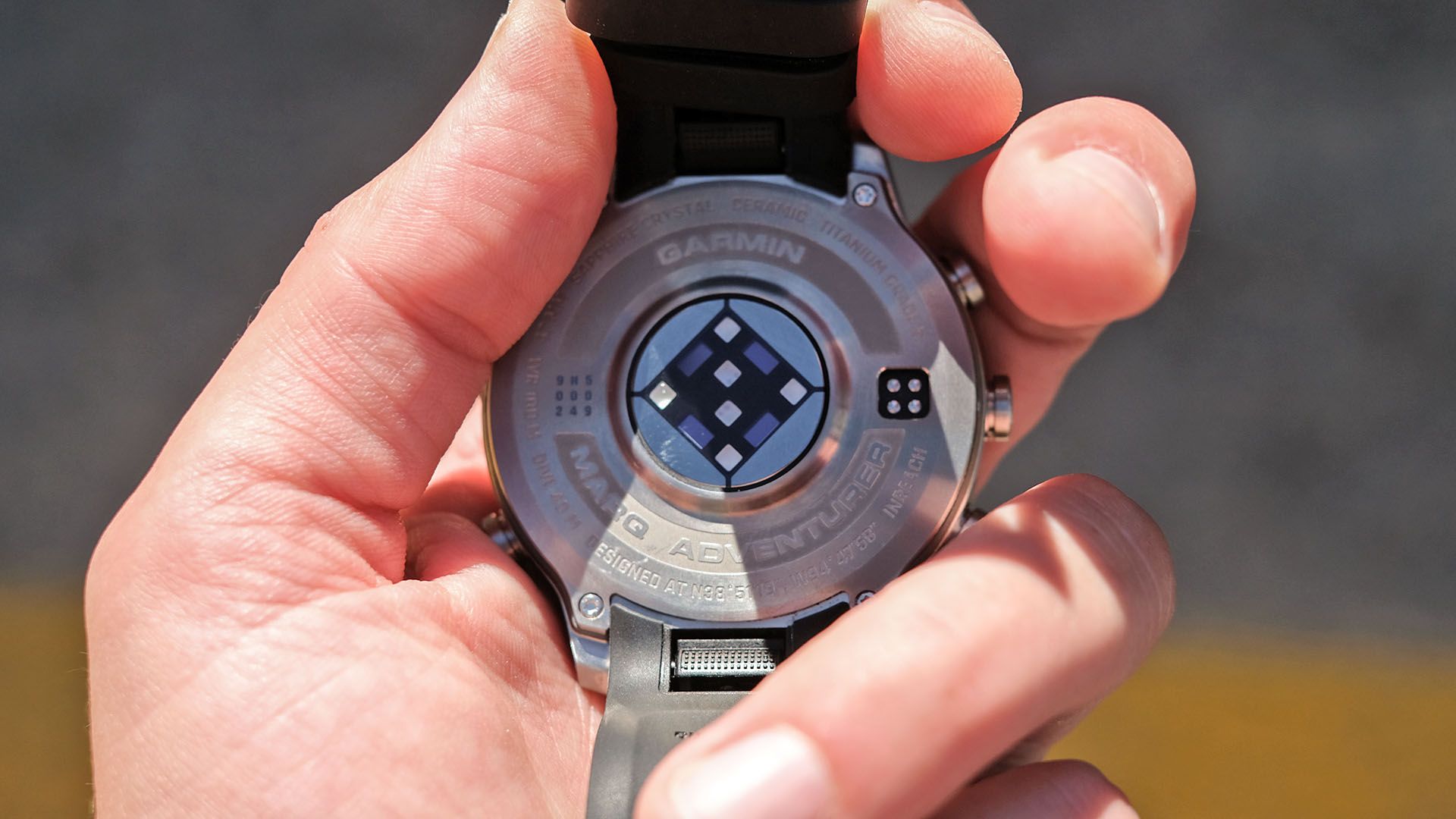
According to Garmin Chief Operating Officer Brad Trenkle, enclosing a smartwatch in a completely sealed, all-metal titanium chassis creates an impenetrable Faraday cage.
"There are incredible benefits you can get from having a titanium case, but the all-metal case means radio signals can’t get out," Trenkle explains.
Without internal antennas capable of transmitting and receiving data through the outer shell, a connected smartwatch is rendered functionally obsolete. Early iterations of rugged GPS watches attempted to resolve this issue by combining metal bezels with chunky, reinforced polymer (plastic) sidewalls. While effective at letting radio waves pass through, this hybrid approach necessitated thick rubbery gaskets and internal seals to maintain water resistance.
The inclusion of multiple structural layers and gaskets quickly drives up the overall thickness of the device. Industry veterans often recall early GPS pioneers like the Garmin Forerunner 201, released in 2003, which bore a closer resemblance to a bulky electronic pager strapped to the wrist than a wearable timepiece. Modern consumers, accustomed to sleek consumer electronics, will not tolerate oversized, cumbersome form factors. Consequently, engineers were forced to seek innovative manufacturing methodologies that could eliminate bulky plastic sidewalls without sacrificing connectivity or structural integrity.
Nano Molding Technology (NMT) as a Breakthrough Solution
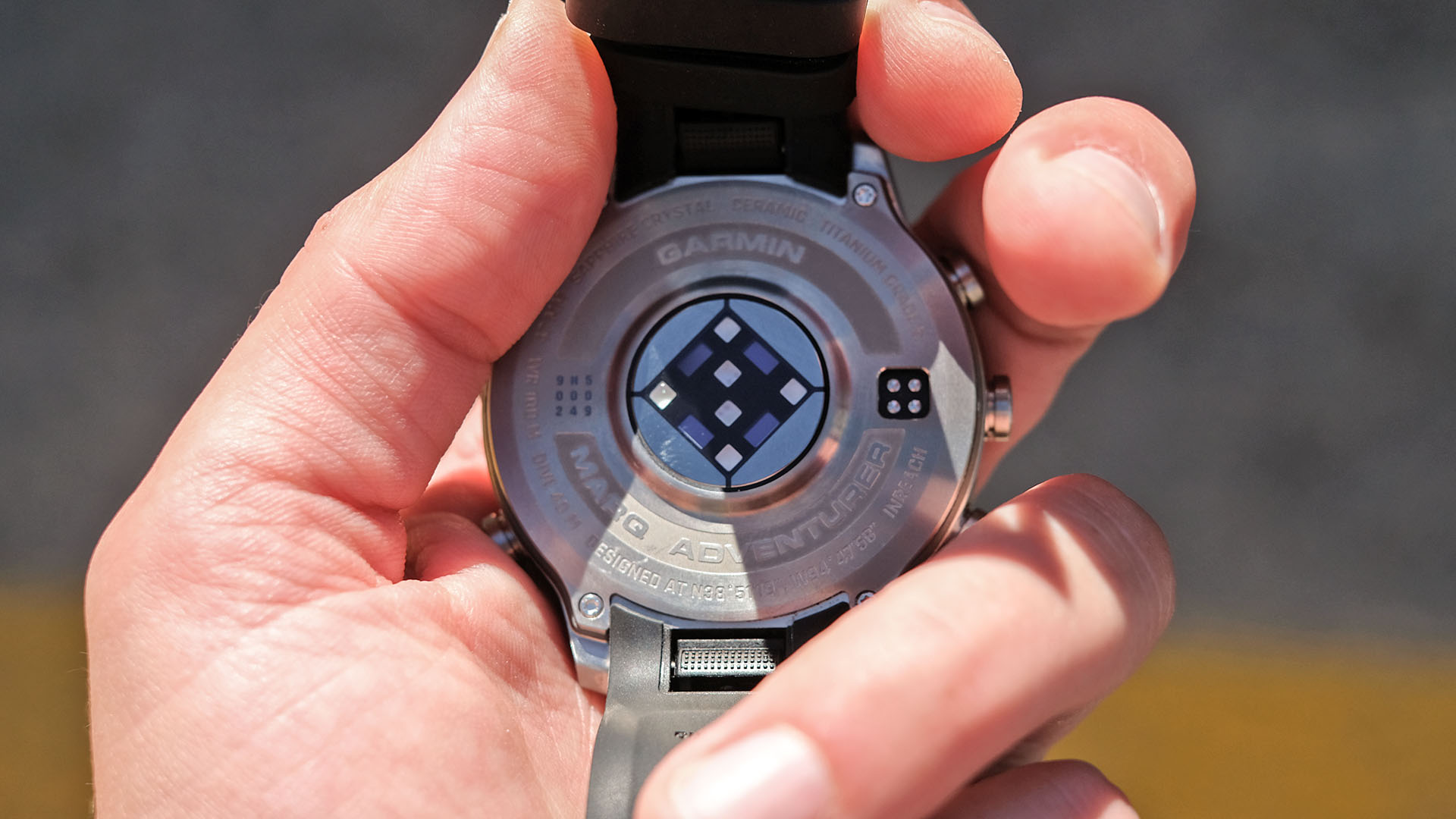
To reconcile the conflicting demands of an all-metal aesthetic, slim profiles, and wireless connectivity, Garmin adopted a specialized manufacturing process known as Nano Molding Technology (NMT).
Todd Register, Garmin Creative Lead for the Outdoor segment, breaks down the core mechanics of the procedure. "The basic idea here is that you are bonding a polymer and a metal together at the nano scale," Register notes.
While the terminology sounds futuristic, the foundational concept mirrors traditional surface preparation techniques, such as applying microscopic texture to a surface to improve paint or adhesive bonding. In the context of NMT, manufacturers treat the interior or specific interface points of the titanium alloy using chemical or physical etching processes. When viewed under high-power magnification—such as 100,000 times zoom—untreated titanium appears microscopically smooth, offering no mechanical grip for binding agents.
Following the nano-etching process, the metal surface exhibits a complex, highly textured topography. When the engineering-grade polymer is injected against the titanium, the plastic flows directly into these microscopic fissures and crevices. This creates an interlocking mechanical bond at the molecular level, entirely bypassing the need for bulky traditional adhesives or thick supplementary gaskets.
The resulting structure achieves a hyper-rigid seal that is thin, lightweight, and watertight, while strategically leaving designated micro-windows open for internal antennas to transmit signals efficiently.
Historical Context and Industry Precedents
Although nano molding technology has found a prominent showcase in contemporary outdoor and luxury smartwatches, the underlying methodology is not entirely new to consumer electronics.
The genesis of NMT application in portable technology dates back to the early 2010s. In 2011, industry analysts and technology publications highlighted early experimentation by mobile manufacturers—most notably HTC during an era of aggressive hardware design innovation. Companies tested NMT to fuse aluminum and plastic chassis components together in smartphones like the HTC Sensation 4G. The goal was identical: achieve the structural rigidity and premium hand-feel of metal unibodies while maintaining necessary pathways for cellular, Wi-Fi, and GPS antennas.
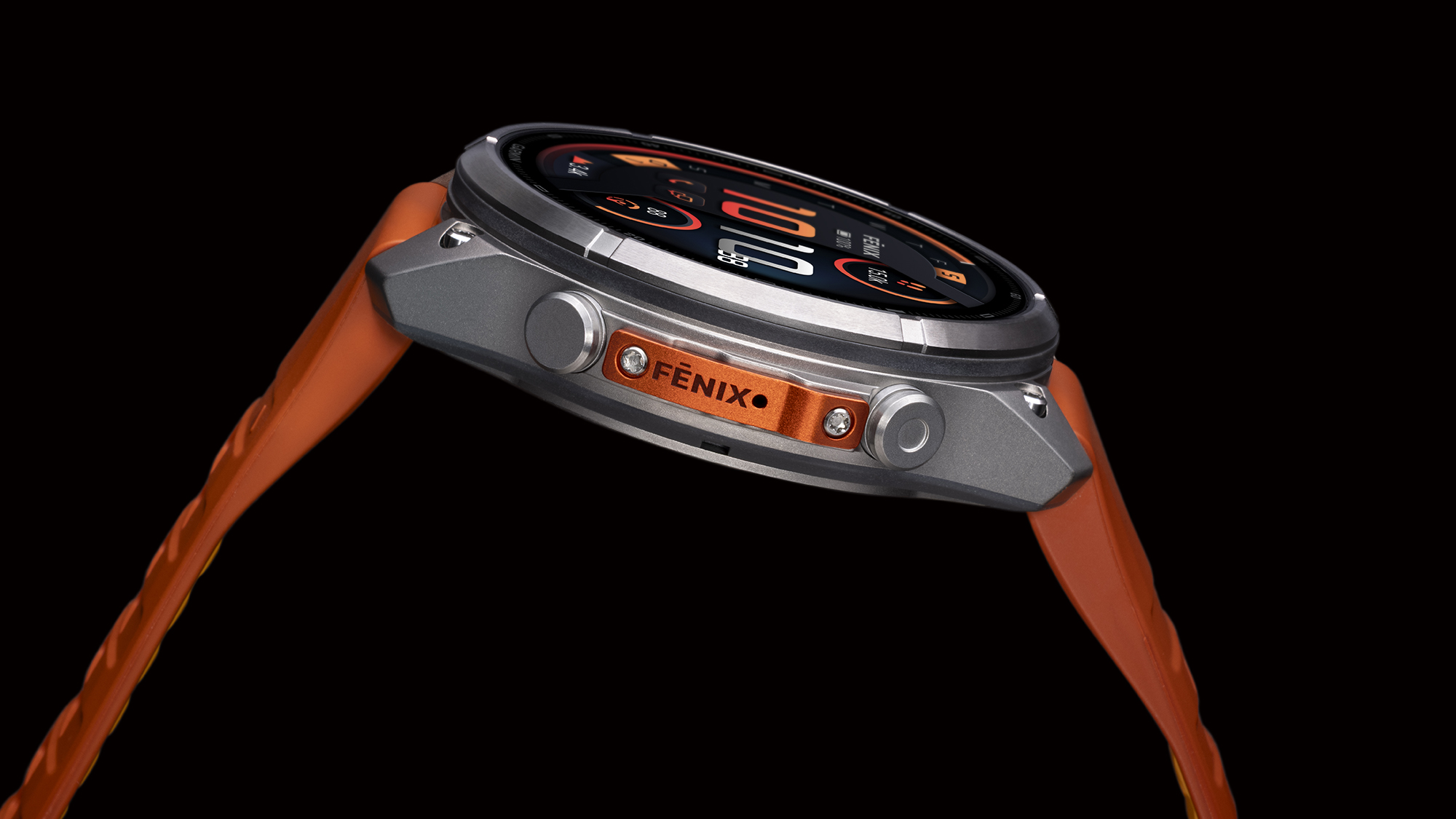
Despite its historical precedent in the smartphone sector, implementing NMT at scale for precision timepieces remains an expensive and complex undertaking. The precision engineering required to etch titanium components at a nanometric scale explains why full-metal or hybrid-integrated metal designs are primarily restricted to top-tier product segments, such as the upper iterations of the Fenix series and the ultra-luxury Marq Generation 3 line.
Market Implications and Future Outlook
The commercial expansion of nano molding technology presents a nuanced financial and operational challenge for manufacturers. As consumer technology brands attempt to migrate advanced manufacturing processes down to mid-tier product families—such as the Garmin Venu lineup—they face the constant pressure of consumer price sensitivity.
Recent generational pricing shifts across the fitness tech market have already tested consumer tolerance. For instance, the Garmin Venu 4 saw a notable retail price increase compared to its predecessor, shifting from $450 to $549.99. Introducing advanced manufacturing processes like NMT to more affordable models could theoretically deliver superior all-metal aesthetics and durability to a broader demographic, but it risks triggering additional price hikes in a competitive macroeconomic environment.
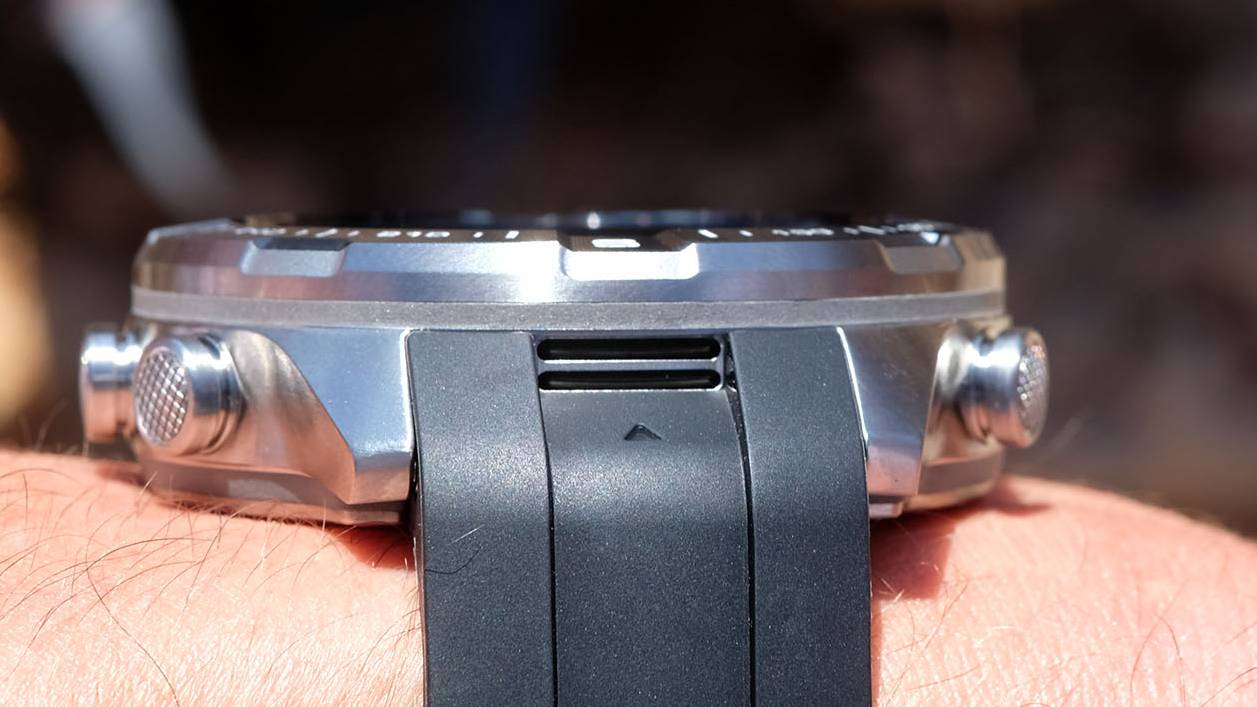
Nevertheless, for elite athletes, deep-sea divers, and outdoor adventurers who invest in high-end instrumentation, the investment yields tangible dividends. Devices built with nano-molded titanium deliver the necessary structural integrity, waterproof ratings, and sensor accuracy without imposing an excessive weight burden on the user’s wrist.
As material science continues to evolve, the intersection of metallurgy and polymer chemistry will likely dictate the next decade of wearable technology development. For now, nano molding stands as a critical bridge over one of the most stubborn engineering barriers in consumer electronics, ensuring that future smartwatches remain both ruggedly connected and remarkably slim.