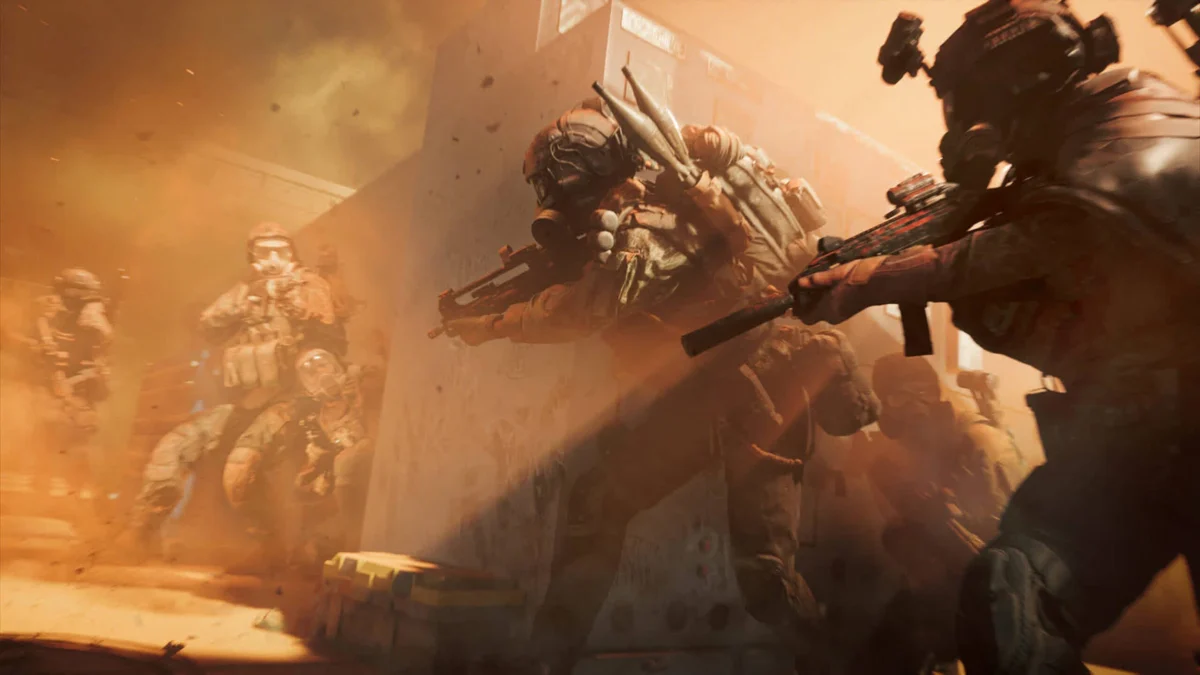
Battlefield Studios has officially pulled back the curtain on its comprehensive 2026 content roadmap for Battlefield 6, outlining an aggressive update schedule that spans three major seasonal drops. Following a lengthy period of anticipation regarding the game’s long-term post-launch support, developers used a newly released developer briefing titled "The Year Ahead" to detail the major additions slated for the multiplayer shooter over the coming months. The detailed rollout plan targets several key community demands, including the return of traditional server browsers, ranked play additions, and a major expansion into naval warfare.
Main Facts and Seasonal Content Overview
The newly unveiled schedule confirms that Battlefield 6 will receive at least three distinct seasons throughout the remainder of 2026, designated as Seasons 3, 4, and 5. Season 3 is scheduled to launch in May, bringing with it a wave of fresh tactical options, highly anticipated map remakes, and competitive modes. Among the headlining additions for Season 3 is the reimagined version of the classic Golmud Railway—now officially titled Railway to Golmud—alongside a modern overhaul of Battlefield 3’s iconic Grand Bazaar, which will be reintroduced as Cairo Bazaar later in the season. Furthermore, the game’s companion battle royale experience, Redsec, is set to receive critical expansions including dedicated solo queues and a fully-fledged ranked competitive playlist.
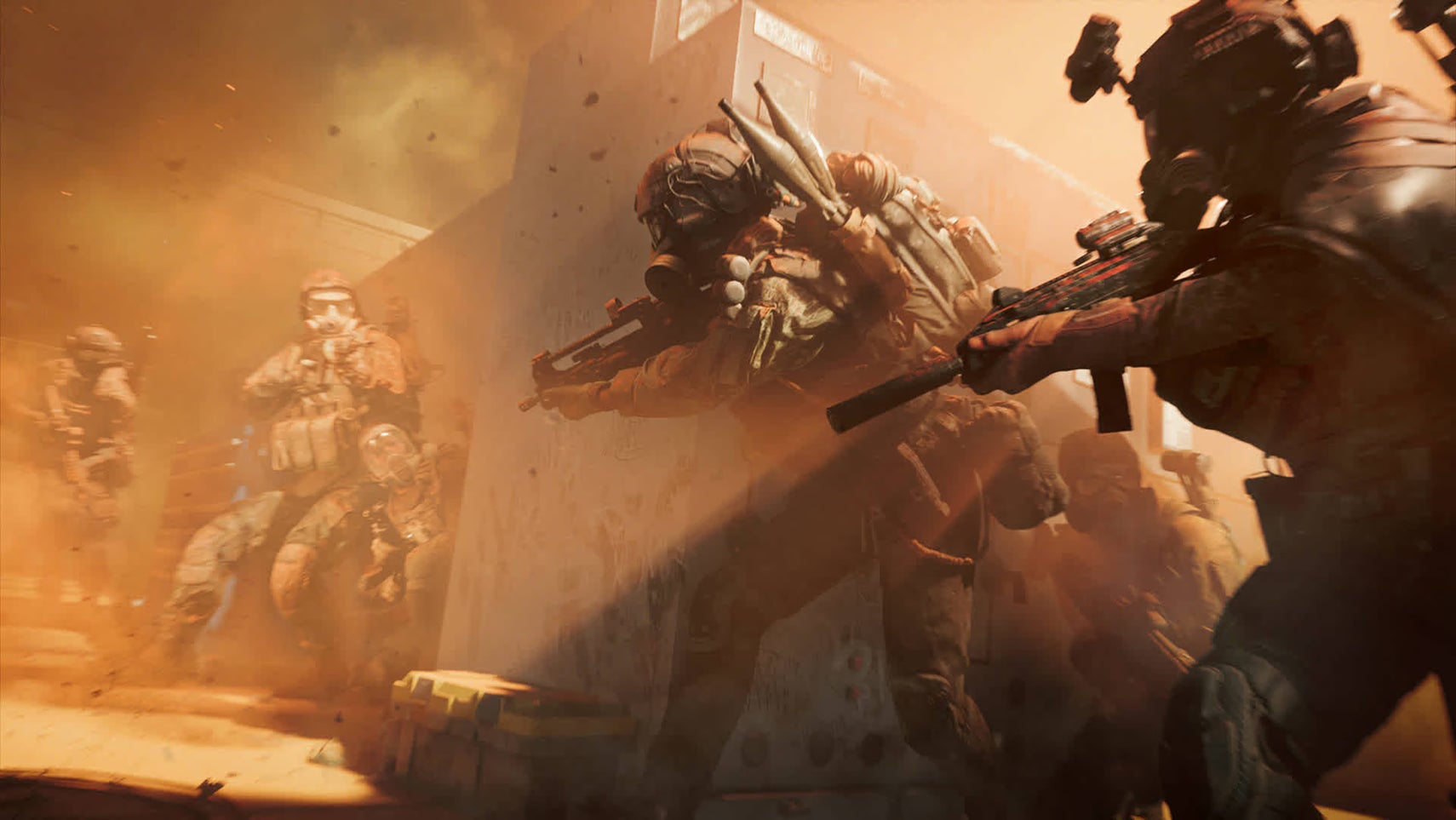
Season 4, slated for a July release, is shaping up to be the most ambitious update in the game’s current lifecycle. This mid-summer drop will officially introduce naval combat to Battlefield 6, marking a significant shift in the title’s tactical sandbox. Naval warfare will be supported by a sophisticated dynamic wave system, operational aircraft carriers featuring functional flight decks, and a fleet of specialized naval vehicles. These maritime mechanics will debut across two distinct maps, highlighted by Tsuru Reef—a Pacific-themed environment reportedly surpassing Golmud as the largest map in the entire game. Season 4 will also see the return of Wake Island, another legendary franchise staple, alongside the introduction of community-requested features such as custom lobbies and a dedicated Spectator Mode.
While specific map details for Season 5 remain heavily guarded by Battlefield Studios, the development team has confirmed that the final planned update of the year will feature a three-map deployment, outpacing the standard two-map cadence of previous seasons.
Chronology and Development Background
The release of the 2026 roadmap arrives after more than four months of relative silence from Battlefield Studios concerning post-launch content timelines. Since the initial rollout of Battlefield 6, the community has routinely voiced a desire for clearer communication regarding the game’s long-term viability and content additions. The pressure on developers to deliver a transparent, structured plan intensified as players exhausted initial launch content and sought assurances that the franchise’s core identity would be preserved in future updates.

Historically, the Battlefield franchise has experienced fluctuating cycles of community reception, making post-launch transparency vital for maintaining player retention. By mapping out a concrete timeline extending well into late 2026, Battlefield Studios aims to reestablish trust and maintain a steady engagement loop. The structured rollout allows the development team to manage expectations while systematically addressing long-standing community feedback regarding gameplay variety, competitive integrity, and server infrastructure.
Addressing Community Demands: Classic Maps and Server Browsers
A prominent discussion point surrounding the newly revealed roadmap is the heavy reliance on classic map remakes. While reimagined environments like Railway to Golmud, Cairo Bazaar, and Wake Island provide a strong sense of nostalgia, the heavy utilization of legacy layouts has drawn scrutiny from segments of the community hoping for entirely original geography. However, studio representatives have emphasized that these remakes undergo extensive redesigns to alter their tactical flow, pacing, and interaction with modern destruction physics, ensuring they offer a distinct experience compared to their original iterations.
Beyond map design, the roadmap directly answers several long-standing community requests regarding game management and community tools. Most notably, 2026 will mark the return of persistent servers and a fully integrated server browser, reminiscent of earlier titles in the franchise. This infrastructure will grant players the ability to host their own custom servers, though specific operational parameters and hosting mechanics have yet to be fully detailed by the studio.

Broader Impact and Strategic Implications
The introduction of naval combat in Season 4 represents a major technical and design milestone for Battlefield 6. Incorporating a dynamic wave system and operational aircraft carriers requires complex physics synchronization and server-side optimization, signaling that Battlefield Studios is willing to invest heavily in expanding the game’s core sandbox. The addition of these large-scale naval mechanics directly caters to veteran players who favor multi-tiered warfare involving land, air, and sea assets simultaneously.
From an industry perspective, the detailed 2026 roadmap reflects a broader trend among live-service tactical shooters to secure player bases through transparent, long-term content commitments. By stabilizing the competitive ecosystem through Redsec ranked modes, satisfying nostalgic desires with classic map overhauls, and modernizing community tools through persistent server browsers, Battlefield Studios is positioning Battlefield 6 for sustained longevity in a crowded multiplayer market.
As the launch window for Season 3 approaches, the development team is expected to release further patch notes and deep-dive developer blogs in the coming days, providing granular details on weapon balancing, specific progression systems, and exact deployment dates.