The gaming industry’s landscape is undergoing a significant shift as major developers diversify their portfolios beyond established successful franchises. At the forefront of this movement is HoYoverse, the studio globally recognized for its monumental success with Genshin Impact and Honkai: Star Rail. During the recent Gamescom event held in Cologne, Germany, the developer unveiled Nodusfall, a project that signals a strategic pivot away from the bright, stylized anime aesthetics that have defined the company’s decade of growth. By embracing a gritty, dark fantasy aesthetic, Nodusfall positions itself as a contender in the competitive co-op action market, challenging the stylistic norms previously associated with the developer’s catalog.
A Departure from Established Aesthetics
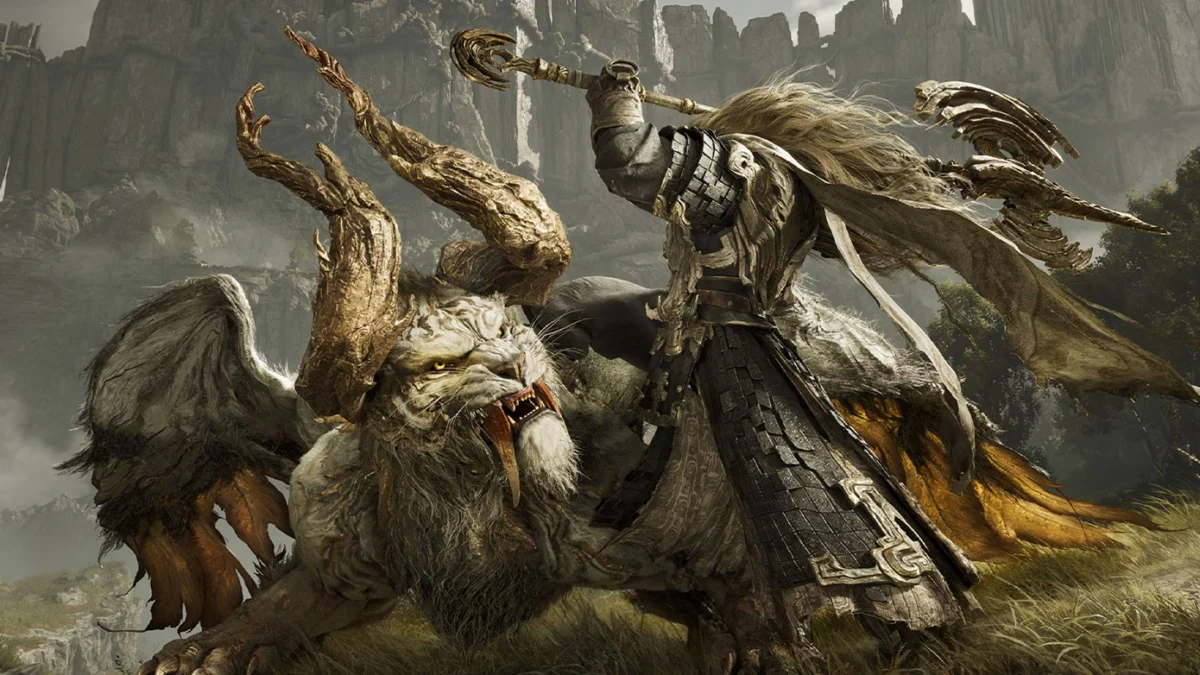
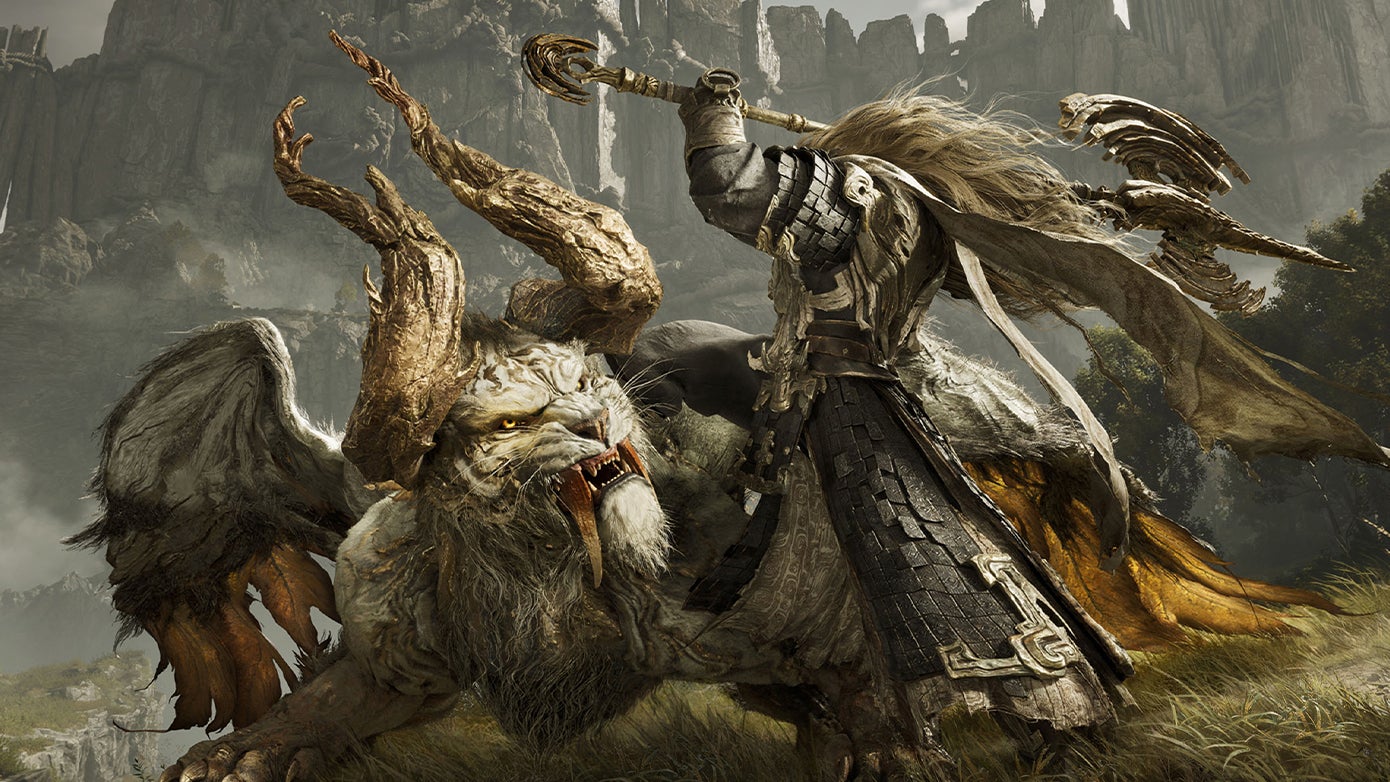
For years, HoYoverse has maintained a consistent visual identity characterized by high-saturation color palettes, whimsical creature designs, and a specific anime-inspired character aesthetic. Nodusfall represents a deliberate stylistic rupture. The title leans heavily into the tropes of dark fantasy: an emphasis on atmospheric, dingy environments, complex magical lore, and an art direction that favors realism over caricature.
Industry analysts have noted that the visual presentation of Nodusfall draws inevitable comparisons to titles such as FromSoftware’s Elden Ring. However, the gameplay mechanics demonstrated at Gamescom suggest that while the aesthetic may be somber, the mechanical execution is distinctly rooted in accessible, team-oriented action rather than the punishing, high-friction difficulty curve typical of the "Souls-like" genre. This distinction is critical, as it suggests that HoYoverse is aiming for a broader market appeal by balancing atmospheric immersion with a more approachable learning curve for players accustomed to traditional MMORPG or action-RPG formats.
Chronology of the Development and Showcase
The unveiling at Gamescom follows a period of quiet internal development. While HoYoverse has historically kept its development cycles under strict embargo, the decision to allow hands-on previews for Nodusfall suggests the project has reached a level of maturity where public feedback is now essential for balancing core gameplay loops.
During the demo session, participants were tasked with navigating two distinct boss encounters, each requiring a four-player squad. This structure highlights the developer’s intent to emphasize cooperative synergy. Historically, HoYoverse titles have leaned heavily into solo-player narrative experiences with optional co-op elements. Nodusfall flips this hierarchy, framing the four-player encounter as the primary mode of engagement.
The demo sessions focused on:
- Character Role Specialization: Players selected from four distinct classes, bifurcated into melee and ranged archetypes. Each class included a support-oriented sub-class to ensure team survivability.
- Combat Rhythm Evaluation: The introduction of specialized abilities tied to cooldowns and stamina management.
- Boss Mechanics Testing: High-intensity encounters featuring multi-stage transitions, intended to test the coordination of a four-person team.
Technical Breakdown: Combat and Mechanics
The combat system in Nodusfall is built around a hybrid model of basic resource generation and high-impact cooldown management. Players engage in standard attacks to fill a "power gauge," which enables the execution of signature moves. This design choice serves as a pacing mechanism, preventing players from spamming high-damage abilities and forcing a more rhythmic approach to combat.

For ranged characters, the integration of utility—such as the "bomb arrow" mechanic that rewards precision by applying debuffs that trigger upon follow-up hits—demonstrates a focus on tactical depth. The inclusion of movement-based abilities, such as dodge-recoil maneuvers that facilitate positioning, further suggests that movement is as essential to success as offensive output. Furthermore, the stamina system is calibrated to be generous, allowing for constant repositioning without the restrictive fatigue that often plagues similar titles.
Mythological Integration and Monster Design
A standout feature of the Nodusfall preview was the enemy design, which synthesizes diverse global mythologies. The Qiongqi, a beast drawn from Chinese folklore, serves as an example of the studio’s commitment to blending traditional mythological entities with original dark fantasy interpretations.
The encounter with the Maldrake—a dragon-like entity that serves as a multi-stage boss—demonstrated the studio’s ambition regarding narrative-driven gameplay. The shift from a terrestrial dragon encounter to a high-speed duel against a "Maldrake Knight" who emerges from the boss’s own anatomy serves as a proof-of-concept for the game’s dynamic encounter design. This transition forces players to adapt their strategies mid-fight, shifting from ranged kiting against a massive, slow-moving beast to agile, close-quarters combat against a fast, aggressive human-sized opponent.
Monetization and Strategic Implications
One of the most pressing questions regarding any title from the developers of Genshin Impact is the monetization model. HoYoverse has historically utilized gacha systems—a form of randomized character and equipment acquisition—that have generated billions in revenue. However, the studio has explicitly stated that Nodusfall will diverge from this path.

According to preliminary statements from the development team, Nodusfall is intended to feature a progression system where characters are unlocked through continuous gameplay and achievement rather than a banner-based gambling system. The studio is currently evaluating cosmetic-only monetization, which would represent a significant shift in their business model. This change suggests that HoYoverse is attempting to mitigate the "pay-to-win" stigma often associated with mobile-first developers, aiming instead for long-term player retention through gameplay satisfaction and engagement.
Broader Industry Impact
The move toward Nodusfall carries implications for the broader gaming market. As the saturation of the anime-style action market increases, major players are seeking ways to capture audiences that prefer a darker, more traditional fantasy aesthetic.
By utilizing its substantial resources to build a high-fidelity co-op title, HoYoverse is positioning itself to compete not just with other mobile-focused studios, but with established Western and Japanese developers of console and PC-focused action RPGs. The success of this title will likely depend on three factors:
- The "Stickiness" of Solo Play: While the demo focused on group play, the long-term viability of the game will likely depend on how well the experience translates for solo players.
- Server Stability and Co-op Netcode: Given the emphasis on synchronized boss mechanics, the technical performance of the game’s multiplayer infrastructure will be under heavy scrutiny.
- Content Cadence: Maintaining interest in a co-op action game requires a consistent rollout of new encounters and mechanics, a challenge the studio is well-versed in but will need to adapt to a new genre.
Future Outlook
As Nodusfall moves through its development lifecycle, the gaming community will be observing how the studio balances its new, darker direction with the high-production values that have become its hallmark. The transition to a model that de-emphasizes the gacha banner system is a bold move that could either alienate the studio’s core base or attract a massive new demographic of players who previously avoided HoYoverse titles.

With a scheduled progression of testing throughout the coming year, the focus will now turn to whether the studio can refine the unpredictability and mechanical depth displayed in the Maldrake encounter into a sustainable, long-term experience. For now, Nodusfall stands as a promising experiment—a testament to a developer willing to leave its comfort zone in search of a new, more mature identity. The industry will undoubtedly be watching closely as this dark fantasy project approaches its eventual release, marking a potential new chapter for one of the most influential entities in modern gaming.