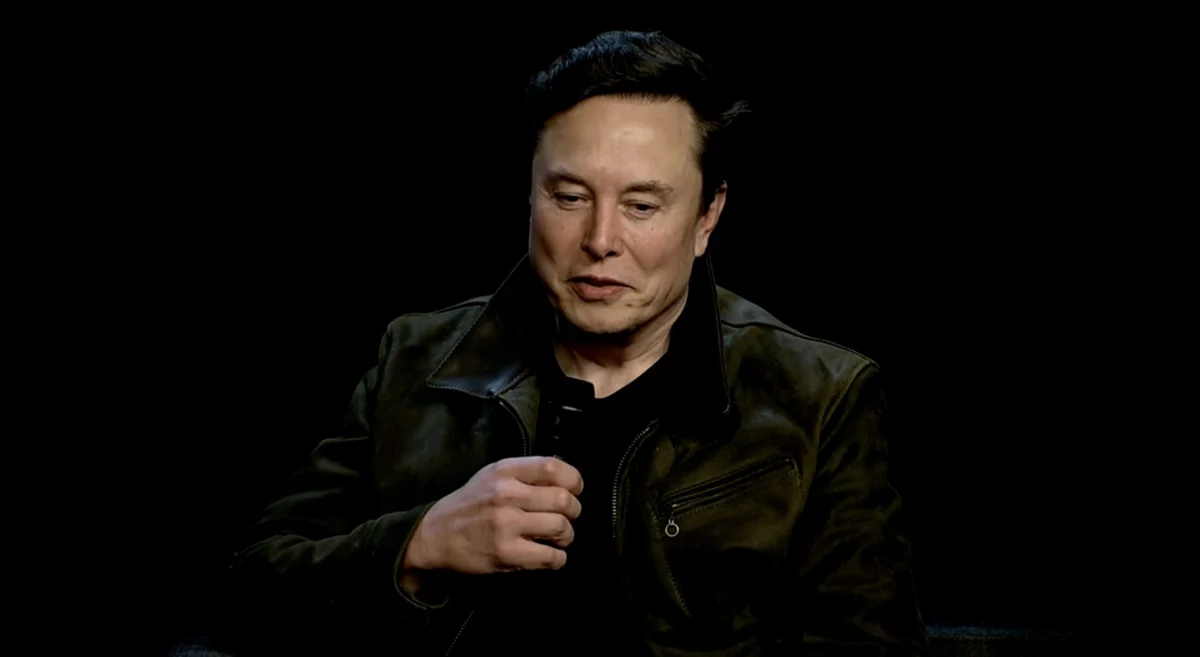
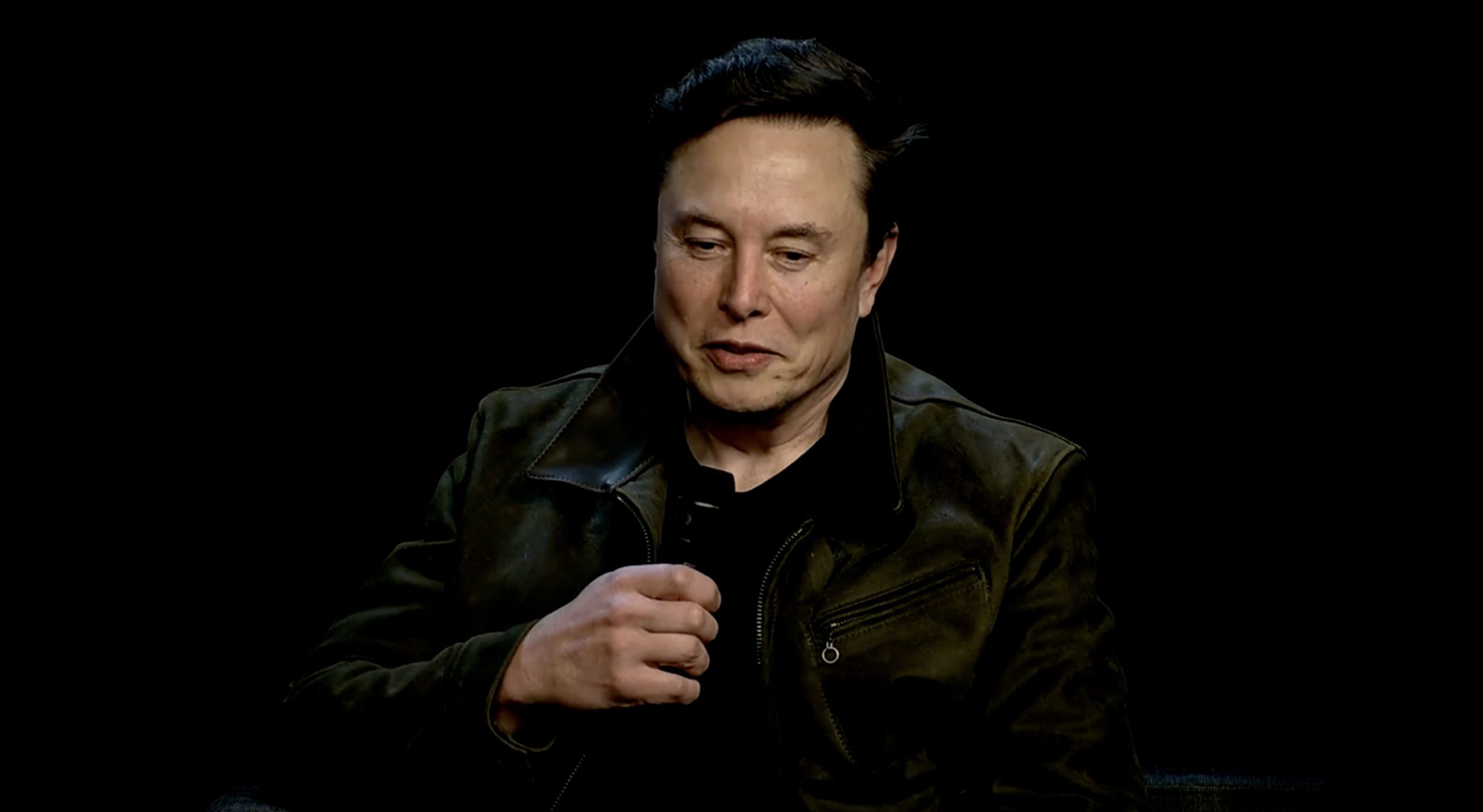
The corporate boundaries separating Elon Musk’s high-profile technological empire may soon dissolve entirely, following the billionaire’s most explicit comments to date regarding a potential merger between electric vehicle pioneer Tesla and aerospace manufacturer SpaceX. Speaking at the All-In Summit in Los Angeles, Musk addressed the mounting speculation surrounding a prospective corporate unification, pointing to an increasingly intricate web of engineering collaborations, shared supply chains, and personnel integrations as logical precursors to a structural consolidation.
The remarks, initially brought to light by prominent tech commentator Sawyer Merritt on X, have dramatically amplified discussions on Wall Street. For months, financial institutions have increasingly scrutinized the deep operational intersections between Musk’s various enterprises. While Musk stopped short of announcing a definitive timetable or binding corporate action, his unwillingness to dismiss the prospect—contrasting sharply with his historical outright denials of such maneuvers—has signaled a profound shift in strategic direction.
Accelerating Integration Across the Musk Ecosystem
The foundation for a potential Tesla-SpaceX tie-up rests upon years of accelerating cross-company collaboration. During the All-In Summit panel appearance, SpaceX President Gwynne Shotwell joined Musk on stage to offer candid insights into the current velocity of organizational integration. Shotwell noted that technical personnel from SpaceX have already been seamlessly redeployed into xAI to bridge critical engineering and leadership gaps. She characterized the ongoing corporate blending as occurring "faster than I thought," while clarifying that full integration remains an ongoing process rather than an accomplished reality.
This operational synergy extends far beyond human capital. Tesla and SpaceX are currently co-developing critical infrastructure, most notably the Terafab chip-manufacturing facility in Austin, Texas. Designed to support advanced artificial intelligence computing demands for Tesla’s autonomous driving software alongside satellite communications infrastructure for SpaceX, the facility represents a tangible physical manifestation of shared technological goals. Furthermore, Tesla maintains an equity stake in SpaceX, a legacy of earlier financial maneuvers that transitioned through xAI investments.
Wall Street analysts have increasingly formalized these observations into macroeconomic and valuation models. Investment banking firm JPMorgan recently characterized a potential merger as "strategically coherent on paper," citing overlapping ambitions across autonomous artificial intelligence, humanoid robotics, global energy grids, sustainable transportation, and orbital rocketry. Meanwhile, financial services firm Jefferies published estimates suggesting that Musk could retain approximately 55.3 percent voting control under a transaction structured without a premium, preserving long-term strategic direction while delivering immediate structural value to public Tesla shareholders. Prediction markets have similarly registered the shifting landscape, with traders on Kalshi pricing the probability of a formal corporate merger prior to 2028 at roughly 66 percent.
A History of Speculation and Market Reactions
Rumors regarding a merger between the world’s leading electric vehicle maker and its most prominent private aerospace contractor are not entirely new. Prominent market figures have repeatedly floated similar timelines. Wedbush Securities analyst Dan Ives has consistently maintained a 2027 window for a potential structural combination, while Cathie Wood’s ARK Invest has frequently published comprehensive valuation models exploring the synergies of an integrated Tesla-SpaceX entity. When previous iterations of these predictions surfaced, Musk routinely pushed back, dismissing immediate structural alterations.
However, the tone at the All-In Summit reflected a maturing corporate ecosystem where the distinctions between public and private holdings have grown increasingly blurred. Financial markets have reacted cautiously yet attentively to the evolving narrative. Following the summit appearance, equity shares for both Tesla and SpaceX experienced minor fluctuations, yet overall sentiment reflects a market attempting to price in the unprecedented complexities of merging a publicly traded automotive and energy giant with a privately held aerospace behemoth valued in the hundreds of billions of dollars.
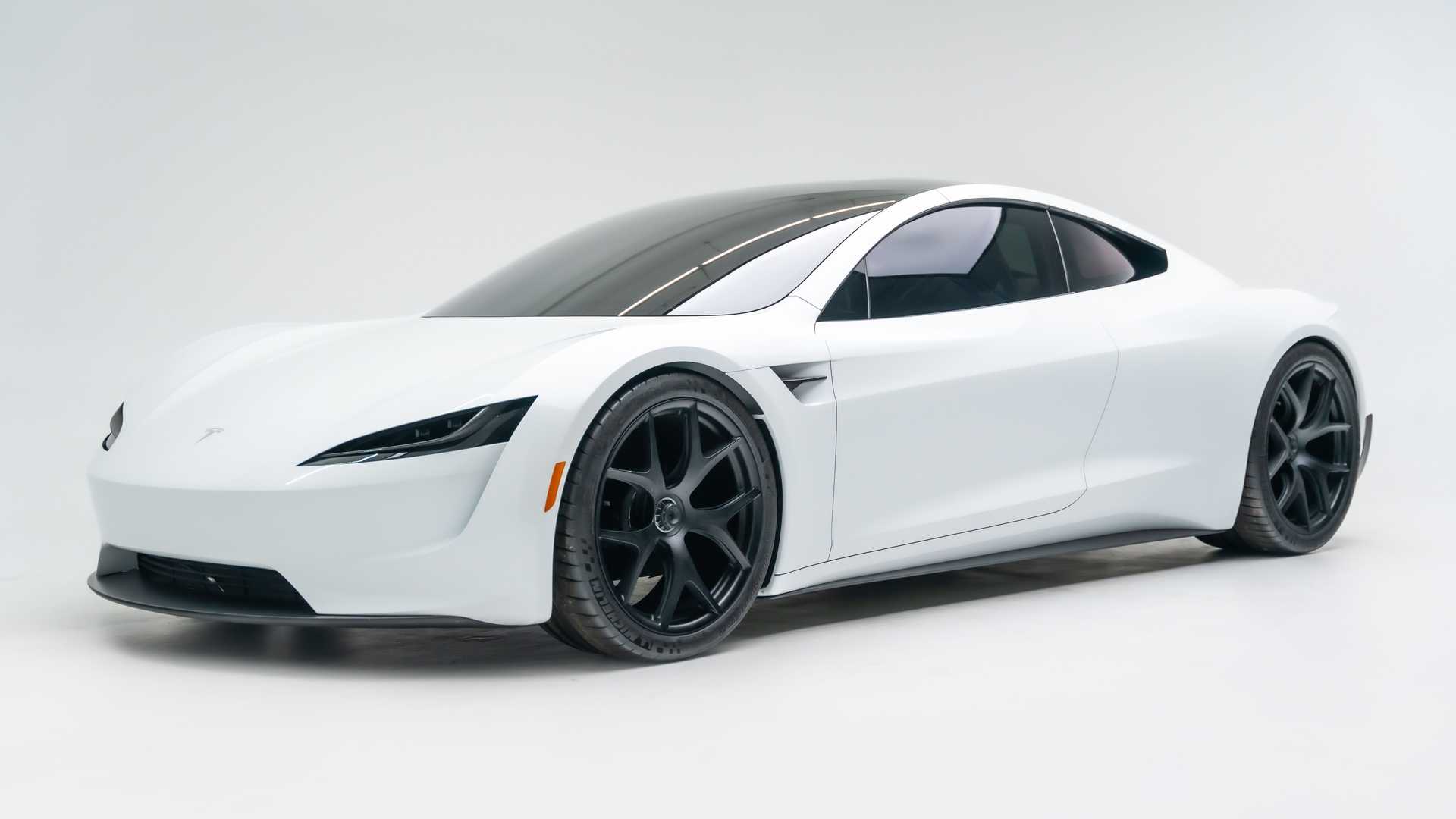
The timing of Musk’s remarks coincides with a dense operational calendar for the broader corporate portfolio. Tesla has officially scheduled an October 1 unveiling for its long-awaited next-generation Roadster. The high-performance vehicle event is set to take place near SpaceX’s McGregor, Texas development and testing facility, utilizing promotional messaging centered around the phrase "Go for launch."

The Evolution of the Tesla Roadster and Inter-Company Synergies
The impending Roadster debut serves as a prime example of the cross-pollination occurring between Musk’s ventures. Initially announced in 2017, the production timeline of the all-electric supercar has faced repeated delays as Tesla prioritized higher-volume product lines, scaled its global manufacturing footprint, and poured immense capital into artificial intelligence and unsupervised full self-driving technology.
Despite the prolonged development cycle, expectations for the vehicle remain remarkably high, fueled by Musk’s own hyperbolic descriptions. In previous public appearances, including a podcast interview on the Joe Rogan Experience, Musk suggested the vehicle would represent an unforgettable technological milestone. He went as far as claiming that the next-generation Roadster would incorporate aerospace-grade technology, asserting that combining features inspired by legendary fictional cinematic vehicles would result in an engineering achievement "crazier than that."
The utilization of SpaceX engineering principles within the automotive sector has long been rumored for the high-end sports car, specifically through a hypothetical "SpaceX package" featuring cold-gas thrusters designed to dramatically enhance acceleration, braking, and cornering capabilities. Such cross-industry technology sharing highlights why analysts view the corporate boundaries separating the companies as increasingly artificial.

Broader Corporate Maneuvers: The Boring Company and Legal Battles
While the Tesla-SpaceX discourse dominates macroeconomic sentiment, Musk’s broader entrepreneurial network continues to scale aggressively across multiple sectors. The Boring Company recently announced ambitious infrastructure targets for its underground transit system in Las Vegas. Company executives confirmed plans to double the operational station count of the Vegas Loop by the end of the year, backed by an urgent hiring push for drivers and senior operations managers.
The expansion plan aligns with ongoing civil engineering progress beneath the desert city. A critical two-mile dual-tunnel system running beneath Paradise Road, connecting the Westgate Las Vegas to newly developed commercial zones, is slated to open in incremental phases. According to Las Vegas Convention and Visitors Authority CEO Steve Hill, upcoming stations near major hospitality hubs and transportation arteries are designed to streamline passenger flow ahead of major international tourism events, such as the Formula 1 Las Vegas Grand Prix. With Clark County having previously approved entitlements for a sprawling network spanning over 120 stations across dozens of miles, the infrastructure venture is transitioning from localized demonstration project to municipal transit backbone.
Simultaneously, legal and strategic repositioning has marked Musk’s artificial intelligence initiatives. X Corp and SpaceXAI recently filed legal documentation in the U.S. District Court for the Northern District of Texas moving to dismiss Apple from a high-profile antitrust lawsuit initially filed the previous year. The original complaint accused Apple and OpenAI of maintaining an anti-competitive ecosystem by embedding ChatGPT deeply into the iOS operating system while allegedly marginalizing alternative AI models like xAI’s Grok.

While the litigation involving Apple has been voluntarily dropped without public disclosure of a formal settlement, the antitrust lawsuit against OpenAI remains vigorously active. The legal pivot arrives during a period of shifting diplomatic engagement between Musk’s ventures and consumer electronics giants, underscored by public discussions regarding potential integrations of Grok into operating system architectures.
Implications of a Unified Corporate Horizon
A potential merger between Tesla and SpaceX would establish an unprecedented corporate colossus, unifying sustainable energy generation, global transportation, artificial intelligence, humanoid robotics, satellite communications, and interplanetary rocketry under a single organizational umbrella.
From a strategic standpoint, such a unification would create an unparalleled internal supply chain. Silicon design developed at Tesla could power orbital satellites and autonomous vehicles alike; energy storage breakthroughs pioneered for terrestrial residential and utility applications could sustain lunar and Martian habitats; and advanced materials engineering forged in the crucible of rocket science could redefine automotive structural integrity.
Nevertheless, significant regulatory, governance, and financial hurdles remain. Merging a publicly traded entity subject to stringent SEC oversight with a privately held defense contractor presents immense structural complexity, valuation challenges, and potential resistance from minority shareholders.
For now, Musk has refrained from committing to a definitive corporate restructuring, maintaining his characteristic ambiguity. Yet, as engineering teams increasingly collaborate across corporate lines, shared facilities rise in Austin, and executive leadership acknowledges a rapid pace of integration, the hypothetical merger of Tesla and SpaceX has transformed from a speculative thought experiment into one of the most compelling structural possibilities in modern corporate history.