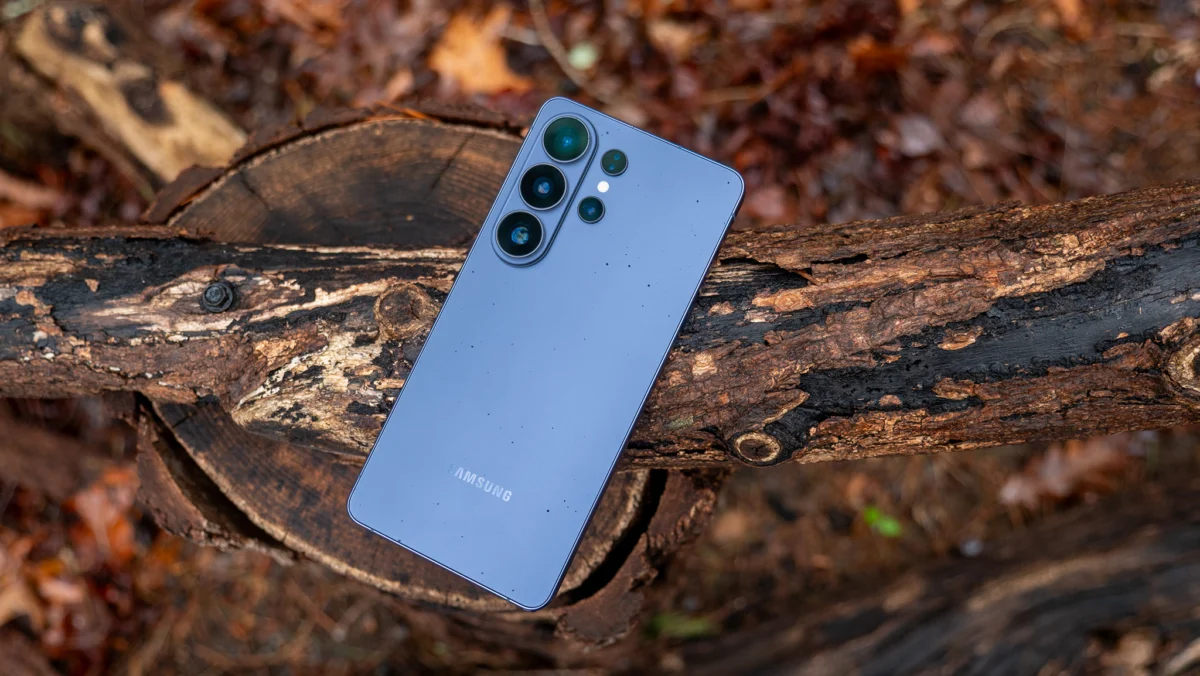
Following a bustling Galaxy Unpacked event that introduced Samsung’s latest foldable innovations, industry whispers are now intensifying around the company’s next-generation flagship smartphones, the Galaxy S27 series. Emerging reports suggest that Samsung is contemplating substantial overhauls in critical areas, including camera technology and battery composition, for its forthcoming S27 and S27 Plus models, potentially signaling a strategic pivot in its component sourcing and engineering direction.
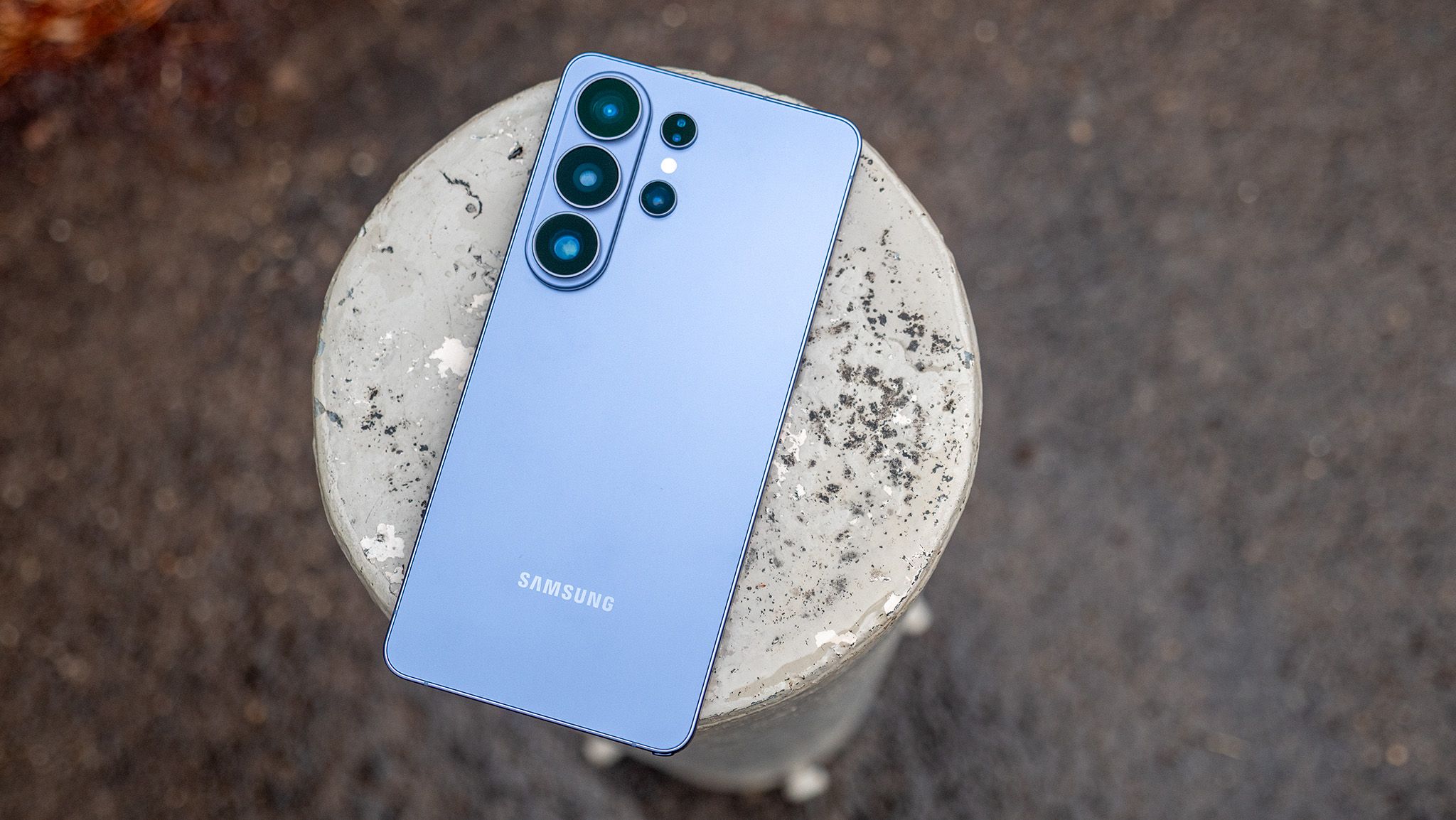
The most striking of these rumors, first reported by Dutch publication Galaxy Club and subsequently picked up by GSMArena, indicates that Samsung might be exploring a departure from its proprietary ISOCELL camera sensors for the primary camera of the Galaxy S27 and S27 Plus. Instead, the company is reportedly testing 50-megapixel camera sensors supplied by Sony, a long-standing rival and a dominant force in the global image sensor market. This potential shift marks a significant development, as Samsung has typically reserved Sony sensors for specific markets or certain lens configurations, while its in-house Exynos processors and ISOCELL sensors have often been core components in its flagships, particularly in regions like Korea and Europe. The report, citing an undisclosed source, emphasizes that these are early tests and that the integration of Sony’s 50MP sensor is contingent on successful evaluation and finalization.
Historically, Samsung has leveraged a dual-sourcing strategy for many of its components, including camera sensors and chipsets. While ISOCELL sensors have seen considerable advancements, particularly in high-megapixel counts, Sony’s Exmor series sensors have consistently been lauded for their image quality, low-light performance, and advanced autofocus capabilities. A move to Sony for the main sensor in the S27 and S27 Plus could be interpreted as Samsung’s intent to further elevate the photographic capabilities of its core flagship models, potentially aiming for a more universally acclaimed camera performance that leverages Sony’s proven track record in sensor technology. This decision, if confirmed, could also be a response to increasing competition from rivals like Apple and Google, which have consistently delivered strong camera performance, often relying on a combination of advanced hardware and sophisticated computational photography.
Beyond camera advancements, the rumor mill is also buzzing with news regarding battery technology for the Galaxy S27 series. Prominent tipster Lanzuk, writing on the Korean platform Naver, suggests that Samsung is actively testing silicon-carbon battery technology for its upcoming phones. This is a particularly noteworthy development, as silicon-carbon composites promise significantly higher energy density compared to traditional graphite anodes, allowing for greater capacity within the same physical volume or a smaller battery for the same capacity. Lanzuk’s report, however, notes that while the technology is undergoing "application testing," the battery capacity has not reportedly increased in these early stages. This could imply that Samsung is prioritizing other benefits, such as a slimmer device profile or improved longevity, or that the technology is still in its nascent phases for mass production in the S27 series. The tipster wisely cautions that "nothing is finalized" at this early juncture, indicating the fluid nature of product development.
The adoption of silicon-carbon batteries would represent a significant step for Samsung in addressing a persistent challenge: battery life. While Samsung’s recent foldable devices, such as the Galaxy Z Fold 6 and Z Flip 6 (or their predecessors, depending on the Unpacked mentioned in the source), have reportedly incorporated this new battery tech, they still often lag behind competitors in terms of raw capacity and endurance. Chinese manufacturers, including Honor, Huawei, and Xiaomi, have been aggressive in integrating advanced battery chemistries and rapid charging technologies, often offering significantly larger battery capacities and faster charging speeds in their flagship devices. Samsung’s move towards silicon-carbon could be a strategic effort to bridge this gap, enhancing the user experience by delivering longer usage times or enabling faster charging without compromising device design.
The potential for such advanced battery tech to be integrated into the mainstream S27 series underscores a broader industry trend towards innovation in power solutions. As smartphone processors become more powerful and displays more vibrant, the demand for efficient and high-capacity batteries intensifies. Silicon-carbon materials offer a pathway to meet these demands, but they also present manufacturing complexities and cost challenges. Samsung’s investment in testing this technology suggests a long-term commitment to improving battery performance across its device portfolio, moving beyond incremental improvements in traditional lithium-ion formulations.
Further enriching the speculative landscape for the S27 series are persistent whispers about an expansion of the lineup itself. Previous reports have hinted at the possibility of Samsung introducing a fourth model, potentially dubbed the "Galaxy S27 Pro." This "mini-Ultra," as some have called it, would conceivably slot in between the traditional Plus and Ultra variants, offering a premium experience with advanced camera capabilities that draw closer to the Ultra, but perhaps at a more accessible price point. The S27 Pro is rumored to feature "entirely new sensors" for its camera array, distinct from both the Sony sensors speculated for the S27/S27 Plus and the rumored ISOCELL HP6 200MP sensor for the S27 Ultra. This strategy, if actualized, would allow Samsung to segment its premium market more finely, catering to a broader range of consumer preferences and price sensitivities, while also potentially introducing experimental camera technologies on a new tier.
The S27 Ultra, the undisputed top-tier model, is expected to continue its legacy of pushing photographic boundaries. Rumors specifically regarding the S27 Ultra suggest it might sport an ISOCELL HP6 sensor, an "upgrade" that would still maintain a 200-megapixel resolution. While the megapixel count remains consistent, an updated sensor often implies improvements in pixel architecture, light gathering capabilities, and overall image processing, leading to superior detail, dynamic range, and low-light performance. This would allow Samsung to continue differentiating its Ultra model with extreme resolution while potentially experimenting with Sony sensors on its lower-tier flagships.
This constellation of rumors paints a picture of a Samsung grappling with a highly competitive market and actively seeking ways to innovate and differentiate its products. The strategic implications of these potential changes are far-reaching. A shift to Sony sensors for the main camera in the S27 and S27 Plus could signal a pragmatic decision to prioritize best-in-class components, even if they are not in-house. This could enhance Samsung’s reputation for camera excellence, a key battleground in the premium smartphone segment. However, it might also raise questions about the long-term viability and competitiveness of Samsung’s own ISOCELL division, unless the latter is focused on specific niche applications or continues to supply the Ultra models.
Similarly, the adoption of silicon-carbon batteries, even without an immediate capacity increase, represents a forward-looking investment. It positions Samsung to eventually offer significantly better battery life or more compact designs, allowing it to compete more effectively with rivals that have already made strides in this area. The current testing phase, with capacity remaining flat, suggests that Samsung might be prioritizing reliability, safety, and integration challenges before pushing for maximum capacity gains.
From a broader industry perspective, these developments underscore the relentless pace of innovation in the smartphone market. Camera technology continues to evolve rapidly, with sensor size, pixel technology, and computational photography algorithms all playing crucial roles. Battery technology, often seen as a bottleneck, is also undergoing a quiet revolution, with new chemistries and packaging techniques promising longer endurance and faster charging. Samsung, as a leading player, is at the forefront of these shifts, constantly evaluating and integrating new technologies to maintain its competitive edge.
While these rumors provide an exciting glimpse into the future of the Galaxy S series, it is crucial to reiterate that all such information remains unconfirmed. Samsung traditionally maintains a policy of not commenting on unreleased products, and the development cycle for flagship smartphones is long and complex, with specifications and features often changing significantly before final production. The timeline for the S27 series would typically involve a launch in early 2025, meaning that the current stage of development is still relatively early, allowing for considerable flexibility and alteration. Industry analysts, if asked, would likely interpret these leaks as Samsung’s continuous efforts to stay ahead, to respond to market trends, and to address consumer demands for better cameras and longer-lasting batteries. The potential for a "Pro" model also highlights Samsung’s strategic intent to capture a wider segment of the premium market, mimicking strategies seen in other tech giants.
In conclusion, the emerging details surrounding the Samsung Galaxy S27 series suggest a period of significant experimentation and potential transformation for the company’s flagship lineup. From a possible pivot to Sony for primary camera sensors in its core models to the integration of advanced silicon-carbon battery technology and the potential expansion of the series with a "Pro" variant, Samsung appears to be laying the groundwork for a truly next-generation smartphone experience. While these remain rumors for now, they collectively indicate a determined effort by Samsung to innovate, compete, and redefine what consumers can expect from its premium Galaxy S devices in the coming years. The success of these initiatives will hinge on the efficacy of ongoing tests, the feasibility of mass production, and Samsung’s ability to seamlessly integrate these cutting-edge components into a cohesive and compelling user experience.