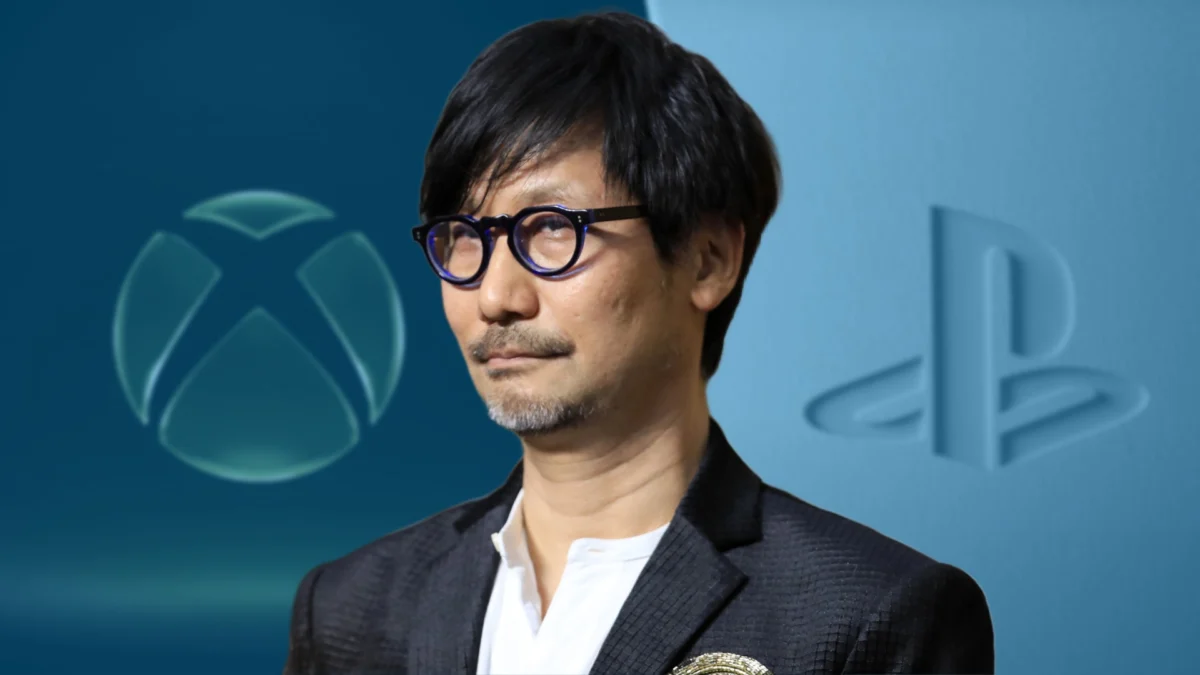
The landscape of the modern video game industry underwent a significant shift last week when it was confirmed that Sony Interactive Entertainment had stepped away from its role as the publisher for Physint, the highly anticipated "action espionage" project helmed by legendary developer Hideo Kojima. This development, which saw Microsoft’s Xbox division rapidly step in to assume publishing responsibilities, has ignited widespread discourse regarding the stability of high-budget gaming productions and the evolving nature of platform exclusivity in an era of tightening corporate belts.
The transition, while now formalized with a new partnership, represents a rare public friction point in what has been a decades-long, storied relationship between the visionary auteur and the PlayStation brand. For Hideo Kojima, whose career is inextricably linked to the success of the PlayStation console ecosystem, the abrupt cessation of Sony’s funding was a moment of profound professional turbulence.
A Departure from Tradition: The Timeline of the Split
The history between Hideo Kojima and Sony spans over 30 years, rooted in the foundational success of the Metal Gear franchise on the original PlayStation. Given this deep-seated history, the decision by Sony to withdraw support for Physint was not merely a business transaction; it was a pivot that caught even the developer off-guard.
According to statements made by Kojima in a recent interview with IGN, the meeting in which Sony communicated their decision to withdraw funding was marked by a sense of confusion and disbelief. Kojima admitted that his memory of the specific details of that meeting remains hazy, a psychological response to the sudden realization that a long-term partner was walking away.
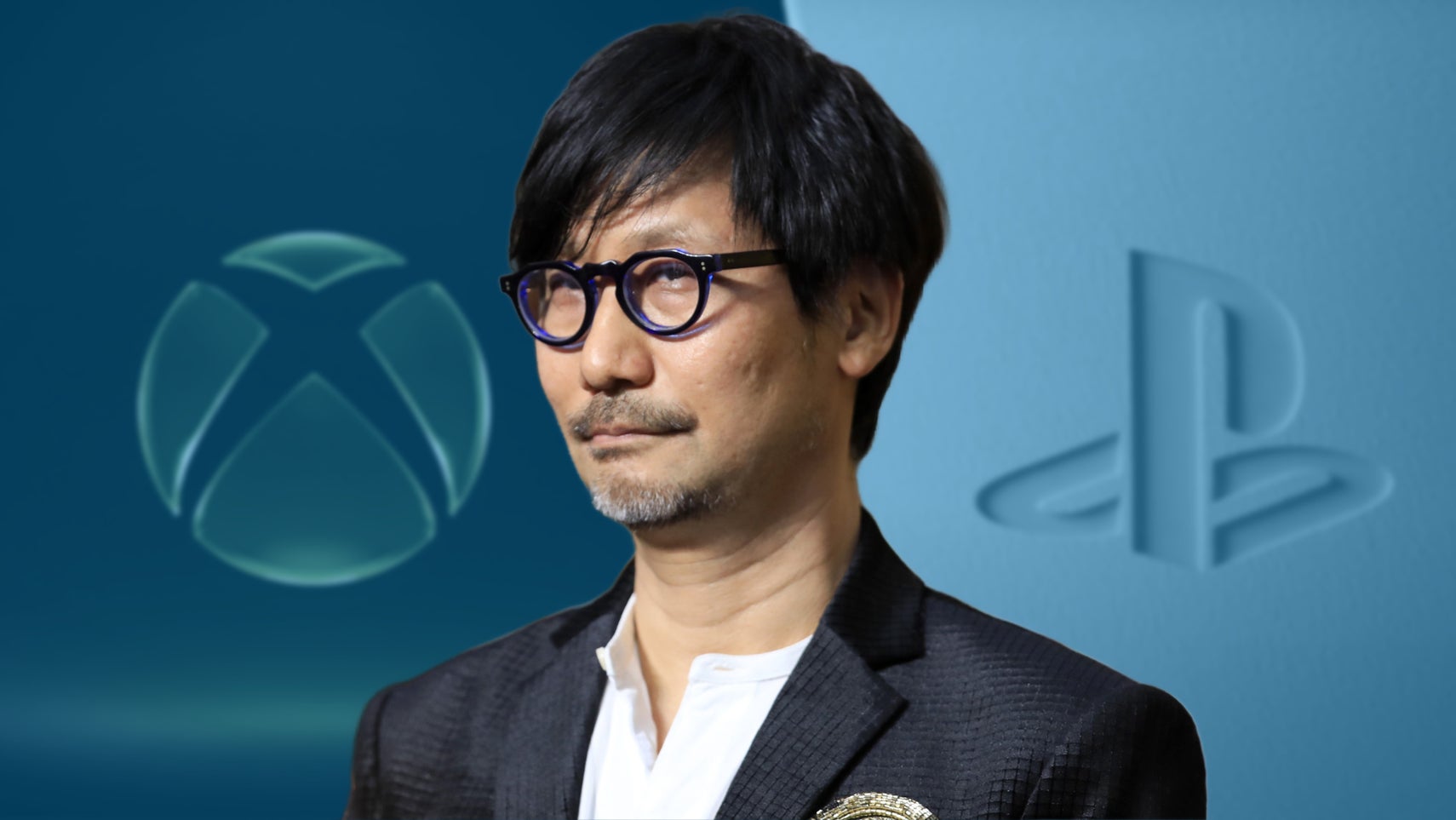
"I don’t remember so much of that meeting, to be honest with you," Kojima noted. "And my colleagues probably don’t remember as well. Nothing could’ve prepared me for their decision to step away from the project."
For a studio celebrating its 10th anniversary—Kojima Productions having spun off as an independent entity following Kojima’s departure from Konami in 2015—the news posed an existential question. At the time of the announcement, the industry was already reeling from a series of mass layoffs and studio closures across major publishers, including Electronic Arts, Sony, and Microsoft. Despite these broader market trends, Kojima had operated under the assumption that Physint was a secure, prioritized asset.
The Financial and Strategic Rationale
While Sony has remained largely silent on the specific motivations behind their decision to step away, industry analysts point to a confluence of factors, including ballooning development budgets and shifting expectations regarding exclusive content. Physint was positioned as a spiritual successor to the cinematic, espionage-heavy gameplay that made Kojima a household name. However, the costs associated with producing AAA "blockbuster" titles have risen exponentially over the last five years, with many top-tier games now requiring budgets exceeding $200 million and development cycles stretching into five-to-seven-year windows.
Reports following the split suggested that Sony had expressed concerns over the project’s long-term profitability and the strategic necessity of maintaining absolute exclusivity in a market that is increasingly leaning toward cross-platform availability. For Sony, the math of funding such an ambitious project—while simultaneously managing a portfolio of live-service games and internal PlayStation Studios productions—likely became untenable.
Xbox Steps In: A New Strategic Alliance
The vacuum left by Sony’s withdrawal was quickly filled by Microsoft’s Xbox division. This partnership is not entirely novel; Kojima Productions had already been collaborating with Xbox on OD, an experimental horror project. This existing infrastructure allowed for a rapid pivot.

Kojima described the pitch process to Xbox as an exhilarating moment of validation. "I approached Xbox and they were great. They could support us technically. We already had a connection [through OD]. I made a proper pitch of Physint to them. And then their first reaction was like, ‘This pitch was fantastic. Never seen a pitch like this!’"
For Xbox, securing Physint is a significant strategic win. By positioning themselves as a creative haven for developers who may find themselves at odds with other platform holders’ fiscal requirements, Microsoft is actively diversifying its portfolio. An official spokesperson for Xbox stated, "Betting on Kojima-san is an easy call. We believe in his team’s ability to build triple-A games with groundbreaking, new IP."
Kojima Productions Issues Reassurance
In the wake of speculation regarding the studio’s financial health and the nature of the split, Kojima Productions released an official statement to address what they termed "aspersions" regarding their standing in the industry. The studio sought to clarify that the rumors of financial instability were unsubstantiated.
"None of the claims written came from any official or on-the-record source," the statement read. "We want to reassure you all, for the record: that the studio is in a healthy, profitable state, development for Physint continues to move forward with Xbox, and our relationship with PlayStation remains strong."
The statement serves as a vital piece of corporate communication, aimed at calming investors, potential talent, and the global fanbase. By characterizing the situation as a business pivot rather than a systemic failure, the studio aims to maintain its reputation as a premier destination for high-end creative work.

Broader Industry Implications
The transition of Physint from a Sony-funded project to an Xbox-published title highlights several critical trends currently shaping the gaming industry:
- The End of Blind Exclusivity: Platform holders are increasingly scrutinizing the "exclusivity at any cost" model. As the cost of development rises, the pressure to recoup investments through a wider audience base is becoming the dominant factor in contract negotiations.
- Publisher Agility: The speed at which Kojima Productions secured a new partner indicates that top-tier creative talent remains in high demand. Even when a major platform partner exits, the prestige associated with a creator like Kojima acts as a safety net.
- The "Blockbuster" Risk: Projects like Physint represent a significant financial gamble. When a project is treated as a "prestige" title, the margin for error is razor-thin. If a publisher perceives even a slight risk to the projected ROI, they are now more willing to cut ties than they were in the previous decade.
Looking Ahead: The Future of Physint
As development on Physint shifts gears under the Xbox banner, the industry will be watching closely. The project has been described by Kojima as a return to the roots of his design philosophy—an action-espionage game that utilizes cutting-edge technology to blur the lines between film and interactive media.
The collaboration with Xbox is now the focal point of the studio’s future. With Physint and OD both slated for Xbox, Microsoft has effectively solidified its relationship with one of the most respected figures in gaming. For Hideo Kojima, the transition has been a sobering reminder of the volatility of the industry he helped define, yet it has also opened a new chapter of collaboration that may prove to be the most ambitious of his thirty-year career.
Ultimately, the story of Physint is a microcosm of the modern gaming industry: a world where creative vision must constantly navigate the complex, often unforgiving currents of corporate finance, platform strategy, and the relentless demand for profitability. Whether this shift will result in a more sustainable production model remains to be seen, but the survival and advancement of Physint underscores that, in the high-stakes world of AAA gaming, resilience is as important as innovation.