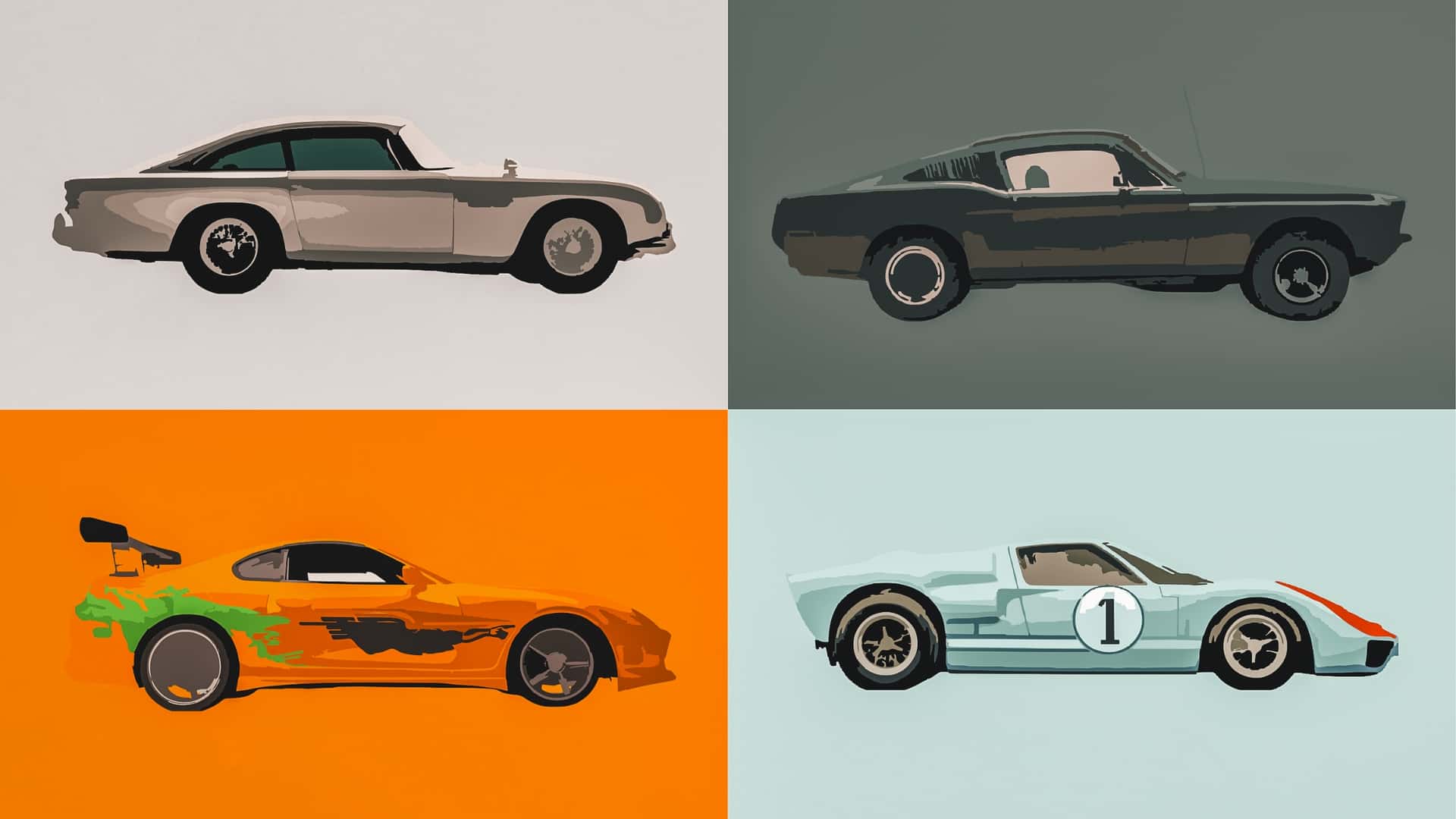
The cinematic landscape has long been defined by its most iconic vehicles, machines that transcend their roles as mere props to become central characters in the narrative. From high-speed chases through the streets of San Francisco to time-bending escapades in the suburbs of California, automotive history and Hollywood have maintained a symbiotic relationship. Selecting the definitive list of the greatest movie cars requires balancing cultural impact, technical specifications, and the vehicle’s functional contribution to the plot. This retrospective examines fifteen automobiles that have left an indelible mark on both the automotive industry and the history of motion pictures.
The Evolution of the Cinematic Getaway
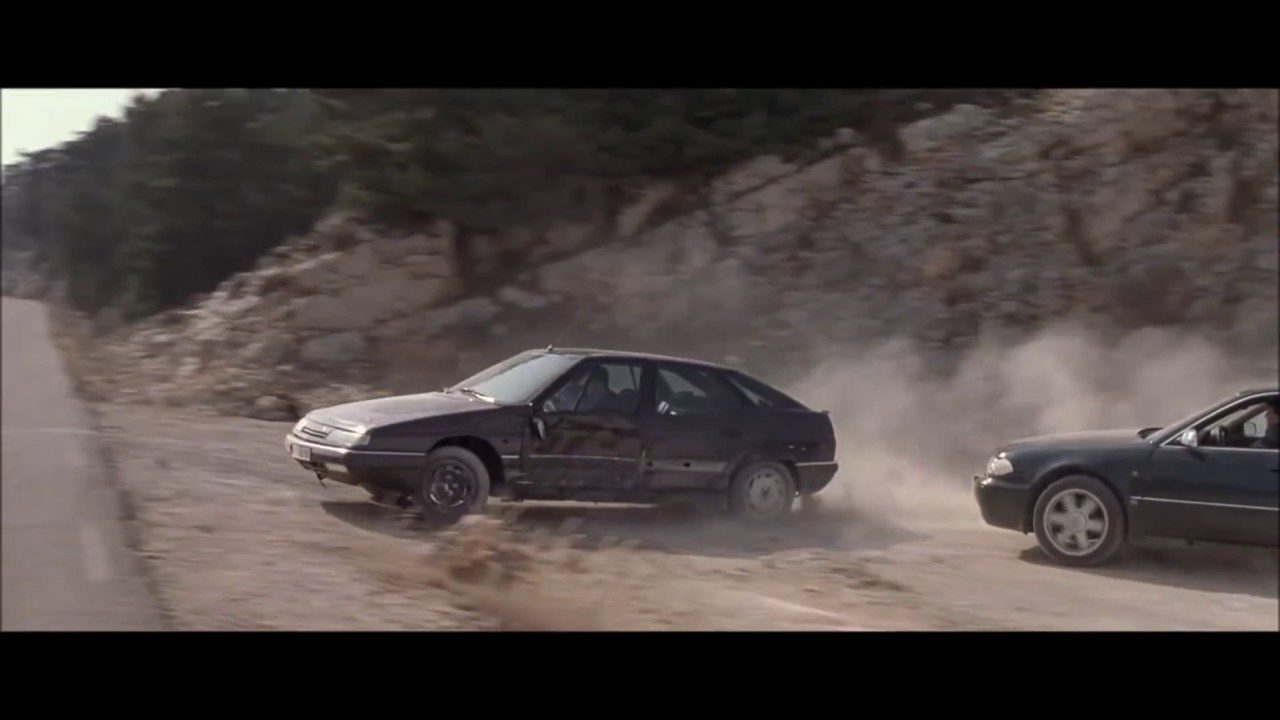
The role of the getaway car has shifted from a functional necessity to a centerpiece of action cinema. In the 1998 film Ronin, the Audi S8 demonstrated the capabilities of the modern European sports sedan. Featuring a 4.2-liter V8 engine and all-wheel-drive traction, the S8 provided a platform for one of the most realistic and technically proficient chase sequences in film history. The production team intentionally utilized heavy, high-performance sedans to contrast with the nimble, smaller vehicles favored in earlier decades, signaling a shift toward power and stability as the new standard for cinematic performance.
The Mustang Phenomenon: A Recurring Icon
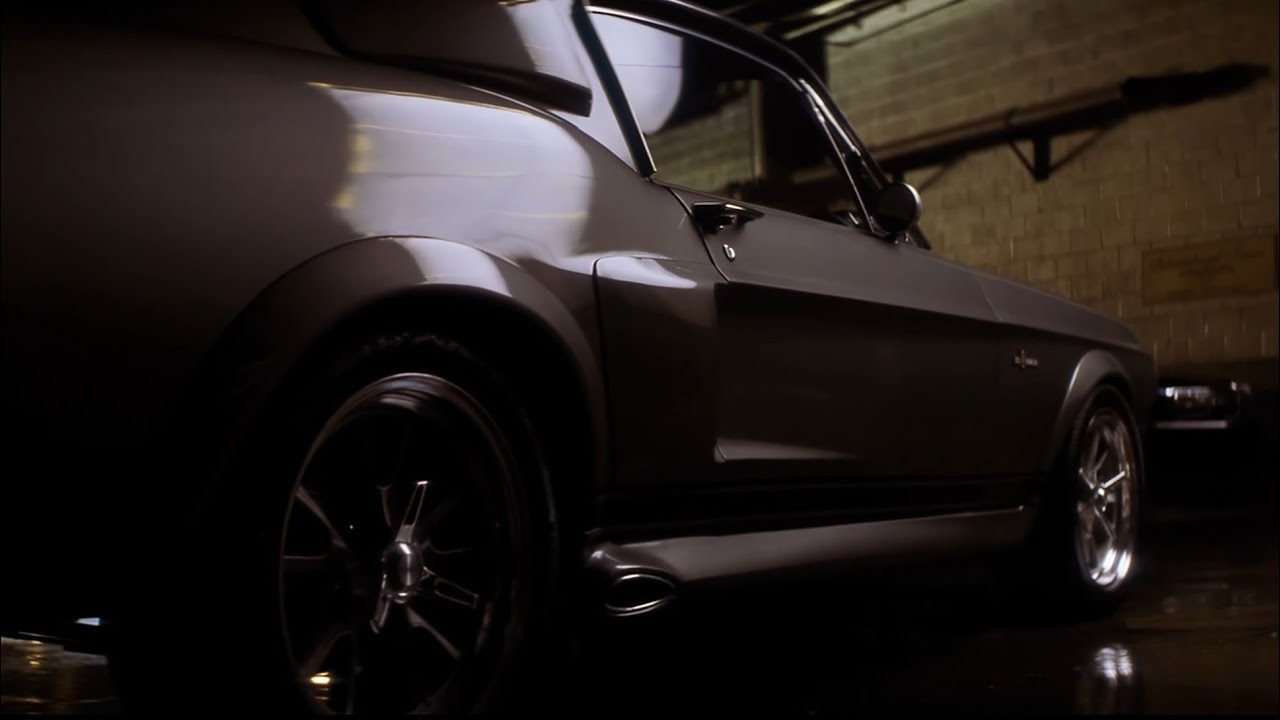
Few vehicles have maintained as consistent a presence in film as the first-generation Ford Mustang. Its prevalence is not merely coincidental; it reflects the car’s status as a quintessential American cultural artifact. In the 2000 remake of Gone in 60 Seconds, the 1967 Shelby GT500—dubbed "Eleanor"—elevated the Mustang to a high-fashion performance icon. The car was modified by renowned designer Chip Foose, featuring custom bodywork and a distinct silver-and-black aesthetic. While licensing disputes regarding the name "Eleanor" have persisted for decades, the film effectively cemented the fastback design in the public consciousness.
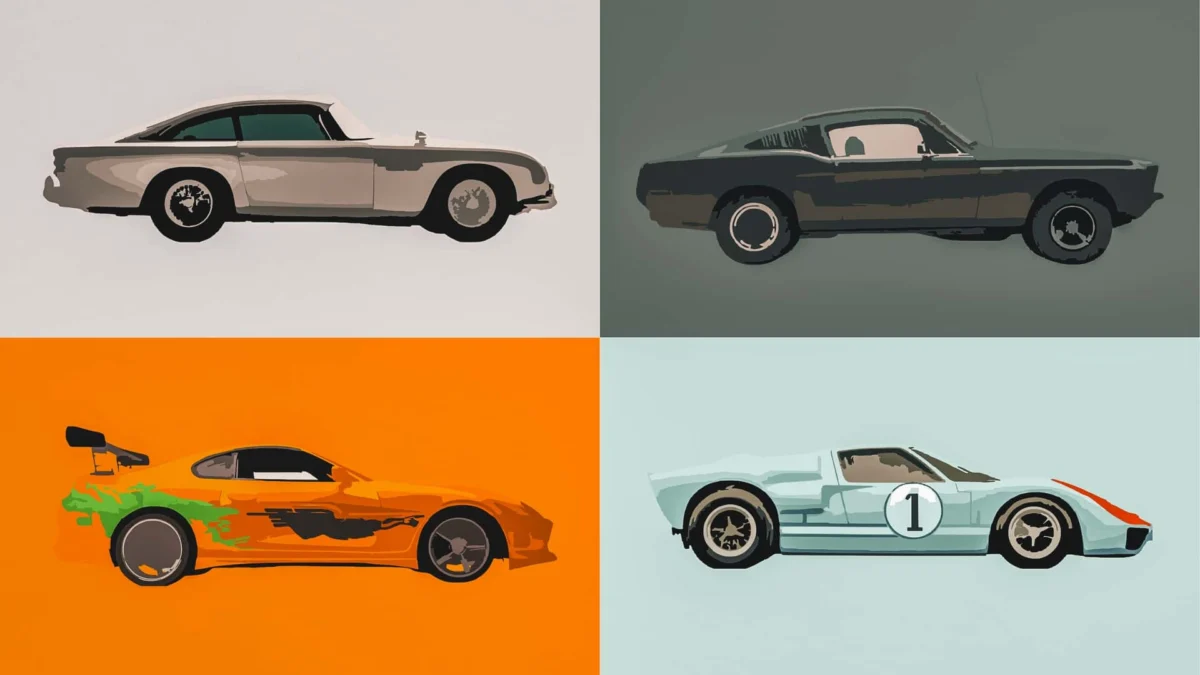
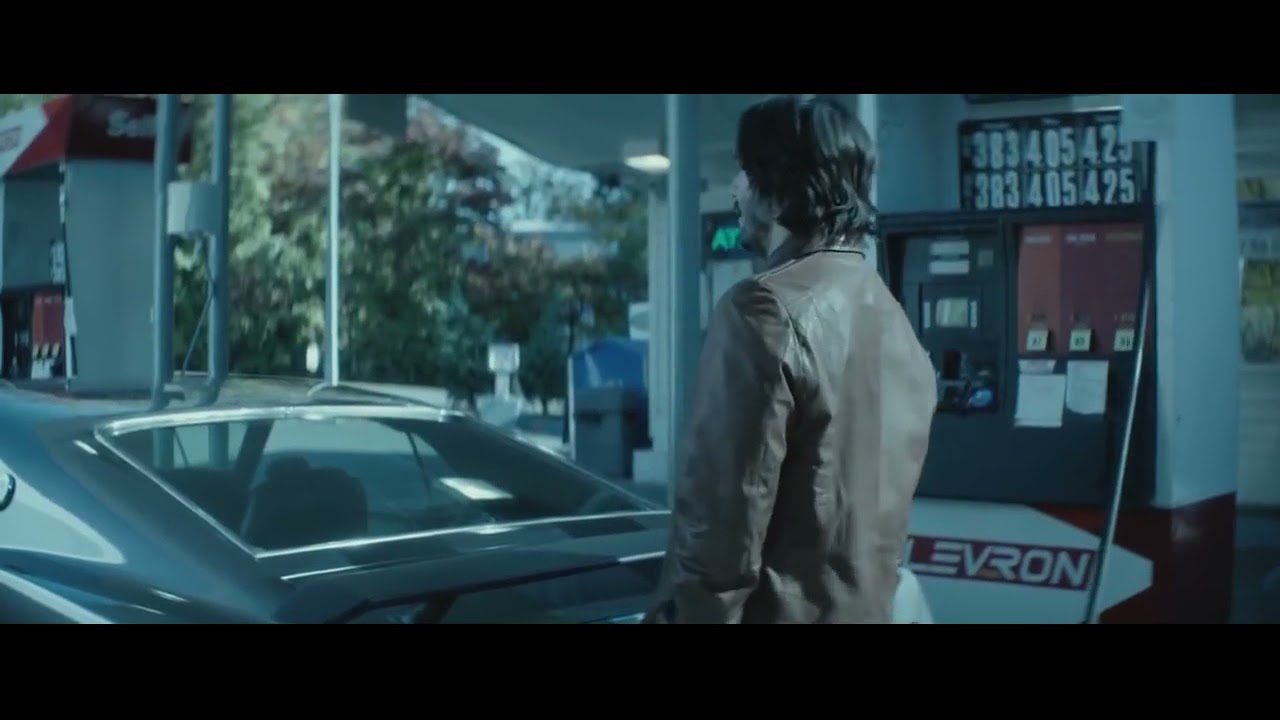
Similarly, the 1969 Ford Mustang Mach 1 featured in the 2014 film John Wick represents a return to the "tough" image of the late 1960s. By correctly identifying the vehicle as a ’69 model rather than a 1970 Boss 429, the screenplay acknowledged the enthusiast culture surrounding these machines. The Mustang in this context serves as a symbol of the protagonist’s past life, reinforcing the narrative stakes through the lens of automotive preservation.
Technical Ambition and Practical Effects
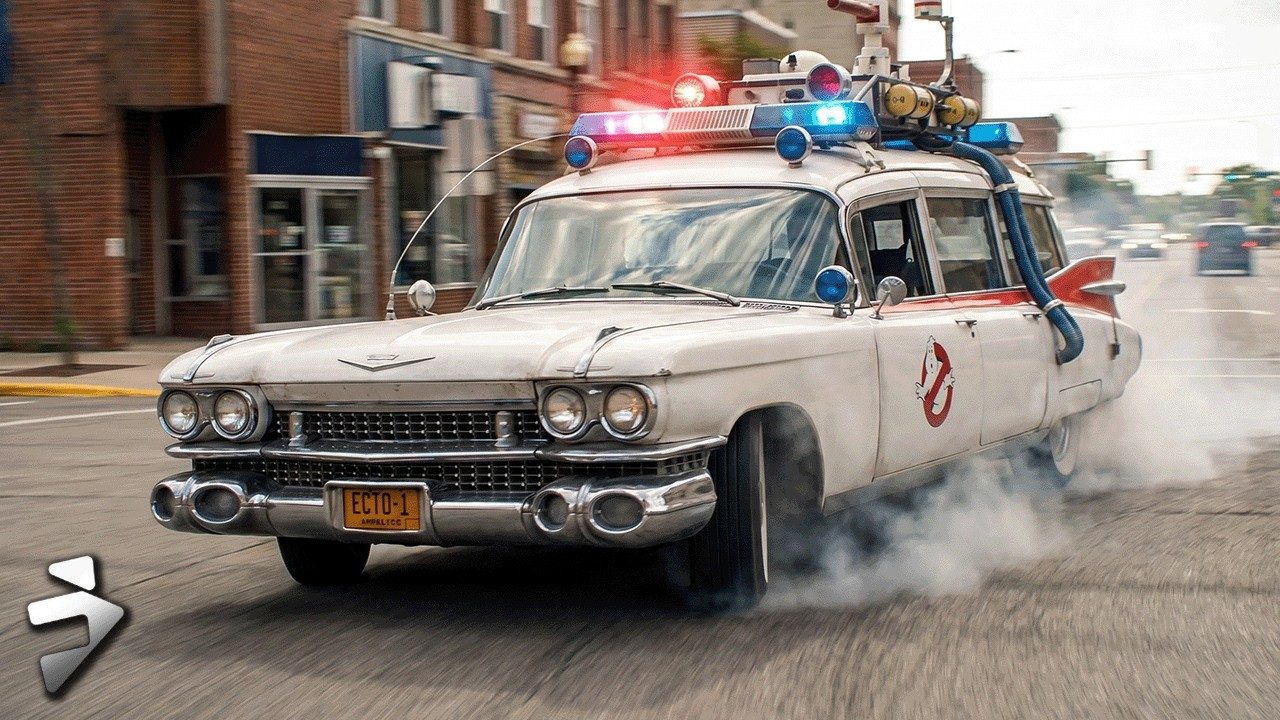
Not every iconic movie car was a production vehicle; some required extensive engineering to meet the demands of their respective films. The Ecto-1 from the 1984 film Ghostbusters, a converted 1959 Cadillac Miller-Meteor ambulance, represents a pinnacle of creative mechanical modification. The production team, led by director Ivan Reitman, faced the logistical challenge of transforming a heavy, decommissioned emergency vehicle into a reliable prop capable of performing under the constraints of a film set.
In the realm of science fiction, the DeLorean DMC-12 used in Back to the Future remains perhaps the most famous example of a car becoming a time machine. Despite the vehicle’s real-world reputation for lukewarm sales and reliability concerns, its stainless-steel construction and gull-wing doors provided the perfect visual aesthetic for a futuristic prop. The integration of the "flux capacitor" into the chassis design turned a commercial failure into a pop-culture triumph, proving that cinematic presentation can override real-world market performance.
The Intersection of Motorsports and Cinema
The portrayal of racing in film requires an authentic representation of the machinery involved. Ford v Ferrari (2019) served as a major cultural touchstone for the history of the Ford GT40. The film chronicled the 1966 24 Hours of Le Mans, a pivotal moment where American manufacturing challenged the hegemony of Italian sports car racing. The production utilized authentic replicas built by Superformance, which were engineered to the exacting standards of the original race cars. This commitment to accuracy provided audiences with a visceral look at the raw, mechanical intensity of 1960s endurance racing, bridging the gap between historical documentary and mainstream entertainment.
Cult Classics and Experimental Prototypes
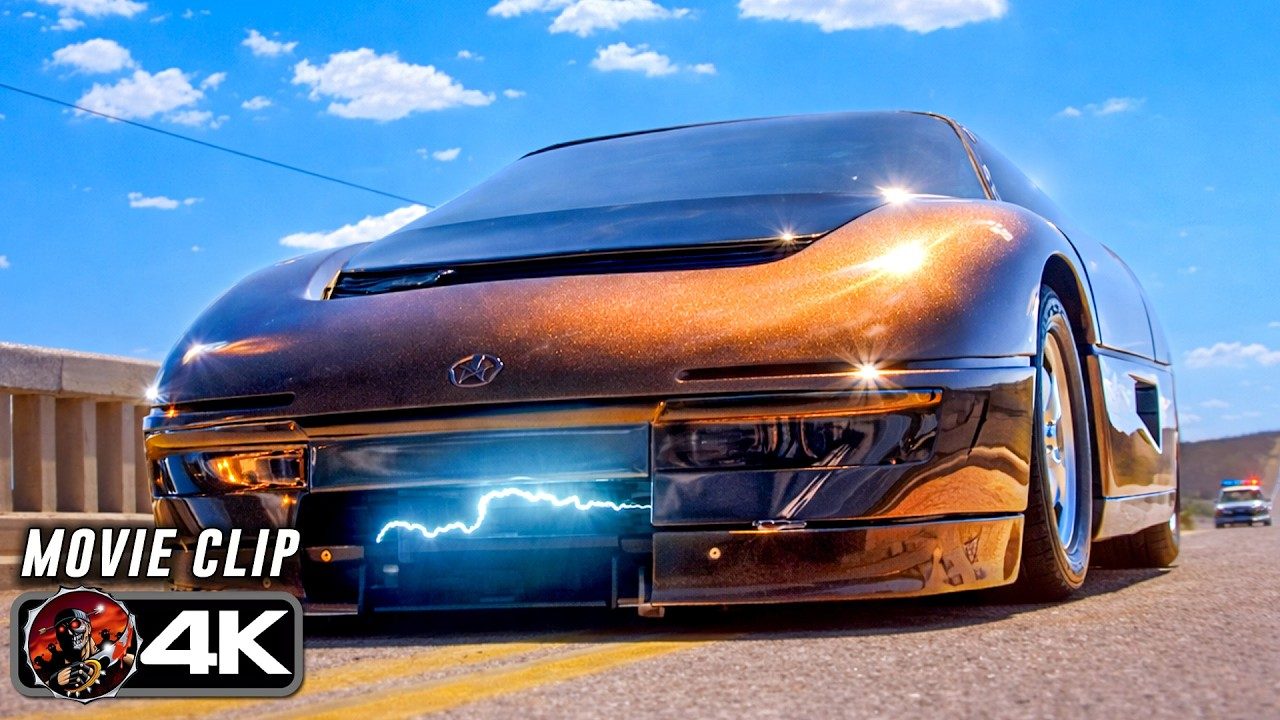
Occasionally, films highlight vehicles that were never intended for mass production. The Dodge M4S Turbo Interceptor featured in the 1986 film The Wraith was a rare Chrysler design study. The M4S was a mid-engine, four-cylinder prototype designed for high-speed testing and pace car duties. Its inclusion in the film provided the production with a unique, futuristic silhouette that would have been impossible to achieve with a standard production car of the era. The decision to cast a prototype as a "hero" car underscored the importance of design language in science fiction and action cinema.
The Legacy of the Chase Scene
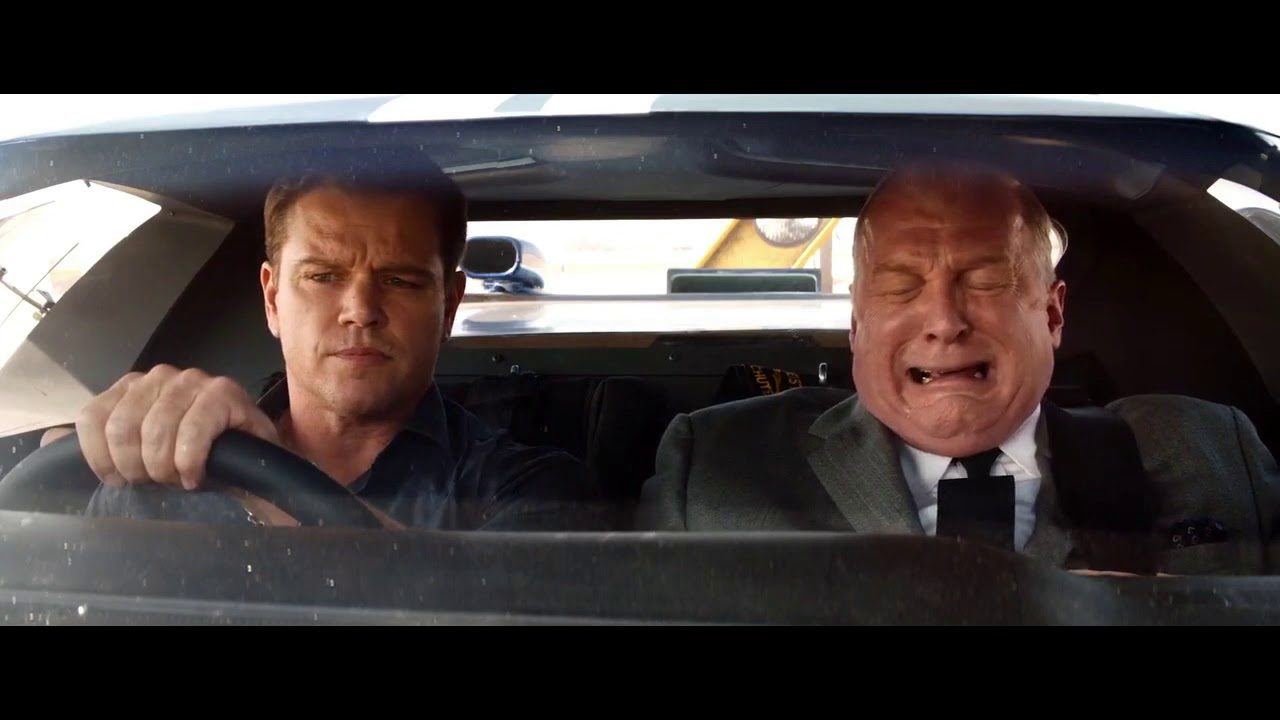
The car chase remains a foundational element of the action genre, and certain films have defined the benchmark for the craft. Bullitt (1968) is widely cited for the Highland Green Ford Mustang GT’s pursuit of a Dodge Charger R/T. The sequence, involving Steve McQueen himself, prioritized long, uncut takes and engine acoustics over rapid-fire editing. This approach forced the vehicles to perform authentically, highlighting the suspension travel, tire grip, and weight transfer of the muscle car era. The legacy of this scene continues to influence modern stunt driving choreography.
Cultural Significance and Narrative Utility
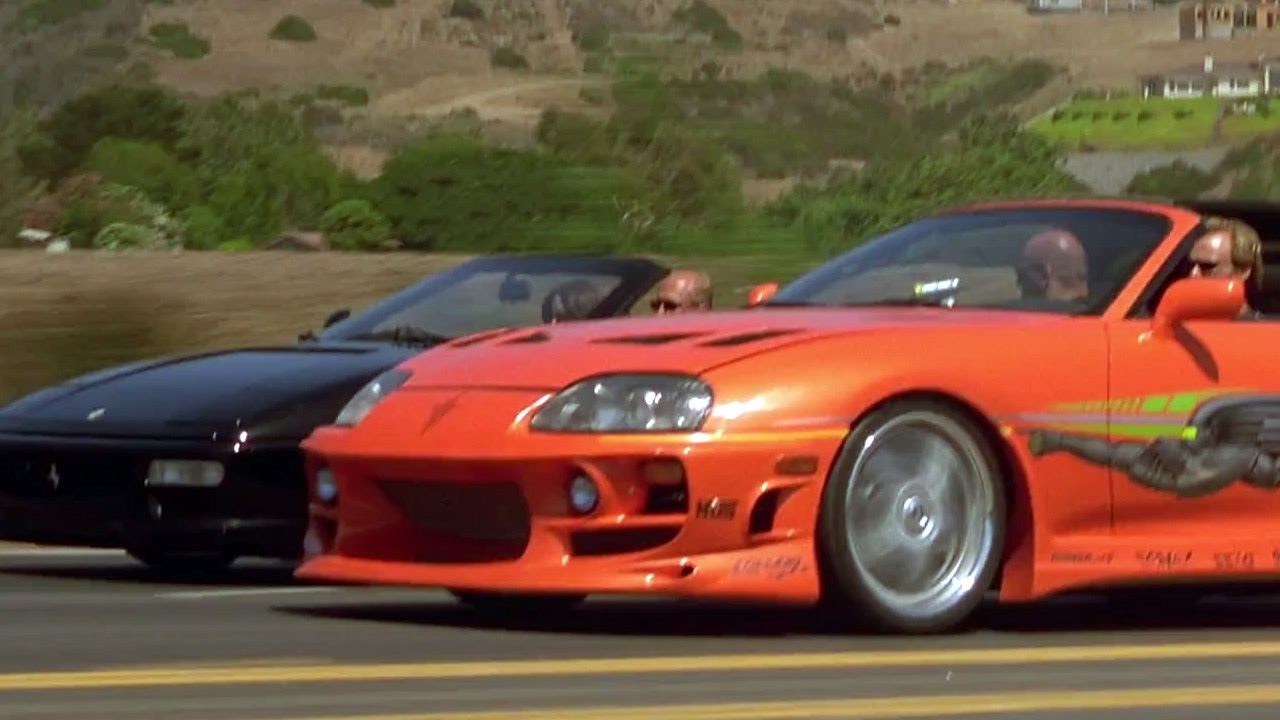
Some cars achieve greatness by representing the ethos of a specific era or subculture. The 1994 Toyota Supra from The Fast and the Furious (2001) is the definitive vehicle of the "import tuner" revolution. By focusing on the aftermarket modification scene—nitrous oxide, turbochargers, and vinyl liveries—the film introduced a global audience to a culture that had previously been confined to regional enthusiast circles. The Supra, driven by Brian O’Conner, became a symbol of the shift toward Japanese performance vehicles in the early 2000s.
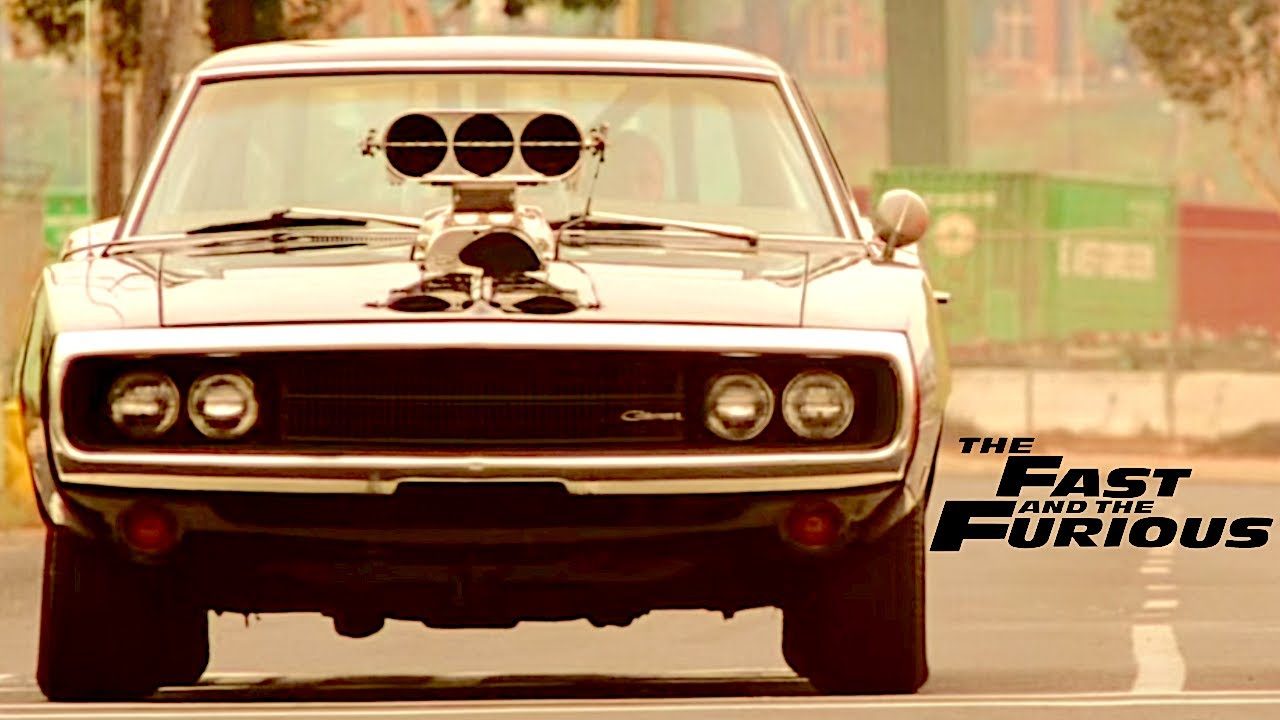
Likewise, the Dodge Charger R/T featured in the same franchise serves as the polar opposite of the Supra. Where the Supra represents agility and technology, the Charger represents raw, archaic, and brute force. This juxtaposition is central to the narrative, providing a clear visual representation of the philosophical differences between the two main characters.
The Darker Side of Automotive Design
The Batmobile represents a unique challenge: the vehicle must reflect the psyche of the character it serves. From the gothic, long-nosed design of the 1989 Tim Burton version to the military-grade, tank-like "Tumbler" of the Christopher Nolan trilogy, the Batmobile has evolved to match the tone of the Batman franchise. The implications of these designs are significant; they suggest that the character’s methodology is reflected in the engineering of his tools. The transition from the sleeker, sports-car-inspired Batmobiles to the utilitarian, weaponized designs of the 21st century mirrors the evolution of the superhero genre toward grit and realism.
The Pinnacle of Automotive Elegance
The Ferrari 250 GT California Spyder in Ferris Bueller’s Day Off occupies a unique space in cinematic history. It is a car that represents unattainable beauty and the consequences of reckless behavior. The film’s focus on the car’s value—both monetary and emotional—serves as a catalyst for the plot. The destruction of the replica used on set remains one of the most memorable scenes in comedy, highlighting the contrast between the object’s physical fragility and its immense cultural value.
The Standard-Bearer: Aston Martin DB5
The Aston Martin DB5, first appearing in Goldfinger (1964), remains the most significant movie car in history. The association between James Bond and the British manufacturer has persisted for over half a century, surviving multiple casting changes and stylistic shifts in the franchise. The DB5’s success stems from its balance of elegance, performance, and the "gadgetry" that defined the Bond formula.
The vehicle has become an extension of the MI6 agent’s persona: refined, capable, and perpetually prepared for unforeseen circumstances. The DB5’s ability to remain relevant in modern installments, such as Skyfall and No Time to Die, speaks to its timeless design. It is not merely a prop, but a character that has successfully bridged the gap between 1960s espionage and contemporary blockbuster cinema.
Implications for Automotive Marketing
The inclusion of these vehicles in major motion pictures has historically yielded significant dividends for manufacturers. The "product placement" model, when executed effectively, transforms a commercial product into a cultural icon. Data from automotive marketing firms suggests that appearances in high-grossing films can increase brand awareness and consumer interest by significant margins, particularly among younger demographics.
However, the primary impact remains the elevation of the automobile from a utilitarian appliance to a vessel of human aspiration. Whether it is the pursuit of time travel, the quest for racing glory, or the need for a reliable getaway vehicle, these cars serve as the physical manifestations of the narratives they support. As cinema continues to evolve, the vehicles featured within will undoubtedly continue to reflect the technological and cultural priorities of their time.
The enduring nature of these fifteen cars demonstrates that the relationship between the driver and the machine is a universal theme, one that resonates across generations and borders. While the technology under the hood may change—from the naturally aspirated V8s of the 1960s to the potential for electric or hydrogen-powered vehicles in future films—the core of the movie car experience remains rooted in the thrill of the drive and the visual storytelling power of the automobile.