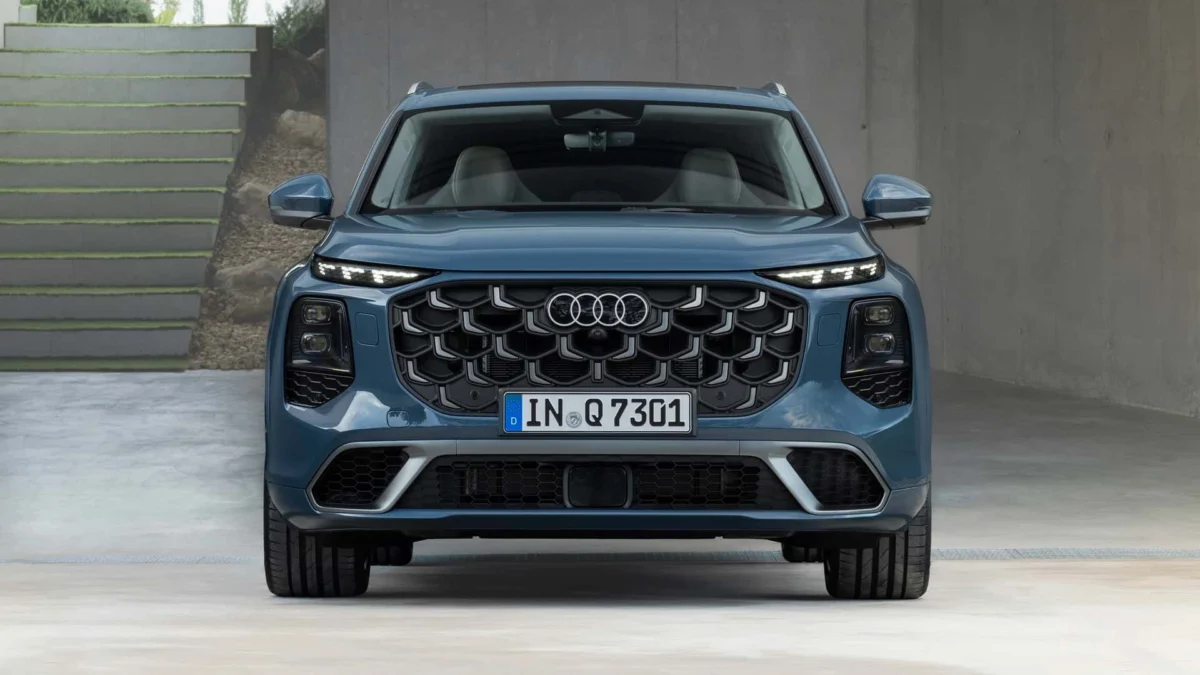
Audi has unveiled a comprehensive refresh for its popular mid-size Q7 SUV, set to arrive in U.S. dealerships in the fourth quarter of this year. This substantial update introduces a new design language, refined powertrains, and the integration of the latest automotive technologies. Accompanying these enhancements, the 2027 Audi Q7 will see a price adjustment, increasing by $3,300 compared to its predecessor.
The revised 2027 Audi Q7 will have a starting Manufacturer’s Suggested Retail Price (MSRP) of $70,900, marking an increase from the 2026 model’s $67,600. At its core, the standard Q7 will be powered by a potent twin-turbocharged 2.9-liter V6 engine. This powerplant is rated to deliver an impressive 429 horsepower and 442 pound-feet of torque. Audi has engineered this powertrain for enhanced responsiveness, claiming a brisk 0-to-60-miles-per-hour acceleration time of 4.8 seconds, which represents a significant improvement of 0.7 seconds over the outgoing model. This boost in performance aims to position the Q7 more dynamically within its competitive segment.
For enthusiasts seeking an even higher echelon of performance, Audi is also offering the more potent SQ7 variant. This high-performance version of the luxury SUV is equipped with a robust twin-turbocharged 4.0-liter V8 engine. This formidable V8 unleashes 591 horsepower and a substantial 590 pound-feet of torque, providing exhilarating acceleration and a commanding driving experience. The SQ7 is engineered to achieve 60 mph from a standstill in just 3.7 seconds, a 0.3-second improvement that underscores its athletic capabilities. The pricing for the 2027 SQ7 will begin at $98,700, a $4,900 increase from the previous model year. The arrival of these updated models at dealerships is anticipated later this year, signaling Audi’s commitment to maintaining its presence in the premium SUV market.
Strategic Pricing in a Competitive Landscape
Audi has strategically priced the 2027 Q7 to directly contend with key rivals in the premium three-row SUV segment, notably the BMW X5 and the Mercedes-Benz GLE. While all three vehicles cater to a similar demographic, the Q7 distinguishes itself by offering a standard three-row seating configuration, a feature that often comes as an option or is absent in some competitors’ base models. This inherent practicality contributes to its positioning within the market.
The 2027 BMW X5 enters the fray with a starting price of $69,800 for the X5 40i model. This version is powered by a 394-horsepower turbocharged 3.0-liter inline-six engine. This pricing places the X5 at $1,100 less than the base 2027 Q7, making it a slightly more accessible entry point for buyers prioritizing German engineering and performance.
The Mercedes-Benz GLE, while not undergoing a complete redesign for 2027 in the same manner as the BMW and Audi, has received a significant update for the upcoming model year. Mercedes-Benz has yet to officially release pricing for the 2027 GLE. However, the 2026 GLE commenced with a starting price of $62,250 for the GLE 350. This model is equipped with a 255-horsepower turbocharged 2.0-liter four-cylinder mild-hybrid engine. For those seeking more power, the GLE 450, featuring a 375-horsepower turbocharged 3.0-liter inline-six hybrid powertrain, is priced at $72,250. This places the more powerful GLE variant above both the base Q7 and X5 in terms of cost.
The forthcoming 2027 GLE is expected to continue offering its efficient 2.0-liter hybrid powertrain, which should enable it to maintain a competitive edge in terms of fuel economy and potentially offer a more attractive price point for entry-level configurations compared to its German rivals.
| Model | Starting Price |
|---|---|
| 2027 Audi Q7 | $70,900 |
| 2027 BMW X5 | $69,800 |
| 2027 Mercedes-Benz GLE | $62,250 (2026 model) |
This comparative pricing structure highlights the nuanced market positioning of each vehicle. Audi’s strategy with the Q7 appears to be emphasizing its standard three-row capability and enhanced performance metrics to justify its slightly higher entry price compared to the X5. The GLE, with its lower starting price for its base model, appeals to a broader segment of the market, though higher-powered variants quickly ascend in cost.
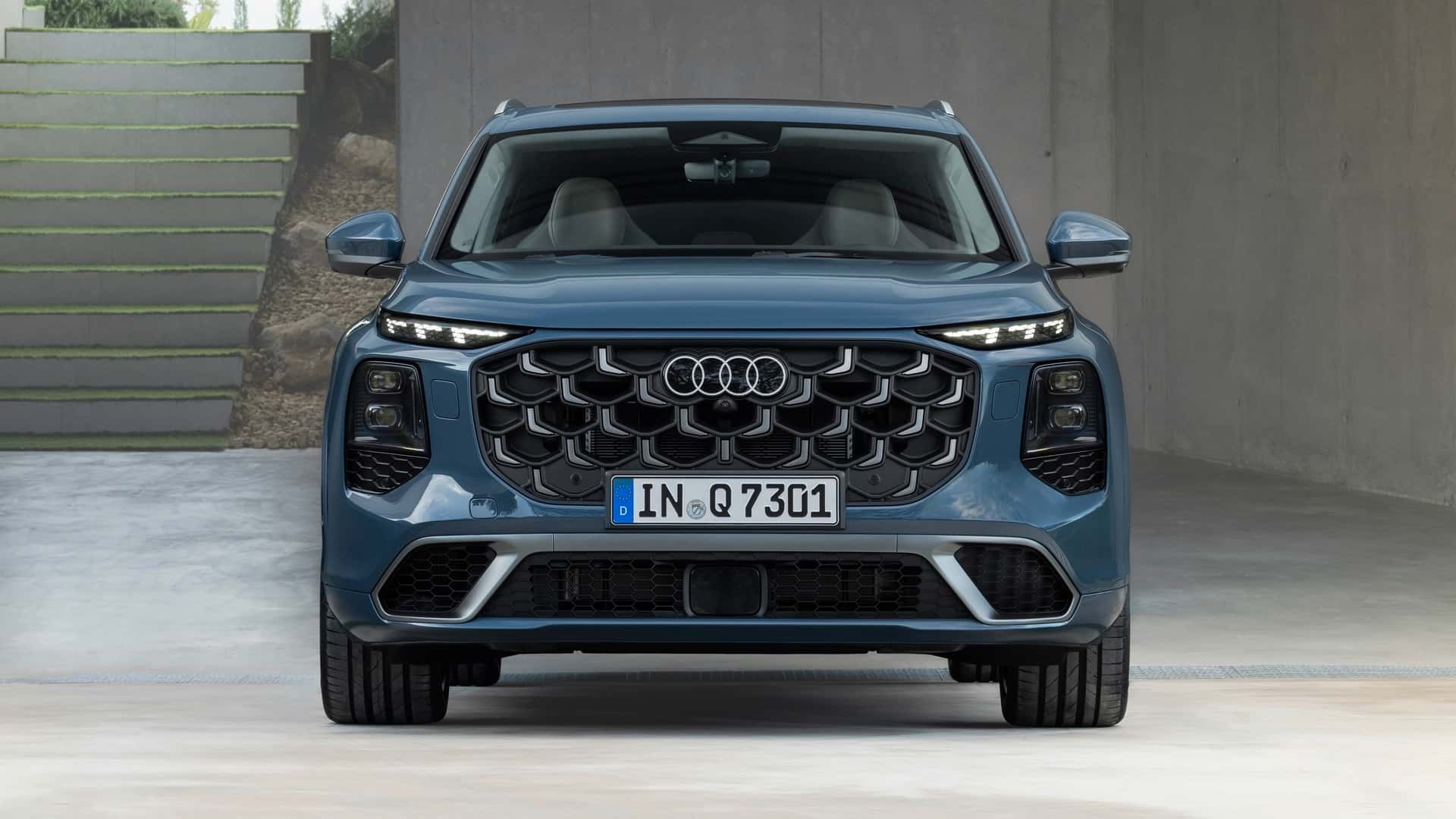
Evolution of Design and Technology
The 2027 Audi Q7’s exterior design has been thoughtfully updated to align with Audi’s latest design philosophy. This includes a revised front fascia with a more pronounced Singleframe grille, redesigned LED headlights featuring dynamic DRL signatures, and updated rear styling with a new light bar connecting the taillights. These aesthetic enhancements contribute to a more modern and sophisticated presence on the road.
Inside, the Q7’s cabin receives a significant technological uplift. The MMI Touch Response infotainment system has been further refined, offering enhanced user interface and faster processing speeds. The dual-screen setup, a hallmark of Audi’s contemporary interior design, remains, but with improved responsiveness and integration of digital features. Audi has also placed a strong emphasis on interior materials and craftsmanship, aiming to elevate the sense of luxury and refinement. This focus on interior quality is part of a broader trend within the Audi brand, as evidenced by discussions around future interior concepts that balance digital displays with tactile controls.
The integration of advanced driver-assistance systems (ADAS) has also been a key focus for the 2027 Q7. Expect a comprehensive suite of features, including adaptive cruise control with lane centering, intersection assist, and updated parking assistance technologies. These systems are designed to enhance safety and reduce driver fatigue, particularly during long journeys. The introduction of these technologies reflects the ongoing evolution of automotive safety and convenience features across the industry.
Performance Evolution: From V6 to V8 Power
The mechanical heart of the standard 2027 Audi Q7 is its refined 2.9-liter twin-turbocharged V6 engine. This engine, part of Audi’s modular engine family, has been optimized for better fuel efficiency and improved torque delivery across the rev range. The claimed 4.8-second 0-60 mph time suggests that this powertrain is not just about smooth cruising but also offers a satisfying level of acceleration for everyday driving and overtakes. The enhanced power output, compared to the previous generation, indicates a deliberate effort by Audi to imbue the Q7 with a more athletic character, moving beyond its reputation as solely a comfortable family hauler.
The SQ7, representing the pinnacle of the Q7 lineup’s performance, leverages the muscular 4.0-liter twin-turbocharged V8 engine. This powerplant is known for its immense torque and linear power delivery, characteristics that translate into rapid acceleration and a compelling driving dynamic. The 3.7-second 0-60 mph sprint achieved by the SQ7 places it firmly in the performance SUV category, capable of challenging sports cars in straight-line acceleration. The continued offering of a V8 in this segment underscores Audi’s commitment to providing a high-performance option for discerning buyers who demand both luxury and exhilarating speed.
Both powertrains are expected to be paired with Audi’s renowned quattro all-wheel-drive system, which provides exceptional traction and stability in various driving conditions. This system, coupled with advanced suspension tuning, aims to deliver a driving experience that balances refinement with engaging dynamics. The focus on powertrain upgrades and performance figures suggests Audi’s intent to reinforce the Q7’s appeal to a broader spectrum of luxury SUV buyers, including those who value spirited driving.
Broader Market Implications and Audi’s Strategy
The refreshed 2027 Audi Q7 arrives at a pivotal moment for the automotive industry, characterized by increasing electrification, evolving consumer preferences, and intense competition. Audi’s strategic decision to enhance both the standard Q7 and the performance-oriented SQ7 signals a commitment to the internal combustion engine (ICE) while also acknowledging the growing demand for electrification in future models. While this update focuses on refined ICE technology, it sets the stage for potential hybrid or fully electric variants in subsequent model years, aligning with Audi’s broader electrification roadmap.
The pricing strategy, placing the Q7 slightly above the BMW X5’s entry point, suggests that Audi is confident in the value proposition of its standard three-row configuration and the overall package of technology and performance it offers. The comparison with the Mercedes-Benz GLE further illustrates this competitive positioning, with Audi aiming to carve out a distinct niche by offering a compelling blend of luxury, practicality, and dynamic capability.
The successful integration of new technologies, such as advanced infotainment systems and driver-assistance features, will be crucial in attracting and retaining customers. As consumer expectations for digital integration and safety continue to rise, Audi’s ability to deliver a seamless and intuitive user experience will be a key differentiator. The automotive market is dynamic, and Audi’s proactive approach with the 2027 Q7 demonstrates its intent to remain a formidable player in the premium SUV segment by offering a well-rounded and compelling product that addresses the diverse needs and desires of its target audience. The coming months will reveal how consumers respond to these enhancements and the adjusted price points in a market that remains fiercely competitive.