
The landscape of wearable technology is bracing for a significant shift as Meta Platforms reportedly prepares to introduce a brand-new category of smart glasses entirely devoid of optical recording equipment. According to industry leaks and reports from technology publications, the tech giant is developing a camera-free wearable internally codenamed "Luna," slated for a potential reveal at the upcoming annual Connect developer conference. This strategic pivot comes at a time when smart glasses equipped with integrated cameras face heightened scrutiny over user privacy, unauthorized recording, and public surveillance concerns. By stripping away the lenses capable of capturing photo and video, Meta aims to capture a distinct segment of consumers who desire hands-free artificial intelligence integration without the associated social friction and regulatory challenges of filming devices.
The evolution of smart eyewear over the past several years has been defined by a tense balancing act between utility and privacy. When Meta previously collaborated with eyewear titan EssilorLuxottica to release generations of Ray-Ban Meta Smart Glasses, the devices quickly captured consumer interest through their sleek aesthetic, audio capabilities, and high-definition video capture. However, these features immediately triggered alarm bells among privacy advocates and regulatory bodies worldwide. Critics pointed out that the tiny notification LEDs designed to indicate active recording could be easily obstructed, bypassed, or missed entirely by unsuspecting bystanders.
In response to these mounting concerns, Meta implemented strict software updates designed to disable the recording function if users attempted to tamper with or cover the physical hardware indicator lights. Despite these technical safeguards, the broader public perception regarding camera-enabled eyewear remains fractured. Many public venues, schools, and private businesses have enacted informal or strict bans on wearable cameras, limiting the everyday utility of such devices. By introducing a variant of its smart glasses that entirely omits the camera apparatus, Meta is proactively carving out a compromise solution—one that retains the conversational power of voice-activated artificial intelligence while eliminating the primary vector for privacy anxieties.
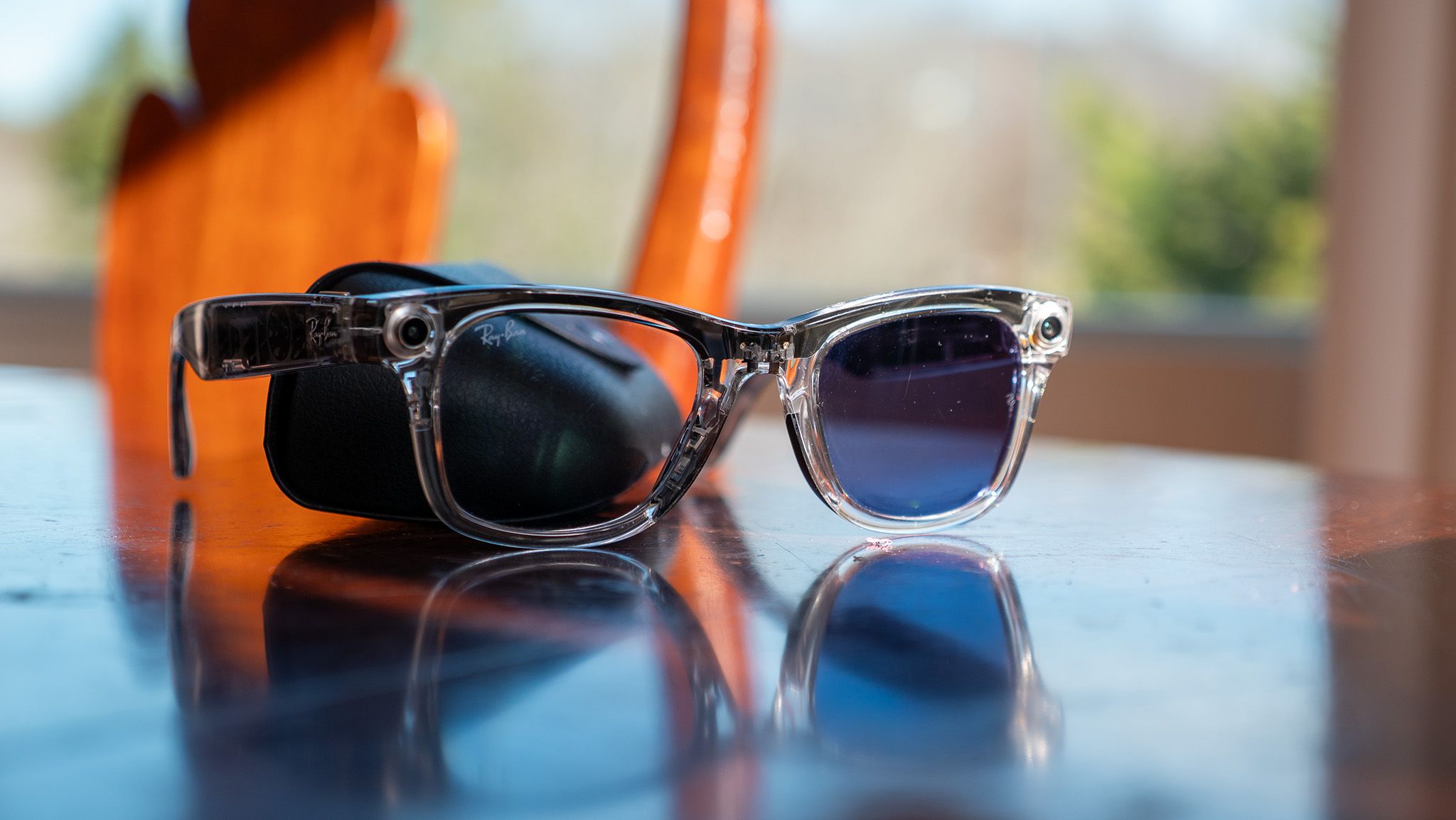
Industry insiders suggest that the Luna project will prioritize audio-based interactions and advanced sensor arrays over visual capture. Reports indicate that the camera-free glasses will be equipped with a robust configuration of six microphones and six directional speakers directed toward the user’s ears. This sophisticated acoustic setup is engineered to facilitate seamless, natural conversations with Meta AI, the company’s proprietary generative assistant. Users will reportedly be able to interact with the chatbot, retrieve real-time information, manage daily schedules, and handle audio commands entirely hands-free, all without needing to withdraw a smartphone from a pocket or bag.
Furthermore, the Luna lineup is expected to retain the physical input button positioned on the frame’s arm, allowing for quick, tactile activation of Meta AI services. Beyond the internal hardware upgrades, the omission of a camera module yields profound aesthetic and ergonomic benefits. Without the physical space and weight requirements of camera sensors, image signal processors, and bulky battery draws associated with video recording, Meta has reportedly been able to slim down the Luna frames considerably. The resulting form factor is expected to closely mirror traditional, non-smart designer eyewear.
Market analysts point out that this traditional design approach could substantially broaden the appeal of the wearable. Many consumers who appreciate the concept of ambient computing have remained hesitant to purchase camera-equipped models due to their slightly heavier build or the social stigma of walking around with visible lenses that could be misconstrued as surveillance equipment. By offering familiar aesthetic profiles—such as rumored styles styled after classic frame silhouettes like Clubmaster and Burbank—Meta could attract a demographic of fashion-conscious consumers who prioritize discrete digital assistance over multimedia capture.
The anticipated timeline for the Luna glasses points to an accelerated commercial rollout. Sources indicate that the hardware could be officially unveiled during Meta’s high-profile Connect conference, with commercial shipping potentially commencing as early as next month. This rapid deployment strategy suggests that Meta has been quietly refining the camera-free ecosystem to diversify its hardware portfolio ahead of the holiday shopping season.
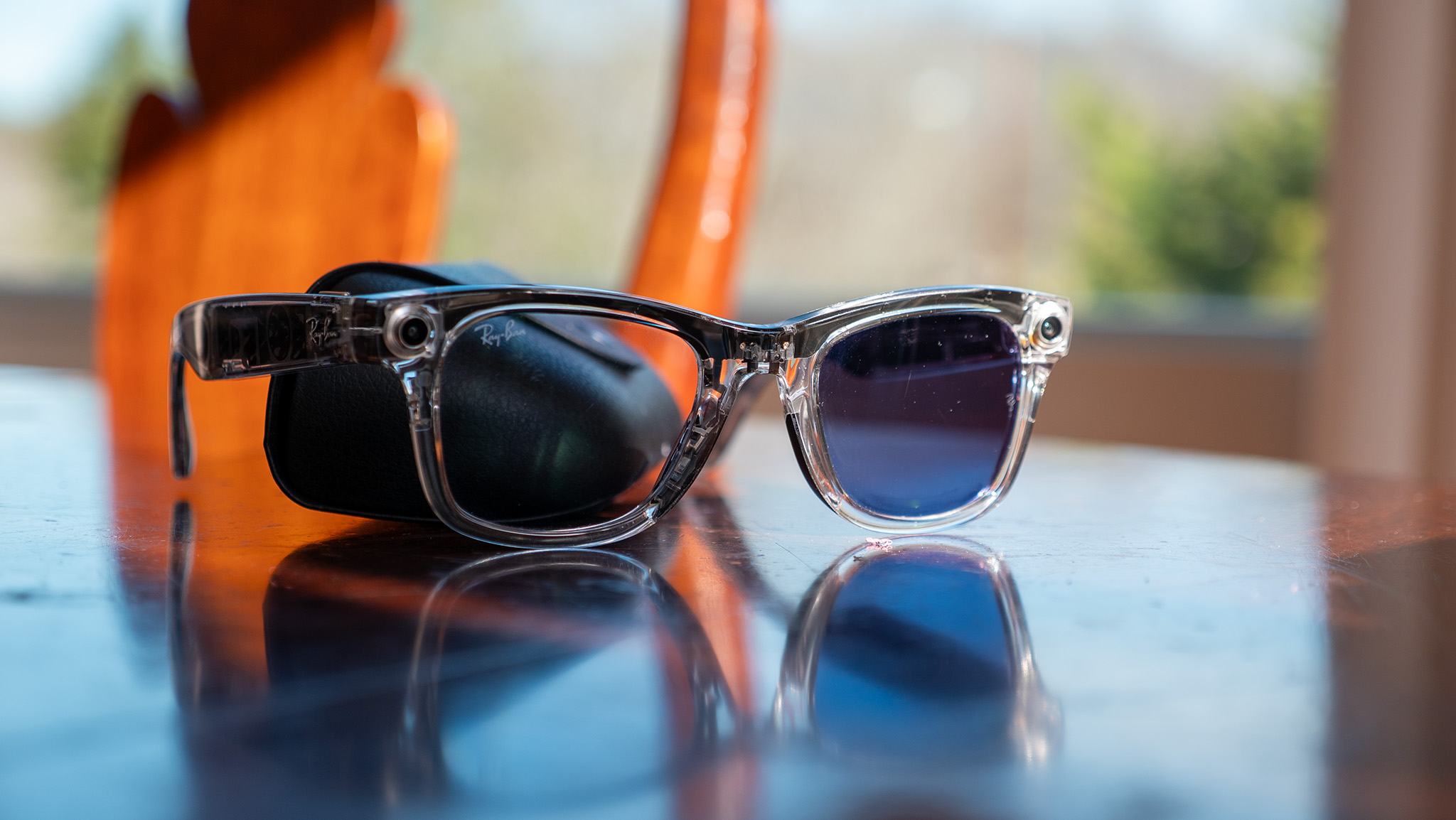
However, Luna represents only one piece of Meta’s long-term hardware roadmap. While the camera-free glasses are positioned as an accessible, near-term audio and AI wearable, the company is simultaneously advancing its deeper ambitions in the augmented reality (AR) sector. Parallel to the Luna development, Meta is reportedly working on a heavily anticipated pair of true AR glasses internally codenamed "Phoenix."
The Phoenix project is envisioned as a foundational leap forward for spatial computing, far surpassing the capabilities of current audio-first smart glasses. Current industry speculation points toward Meta planning a major demonstration of the Phoenix platform to showcase revolutionary concepts in telecommunications, including holographic video calling, persistent virtual workspaces, and immersive entertainment displays capable of rendering large virtual movie screens directly in the user’s field of view.
Despite the high expectations surrounding Phoenix, true consumer-grade augmented reality hardware remains further out on the horizon. Industry roadmaps suggest that the Phoenix AR glasses are unlikely to hit the commercial market before 2027, as engineers continue to grapple with the immense technical hurdles of shrinking complex optical waveguides, micro-LED projectors, and high-capacity batteries into a lightweight, all-day wearable frame.
In the interim, the introduction of the Luna smart glasses serves as a vital bridge for Meta. It allows the company to test market demand for camera-free AI integration, strengthen its position in the competitive wearables market, and offer a palatable alternative to privacy-conscious consumers. As competition within the smart eyewear space intensifies—with rivals like Apple, Google, and various traditional eyewear brands eyeing the category—Meta’s diversified strategy of offering both camera-enabled multimedia glasses and privacy-focused audio assistants could redefine consumer expectations for everyday wearable technology.