Water UK, the trade association representing the nation’s water and wastewater service providers, has issued a stark warning regarding the government’s ambitious plans for Artificial Intelligence (AI) growth zones, asserting that the substantial water consumption of data centres integral to these initiatives has been critically overlooked in national water forecasts. The industry body vehemently criticised the government’s strategy as "fatally flawed," highlighting that current projections "explicitly exclude" data centre water usage, a glaring omission that could exacerbate England’s already strained public water supplies.
The Heart of the Controversy: A "Fatally Flawed" Vision
The core of Water UK’s contention lies in what it perceives as a profound disconnect between the government’s economic growth ambitions, particularly in the burgeoning AI sector, and the fundamental ecological realities of water availability. In a detailed written briefing submitted to Members of Parliament, Water UK pointed out that official policy documents outlining the delivery of AI growth zones, the broader AI for Science strategy, and the AI Opportunities Action Plan "make not a single mention of water." This oversight, they argue, is not merely procedural but represents a fundamental flaw in strategic planning that could have severe long-term consequences for the nation’s water security.
The criticism underscores a widespread assumption that the UK possesses an inexhaustible supply of water to meet its economic and industrial needs, an assumption Water UK firmly refutes. "Nothing could be further from the truth," the organisation stated, drawing attention to the increasing pressures on water resources from climate change, population growth, and aging infrastructure.
England’s Looming Water Deficit: A Troubling Forecast
The concerns raised by Water UK are not isolated but echo warnings from parliamentary bodies. A recent report from the House of Lords, published in May, painted a sobering picture of England’s future water landscape, predicting a 5 billion litre shortfall in public water supplies by 2055 if no decisive action is taken. This significant deficit highlights the precarious balance of water resources across the country, particularly in the South and East, which are already designated as areas of serious water stress.
While the House of Lords report suggested that a substantial portion of this deficit – as much as 60% – could be mitigated through "demand management and leakage reduction," it also made a crucial recommendation: that water companies be designated as "statutory consultees on all major planning decisions, including housing developments, data centres, and energy infrastructure projects, to support water resource planning." This recommendation directly addresses the very oversight Water UK is now criticising, advocating for integrated planning that considers water availability from the outset of major development projects.
Data Centres: The Unseen Thirst of the Digital Age
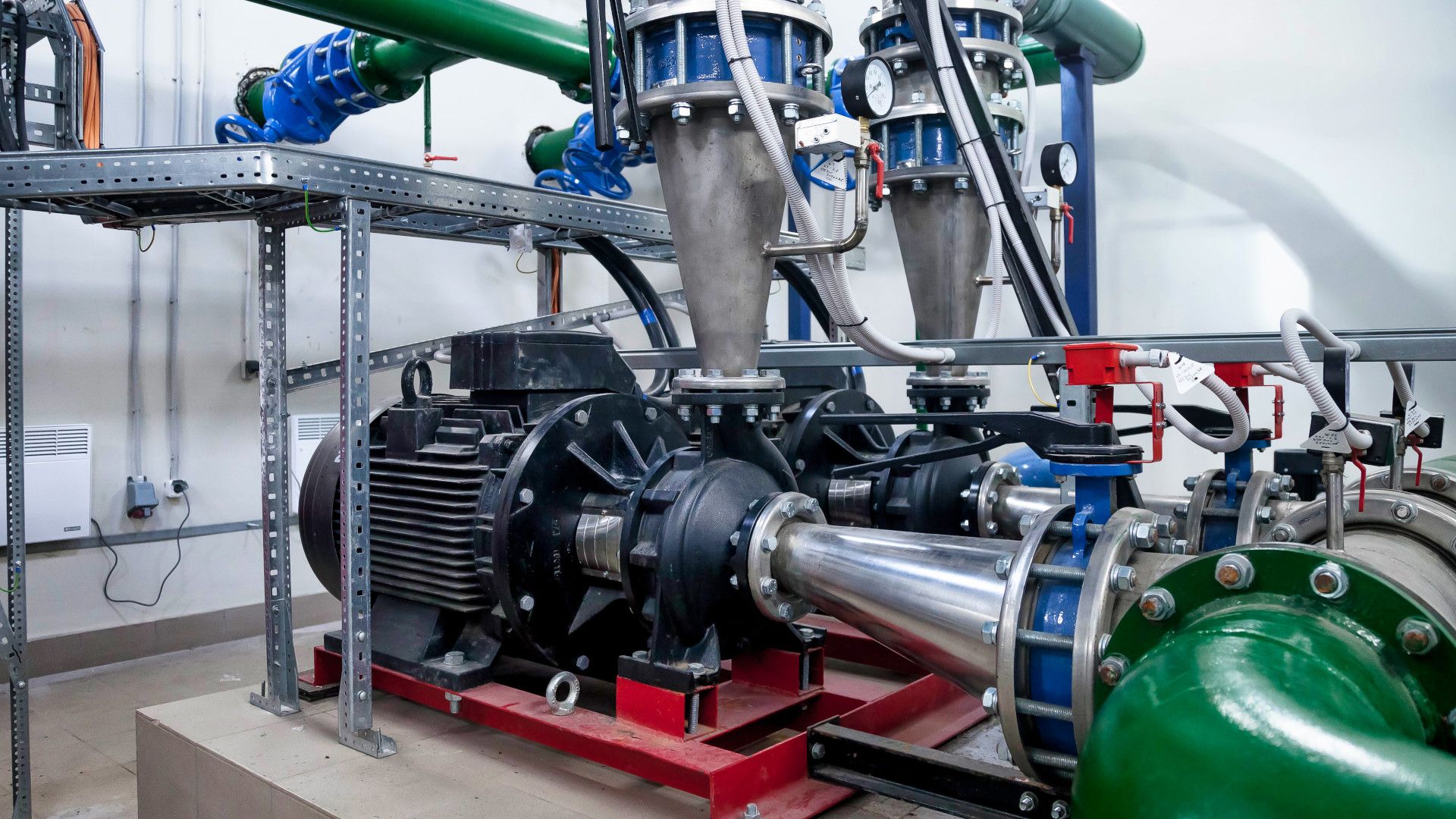
Data centres, the physical backbone of the digital economy and the engine rooms for AI processing, are notoriously water-intensive. Their operations generate immense heat, requiring sophisticated cooling systems to prevent equipment malfunction and ensure optimal performance. While various cooling methods exist, many rely heavily on water, particularly evaporative cooling systems, which are efficient but consume vast quantities of water as it turns into vapour and dissipates.
The power usage effectiveness (PUE) metric, which measures the efficiency of a data centre, often indirectly correlates with water usage. As PUE improves, energy efficiency rises, but the underlying need for cooling remains paramount. The increasing density of computing power required for AI and machine learning tasks means that servers generate even more heat within smaller footprints, escalating the demand for robust cooling solutions and, consequently, water.
The scale of this demand is already manifesting across the UK. In Slough, a burgeoning hub for data centre development, plans for 125 new data centre projects are underway. Affinity Water, the local supplier, has warned that some of these facilities are requesting as much as 3 million litres of water per day – an astonishing volume comparable to the daily consumption of a small town. This demand places immense pressure on local water infrastructure and existing supplies, especially in regions already grappling with water scarcity.
The Government’s "National Importance" Designation and its Implications
The UK government has explicitly designated data centres as "critical infrastructure." This classification stems from their indispensable role in maintaining essential services, national security, national defence, and the overall functioning of the state. The loss or disruption of these facilities would have "major detrimental impact on the availability, integrity or delivery of essential services" and "significant impact on national security."
While this designation reflects the strategic importance of data centres to the modern economy and national resilience, it also bestows upon them a unique status in planning and development. Crucially, new data centre projects can now apply for "national importance" status, a mechanism that allows them to bypass standard local building regulations and fast-track their approval directly through Whitehall. This expedited process, while intended to accelerate digital infrastructure development, inadvertently sidesteps the local planning scrutiny that might otherwise consider environmental impacts, including water availability.
The combination of critical infrastructure status and fast-tracked approval mechanisms creates a challenging scenario for water companies. Current Environment Agency regulations stipulate that water supplied to data centres must be potable (drinking water quality). This means that even as public water supplies dwindle during dry spells, data centres continue to draw from the same high-quality reserves designated for human consumption.
A Tale of Two Water Realities: Public Restrictions vs. Industrial Demand
The stark contrast between public and industrial water usage became acutely apparent during recent heatwaves across the UK. The South and East of England, particularly vulnerable to drought conditions, experienced widespread hosepipe bans. These restrictions, enforced by water companies, aimed to conserve water by curtailing "non-essential" domestic usage, placing the burden of conservation squarely on households and small businesses.
Yet, simultaneously, data centres, classified as critical infrastructure, continued their operations with undiminished water demands. The inherent nature of their critical status means that water companies have limited, if any, leverage to reduce their usage, even during periods of severe water stress. This disparity raises significant questions about equity and sustainability. While ordinary citizens are asked to make sacrifices, major industrial consumers appear largely exempt from similar conservation measures, creating a perception of an uneven burden in times of environmental stress.
Addressing the Policy Gap: Towards Integrated Resource Management
The criticisms from Water UK highlight a critical policy gap that needs urgent attention. The government’s enthusiasm for technological advancement and economic growth, particularly in high-tech sectors like AI, must be harmonised with a robust and comprehensive approach to resource management.
Several avenues for addressing this challenge exist:
- Mandatory Water Audits and Efficiency Targets: Implementing mandatory water audits for data centres and setting stringent water efficiency targets could incentivise the adoption of less water-intensive cooling technologies, such as closed-loop liquid cooling systems or advanced air cooling that reuses condensate.
- Greywater and Rainwater Harvesting: Encouraging or mandating the use of non-potable water sources, such as treated greywater or harvested rainwater, for cooling purposes in data centres could significantly reduce their reliance on drinking water supplies.
- Strategic Siting: Future planning for AI growth zones and data centre clusters must explicitly incorporate water availability as a primary siting criterion, steering developments towards areas with abundant and sustainable water resources, or where innovative water reclamation and recycling infrastructure can be readily deployed.
- Integrated Planning Frameworks: Formalising the role of water companies as statutory consultees in all major infrastructure planning, as recommended by the House of Lords, would ensure that water resource implications are considered early in the development process, preventing costly retrofits or unsustainable projects.
- Research and Development: Investing in R&D for next-generation, water-efficient cooling technologies specifically tailored for high-density AI computing could provide long-term solutions.
The Path Forward: Balancing Innovation with Sustainability
The UK’s ambition to become a global leader in AI is commendable and holds immense potential for economic growth and societal benefit. However, this ambition must be pursued within the ecological limits of the nation’s resources. The "fatally flawed" approach described by Water UK serves as a crucial wake-up call, demanding a more integrated and sustainable strategy for infrastructure development.
The challenge lies in striking a delicate balance: fostering innovation and economic expansion in the digital sector while simultaneously safeguarding vital natural resources for current and future generations. Without a comprehensive water strategy that fully accounts for the demands of emerging technologies like AI, the promise of growth zones could be undermined by the very environmental constraints they fail to acknowledge. The ongoing dialogue between government, industry, and environmental bodies will be critical in shaping a future where technological progress and environmental stewardship can coexist sustainably. The future of UK’s AI depends not just on computational power, but also on the sustainable management of its most fundamental resource: water.