The cobblestone streets of Lucerne, Switzerland, have long been a conduit for travelers seeking both historical charm and modern convenience. For many, the allure lies in the picturesque architecture and the breathtaking proximity to the Alps. However, for one traveler, a recent visit to this historic city ignited a profound journey, not through ancient fortifications, but through the landscape of personal memory, all sparked by the purchase of a familiar, yet forgotten, artifact: a Swiss Army Knife. This seemingly innocuous act of buying a vacation souvenir unearthed a powerful connection to past adventures and underscored the profound emotional weight that well-crafted gear can carry.
The narrative unfolds as the author, Lisa Jhung, found herself navigating the charming Old Town of Lucerne with her teenage sons. It was the vibrant display of crimson folding knives in a Victorinox storefront that unexpectedly halted her progress. This visual cue acted as a potent time capsule, instantly transporting her back to her 21-year-old self, a period of youthful exploration and burgeoning independence. The pull of nostalgia was undeniable, leading her into the shop.
Within twenty minutes, Jhung emerged with a newly acquired "Mountaineer" model Swiss Army Knife, its iconic red casing now bearing her initials, "L.J." The purchase was accompanied by a palpable sense of joy and a mind simultaneously occupied with future possibilities and vivid recollections of past experiences. The knife, she mused, was not just a tool, but a potential enabler of "McGyver-style" solutions, a testament to its reputation for versatility.
A Youthful European Odyssey: The Genesis of a Lifelong Companion
The genesis of Jhung’s deep-seated connection to the Swiss Army Knife traces back to a formative European trip taken in her early twenties. Like many young adults embarking on such adventures, she traversed the continent with a backpack and a Eurorail Pass, seeking experiences that would shape her perspective. Switzerland, with its majestic landscapes and distinct culture, became a pivotal destination.
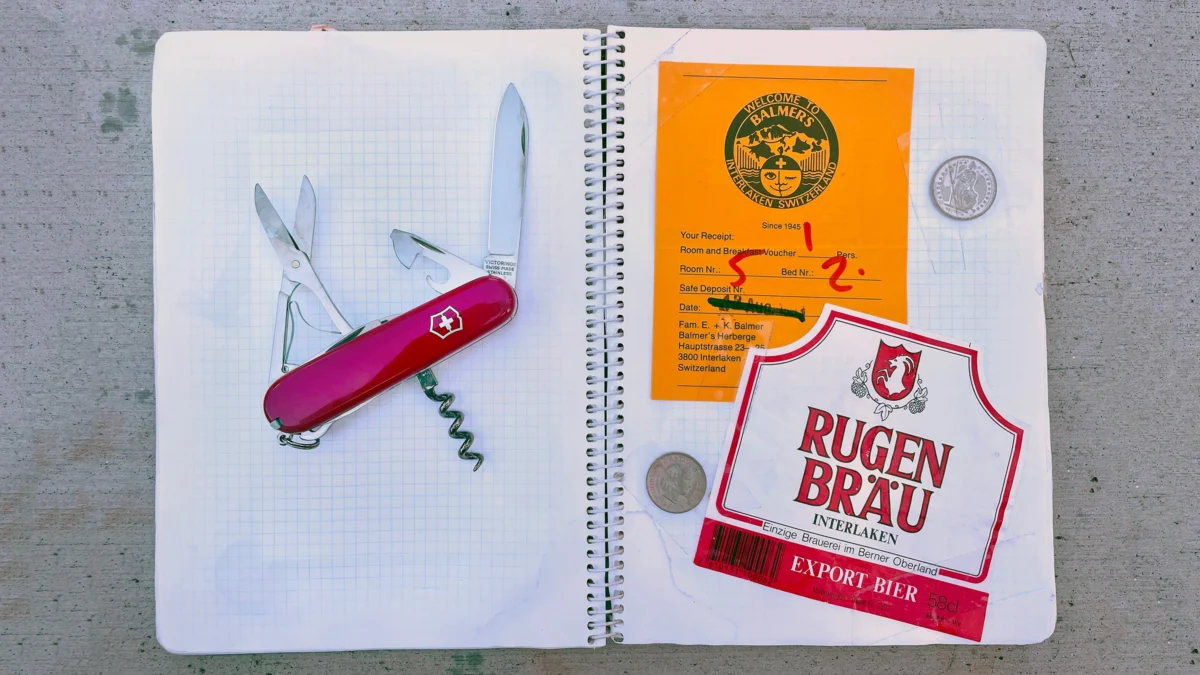
During her stay, Jhung found herself at Balmers Hostel in Interlaken, a hub for international travelers. Here, she forged connections with a diverse group of fellow adventurers – Australians, Canadians, and even two brothers from Washington D.C. Their shared days were filled with exhilarating activities, including her first whitewater rafting expedition and extensive hikes amidst the awe-inspiring snow-capped peaks. A particularly memorable interlude involved a stay at Gimmelwald’s Mountain Hostel, a secluded hamlet accessible only by gondola, lauded for its simplicity and natural beauty. This period in the Swiss Alps, she recalls, ignited a "mountain awakening" within her, a stark contrast to her upbringing in the coastal environment of Southern California.
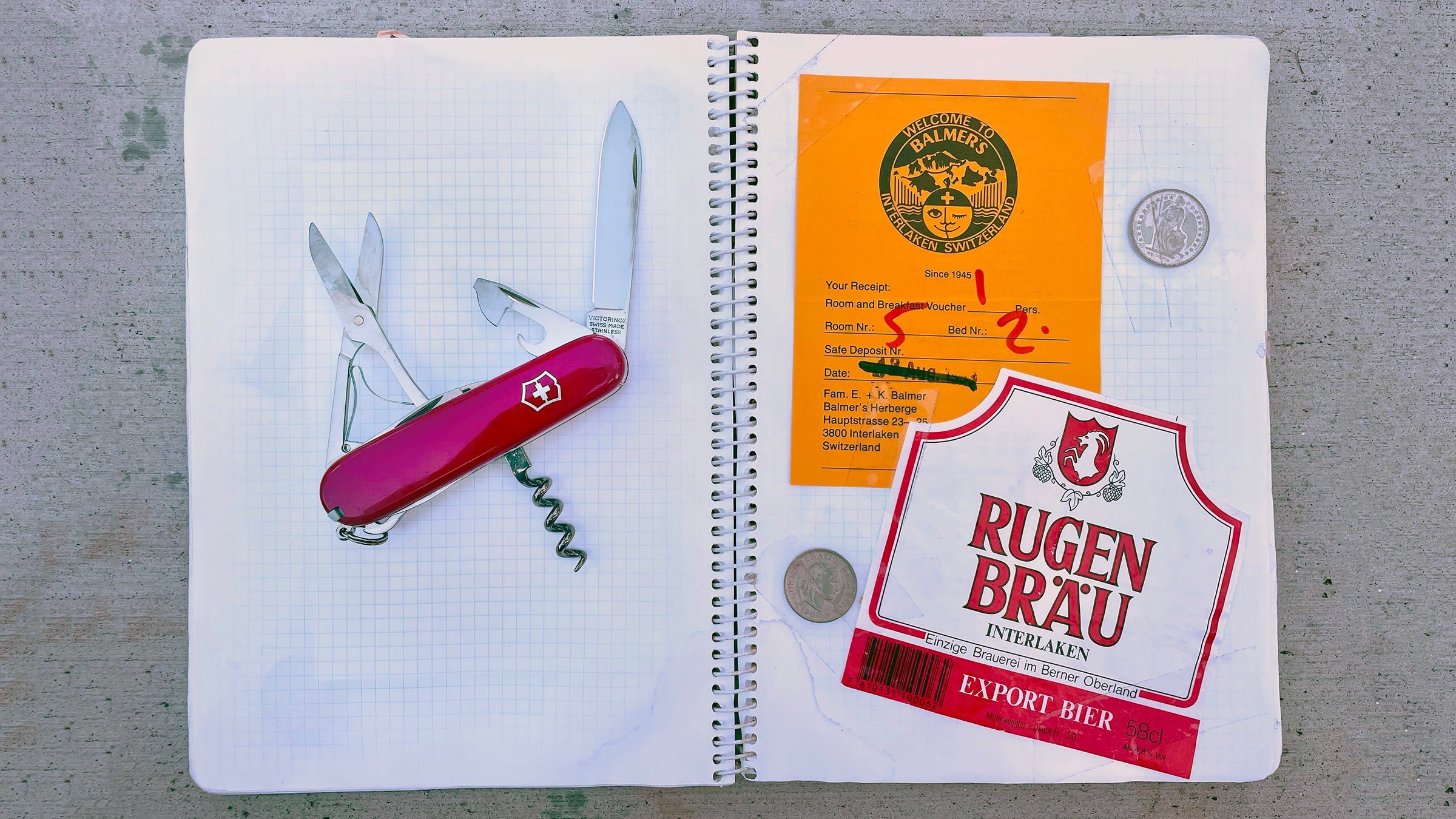
It was from the hostel’s general store, before her departure for Italy by train, that Jhung purchased her first Swiss Army Knife. This acquisition was a deliberate act, a conscious choice to arm herself with a token of self-sufficiency, a tangible symbol of her burgeoning independence as she continued her journey.
The Multifaceted Utility and Emotional Security of a Pocket Companion
The initial Swiss Army Knife became an indispensable companion throughout the remainder of Jhung’s European travels, weaving itself into the fabric of numerous cherished memories. One such instance involved a quest for the perfect picnic ingredients in Paris. Armed with her knife, she meticulously sliced fresh baguettes, ripe tomatoes, and crisp cucumbers, creating a delightful meal at the base of the Eiffel Tower. The knife’s bottle opener proved instrumental in cracking open a cold soda, a small but significant detail that underscored its practical value in everyday moments.
Another vivid recollection highlights the knife’s utility in a more personal, albeit less glamorous, capacity. Following a challenging 12-kilometer hike through the picturesque Cinque Terre villages of Italy, undertaken in the oppressive August heat, Jhung sought respite in the Mediterranean Sea. Upon returning to shore, she discovered the knife’s scissors to be perfectly suited for trimming her weary, battered toenails, a testament to its surprising range of applications, from grand adventures to humble personal care.
Beyond its practical functions, the Swiss Army Knife provided Jhung with a crucial sense of security as a solo female traveler in unfamiliar territories. In situations where she felt uneasy or observed by unwelcome attention, she would subtly retrieve the knife, feigning to clean its blade as a deterrent. In more overtly concerning circumstances, such as navigating potentially unsafe urban areas, she would discreetly deploy the corkscrew, gripping it firmly within her clenched fist, a silent yet potent symbol of her preparedness and resolve.
Upon her return to the United States, the multi-tool continued to prove its worth in everyday life. In her college apartment, it facilitated minor repairs, such as tightening loose screws on a worn desk. Her first camping trip, a foray into the wilderness of Yosemite Valley, further cemented its role as an essential piece of outdoor gear. She vividly remembers the simple pleasure of whittling a stick with its blade while perched on a rock, surrounded by the imposing granite formations.
The knife’s nested tweezers were a constant source of convenience, readily available for splinter removal, whether in the rugged backcountry or within the confines of civilization, offering a far more satisfying experience than conventional tweezers. Its bottle opener function made her the go-to person in social settings, and its screwdriver capabilities often impressed her male roommates, who would frequently find themselves without the necessary tools. "Wait! I have one!" became her triumphant refrain.

The nail file and toothpick, too, transcended their primary purposes. The toothpick proved invaluable for unclogging stubborn salt shakers, while the nail file served to smooth the rough edges of a splintering canoe paddle. These minor yet significant applications underscored the knife’s inherent adaptability and its ability to address unforeseen challenges with unexpected grace.
Collectively, these experiences imbued the Swiss Army Knife with a profound symbolism. It became an emblem of self-sufficiency, resourcefulness, and the ever-present promise of adventure.
The Unforeseen Departure and the Longing for Return
The author’s initial Swiss Army Knife met an untimely end at the hands of a TSA agent during a routine carry-on inspection. The forfeiture, a consequence of haste and an inability to reroute the item, left a small void in her possession and, as she later realized, in her memory. Years passed, and despite its utility, the knife was never replaced. The author speculates that perhaps, on an subconscious level, she felt an unspoken imperative to return to Switzerland to properly acquire its successor, as if the original had been inextricably linked to the land of its origin.
In the intervening years, the memory of her trusty multi-tool receded, occupying little mental real estate. However, the chance encounter with the display of Swiss Army Knives in Lucerne abruptly resurrected these dormant memories, proving that the emotional resonance of certain objects can endure, resurfacing with unexpected intensity.
The Enduring Power of Purpose-Built Gear
While acknowledging the existence of numerous contemporary multi-tools, many of which boast advanced features like stainless steel frames, locking mechanisms, and specialized blades for heavy-duty tasks, Jhung emphasizes the unique value of her Swiss Army Knife. It transcends mere functionality; it is imbued with a rich tapestry of sentimental value. This observation leads to a broader contemplation of the profound emotional impact that well-designed and purpose-built gear can have on an individual’s life.
The act of holding her new Swiss Army Knife, even without deploying a single tool, evokes a dual sense of identity. It reconnects her to the adventurous, resourceful 21-year-old backpacker she once was, while simultaneously affirming her continued self-sufficiency and adventurous spirit as a modern traveler and outdoorswoman. The simple object serves as a tangible link to past experiences and a reassuring reminder of inherent capabilities, demonstrating how deeply personal histories can become interwoven with the objects we choose to carry through life. The purchase in Lucerne was not merely a transaction; it was a rediscovery, a potent reminder that the most enduring souvenirs are often those that carry the weight of our personal journeys.