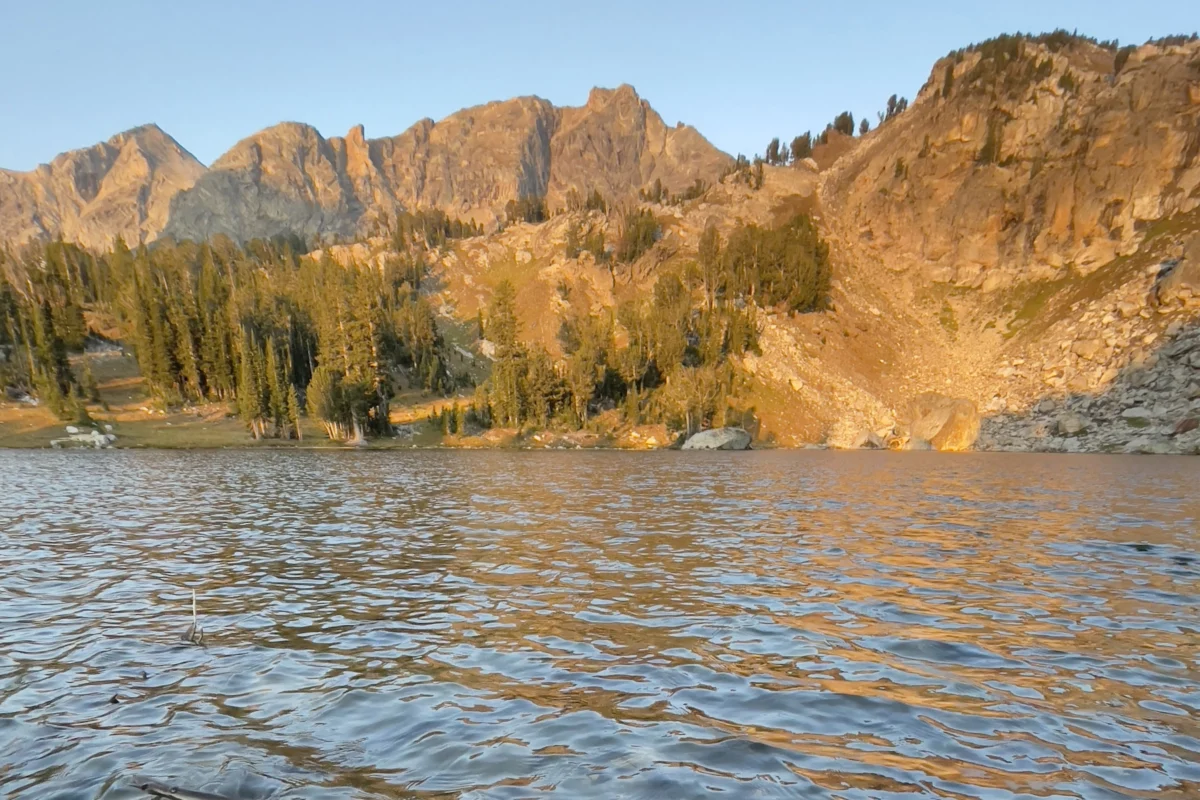
Grand Teton National Park, a crown jewel of Wyoming’s natural landscapes and a significant draw for tourism, has successfully expanded its protected acreage through a series of strategic land acquisitions. The National Park Service (NPS), in collaboration with multiple state and local entities, has finalized the purchase of an additional 35 acres, marking a significant milestone in a long-term effort to preserve critical wildlife habitat and scenic vistas adjacent to the park. This latest acquisition brings the total land added to Grand Teton through these partnerships to over 200 acres, underscoring the commitment to safeguarding this ecologically vital region.
A Decades-Long Endeavor to Conserve a Priceless Landscape
The recent acquisition of 35 acres for $10,995,000, translating to an impressive $310,000 per acre, highlights the extreme land values in the Jackson Hole area. This transaction represents the culmination of a quarter-century-long partnership with the Resor family, who have historically owned and managed the vast Snake River Ranch, the largest privately held ranch in Wyoming. Since 2001, the NPS and its conservation partners have worked to acquire six separate parcels from the Resor family, totaling 212.4 acres, with the goal of integrating these lands into the national park’s protected boundary.
The process has been meticulously orchestrated, involving significant collaboration and funding from various organizations. A key partner throughout this endeavor has been The Conservation Fund (TCF), a national nonprofit organization dedicated to protecting at-risk lands and natural resources. TCF has played a pivotal role in facilitating these transactions, leveraging its expertise in land conservation and its ability to secure crucial funding. The most recent purchase, officially celebrated in a public ceremony on July 15th, was partly financed by the federal Land and Water Conservation Fund (LWCF). Established in 1965, the LWCF utilizes revenues from offshore oil and gas leasing to support conservation and recreation projects across the nation, making it an indispensable tool for expanding and protecting America’s public lands.
Strategic Location and Ecological Significance

The newly acquired lands are strategically situated near the park’s southwestern entrance, an area recognized for its crucial role in supporting the region’s rich biodiversity. This proximity to Jackson Hole, a community consistently ranked among the wealthiest in the United States with a high per capita income, directly contributes to the elevated land prices. The acquisition ensures that these valuable acres, which were at a significant risk of private development, will now be preserved in perpetuity, safeguarding their ecological integrity.
The Greater Yellowstone Ecosystem, of which Grand Teton National Park is a vital component, is a sanctuary for a multitude of endangered, threatened, and at-risk species. These include iconic wildlife such as the Canada lynx, the yellow-billed cuckoo, the greater sage grouse, and the western glacier stonefly, all of which rely on the intact habitats that these newly protected lands provide. The preservation of these areas is not merely about expanding park boundaries; it is about ensuring the survival and flourishing of these species and maintaining the delicate ecological balance of the entire ecosystem.
Official Responses and Endorsements
Grand Teton National Park Superintendent Chip Jenkins expressed his profound gratitude for the successful conclusion of this long-term conservation effort. In a press release, Jenkins stated, "The landscapes that define Grand Teton National Park exist today because generations of people have made the commitment to protect them. This milestone represents decades of stewardship and collaboration to conserve wildlife habitat, maintain the scenic character visitors cherish, and preserve the integrity of this landscape." His remarks underscore the intergenerational commitment required for successful public land preservation.
Dan Schlager, Wyoming State Director for The Conservation Fund, highlighted the critical nature of the land’s location, noting its proximity to the Jackson Hole Mountain Resort and the inherent risk of development it faced. "Together, these lands help safeguard the scenic character, wildlife habitat and recreational opportunities that define the park and the Greater Yellowstone Ecosystem," TCF stated in a press release, emphasizing the multifaceted benefits of the acquisitions. The ongoing partnership between federal agencies, conservation organizations, and private landowners like the Resor family has been instrumental in achieving these conservation goals.
Economic Implications and Broader Impact

The expansion of Grand Teton National Park carries significant economic implications for Wyoming and the surrounding region. In 2024 alone, the park welcomed an estimated 3.6 million visitors, contributing an astounding $983 million to the local economy. Outdoor recreation is a cornerstone of Wyoming’s economy, accounting for 4.5% of the state’s Gross Domestic Product, placing it among the top states in the nation for its reliance on outdoor industry jobs.
An expanded park can potentially attract even more visitors, leading to increased demand for tourism-related services and creating new employment opportunities in hospitality, guiding, and retail sectors. This growth, however, must be carefully managed to ensure it aligns with conservation objectives and does not negatively impact the very natural resources that draw visitors in the first place. The NPS faces the ongoing challenge of balancing increased visitation with the preservation of the park’s wilderness character and ecological health.
The success of these land acquisitions also sets a precedent for future conservation efforts in areas facing intense development pressure. It demonstrates that with sustained commitment, strategic partnerships, and dedicated funding, it is possible to secure vital natural landscapes even in the face of escalating land costs. The $310,000 per acre figure, while substantial, pales in comparison to the long-term ecological, recreational, and economic benefits that preserving these lands will provide for generations to come.
A Legacy of Stewardship
The acquisition of these 35 acres represents more than just an increase in acreage; it is a testament to a shared vision for conservation and a legacy of stewardship. For nearly a century, the Snake River Ranch has been a part of the Wyoming landscape, and its transition to protected parkland marks a new chapter in its history. The ongoing efforts by the National Park Service, The Conservation Fund, and other stakeholders underscore the vital importance of protecting our nation’s natural heritage.
While a few hundred acres might seem a modest addition to a park already exceeding 300,000 acres, for conservationists and advocates for public lands, these achievements are monumental. They signify a victory for wildlife, a preservation of natural beauty, and an investment in the future of outdoor recreation and ecological health. The story of Grand Teton’s expansion is a powerful reminder of what can be accomplished when diverse groups unite with a common purpose to protect the irreplaceable treasures of our natural world. The ongoing demand for pristine wilderness experiences, coupled with the increasing pressures of development, makes such land preservation efforts more critical than ever. This latest acquisition serves as a beacon of hope, illustrating that even in the most sought-after and expensive landscapes, conservation can prevail.