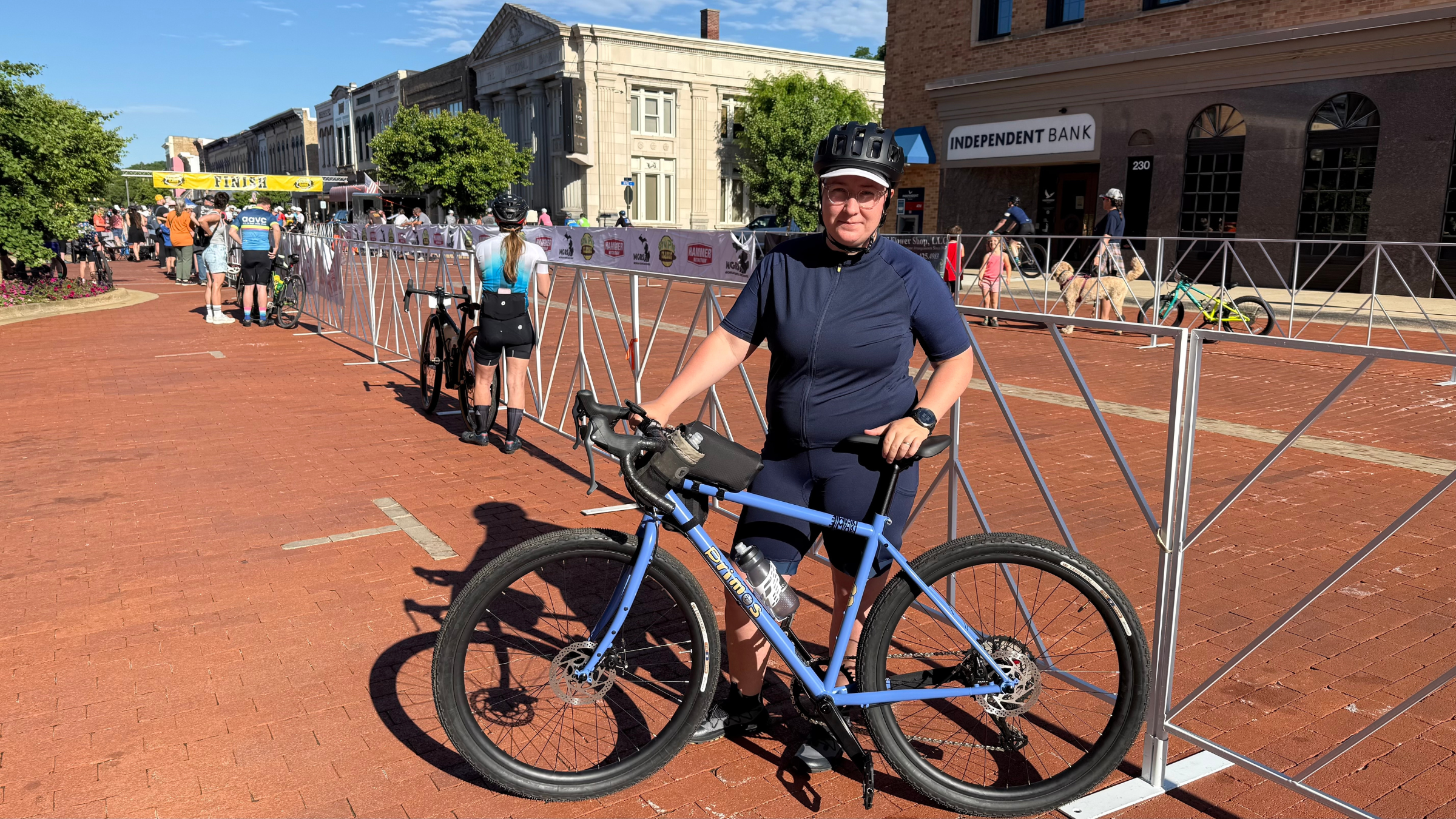
The rapid rise of gravel cycling in the United States has transformed from a niche subculture into one of the most accessible gateways for outdoor endurance athletics. As of 2026, participation in gravel events has grown by an estimated 15 percent annually, according to industry reports. This trend was exemplified during the June 2026 Cow Pie Classic in Ionia, Michigan, where a diverse field of riders—ranging from professional-grade competitors to first-time enthusiasts—converged to navigate 34 miles of rural terrain. For many newcomers, the barrier to entry remains the high cost and technical complexity of specialized equipment. However, a systematic approach to gear selection can bridge the gap between novice status and race-day performance.
The Evolution of the Gravel Racing Landscape
Gravel cycling, which combines the speed of road riding with the durability requirements of mountain biking, has effectively democratized bike racing. The Cow Pie Classic serves as a prime example of this shift. Located in western Michigan, the event utilizes the region’s vast network of unpaved, agricultural access roads. Unlike traditional road races that require closed circuits and high-speed pacelines, gravel events emphasize endurance and mechanical self-sufficiency.
For first-time racers, the psychological hurdle of standing at the starting line alongside elite athletes is significant. The professionalization of the sport, often characterized by high-end carbon-fiber frames and aerodynamic apparel, often intimidates casual riders. Yet, analysis of recent race outcomes indicates that success at the beginner level is less about marginal gains in equipment weight and more about reliability and confidence-inspiring design.
Essential Hardware: The Foundation of the Ride
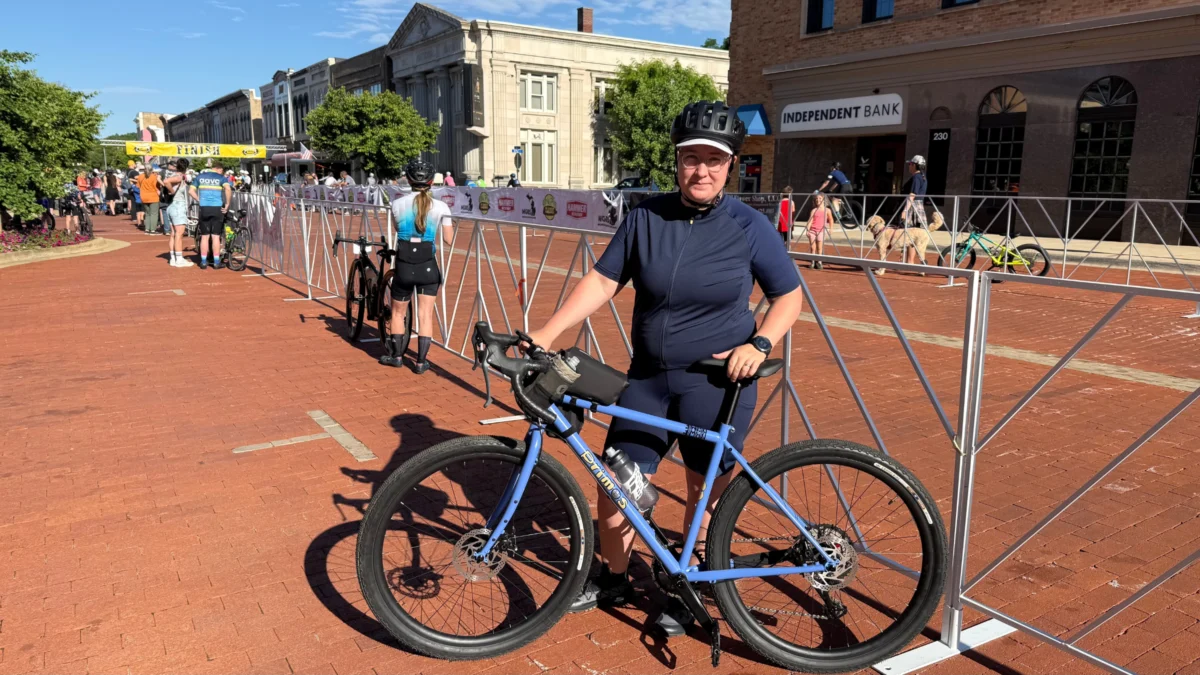
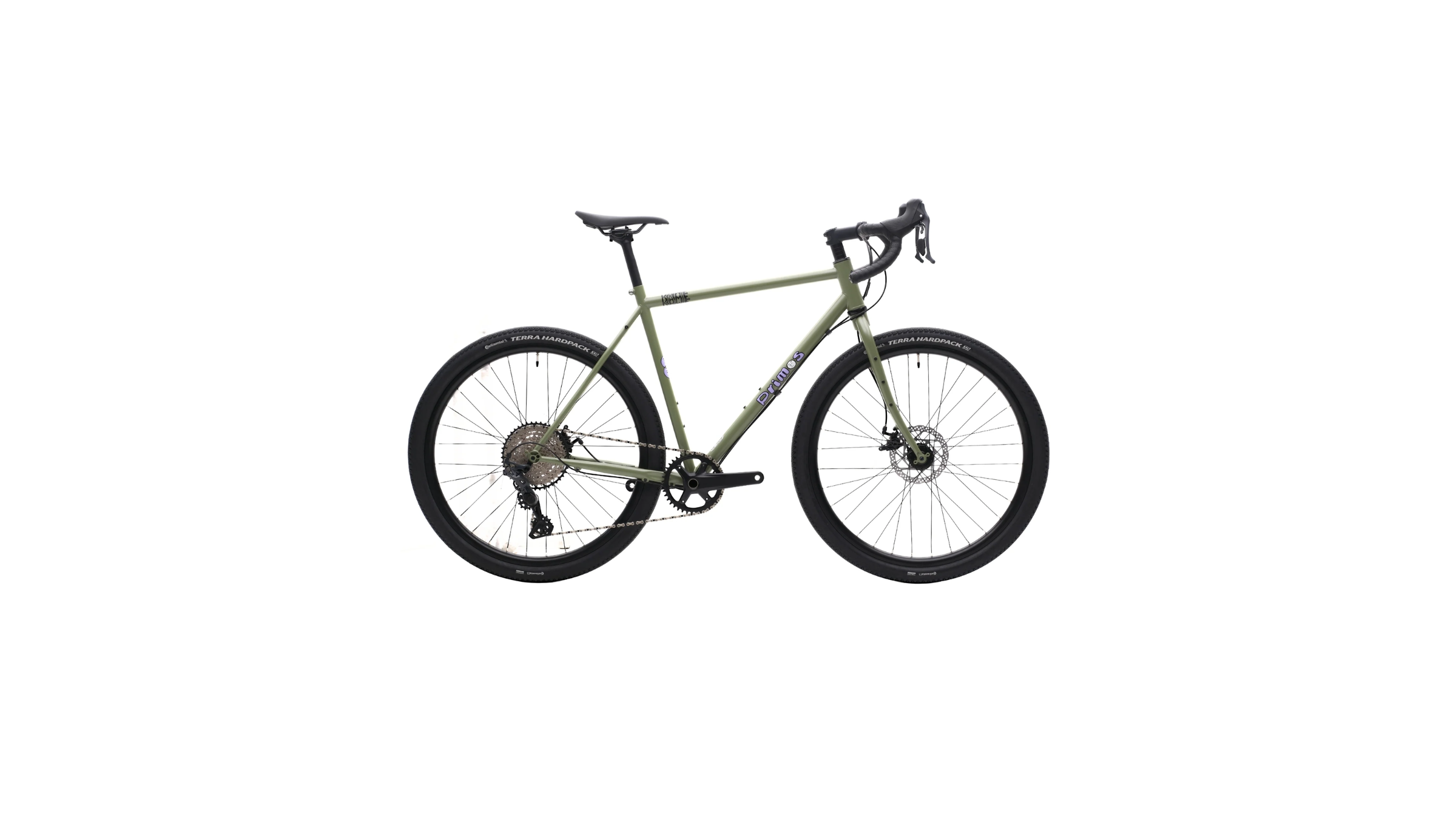
The choice of a primary vehicle remains the most significant financial commitment for any cyclist. The Primos Dame gravel bike, priced under $1,000, illustrates the viability of accessible gear for non-professional riders. Constructed with a chromoly steel frameset, the bike prioritizes structural integrity over extreme lightweight performance.
Data from the race suggest that on technical sections—such as mowed grass and singletrack—the increased weight of a steel frame provides a lower center of gravity. This translates to enhanced stability, particularly for riders navigating uneven surfaces where a lighter, twitchier bike might suffer from excessive vibration or instability. While competitive riders prioritize acceleration, beginners benefit from the "planted" feel of a more robust frame, which reduces the fatigue associated with constant micro-adjustments in steering.
Safety and Ergonomics: The Role of Specialized Apparel
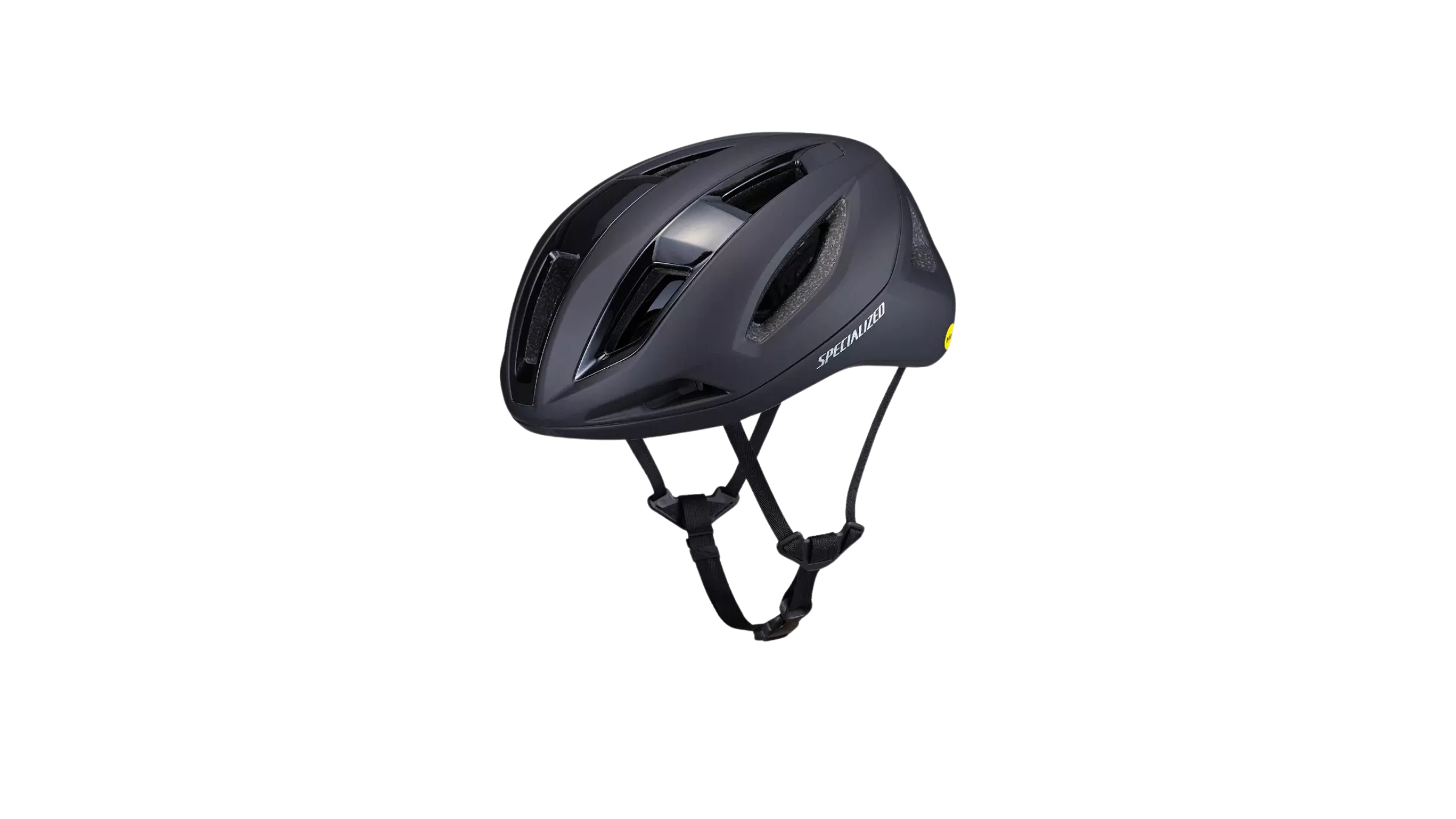
Safety remains the primary objective for event organizers and participants alike. The Specialized Search helmet is indicative of a broader industry shift toward cross-functional protective gear. By blending the rear-skull coverage typical of mountain bike helmets with the ventilation of road-specific designs, the helmet addresses the varied terrain—from wooded trails to exposed farmland—encountered in gravel racing.
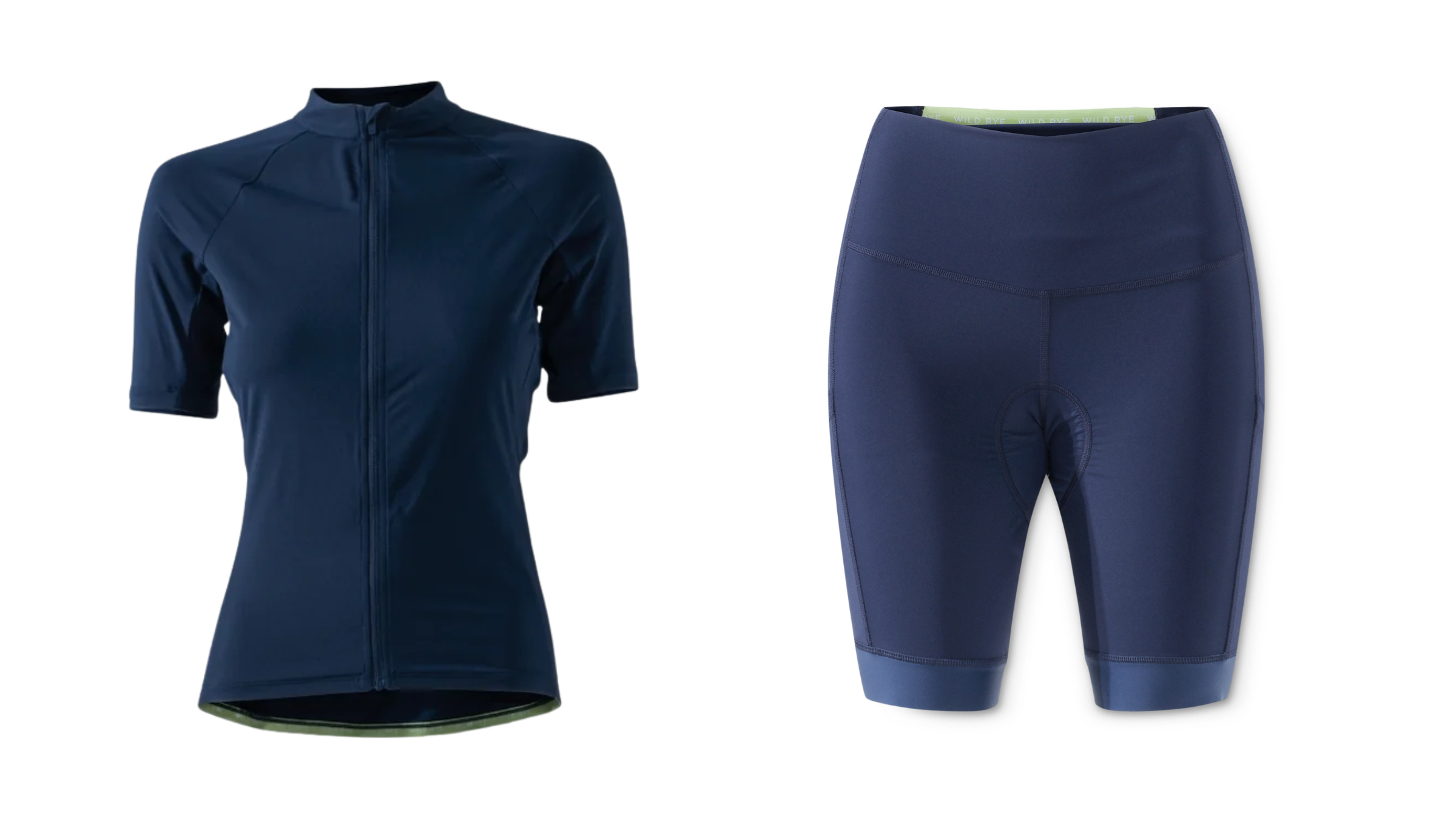
In terms of apparel, the integration of high-performance materials has improved comfort for extended periods in the saddle. Brands like Wild Rye have catered to a broader demographic by focusing on ergonomic fit, specifically addressing common complaints such as restrictive sleeve cuffs and tight abdominal profiles. The use of high-waisted, yoga-inspired chamois shorts has also become a standard recommendation for preventing soft-tissue irritation, a primary cause of DNF (Did Not Finish) results among amateur riders.
Footwear and Mechanical Self-Sufficiency
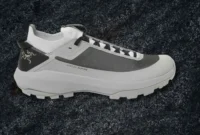
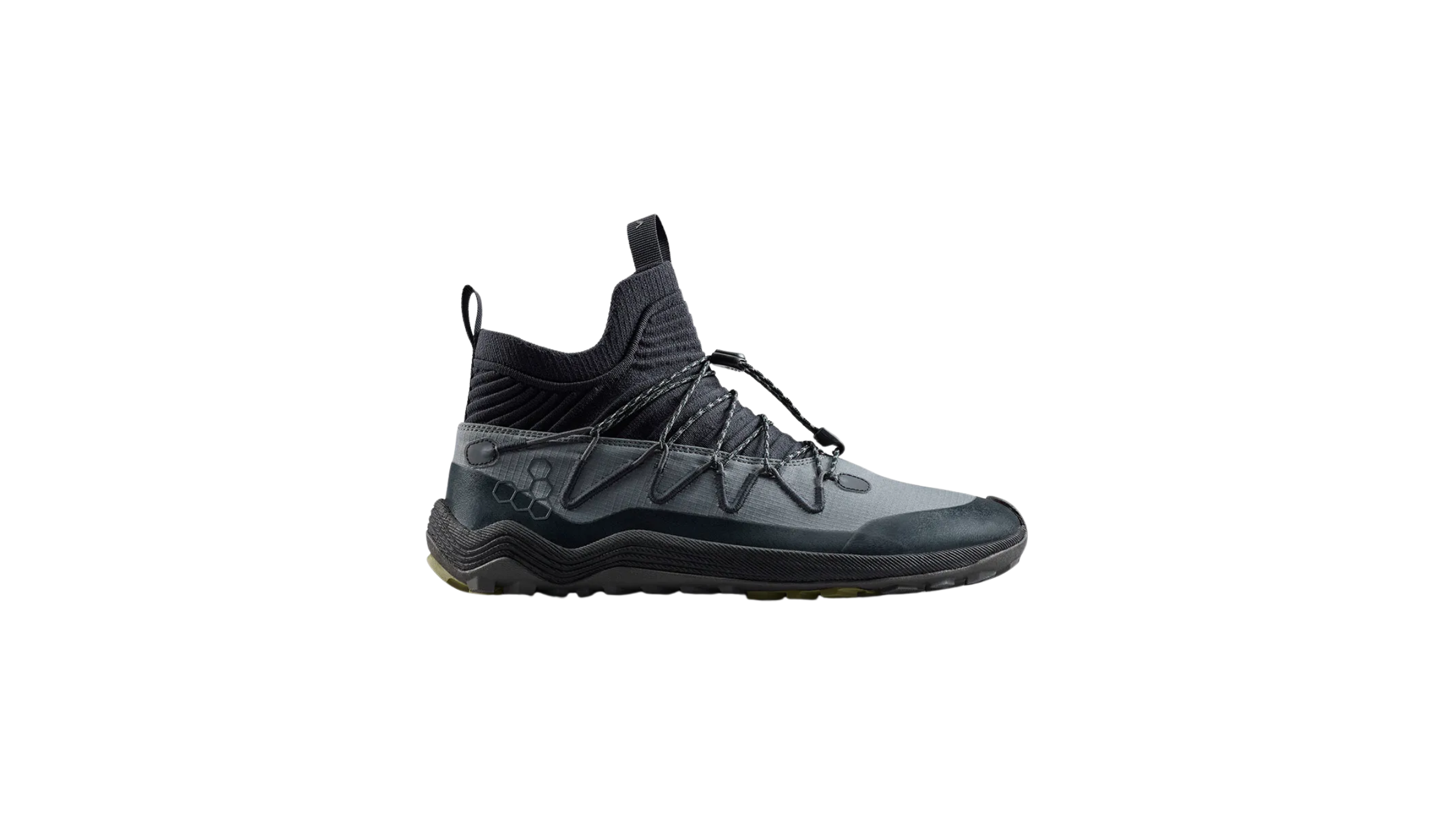
One of the most persistent debates in cycling is the necessity of clipless pedals. While professional riders exclusively use locking systems for power transfer efficiency, the risks—specifically the learning curve involved in emergency dismounts—can be prohibitive for beginners. Wearing flat-soled, high-traction shoes like the Vivobarefoot Primus Trail Flow Mid provides an alternative that balances comfort with the ability to traverse non-rideable sections of a course.
Mechanical failure represents the most common threat to a rider’s progress. As a result, the transition to tubeless tire setups has become nearly universal. Upgrading to tires such as the Panaracer GravelKing SK offers a balance of puncture resistance and grip. Furthermore, the inclusion of a dedicated tubeless repair kit, such as the Muc-Off Puncture Plug, acts as an essential contingency. In a race scenario, being able to seal a puncture without removing the wheel or utilizing a spare inner tube can save upwards of 15 to 20 minutes, effectively keeping a participant in the race.
Hydration and Metabolic Management
Physiological data confirms that hydration strategies must be personalized based on sweat sodium concentration. Recent testing protocols have revealed that athletes can vary significantly in their electrolyte loss, with some individuals losing upwards of 1,100 mg of sodium per liter of sweat. For riders in the Cow Pie Classic, failure to maintain this balance often results in performance degradation or health issues such as muscle cramping or heat-related migraines.
The industry standard has shifted toward "Goldilocks" hydration mixes—those that provide sufficient electrolytes (sodium, potassium, calcium, and magnesium) without excessive sugar content. Utilizing a consistent delivery system, such as the Camelbak Podium bottle, ensures that hydration remains a simple, non-distracting aspect of the race. Keeping one bottle for electrolyte-infused fluid and another for plain water is a common strategy that provides both metabolic support and a means to rinse debris from gear.
Chronology of a Successful Race Strategy
- Pre-Race Preparation (3 Months Prior): Selection of a bike with stable geometry; initial testing of gear on terrain similar to the race course.
- Mechanical Tuning (1 Month Prior): Conversion to a tubeless tire setup; consultation with a local bike shop to ensure drivetrain compatibility.
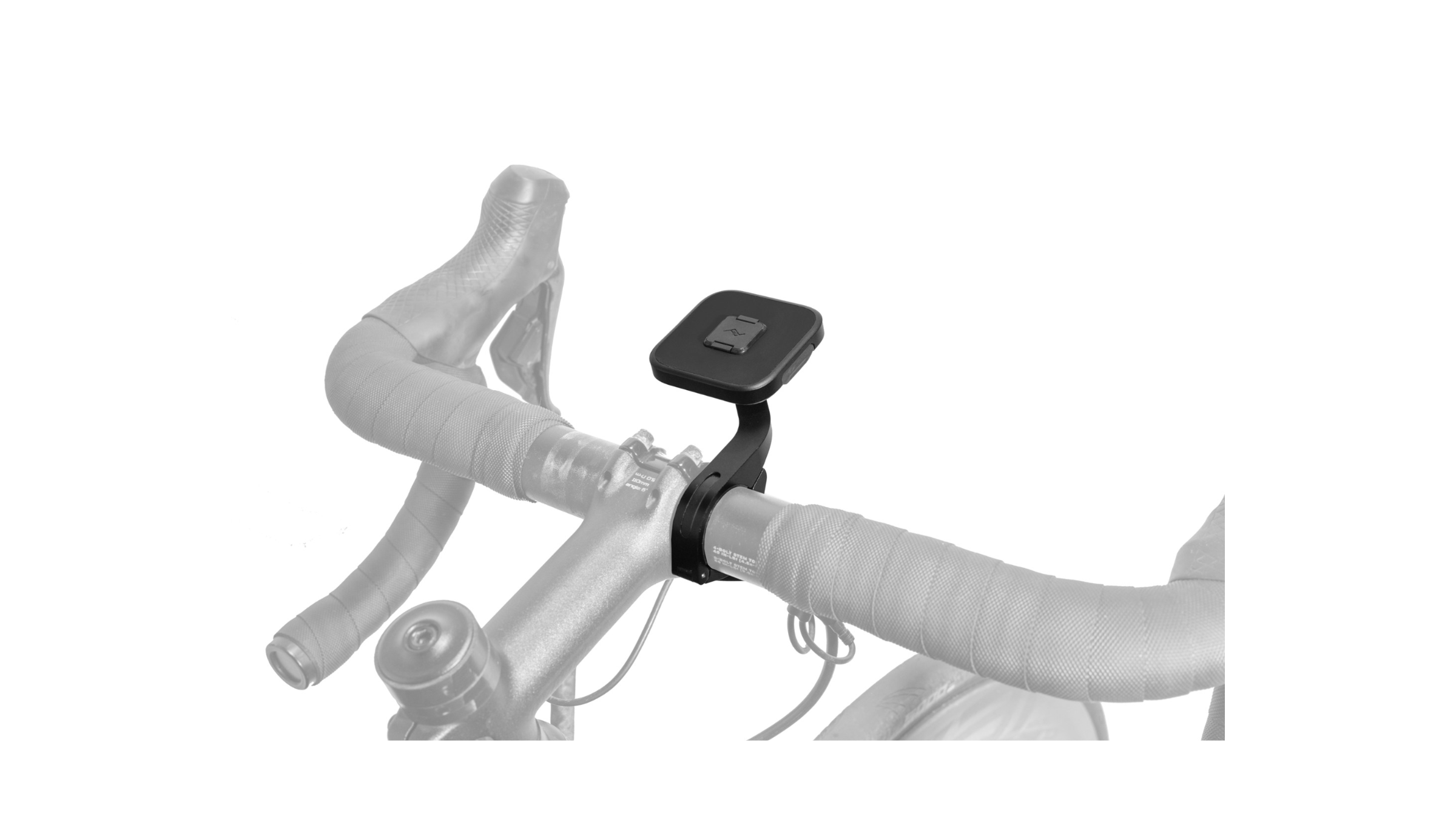
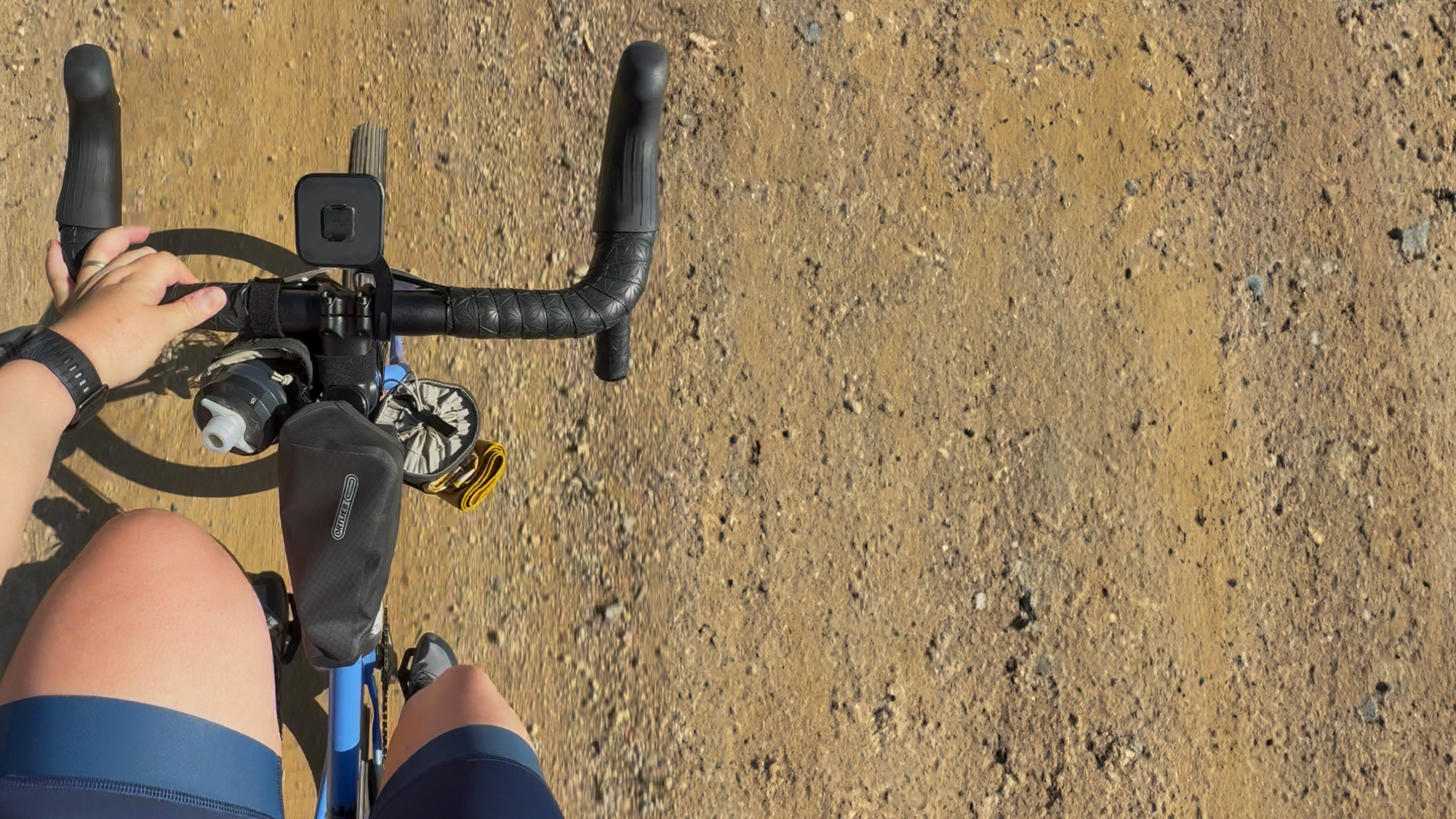
- Logistics and Mounting (2 Weeks Prior): Installation of a secure, frame-mounted phone interface for real-time navigation and route tracking.
- Nutrition Dialing (1 Week Prior): Performance of a sweat-sodium test to establish a baseline for electrolyte supplementation.
- Race Day: Execution of a pacing strategy that emphasizes steady effort over competitive bursts, ensuring mechanical integrity and hydration throughout the 34-mile route.
Broader Implications for the Sport
The accessibility of gravel cycling is expected to continue its upward trajectory as more events move toward inclusive, community-focused formats. For the average participant, the "gravel revolution" is not about the technological arms race often seen in road cycling, but about the democratization of adventure.
Official statements from event directors at the Cow Pie Classic suggest that the influx of new riders has necessitated improved course marking and support structures, such as clearly defined aid stations and robust mechanical support. This institutional support, combined with an industry that is increasingly designing gear for the "everyman" rather than the elite, creates a sustainable future for the sport.
As the market continues to refine entry-level products—from sub-$1,000 bikes to customizable electrolyte mixes—the barrier to entry will likely continue to drop. This evolution ensures that the gravel scene remains a viable path for individuals looking to challenge themselves physically and mentally within the context of the outdoors, regardless of their prior racing experience. The ability to complete a race without incident, utilizing gear that is both affordable and reliable, remains the true benchmark of success for the modern gravel beginner.