









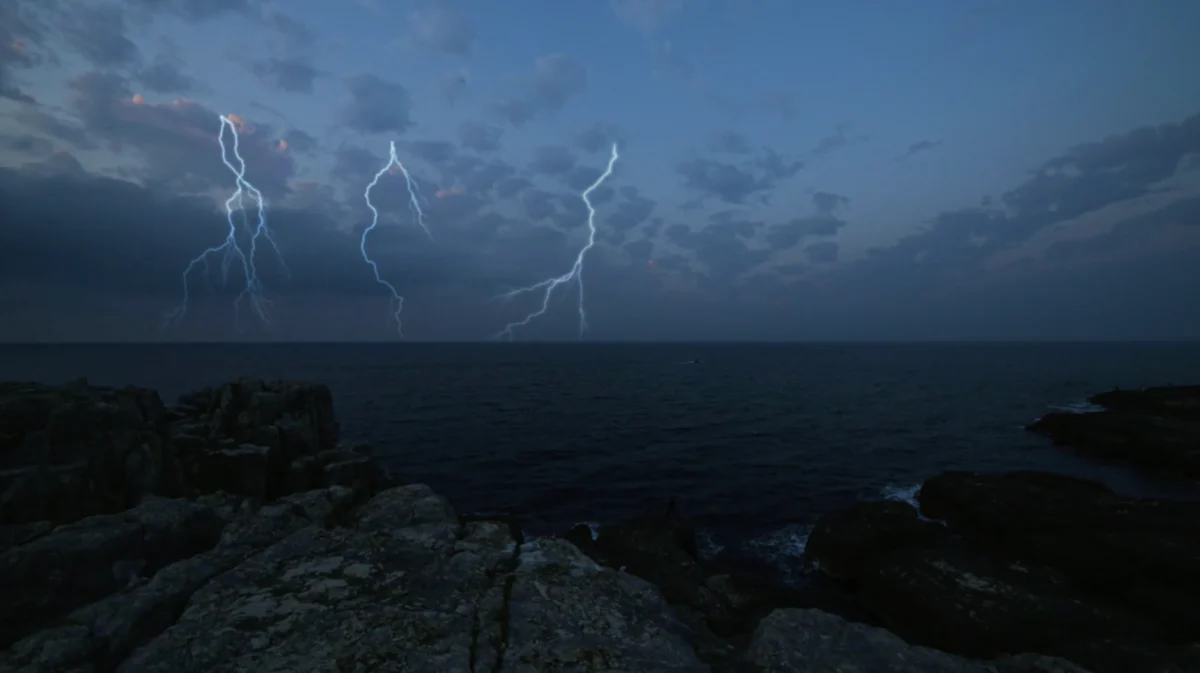
Capturing the raw, untamed power of a lightning strike remains one of the most challenging yet rewarding pursuits in landscape and meteorological photography. Because no two electrical discharges follow the exact same path or duration, every successful capture results in a unique, irreproducible image. Successfully documenting these atmospheric phenomena requires a combination of technical proficiency, strategic planning, and, above all, a rigid adherence to safety protocols. As atmospheric instability increases due to shifting climate patterns, photographers are increasingly tasked with balancing the artistic desire for dramatic imagery against the inherent risks of storm chasing.

The Physics and Mechanics of Lightning
Lightning is an electrostatic discharge caused by the imbalance between storm clouds and the ground, or within the clouds themselves. A single bolt can reach temperatures of 50,000 degrees Fahrenheit—roughly five times hotter than the surface of the sun—and contains upwards of 300 million volts and 30,000 amperes. For photographers, understanding these mechanics is essential for timing the exposure. Because a strike happens in a fraction of a second, the camera does not "see" the light the way the human eye does; rather, the camera acts as a collector of the discharge’s intense luminosity over the duration of the shutter’s opening.
Essential Equipment for Storm Photography
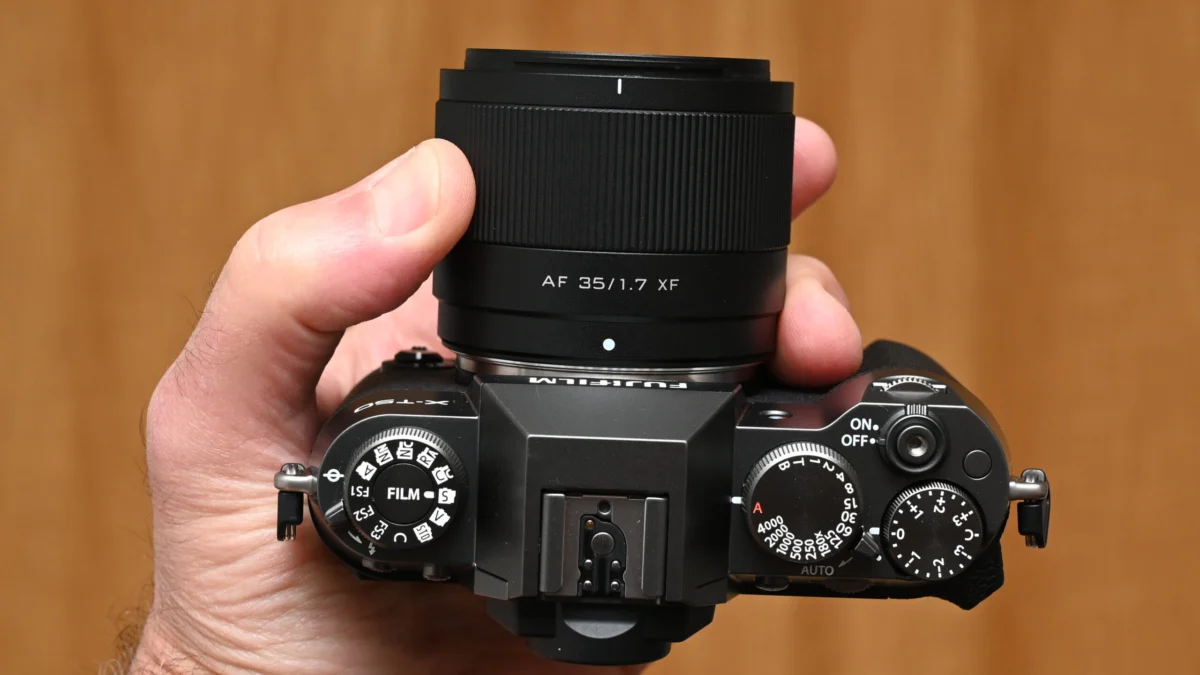
To effectively capture lightning, the barrier to entry is relatively low, provided one has the correct manual controls. The foundational kit includes a sturdy tripod, a camera capable of long-exposure settings, and a wide-angle lens.

- Tripod Stability: High winds often accompany storm fronts. A heavy-duty tripod is non-negotiable to prevent micro-vibrations that could ruin long-exposure shots.
- Manual Controls: A DSLR or mirrorless camera with full manual control over shutter speed, aperture, and ISO is required.
- Specialized Triggers: For professionals or enthusiasts seeking higher hit rates, lightning triggers are a significant advancement. These devices use light-sensing technology to detect the initial ionization of a strike and trigger the shutter within milliseconds, removing the human reaction-time delay from the equation.
Strategic Safety Protocols
Meteorologists and public safety officials consistently emphasize that no photograph is worth the risk of a lightning strike. The National Weather Service (NWS) maintains that if a person can hear thunder, they are within striking distance of lightning.
The "30-30 Rule" serves as a standard safety guideline: If the time between seeing a flash and hearing the corresponding thunder is 30 seconds or less, the lightning is close enough to pose a significant threat. In such cases, all personnel should seek immediate shelter inside a substantial building or a fully enclosed metal-topped vehicle. Staying in open fields, near tall isolated trees, or near bodies of water significantly increases the risk of being the path of least resistance for a strike. Professional photographers often employ remote triggering systems, allowing them to operate their cameras from the safety of a vehicle or building while the hardware remains exposed to the storm.

Technical Parameters and Camera Configuration
Achieving a high-quality lightning image is a process of balancing ambient light with the extreme brightness of the strike. The following settings serve as a baseline for nighttime operations:
- Focusing: Use manual focus set to "infinity." Auto-focus systems are notoriously unreliable in the low-contrast, high-movement conditions of a storm.
- ISO: Maintain the lowest native ISO (typically 64 or 100) to minimize digital noise.
- Aperture: Start at f/5.6 or f/8. A smaller aperture (higher f-stop number) helps prevent overexposure if the bolt is particularly close or bright, while a larger aperture is useful for faint, distant strikes.
- Shutter Speed: Use a long exposure between 5 and 30 seconds. Because lightning is a self-illuminating subject, the shutter speed does not dictate the brightness of the bolt itself, but rather the brightness of the ambient landscape.
Chronology of a Storm Shoot
A professional approach to storm photography follows a strict timeline. Before the storm arrives, the photographer should identify a location with a clear vantage point and an interesting foreground—such as a skyline, bridge, or mountain range—to provide context and scale to the lightning.

Once the storm enters the vicinity, the photographer must establish a base of operations. The period of "pre-storm" photography is often the most productive, as it allows for the capture of the atmospheric tension before the precipitation makes operation impossible. During the event, the photographer must continuously monitor the 30-30 rule. As the storm passes, the focus shifts to documenting the dissipation of the cell, which often provides the most dramatic cloud-to-cloud lightning patterns.
Data-Driven Analysis of Lightning Impact
Recent studies by the National Oceanic and Atmospheric Administration (NOAA) suggest that climate change is contributing to an increase in the frequency and intensity of severe thunderstorms globally. This has profound implications for photographers. While the increased frequency of storms may provide more opportunities for documentation, the volatile nature of these intensified systems requires more robust safety planning. The economic impact of lightning is also significant, with millions of dollars in damages to infrastructure occurring annually; photographers documenting these events are, in effect, contributing to a historical record of meteorological change.

Composition and Artistic Vision
The aesthetic value of a lightning photograph is heavily dependent on composition. While it is tempting to point the camera directly at the center of the storm, the most compelling images often include a terrestrial element to anchor the viewer.
Using a wide-angle lens allows for a broader field of view, which is vital because the exact trajectory of a strike is unpredictable. If the resulting image is too wide, the high resolution of modern sensors allows for a clean crop in post-production. Some advanced photographers utilize dual-camera setups—one with a wide-angle lens to capture the breadth of the storm and another with a standard focal length to focus on specific, high-activity areas of the sky.

The Role of Patience and Professional Persistence
Success in this field is rarely achieved on the first attempt. It is common for photographers to capture hundreds of frames, the majority of which may contain no lightning or may be overexposed due to the sudden intensity of a nearby strike. The "hit rate" is inherently low, making patience a primary requirement for the craft.
Furthermore, the transition from day to night photography requires a shift in mindset. Daytime lightning photography is significantly more difficult because the high ambient light limits the shutter speed. Using Neutral Density (ND) filters can help simulate nighttime conditions, allowing for longer exposures during daylight hours, though the contrast between the bolt and the sky remains lower than at night.

Conclusion and Future Considerations
The documentation of lightning is a synthesis of art and science. It requires an understanding of meteorological conditions, an intimate knowledge of camera hardware, and a profound respect for the volatility of nature. As technology evolves—specifically with the refinement of AI-assisted triggers and high-speed sensors—the ability to capture these fleeting moments will become more accessible. However, the core principles remain unchanged: prioritize safety, plan for the unexpected, and remain patient in the face of one of nature’s most magnificent displays. By adhering to these professional standards, photographers can produce images that not only captivate audiences but also serve as a testament to the raw, natural forces shaping our planet.