





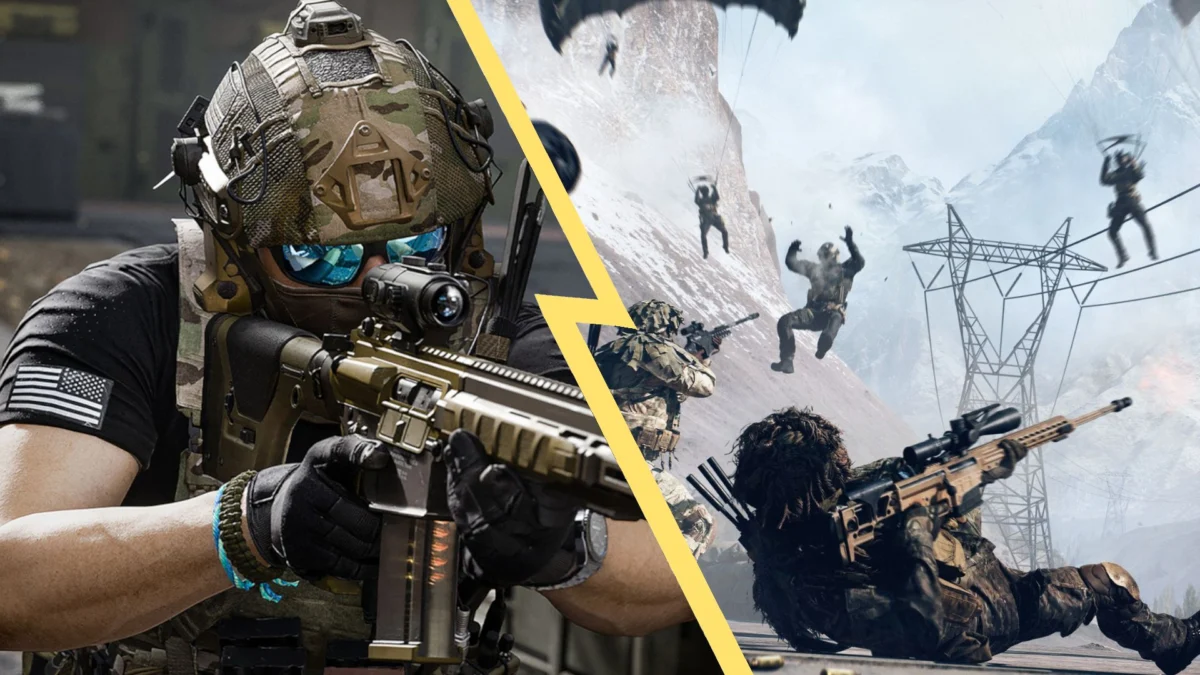
The landscape of first-person shooter (FPS) gaming has long been defined by its variety of objective-based and deathmatch-oriented game modes, yet rarely do fans have the opportunity to formally debate and rank these pillars of the genre. As part of a month-long community engagement initiative, PC Gamer has concluded the second round of its "Greatest FPS Mode of All Time" tournament, a bracket-style competition that has seen over 2,500 individual votes cast by readers. The tournament, hosted within the FOV 90 column, aims to determine which mode truly represents the pinnacle of competitive shooter design, pitting foundational classics against modern industry juggernauts.
Tournament Chronology and Methodology
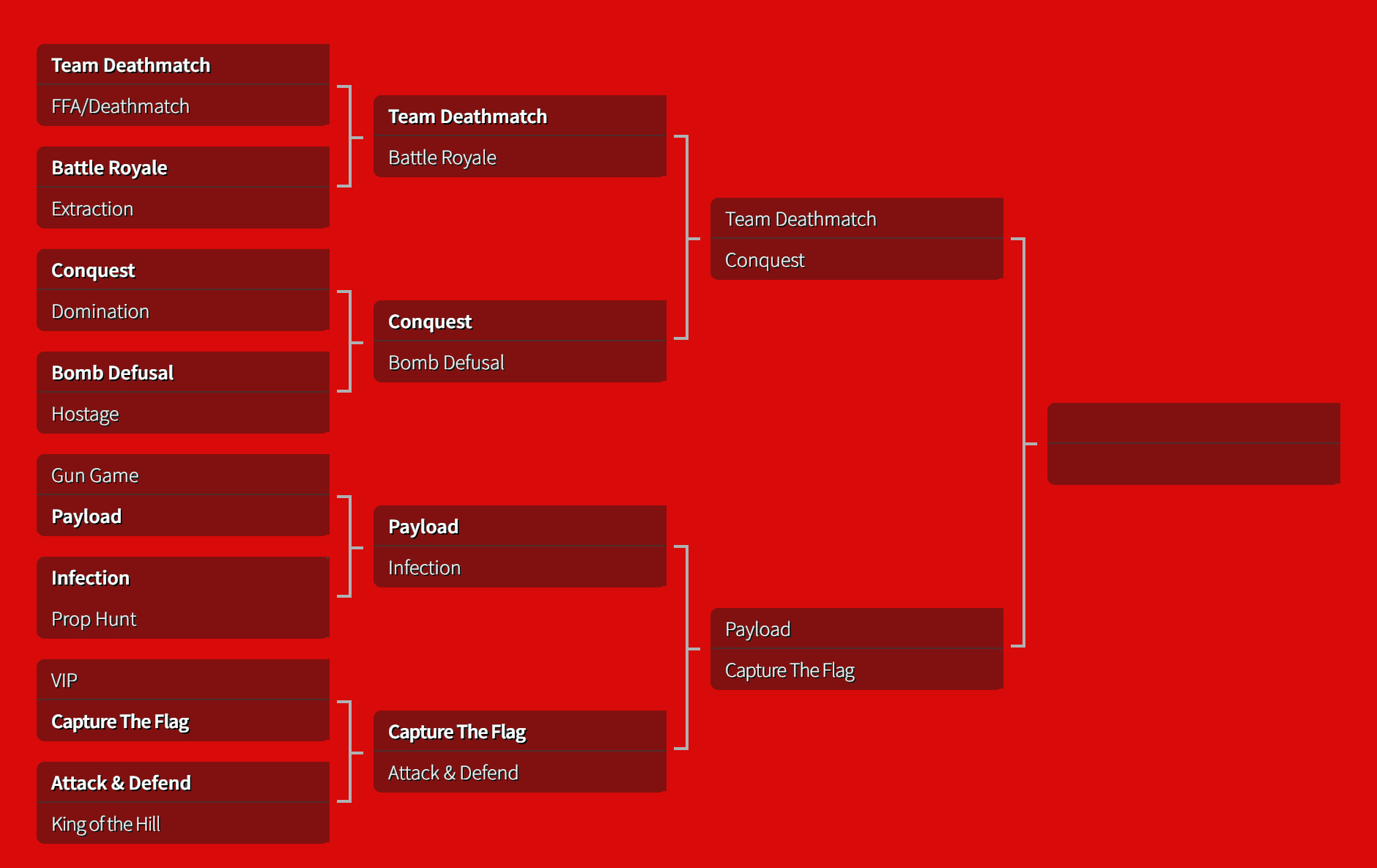
The tournament began as an effort to dissect the core mechanics that make FPS games enduringly popular. The selection process involved identifying 16 distinct modes that have shaped the history of the genre, ranging from the ancestral roots of Team Deathmatch to the high-stakes tactical demands of modern Battle Royale.
In the initial round, participants were presented with head-to-head matchups. The primary goal was to isolate the specific qualities—such as pacing, objective clarity, and team coordination requirements—that resonate most with the current PC gaming audience. Following the completion of the second round, the competition has now narrowed the field to the "Final Four," setting the stage for the penultimate phase of the bracket.
The tournament is currently operating under a strict voting timeline. After the conclusion of Round 2, which saw significant participation from the gaming community, Round 3 officially opened on November 5. Voters have until Sunday, November 8, at 11:59 PM PDT to cast their ballots, after which the field will be reduced to the two finalists.
Analysis of Round 2 Results
The results of the second round provided several surprises, even for industry observers. Most notable was the decisive performance of traditional modes over newer, high-production-value arrivals. Team Deathmatch, a mode that dates back to the earliest iterations of online shooters like Doom and Quake, maintained a dominant lead over Battle Royale formats. In a surprising statistical breakdown, Team Deathmatch secured 82% of the vote in its respective matchup.

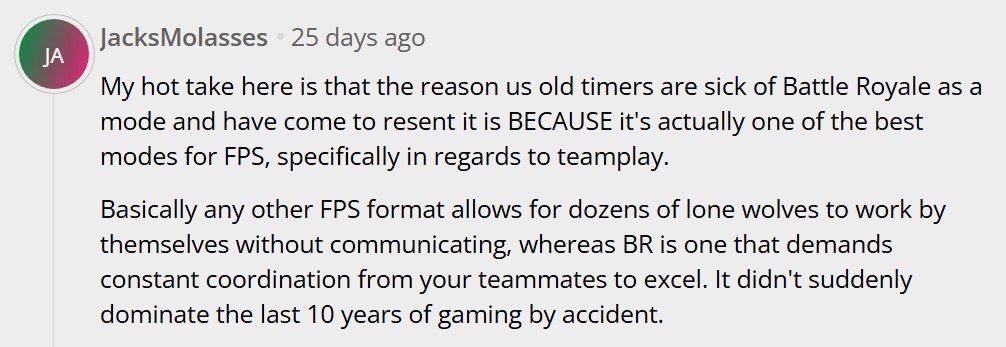
This outcome suggests that while Battle Royale has dominated the commercial market for the past decade, a significant portion of the core PC gaming demographic maintains a deep-seated preference for the faster, lower-stakes respawn loops characteristic of traditional deathmatch modes.
Furthermore, the "Bomb Defusal" mode, popularized by the Counter-Strike series, continues to demonstrate its staying power. Often considered the "gold standard" of competitive PvP, its survival in the bracket underscores the industry’s ongoing commitment to high-tension, asymmetrical objective play.
Expert Perspectives and Community Discourse
The tournament has generated extensive debate among editorial staff, who have weighed in on the tactical implications of the remaining modes. Tyler Wilde, a long-time contributor to the FPS beat, noted a key differentiator among the top contenders: the distribution of pressure.
"What’s notable to me about the final four is that they mostly don’t put individuals on the spot," Wilde stated. "In modes like Infection, Battle Royale, and Bomb Defusal, you can wind up being the last survivor, with all the pressure on you to bring it home. That’s not really the case in TDM, Conquest, Payload, or CTF, which usually allow unlimited respawns."

This observation highlights a fundamental divide in player psychology: the preference for collective team effort versus the desire for individual glory and high-stakes performance. Other staff members have noted the "vexing" endurance of Payload modes, which have successfully defeated high-speed alternatives like Gun Game. Ted Litchfield, another staff member, raised concerns regarding the potential for "democratic" voting to overlook the historical significance of modes like Capture the Flag, which, despite its pedigree in titles like Tribes, faces stiff competition in a modern, faster-paced gaming environment.
The Semifinal Matchups
As the tournament enters Round 3, two major contests will determine the final lineup:

Team Deathmatch vs. Conquest
This matchup represents the most significant divide in FPS design philosophy. Team Deathmatch, synonymous with titles like Halo and Call of Duty, emphasizes intimate, combat-centric encounters. In contrast, Conquest, famously defined by the Battlefield franchise, requires players to engage in large-scale territory control and resource management. The choice here is between pure, distilled combat and the strategic complexity of map dominance.
Payload vs. Capture the Flag
This contest pits two classic "object-escort" styles against one another. Both modes require teams to move a specific objective—either a bomb, a payload cart, or a flag—across a map while the opposing team actively blocks the path. These modes are often cited for their ability to create "chokepoints," which are essential for focused, team-based gameplay. The outcome will likely hinge on whether voters prefer the steady, linear progression of Payload or the high-speed, reflexive maneuvering required for effective Capture the Flag.

Broader Implications for the FPS Genre
The longevity of these modes speaks to the foundational nature of FPS design. While graphics, engine capabilities, and monetization models have shifted dramatically since the 1990s, the core "loop" of these game modes has remained remarkably consistent. The ongoing tournament serves as a case study for developers, demonstrating that innovation in the genre often comes from refining these established frameworks rather than discarding them for entirely new systems.
Data from the voting process also indicates that despite the rise of hero shooters and extraction-based shooters, the community remains deeply attached to the modes that defined the genre’s formative years. The tournament does not merely reflect nostalgia; it highlights the mechanical perfection of these original modes, which continue to offer the most balanced and accessible experiences for competitive play.
As voting for Round 3 continues, the community remains divided. The final results are expected to be announced early next week, at which point the tournament will enter its final phase to crown a single, definitive FPS mode. The outcome will likely serve as a benchmark for what players value most in a shooter: the simplicity of the kill, the complexity of the objective, or the coordination of the team.
For those participating in the vote, the exercise offers a rare moment of introspection into the mechanics of their favorite games. Whether the ultimate winner is a staple of competitive esports or a casual favorite, the tournament has successfully underscored the diversity of the FPS landscape and the enduring passion of its players. As the clock ticks toward the November 8 deadline, the focus remains on which of these four legendary modes will survive the final cull to earn the title of the greatest FPS mode of all time.