







The contemporary landscape of professional field work, particularly in emergency services, requires a delicate balance between utility and portability. For individuals such as California-based Emergency Medical Technicians (EMTs), the equipment carried daily—referred to as Everyday Carry or EDC—is not merely a collection of personal items but a critical extension of their professional capability. Recent analysis of optimized loadouts, such as those utilized by first responders, reveals a distinct trend toward "ultralight performance," where weight reduction is prioritized without sacrificing the functional integrity required for life-saving interventions or mechanical repairs.
The Evolution of Utility and Minimalism
In the context of emergency response, the traditional philosophy of "over-preparing" with heavy, bulky tool kits has shifted toward a more refined, minimalist approach. Modern advancements in material science—specifically the integration of carbon fiber, titanium, and high-output LED technology—have allowed professionals to carry full-sized utility in a fraction of the traditional footprint.
The rationale behind this shift is twofold: physical stamina and operational speed. For an EMT navigating high-stress environments, every ounce counts. A lighter kit reduces fatigue during long shifts and allows for greater mobility in confined spaces, such as inside residential homes or cramped vehicle wreckage. This shift mirrors broader trends in the aerospace and outdoor adventure industries, where the "gram-counting" mentality has become the gold standard for efficiency.

Core Components of the Modern Loadout
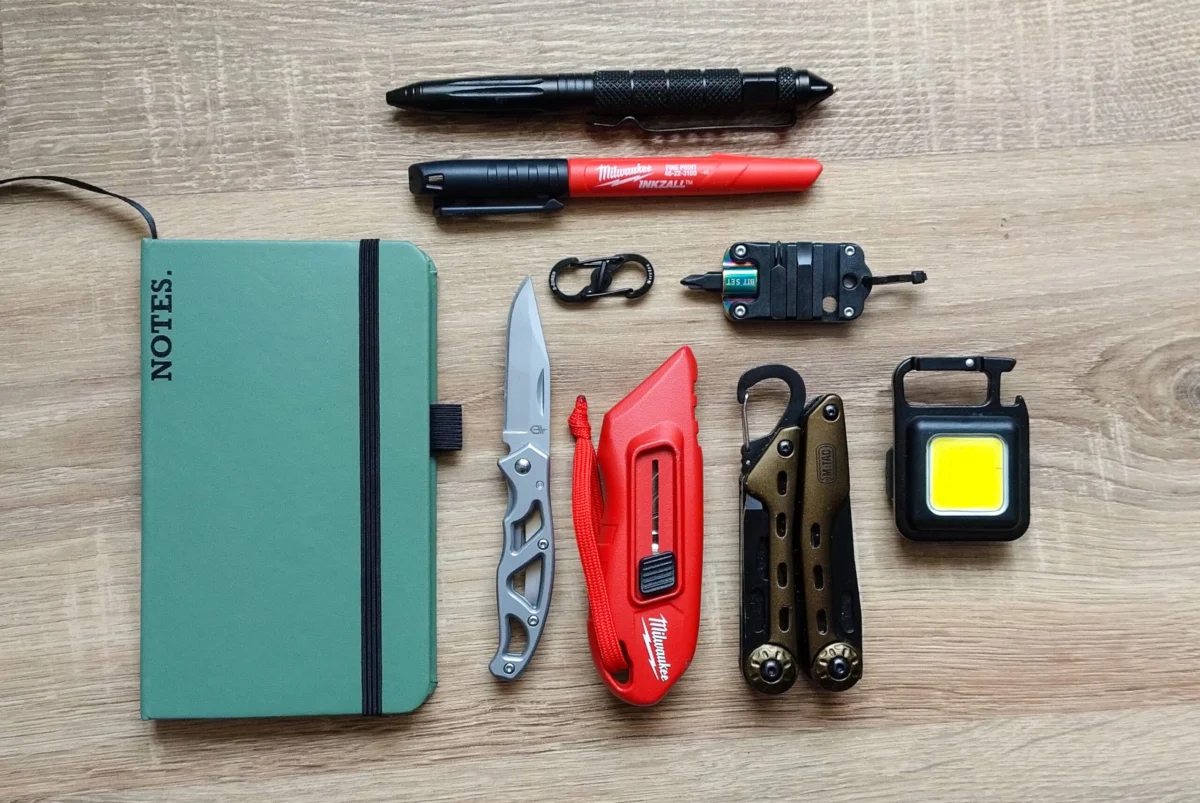
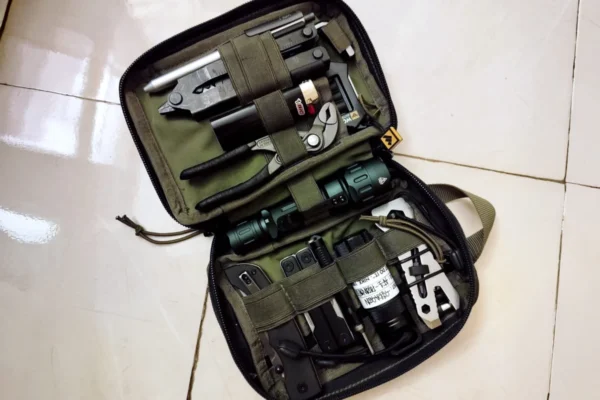
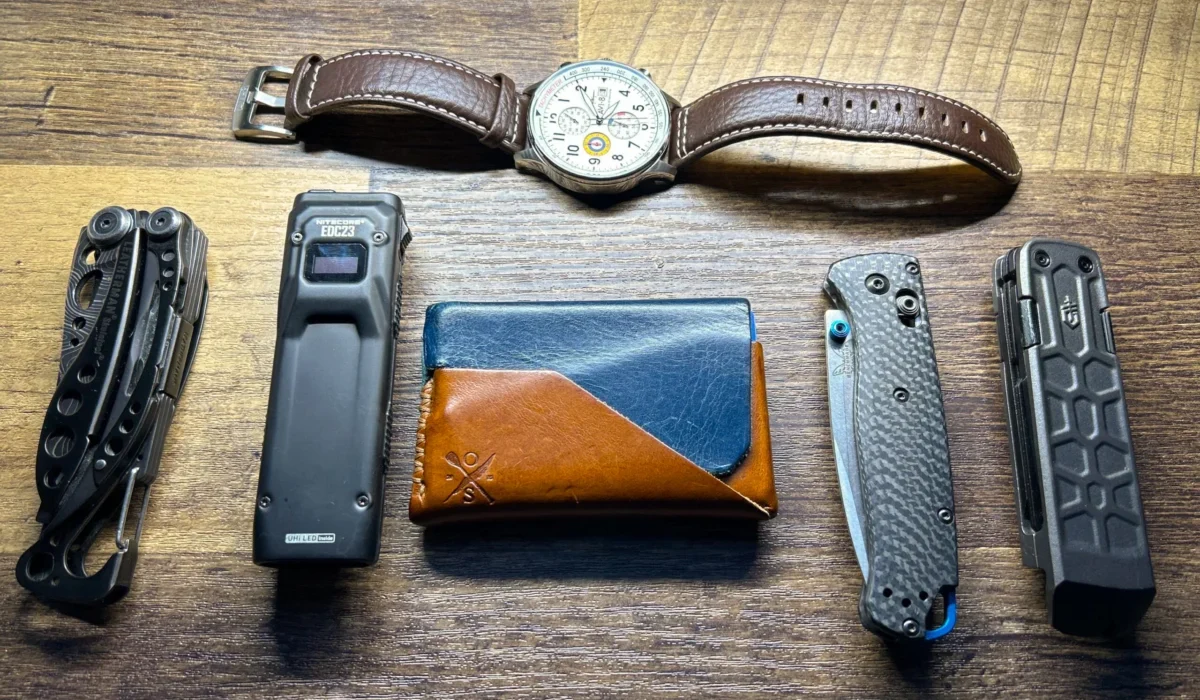
A typical optimized loadout, as seen in current field reports from California’s emergency sector, relies on three primary pillars: a reliable cutting tool, a high-lumen illumination source, and a multi-purpose mechanical interface.
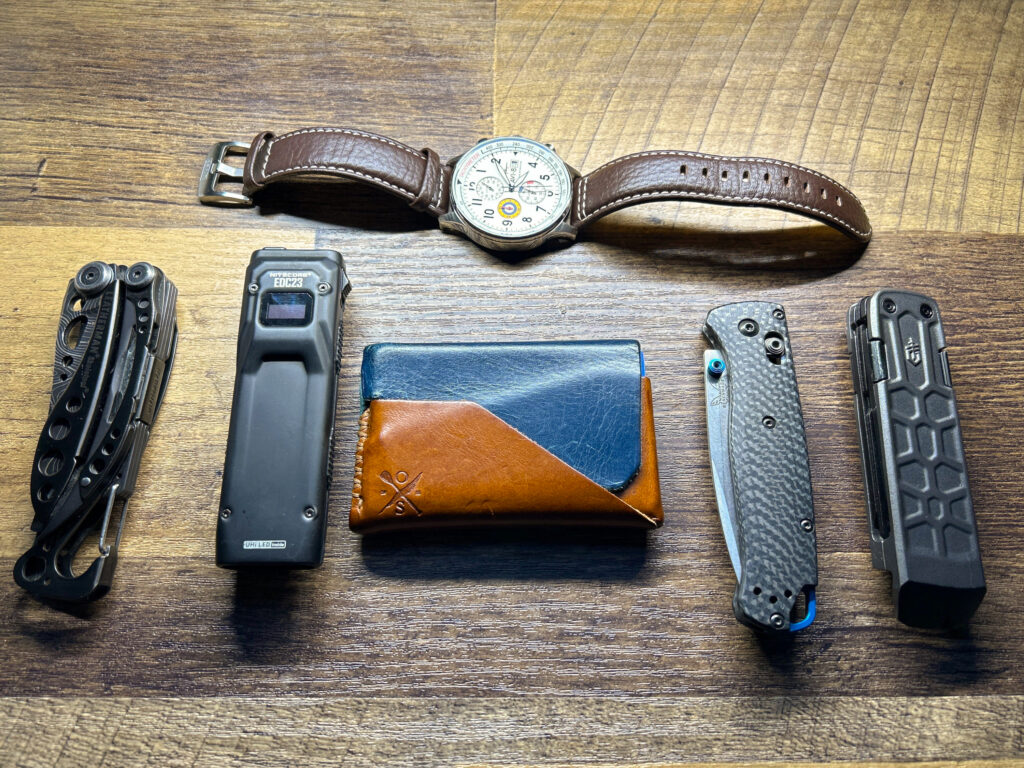
The Benchmade Bugout, often cited as the gold standard for lightweight folder knives, exemplifies this transition. By utilizing carbon fiber scales, manufacturers have managed to create a knife that offers the structural rigidity of a steel blade while maintaining a weight profile that is virtually imperceptible in a pocket. This is complemented by the Leatherman Skeletool, a skeletal multi-tool designed to provide essential pliers and wire-cutting capabilities without the excessive weight of a full-sized chassis.
Illumination technology has also seen a significant leap. The Nitecore EDC23 represents a paradigm shift in flashlight design, moving away from traditional cylindrical shapes to an "ultra-slim" flat form factor. With a 2,500-lumen output, this device provides the raw power necessary for scene assessment in low-light conditions while remaining low-profile enough to be carried comfortably in a front pocket.
Chronology of Gear Selection and Field Testing
The development of a professional EDC kit is rarely a linear process. It typically follows a multi-year trajectory of acquisition, testing, and refinement. For most professionals, the journey begins in the early stages of their career with standard-issue equipment.
- Phase 1: Standardization (Years 1-2): New responders often rely on company-issued gear. During this time, they identify gaps in utility—such as the need for a better blade or a more reliable light source.
- Phase 2: The Search for Alternatives (Years 3-5): The professional begins to experiment with third-party, high-performance tools. This phase is characterized by the integration of premium brands known for durability, such as Benchmade or Leatherman.
- Phase 3: Optimization and Weight Reduction (Year 5+): After sufficient field experience, the responder moves toward weight optimization. This is where high-end materials like carbon fiber and advanced lithium-ion batteries are integrated to create the final "minimalist" kit.
Material Science and Ergonomic Impact
The inclusion of organic materials, such as high-quality leather wallets and watch straps, serves as an essential counterpoint to the "tactical" nature of modern tools. Beyond the aesthetic appeal, leather offers a tactile feedback and durability that synthetic materials sometimes lack. When a professional is operating in an environment characterized by sterile, cold, and rigid equipment, these organic elements provide a necessary sense of comfort and grip.
From an ergonomic standpoint, the shift to a flatter, more streamlined profile—as seen in the Nitecore EDC23—is significant. Traditional cylindrical flashlights often create "hot spots" in clothing, leading to discomfort or even wear-and-tear on pockets. The flat, wide design distributes weight more evenly, allowing the tool to sit flush against the body, which is critical for long-term comfort during twelve-hour shifts.
Economic Implications of Premium Tooling
While premium EDC gear often carries a higher upfront cost, an analysis of the "cost-per-use" metric suggests that high-end tools offer superior value for professional users. A tool that is built to last a decade, constructed from materials like S30V steel or aircraft-grade aluminum, effectively lowers the long-term expenditure compared to frequently replacing lower-quality, mass-market alternatives.
Furthermore, the secondary market for these tools remains robust. Brands that offer lifetime warranties and repair services—such as Benchmade and Leatherman—create a sustainable ecosystem where the gear maintains its value, allowing users to recoup portions of their investment should they decide to upgrade or switch systems.

Broader Impact on First Responder Readiness
The importance of a well-curated EDC kit extends beyond individual convenience. In emergency situations, a professional who is intimately familiar with their equipment is more effective. The concept of "muscle memory" applies here; when a responder reaches for a tool, they must know exactly how it operates, where it is located, and that it will function without hesitation.
Industry experts note that the democratization of high-quality tools has led to an overall increase in field readiness. By empowering responders to choose equipment that fits their specific ergonomic needs and operational environments, agencies see a decrease in equipment failure and an increase in task-completion efficiency.
Future Trends in Portable Utility
As we look toward the future of EDC, two trends are expected to dominate: smart integration and sustainable energy. We are already seeing the early adoption of USB-C rechargeable standards across all portable devices, which simplifies the logistical burden of maintaining a fleet of tools. The next frontier involves the integration of micro-sensors and localized health-monitoring data, which could eventually be synced with a responder’s gear.
Moreover, the push for lighter, stronger materials continues. Researchers are currently exploring graphene-infused polymers and advanced ceramics that could theoretically reduce the weight of multi-tools by another 20-30% without compromising tensile strength.
Conclusion
The selection of an everyday carry kit is an exercise in intentionality. For an EMT, the tools are not mere accessories; they are vital components of a safety net that spans the gap between a crisis and a resolution. The current shift toward minimalist, high-performance gear reflects a sophisticated understanding of the demands placed on modern professionals. By prioritizing weight, reliability, and ergonomic efficiency, individuals can ensure they are as prepared as possible for the unpredictability of their daily work. As technology continues to evolve, the professional EDC kit will undoubtedly remain a focal point of personal and professional optimization, bridging the gap between human capability and the tools required to push the boundaries of what is possible in the field.