







The ongoing evolution of ultralight backpacking gear has long forced outdoor enthusiasts into a functional compromise. For decades, hikers seeking to shave every possible ounce from their base weights gravitated toward camping quilts, which eliminate the heavy zippers, hoods, and excess fabric of traditional bags. While successful in reducing weight, quilts often require a steep learning curve to prevent uncomfortable drafts during unexpected temperature drops. Conversely, traditional mummy sleeping bags provide exceptional warmth security and ease of use, but typically impose a heavy weight and volume penalty.
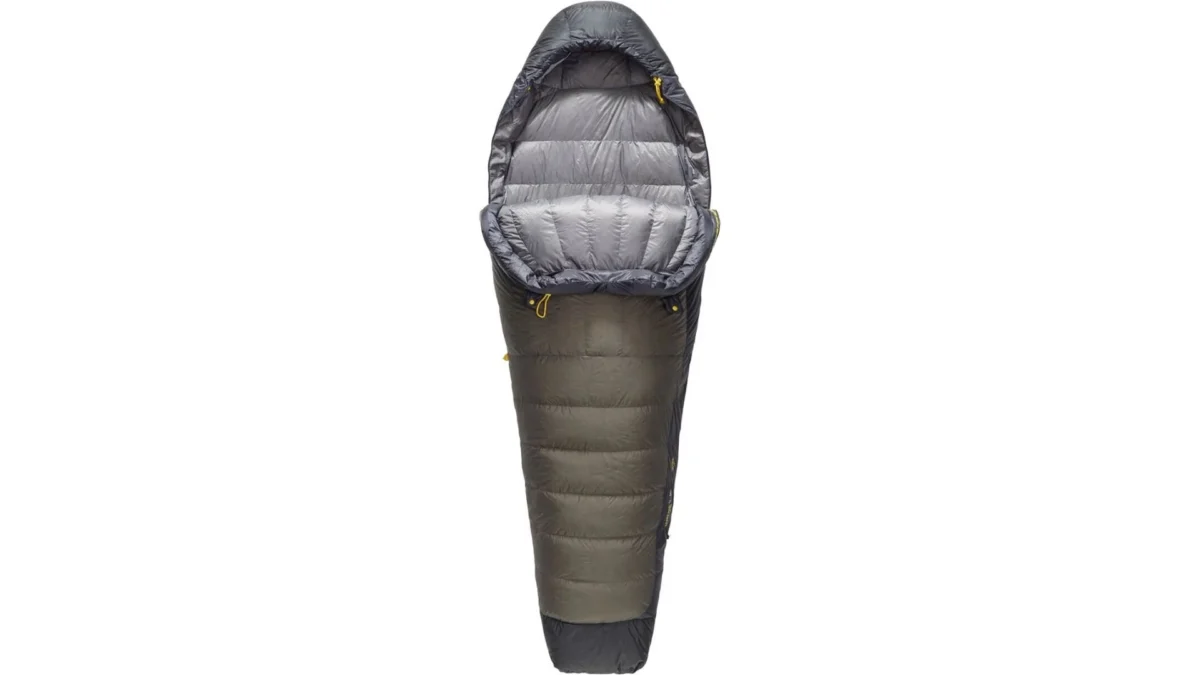
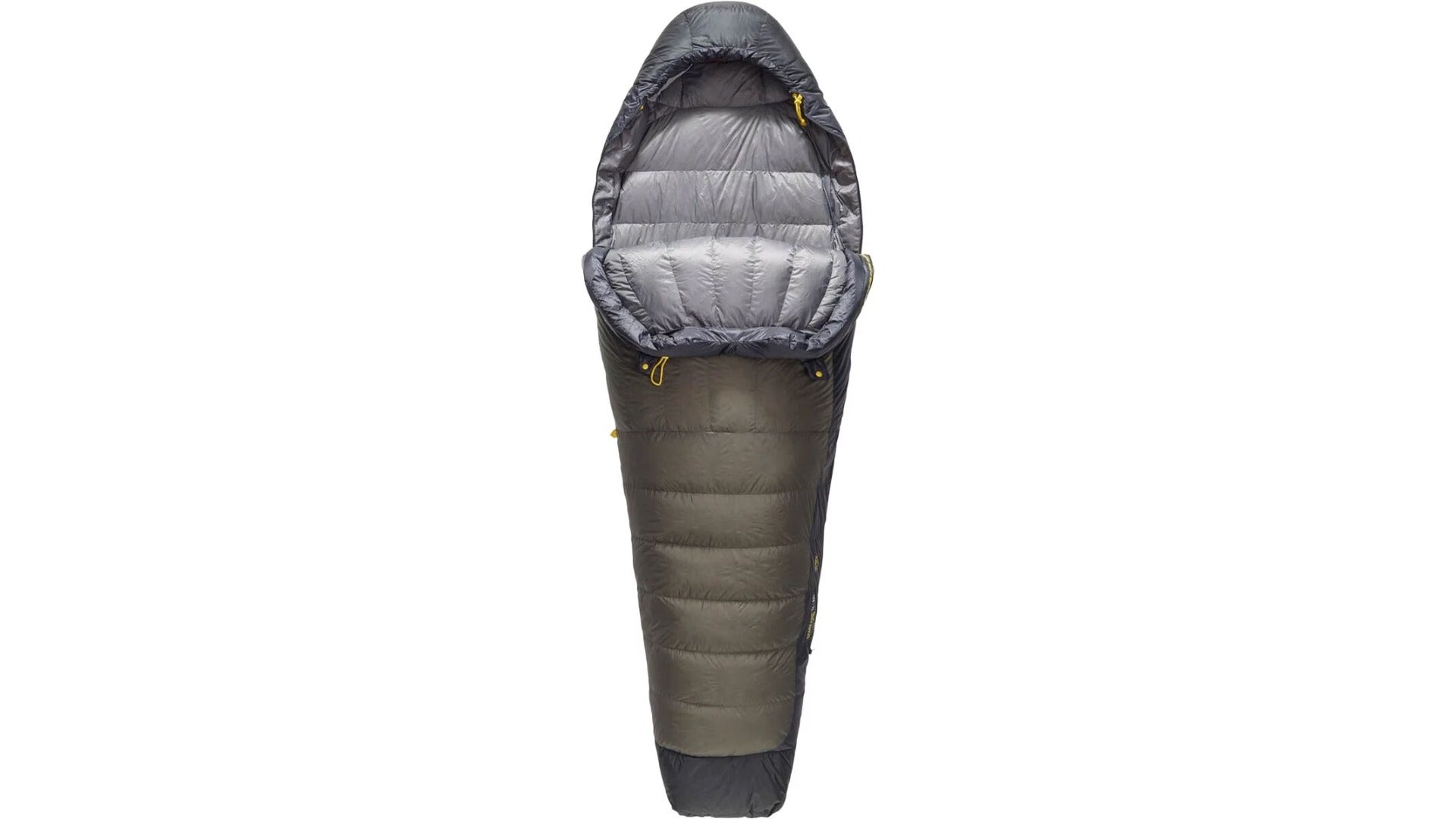
The introduction of the Sea to Summit Spark Pro 30°F Down Sleeping Bag challenges this long-standing dichotomy. Weighing in at a mere 1 pound 5.8 ounces for a regular-sized model, the Spark Pro successfully bridges the gap between the weight-savings profile of a minimalist backcountry quilt and the comprehensive weather protection of a full-featured mummy bag. Industry experts and gear reviewers have taken notice of this engineering feat, with test evaluations praising the product as a rare hybrid that delivers uncompromised comfort alongside extreme packability.
Engineering the Ultralight Hybrid
At the core of the Sea to Summit Spark Pro 30°F’s weight-to-warmth ratio is its insulation. Sea to Summit utilizes premium-grade 950-plus-fill power goose down. This exceptionally high-loft material traps an immense amount of warm air relative to its physical mass, allowing the sleeping bag to maintain a comfortable three-season temperature rating without requiring a dense volume of feathers.
This high-tier down not only contributes to the featherlight overall weight of 21.8 ounces for the regular variant, but it also fundamentally transforms how the bag packs down. When compressed into a suitable compression sack, the Spark Pro shrinks to roughly the physical dimensions of a cantaloupe. This unprecedented compression allows backpackers to utilize smaller, lighter packs—such as 30-to-40-liter day-to-day alpine setups—or free up internal pack volume for extended food carries and technical gear.
Remarkably, achieving a weight that undercuts several of the industry’s leading ultralight quilts did not require stripping away essential features. While minimalist quilts often discard hoods and draft collars to save weight, the Spark Pro includes a fully articulated, form-fitting hood and a dedicated draft collar to trap body heat around the neck and shoulders. Furthermore, the design incorporates innovative side ventilation zippers. These vents allow users to strategically dump excess body heat during warmer nights or slide their arms completely out of the bag to manage stove duties, filter water, or read inside the tent without exposing their torso to cold ambient air.
The Evolution of Three-Season Sleep Systems
The launch of the Spark Pro 30°F arrives during a transformative period for the outdoor recreation industry. Over the past ten years, consumer demand for ultralight equipment has surged, driven by the popularity of long-distance thru-hiking trails like the Pacific Crest Trail and the Appalachian Trail. Manufacturers have continuously competed to lower base weights, leading to the mainstream adoption of cottage-industry quilts in the mid-2010s.
However, as the market matured, gear designers recognized that a segment of the backpacking community still preferred the enclosed security of a sleeping bag, particularly in wet, windy, or volatile shoulder-season alpine environments where drafts can compromise sleep quality. Sea to Summit’s product development pipeline spent years refining shell fabrics, baffle architecture, and down-sourcing protocols to create a product that could rival quilt weights without sacrificing traditional architecture. The resulting Spark Pro line represents a culmination of these material science advancements, hitting the market in late 2026 as one of the most anticipated sleep systems of the year.
Comparative Performance and Market Context
When evaluated against contemporary alternatives, the engineering achievements of the Spark Pro 30°F become particularly apparent. For instance, the bag actually weighs nearly an ounce less than the Neve Gear Waratah, a model widely celebrated as one of the premier ultralight quilts of the current gear cycle.
| Feature / Metric | Sea to Summit Spark Pro 30°F | Neve Gear Waratah (Quilt) | Traditional 30°F Mummy Bag (Average) |
|---|---|---|---|
| Total Weight (Regular) | 1 lb, 5.8 oz (21.8 oz) | ~1 lb, 6.8 oz (22.8 oz) | 1 lb, 12 oz to 2 lbs, 4 oz |
| Insulation Type | 950+ Fill Power Goose Down | High-grade Down | 650 to 800 Fill Power Down |
| Pack Volume | Approx. Cantaloupe size | Compact Quilt Profile | Large volume footprint |
| Hood & Draft Collar | Included | None | Included |
| Side Ventilation | Integrated Zippers | Open-back / Pad Straps | Typically limited to footbox zip |
Despite these impressive metrics, market analysts point out that the Spark Pro’s advanced material sourcing and complex feature set come with a notable drawback: its high retail price point. Positioned firmly in the premium gear tier, the sleeping bag is expected to command a significant financial investment, which may deter casual campers while remaining attractive to dedicated ultralight backpackers, fastpackers, and thru-hikers willing to pay a premium for ounce-counting performance.
Industry Implications and Future Outlook
The introduction of the Spark Pro 30°F Down Sleeping Bag signals a broader shift in outdoor equipment manufacturing. Brands are no longer forced to choose between absolute minimalism and full-featured comfort; instead, advances in hyper-light shell textiles and ethically sourced, ultra-high-loft down allow designers to merge categories.
As climate patterns shift and shoulder seasons become increasingly unpredictable in mountainous regions, the demand for adaptable, lightweight gear that performs across a wider temperature spectrum is expected to grow. Products like the Spark Pro demonstrate that traditional sleeping bags can successfully counter the dominance of quilts by shedding excess weight through superior thermodynamic efficiency rather than structural omission. For the modern backpacker, the boundary lines separating bags and quilts are blurring, establishing a new baseline for what is possible inside a backcountry pack.