For competitive and recreational rock climbers, the physical interface between human skin and granite or plastic is the primary determinant of success. While techniques such as footwork, body tension, and route reading are paramount, the baseline requirement remains the ability to maintain a secure grip. For individuals suffering from hyperhidrosis—a condition characterized by excessive sweating beyond what is required for thermoregulation—this basic requirement becomes a significant barrier to performance. Recent advancements in dermatological chemistry and specialized athletic grooming products have provided a range of interventions, yet the efficacy and long-term dermatological implications of these substances remain a subject of rigorous debate within the climbing community.
The Physiology of Hyperhidrosis in Athletics
Hyperhidrosis, particularly the palmar variety, affects an estimated 1% to 3% of the global population. In the context of rock climbing, the condition is not merely a matter of discomfort; it is a mechanical failure point. Friction coefficient, which governs the grip between a hand and a hold, is drastically reduced by the presence of moisture.
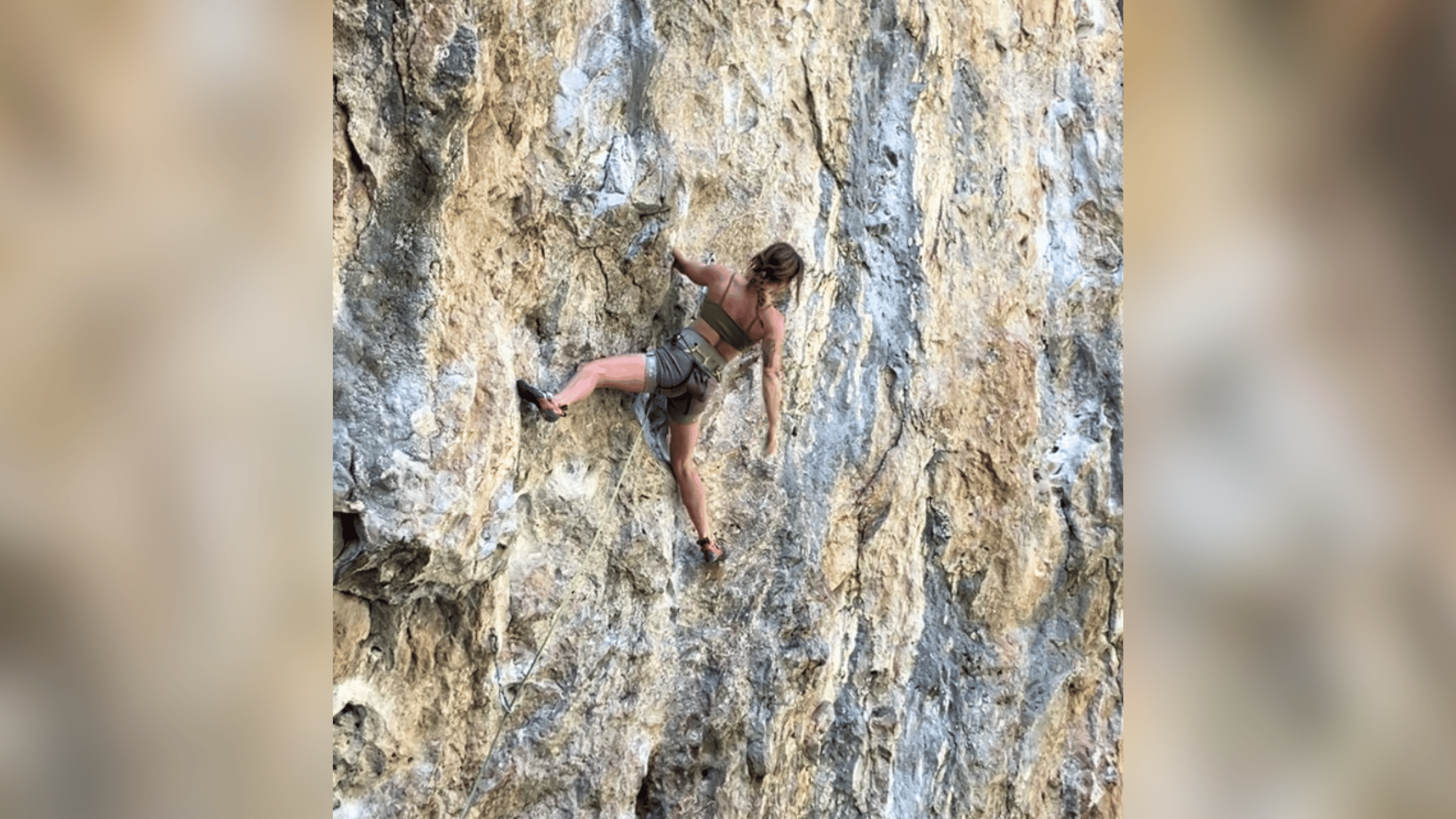
When a climber faces a technical "crux"—the most difficult section of a route—the physiological response to stress often includes an increase in sympathetic nervous system activity, which triggers eccrine sweat glands. For the average climber, this is manageable with traditional magnesium carbonate (chalk). For the hyperhidrotic climber, however, the volume of moisture produced can saturate standard chalk instantly, leading to "wet-firing," a term used to describe the involuntary sliding of a hand off a hold.
A Chronological Review of Intervention Strategies
The pursuit of a solution for hyperhidrotic hands has historically mirrored the evolution of the sport itself. In the early 2000s, climbers relied almost exclusively on high-purity magnesium carbonate. As the sport grew more professionalized, the demand for specialized drying agents surged.
By 2024, the market saw a bifurcation of products: "in-the-moment" drying agents designed to be applied minutes before a climb, and "long-term" skin-thickening agents designed to alter the skin’s permeability over a cycle of several days. The recent emergence of products like Tite Grip I, Antihydral, and Rhino Tip Juice represents a significant shift from simple moisture absorption to actual physiological modification of the epidermis.

Comparative Analysis of Current Market Solutions
The efficacy of these products is largely dictated by their chemical composition. Aluminum chlorohydrate and methenamine are the primary active ingredients in the most effective formulas.
Tite Grip I: The Immediate Application Model
Tite Grip I serves as a high-strength antiperspirant utilizing aluminum chlorohydrate. Unlike traditional deodorants, this formula is engineered specifically for grip-intensive activities. Data suggests that it functions by forming a temporary plug within the sweat duct, physically preventing the egress of perspiration. Its primary advantage is its immediate onset, allowing for application shortly before an ascent without the requirement of overnight lead time.
Methenamine-Based Treatments: Antihydral and Rhino Tip Juice
Methenamine, a urinary antiseptic, has been repurposed by the climbing community for its potent astringent properties. When applied topically, it induces a process of keratinization, effectively hardening the skin.

- Antihydral: As a 13% methenamine cream, it represents the most aggressive intervention available. While highly effective at increasing skin friction, the risk of "glassiness"—where the skin becomes so smooth and rigid that it loses tactile sensitivity—is a known clinical trade-off.
- Rhino Tip Juice: Formulated at a slightly lower concentration (approximately 12%) and buffered with aloe and isopropyl alcohol, this product offers a balanced approach. It is currently favored for its ability to toughen fingertips without the rapid onset of brittle, cracking skin often associated with high-dose methenamine.
Traditional and Supplementary Agents
Driclor and various liquid chalks occupy the lower end of the efficacy spectrum for severe hyperhidrosis. Driclor, while effective for medical-grade management of axillary sweating, has shown limited success in the more robust, calloused skin of the hands. Similarly, liquid chalks—which typically consist of magnesium carbonate suspended in alcohol—act only as temporary surface drying agents. While they provide essential base-layer friction, they do not address the underlying glandular output.
Clinical Risks and Dermatological Implications
The use of methenamine-based products has sparked caution among dermatologists and climbing safety experts. Chronic application of these substances can lead to an unnatural thickening of the stratum corneum, the outermost layer of the skin. If not managed with precise dosing, the skin may develop deep, painful fissures.
Moreover, the psychological aspect of "dry-climbing" is significant. Elite athletes report that the sensation of "glassy" skin can lead to a decrease in proprioceptive feedback—the ability to feel the texture of the rock. This sensory loss can lead to compensatory movements, such as over-gripping, which increases the risk of tendon strain and repetitive stress injuries.

Official Perspectives and Regulatory Context
The climbing industry has remained largely hands-off regarding the regulation of these substances. Most manufacturers market these items as "skin conditioners" rather than medical devices, effectively circumventing the stringent clinical trials required for pharmaceutical antiperspirants. However, as the use of these chemicals becomes ubiquitous, professional climbing organizations are beginning to discuss whether the use of skin-modifying substances confers an unfair mechanical advantage, similar to the debates surrounding high-friction rubber in climbing shoes.
Broader Impact on Route Development
The ability for climbers to modify their skin has also influenced how routes are set and graded. In modern indoor climbing facilities, route setters often account for the use of liquid primers and antiperspirants. On natural rock, however, the impact is more controversial. There is growing concern that the constant application of drying chemicals, combined with the use of heavy chalking, accelerates the erosion of delicate limestone and sandstone features.
Conclusion: The Future of Friction Management
The quest for a "perfect" grip is ongoing. While current chemical solutions provide a bridge for athletes suffering from hyperhidrosis, they are not a panacea. The consensus among the professional climbing community is that these products should be used as a targeted supplement rather than a replacement for proper training and skin care.

The industry is currently trending toward more sophisticated, skin-friendly polymers and refined antiperspirant blends that aim to reduce sweat without compromising the integrity of the skin. As research continues to advance, the distinction between "natural" climbing and "chemically-enhanced" climbing may become increasingly blurred, necessitating a formal discussion on the ethics and long-term health implications of high-potency skin management. For now, the climber with hyperhidrosis must weigh the immediate benefits of increased friction against the long-term potential for dermatological compromise, choosing a regimen that balances safety with the unrelenting pursuit of vertical performance.