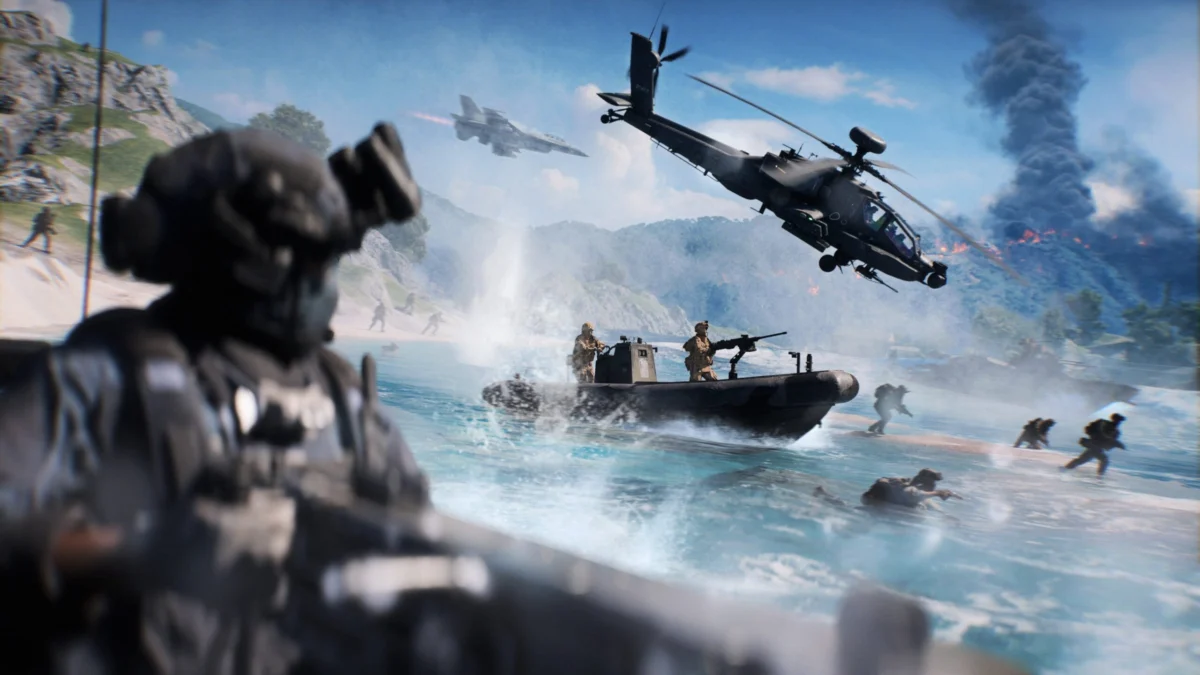
The highly anticipated Tsuru Reef map, touted as Battlefield 6’s most expansive offering to date, is set to debut tomorrow with the launch of Season 4, bringing with it a renewed focus on naval combat and grand-scale engagements. Initial preview sessions suggest that while the map is an ambitious and undeniably rich addition to the game’s evolving roster, its sheer size and unique tactical demands may position it as a less frequently chosen, albeit deeply appreciated, option for players. The map represents a significant statement from Battlefield Studios and EA, signaling a continued commitment to evolving the game’s multiplayer experience and directly addressing player feedback regarding map diversity and scale.
A Deep Dive into Tsuru Reef: Battlefield’s Latest Frontier
During an exclusive three-hour preview event, participants immersed themselves in Tsuru Reef’s vast landscape, engaging in intense firefights across its nine distinct capture points. The session provided ample opportunity to experiment with new weapons and, critically, to experience the much-hyped return of dedicated naval combat. Battlefield Studios has consistently emphasized the map’s colossal dimensions, a feature that immediately strikes players upon entry. However, this emphasis on size has led some to ponder whether the map’s scale, while impressive, might verge on overcompensation in its bid to deliver the ultimate large-scale experience.
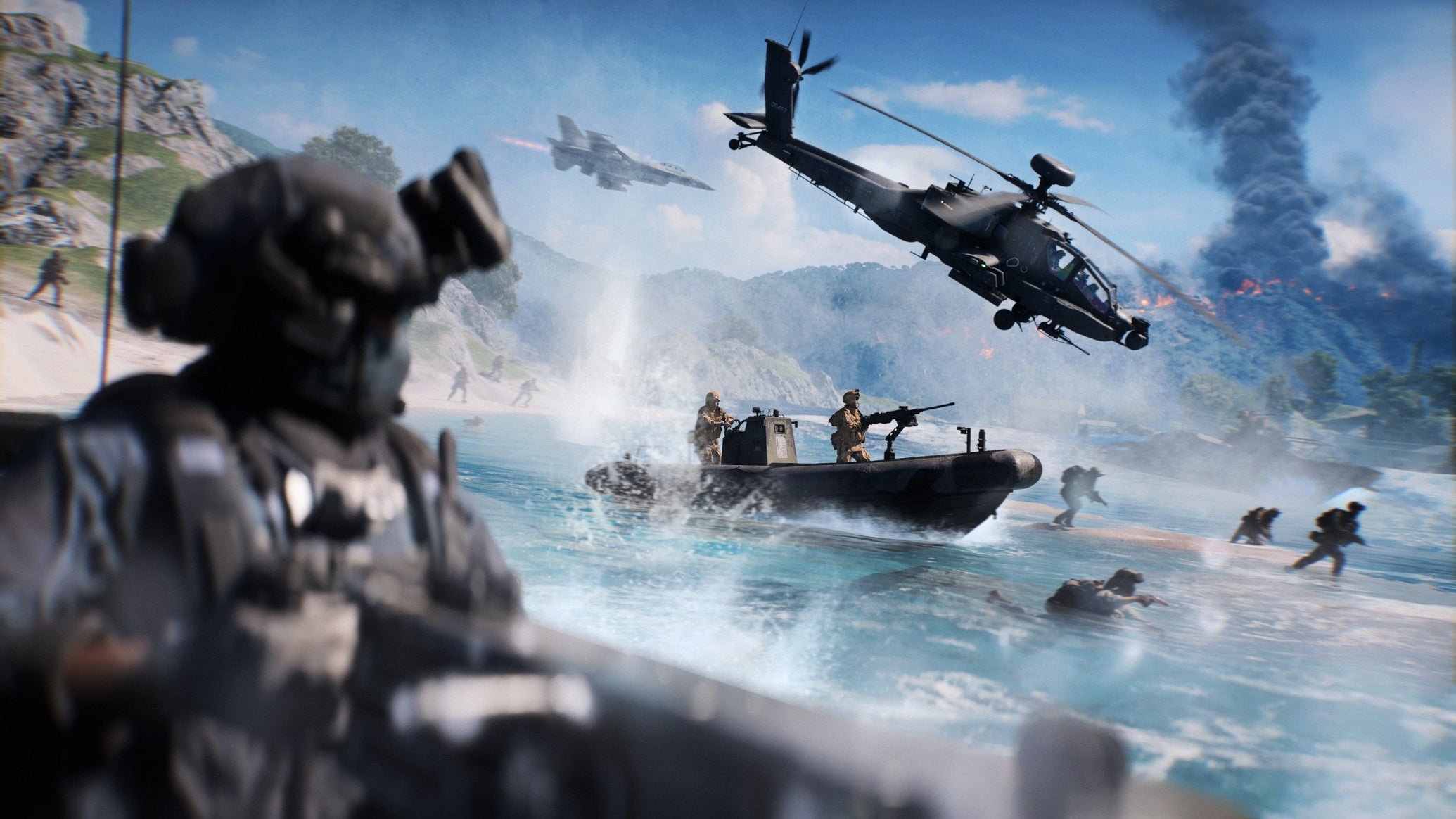
Tsuru Reef is more than just a large map; it is a meticulously crafted environment designed to facilitate ground, air, and naval combat in a harmonious, yet challenging, ecosystem. Its sprawling landmass, intricate waterways, and varied elevations provide distinct arenas for each combat discipline, ensuring that no single playstyle feels neglected. The map aims to rekindle the classic Battlefield spirit of emergent gameplay, where the interplay of different vehicle types and infantry creates dynamic, unpredictable battles across a vast theater of war.
Battlefield 6’s Evolving Landscape: A Chronology of Post-Launch Development
The journey of Battlefield 6 since its initial launch has been marked by significant transformations, largely driven by developer responses to community feedback. At its debut, the game’s multiplayer experience was met with mixed reactions, with a common criticism centered on its map roster. Many players felt that while the existing maps were high-quality, they predominantly favored close-quarters infantry engagements, often limiting the impact of vehicles and failing to capture the expansive, all-out warfare synonymous with the Battlefield franchise. This perceived deficiency contrasted sharply with the expectations of a player base accustomed to the grand-scale maps of predecessors like Battlefield 3 and Battlefield 4.
Battlefield Studios acknowledged these concerns, embarking on a comprehensive post-launch content strategy aimed at diversifying the game’s offerings. A pivotal moment arrived with Season 3, which introduced a significant remake of Battlefield 4’s iconic Golmud Railway map. This reimagined version, known for its sprawling open fields and emphasis on vehicle combat, quickly became a fan favorite. Its overwhelming popularity served as a clear indicator of the community’s strong desire for larger, more traditional Battlefield experiences that fully leveraged the game’s combined arms potential. The success of Golmud evidently emboldened the development team, leading them to channel significant resources into creating an even grander successor: Tsuru Reef. This new map is not merely an addition; it is a declarative statement, crafted to serve as the definitive showcase for Battlefield 6’s multiplayer capabilities and a potential draw for new players.
Strategic Depth and Vehicle Integration on Tsuru Reef
Tsuru Reef’s design ethos is deeply rooted in accommodating every facet of Battlefield’s warfare. The map’s sheer size allows for an unprecedented array of ground, air, and naval vehicles to be deployed simultaneously, each finding its strategic niche without feeling constrained. The vehicle pool is extensive, with certain types becoming available dynamically as the match progresses or after specific capture points are secured. This intelligent spawning system adds a layer of tactical depth, encouraging teams to prioritize objectives that unlock crucial assets.

The aerial domain, in particular, flourishes on Tsuru Reef. The vast skies provide ample maneuverability for jet pilots, allowing them to execute sweeping attack runs and quickly disengage, vanishing into the clouds before re-engaging targets. Transport helicopters, often underappreciated on smaller maps, become indispensable on Tsuru Reef. Their ability to rapidly deploy infantry across massive distances is critical for maintaining map control and executing flanking maneuvers. Recognizing this strategic importance, each team is allocated two transport helicopters from the outset, underscoring their vital role in traversing the immense battlefield. This enhanced air mobility fundamentally alters the pace and flow of engagements, making air superiority a paramount objective.
The Nuances of Naval Warfare: A Return to the Waves
The reintroduction of dedicated naval combat is arguably one of Tsuru Reef’s most anticipated features. The map incorporates dynamic, server-synced waves, a beloved mechanic first seen in Battlefield 4, which adds a layer of realism and tactical opportunity to aquatic engagements. These shifting tides not only enhance the visual fidelity but also provide dynamic cover for both vehicles and stranded infantry, allowing for unexpected ambushes and evasive maneuvers. Piloting a combat boat across the choppy waters initially evokes a thrilling sense of piloting a "wobbly tank," offering a unique combat experience distinct from land-based vehicles.
However, the initial excitement surrounding naval combat experienced during the preview began to wane. A key observation points to the design of certain capture points, where the capture radius extends artificially into the water. This design choice sometimes feels like an attempt to engineer a role for boats rather than allowing organic naval engagements to emerge. Attack boats, while potent, often exhibited a tendency to engage targets from a distance, avoiding direct confrontations with tanks and infantry on land. The most frustrating aspect of naval combat centered around boat-mounted mortars. Players could moor their vessels in hard-to-reach aquatic positions, raining down indirect fire on objectives for extended periods until challenged by an aircraft or forced to resupply. This long-range, indirect approach sometimes detracted from the dynamism and direct engagement typically associated with Battlefield’s vehicle combat.
For naval combat to truly shine in Battlefield 6, future maps or updates might need to introduce more varied aquatic objectives, dedicated anti-ship weapons, or environmental elements within the water that encourage closer, more tactical boat-to-boat or boat-to-shore engagements. Drawing inspiration from the robust naval engagements seen in Battlefield 4’s "Naval Strike" DLC, where diverse objectives and map layouts fostered intense sea battles, could provide a roadmap for enhancing this promising, yet currently underdeveloped, aspect of Tsuru Reef.

Infantry Dynamics and the Impact of Gunplay Revisions
The moment-to-moment experience of infantry combat on Tsuru Reef benefits significantly from the Season 3 gunplay update, which re-calibrated weapon accuracy at range, requiring players to pace their shots more deliberately. This update was crucial for a map of Tsuru Reef’s scale, preventing excessive long-range suppression and promoting more tactical engagements. Without this revision, traversing the vast distances would have been an even more punishing experience for infantry.
Despite the locale change, the flow of infantry gameplay on Tsuru Reef echoes the design philosophy seen in previous Battlefield 6 maps. Battlefield Studios continues to strive for a balance that caters to every playstyle. This often translates into distinct zones: dense, intricate environments for infantry-focused combat, and more open, sparsely populated areas where vehicles dominate. While this approach ensures that infantry players can find areas where they excel without constant vehicular harassment, it also carries an implication: infantry operating without armored support in the map’s expansive, open zones often find themselves at a severe disadvantage. The clear segmentation can, at times, hinder the seamless combined arms synergy that is a hallmark of the franchise, as infantry may choose to avoid venturing into vehicle-heavy territories.
New Armaments and Future Implications
Season 4 also ushers in a new arsenal for players, and Tsuru Reef provides the initial testing ground for these additions. The Bren 3 Carbine emerged as a standout during the preview, offering a versatile option that evokes memories of clearing fortified positions with weapons like the ACW-R in Battlefield 4. The VSSM, particularly when equipped with its costly but highly effective full-auto modification, proved to be another engaging weapon, hinting at its potential for close-to-medium range dominance. While these weapons are certainly effective on Tsuru Reef, it is anticipated that their full potential and preferred niches will become clearer as players deploy them across the game’s diverse map pool.

Broader Impact and Battlefield’s Franchise Identity
Tsuru Reef represents more than just a new map; it is a critical step in Battlefield 6’s ongoing evolution and a reaffirmation of the franchise’s core identity. After a launch that saw criticisms regarding a departure from traditional Battlefield elements, maps like Golmud and now Tsuru Reef demonstrate a clear commitment from Battlefield Studios to deliver the expansive, multi-domain warfare that defines the series. The community’s strong desire for such maps, evidenced by the popularity of Golmud, highlights the importance of catering to this fundamental aspect of Battlefield.
The success of Tsuru Reef in fostering consistent engagement will have significant implications for the future direction of Battlefield 6’s content pipeline. If players embrace its grand scale and varied combat opportunities, it could solidify a new standard for map design, encouraging further development of large-scale, combined arms environments. Conversely, if the concerns about its size leading to infrequent play or segmented combat prove to be widespread, it might prompt a re-evaluation of optimal map scale and design principles for future seasons.
Ultimately, Tsuru Reef successfully delivers on its promise of accommodating every type of combat within a single, monumental map. The spectacle of jets dogfighting over objectives while tanks support parachuting infantry, all as a naval vessel approaches the shore, remains an exhilarating testament to Battlefield’s unique brand of chaos. However, the prevalence of similar, albeit perhaps less grand, combined arms moments on other existing maps means that while Tsuru Reef offers a compelling new experience, players may eventually gravitate back to their established favorites after their initial foray into its vast waters. Nevertheless, Tsuru Reef stands as a bold and vital asset to Battlefield 6’s evolving map lineup, showcasing the ambition and continued dedication of Battlefield Studios to refine and enrich the game’s experience.