In the modern digital landscape, the transition to hybrid and remote work environments has transformed the webcam from a peripheral luxury into a critical infrastructure component. While laptop manufacturers continue to integrate internal cameras into their hardware, the physical limitations of thin-bezel displays—specifically regarding sensor size and lens aperture—mean that integrated solutions often fail to meet the professional standards required for high-stakes video conferencing and content production. As businesses increasingly rely on asynchronous communication and high-definition video platforms like Zoom, Microsoft Teams, and Google Meet, the disparity between standard integrated webcams and dedicated external hardware has become more pronounced.
The current market for external webcams is defined by a significant technological evolution, moving beyond basic 720p resolution toward 4K imaging, AI-driven framing, and sophisticated light-correction sensors. This shift is driven not only by corporate demand but also by the rise of the "creator economy," where individuals require DSLR-quality optics to maintain engagement on streaming platforms such as Twitch and YouTube.
The Technological Evolution of Desktop Imaging
The trajectory of webcam technology over the past decade reflects broader trends in mobile photography and silicon processing. Historically, webcams were relegated to low-resolution CMOS sensors that struggled significantly in low-light environments, leading to the "grainy" aesthetic common in early teleconferencing. However, the 2020 global shift to remote work acted as a catalyst for rapid innovation. Hardware manufacturers responded by integrating larger sensors—such as the 1/2-inch sensors found in premium models—which allow for superior light gathering and dynamic range.
Furthermore, the introduction of dedicated image signal processors (ISPs) within webcams has enabled features previously reserved for high-end digital cameras. Features such as real-time auto-exposure, HDR (High Dynamic Range), and sophisticated noise reduction are now standard in mid-to-high-tier devices. These advancements ensure that even in challenging home office lighting, the user remains the focal point of the broadcast.
Comparative Analysis: Top Performers in the Current Market
The market today is segmented by user needs, ranging from the essentialist requirements of the corporate professional to the high-performance demands of full-time streamers.
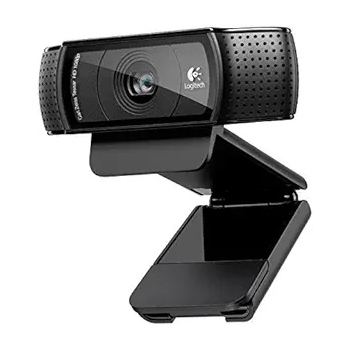
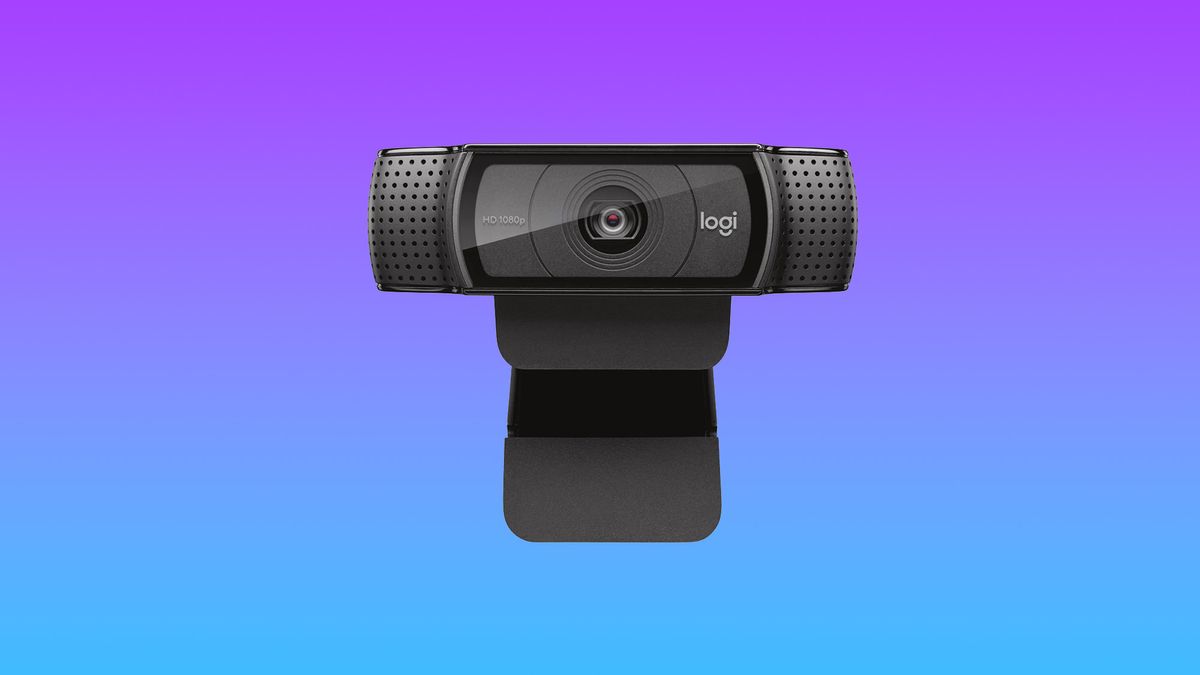
The Logitech HD Webcam C920 remains the industry benchmark for general-purpose applications. Since its debut, it has maintained a dominant market position by providing a consistent 1080p output at 30 frames per second (fps). Its reliability and wide field of view—typically around 78 degrees—make it the standard-bearer for enterprise deployment. Its longevity in the market suggests that for most users, 1080p resolution remains the "sweet spot" for bandwidth efficiency and image clarity in standard video calls.
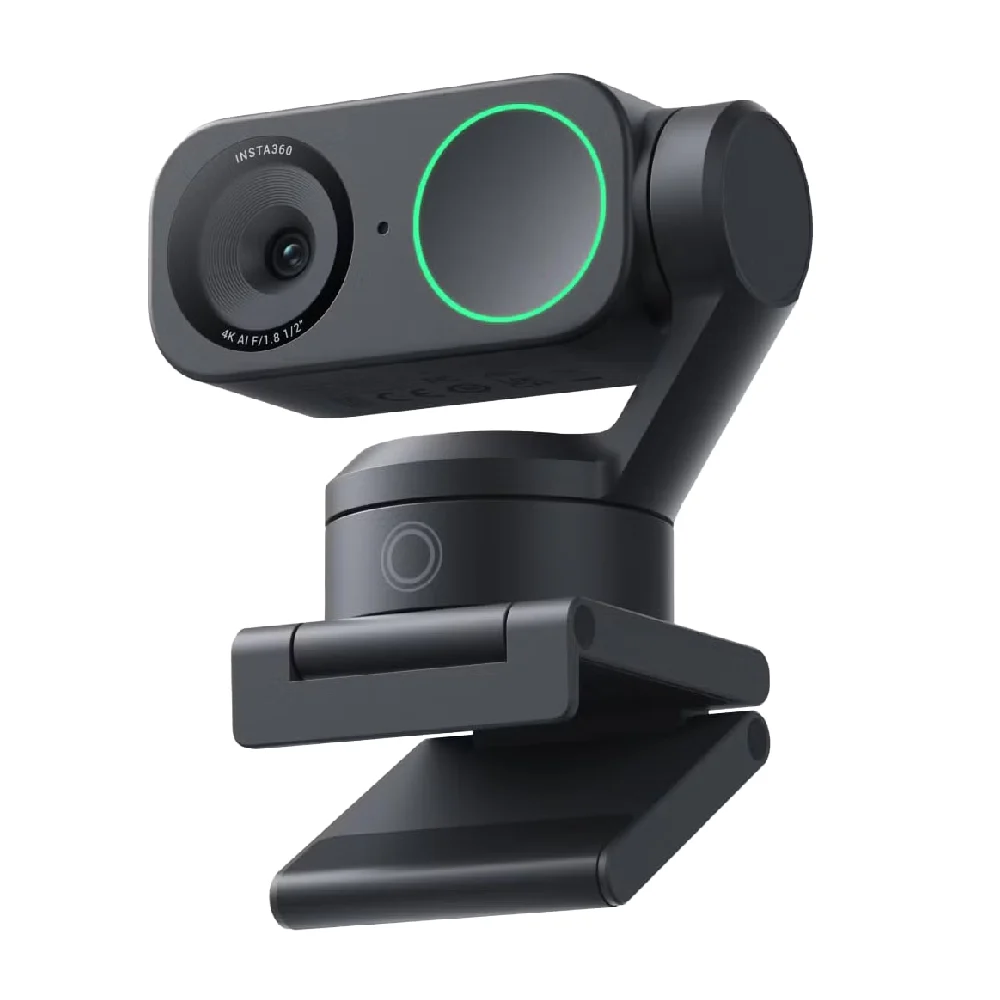
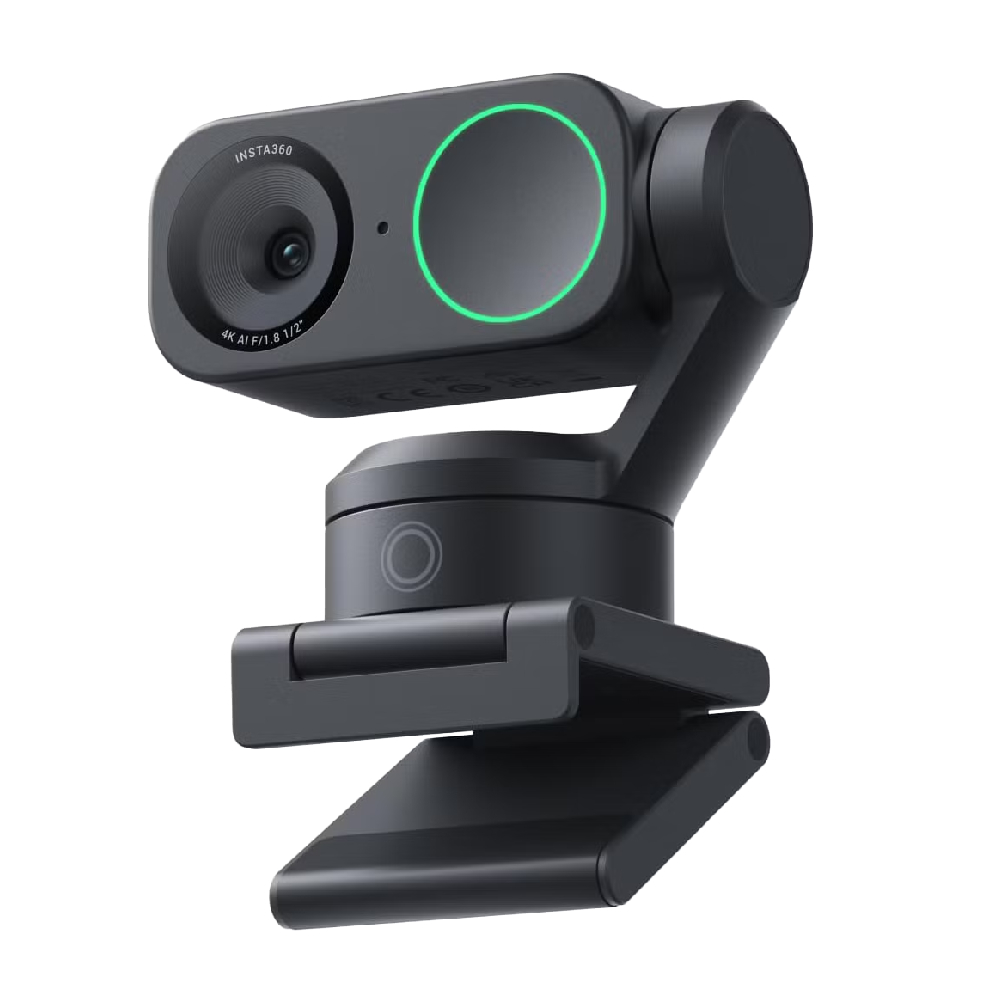
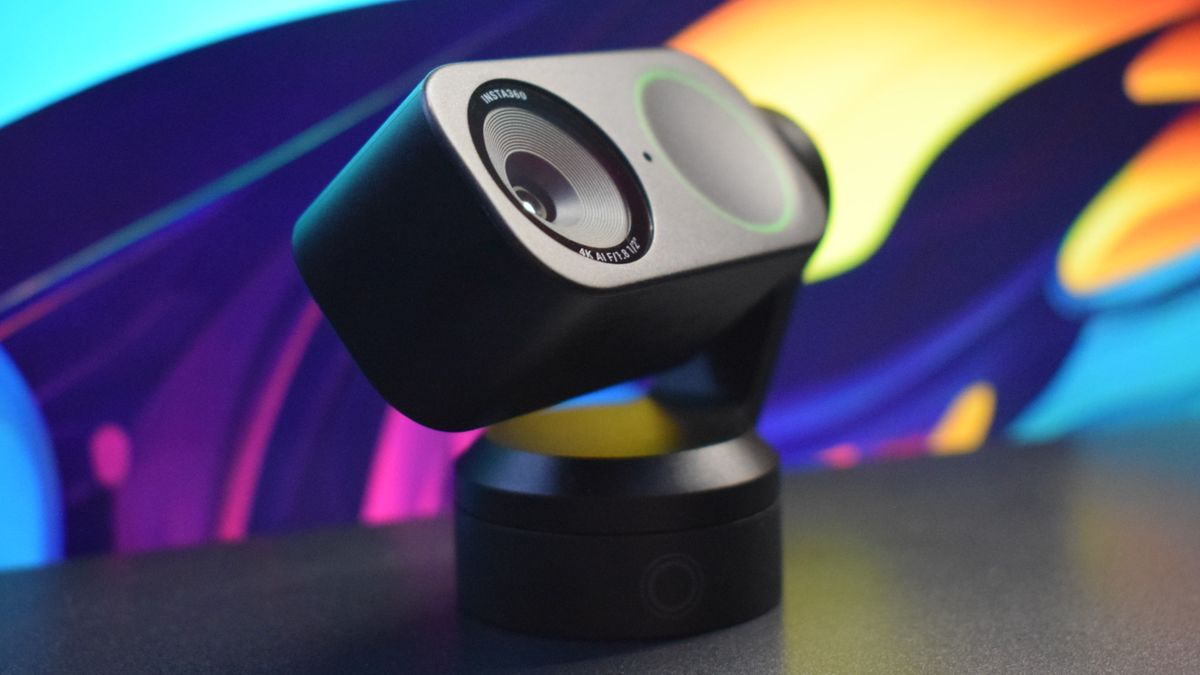
Conversely, the premium sector is currently dominated by devices like the Insta360 Link 2 and the Logitech MX Brio 4K. The Insta360 Link 2 represents the integration of robotics into desktop hardware. By utilizing a dual-axis gimbal, the device can physically track a subject, a feature that has significant implications for educators and presenters who need to move freely across a workspace during a presentation. The inclusion of AI-driven software, which can automatically crop to whiteboards or focus on desk-based demonstrations, marks a shift toward a more dynamic, interactive form of digital communication.
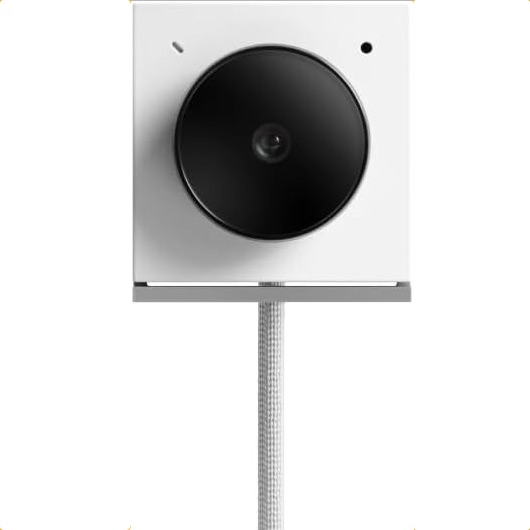
For the mobile professional, the Opal Tadpole has emerged as a disruptive force. By prioritizing form factor without compromising on image quality, it addresses a specific pain point: the trade-off between portability and performance. Weighing only a fraction of traditional conference cams, it utilizes a high-quality 4K sensor, proving that high-end imaging no longer requires a bulky chassis.
Data-Driven Performance Metrics
When evaluating these devices, technical specifications provide a necessary, though incomplete, picture of performance. The following table highlights the critical differences between the current market leaders:
| Model | Resolution | Max Frame Rate | Key Feature |
|---|---|---|---|
| Logitech C920 | 1080p | 30 fps | Reliability/Value |
| Insta360 Link 2 | 4K | 60 fps (at 1080p) | AI Gimbal Tracking |
| Opal Tadpole | 4K | 30 fps | Ultra-Portability |
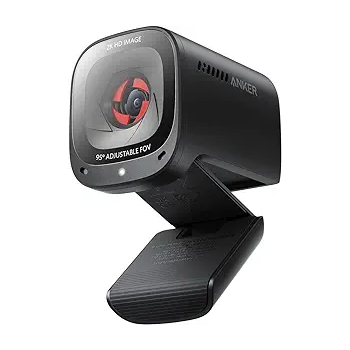
| Anker PowerConf C200 | 2K | 60 fps | Low-Light Performance |
| Logitech MX Brio 4K | 4K | 60 fps (at 1080p) | Advanced STARVIS Sensor |
These metrics demonstrate that while resolution is a primary marketing driver, frame rate and sensor technology are equally important for the end-user experience. A 60 fps frame rate, for instance, provides a fluid, life-like motion that is particularly beneficial for high-action streaming or professional presentations, whereas 30 fps remains sufficient for standard business interactions.
The Role of Software and AI Integration
The modern webcam is as much a software product as it is hardware. Manufacturers are increasingly moving toward ecosystems that include companion software. These applications are vital for firmware updates, color correction, and, most importantly, the deployment of AI-based features.
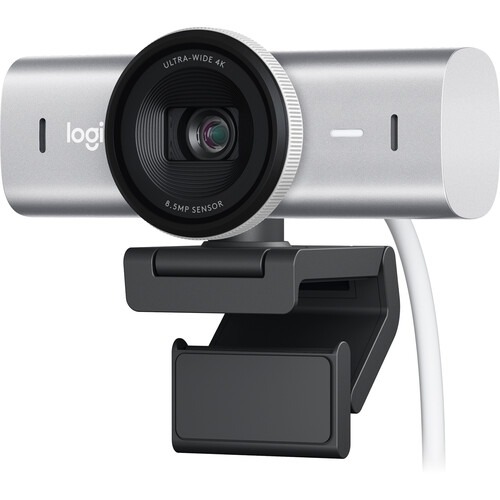
Privacy has also become a central pillar of design. With the normalization of physical privacy shutters—as seen on the Anker PowerConf C200 and the Logitech MX Brio—manufacturers have acknowledged the growing user concern regarding digital surveillance. This shift towards "privacy by design" is an essential response to the increased time users spend in front of their cameras.
Implications for Future Workplace Communication
The widespread adoption of high-quality external webcams has broader implications for corporate culture. As the "Zoom fatigue" phenomenon is analyzed, researchers suggest that the quality of one’s digital presence influences professional perception. A clear, well-lit image reduces the cognitive load on meeting participants, allowing for more effective communication. Consequently, the webcam is no longer just a peripheral but a tool for professional equity, ensuring that remote workers can present themselves with the same clarity and authority as those in physical meeting rooms.
Furthermore, as 4K video conferencing becomes more common, it will place greater pressure on network infrastructure. Organizations are currently preparing for this by optimizing their internal bandwidth to accommodate the increased data throughput required for high-resolution video streams.
Conclusion and Strategic Recommendations
Selecting the appropriate webcam necessitates a clear understanding of the intended use case. For the average remote worker conducting standard video calls, the Logitech C920 provides the most cost-effective solution, balancing image quality with longevity. For those in creative fields or roles that require frequent presentations, the Insta360 Link 2 offers the necessary flexibility and AI-driven features to elevate a broadcast to production-level standards.
As the industry continues to advance, we can expect to see further integration of machine learning to handle background replacement, noise suppression, and real-time lighting adjustment. The era of the "grainy" webcam is effectively coming to an end, replaced by a new standard where high-fidelity visual communication is expected as the baseline for digital interaction. Prospective buyers should prioritize hardware that not only meets their current resolution requirements but also offers the software support and build quality necessary for long-term reliability in a fast-evolving digital workspace.