In a striking convergence of satirical politics and the fervent world of video game fandom, Count Binface, the esteemed extraterrestrial-turned-British-political-figure, has publicly issued a stern demand to Japanese video game giant Sega: provide a substantive update on the development of Shenmue 4 or face potential nationalization by a future UK government. This extraordinary intervention comes as Binface navigates a high-profile by-election campaign in Clacton, underscoring his unique approach to public discourse and his ability to spotlight niche concerns with galactic gravitas.
The Demand: A Call for Shenmue 4 and Sega’s Future
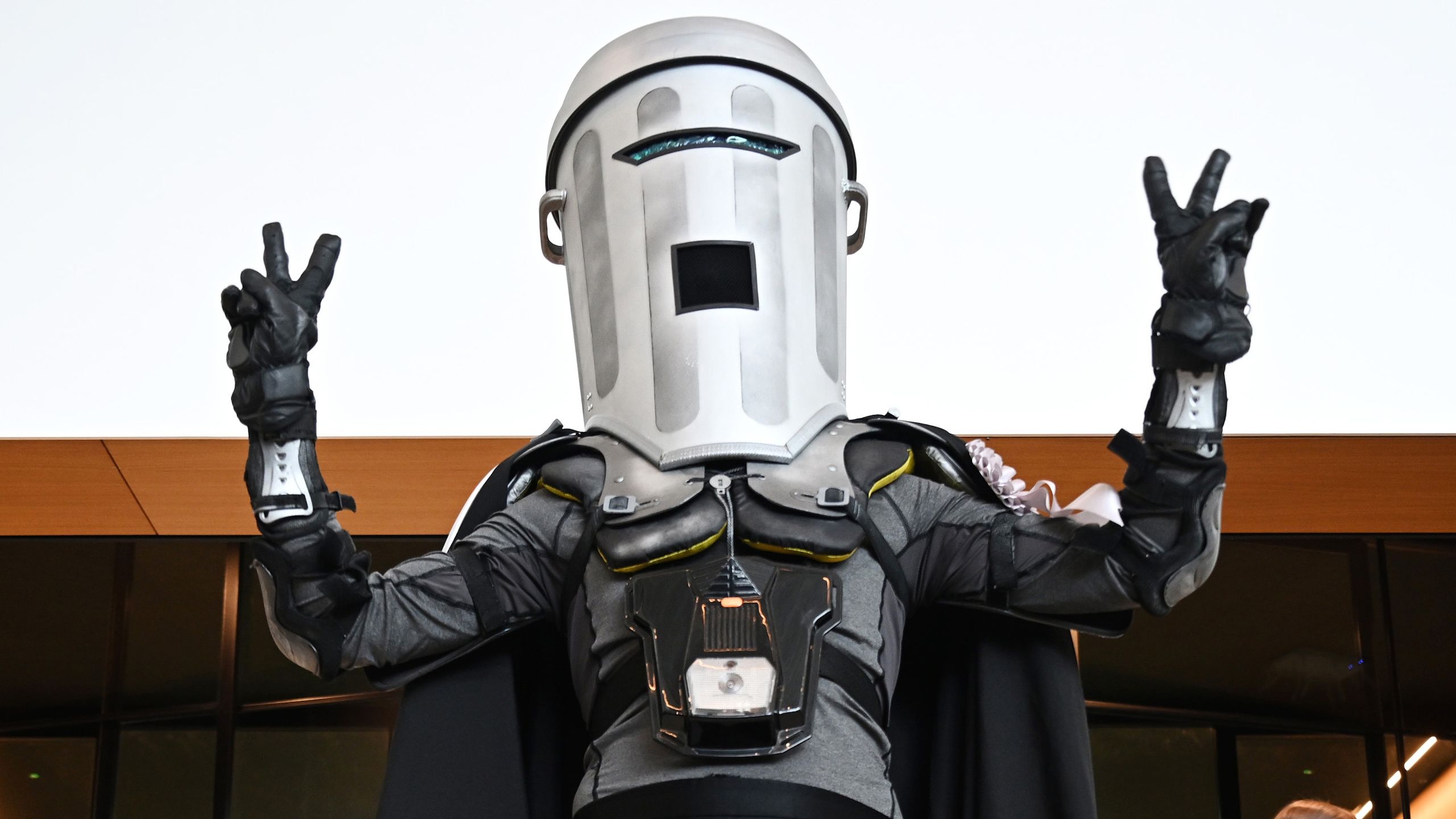
The pronouncement, delivered via a video clip that quickly circulated among the dedicated Shenmue fanbase, saw Count Binface, identifiable by his distinctive dustbin-helmeted visage, articulate a clear and unequivocal message. Addressing Sega directly, he stated, "I need to say a galactic ‘hello’ to Sega on behalf of the Shenmue fans. Now, I’m not just saying ‘hello,’ Sega. I’ve got a little bone to pick with you, because the fans would like to campaign for an update from you, Sega, about Shenmue 4." The core of his grievance, mirroring the long-standing frustration of players, lies in the unresolved narrative arc left dangling by Shenmue 3, which concluded on a cliffhanger in 2019.
Elevating the stakes beyond a mere request, Binface then introduced a proposition laced with characteristic absurdity and political commentary. "I wonder whether Sega needs to be nationalized along with Adele. What do you say? Shall we harness the power of the Shenmue to ensure that there is no delay with updates ever again? I quite like the sound of that." This humorous yet pointed threat of nationalization, a policy historically associated with certain left-leaning political factions in the UK, juxtaposes the serious business of state intervention with the seemingly trivial pursuit of a video game sequel, highlighting the passionate intensity of the Shenmue community. The Count also reminisced about a potential reboot of "Sega World in London’s Trocadero" and a return to "old Sonic the Hedgehog back in his prime," linking his gaming demands to broader cultural and nostalgic aspirations.
Count Binface: The Satirical Statesman
Count Binface is not a conventional political entity. Portrayed by comedian and writer Jonathan David Harvey, Binface operates as a satirical candidate in British elections, often standing against prominent political figures. His persona, a clear successor to the equally absurd Lord Buckethead, serves multiple purposes: to inject humor into often-stuffy political proceedings, to offer a protest vote for disillusioned citizens, and to draw attention to the inherent theatrics of modern politics. His manifestos are famously outlandish, featuring policies such as banning loud snacks from movie theaters, imposing a price cap of £1 on croissants, nationalizing pop superstar Adele, and the specific, highly localized demand for "the hand dryer in the gents’ toilet at the Crown & Treaty, Uxbridge, to be moved to a more sensible position."
Despite his comedic nature, Count Binface participates in real electoral contests. He has garnered significant media attention and, in some instances, secured more votes than other minor party candidates. His recent engagement in the ongoing Clacton by-election, where he stands against Reform UK leader Nigel Farage, one of the principal architects of Brexit, exemplifies his strategy of placing himself in the political spotlight to maximize visibility for his unique brand of commentary. His past electoral outings include the London mayoral elections, where he once famously outpolled the candidate for Britain First, an extreme right-wing party, demonstrating that even a satirical figure can resonate with a segment of the electorate seeking an alternative to traditional politics.
The Enduring Saga of Shenmue: A Cult Classic’s Legacy
To fully appreciate the weight of Count Binface’s demand, one must understand the unique and often tumultuous history of the Shenmue series. Conceived by visionary game designer Yu Suzuki, Shenmue was groundbreaking upon its initial release for the Sega Dreamcast in 1999. It pioneered many elements now commonplace in modern gaming, including open-world environments, intricate daily routines for non-player characters, quick-time events (QTEs), and a cinematic, emotionally driven narrative. Its development was notoriously expensive, with reports estimating costs upwards of $47 million, making it one of the most ambitious and costly games of its era.
The series followed the journey of Ryo Hazuki, a martial artist seeking vengeance for his father’s murder, against the backdrop of late 1980s Japan and China. While critically acclaimed for its innovation and immersive world-building, Shenmue and its sequel, Shenmue II, failed to achieve mainstream commercial success sufficient to recoup their immense development costs. This left the series, originally planned as a multi-part saga, in a state of suspended animation for over a decade.
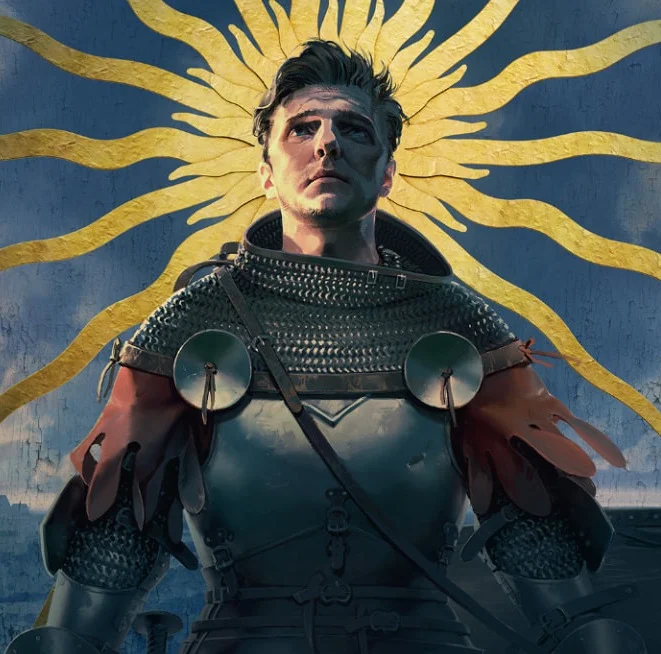
The fervent dedication of its fanbase, however, never waned. Their persistent calls for a continuation finally bore fruit in 2015 when Yu Suzuki announced a Kickstarter campaign for Shenmue 3. The campaign became a sensation, raising over $6 million, breaking records at the time for video game crowdfunding and demonstrating the extraordinary passion of the Shenmue community. Shenmue 3 was eventually released in 2019, developed by Suzuki’s studio, Ys Net, with publishing support from Deep Silver. While its release was met with a mix of excitement and measured critique—some praised its faithfulness to the series’ roots, while others found its mechanics somewhat dated—it undeniably delivered a continuation of Ryo’s quest. Crucially, it ended on yet another cliffhanger, leaving the narrative far from complete and fueling the demand for a fourth installment.
A Timeline of Anticipation and Disappointment for Shenmue 4
The journey towards a potential Shenmue 4 has been marked by a cycle of hopeful speculation and subsequent dashed expectations:
- November 2019: Shenmue 3 is released, concluding with an unresolved plot point, immediately sparking discussions and hopes for a Shenmue 4. Yu Suzuki himself expressed a desire to continue the story, stating that the game covered only a fraction of the overall narrative he envisioned.
- 2020-2024: A period of relative silence from Ys Net and Sega regarding any official plans for Shenmue 4. Fan communities, such as the Shenmue Dojo, continued to advocate for the game, organizing campaigns and discussions to keep the flame alive.
- Early 2025: A purported trailer for Shenmue 4 leaks online, generating immense excitement across gaming forums and social media. The trailer, appearing highly polished, suggested active development.
- Mid-2025: Ys Net issues a statement vehemently denying any connection to the leaked trailer, confirming it to be a sophisticated fake. The studio also threatened legal action against those responsible for its creation and dissemination, unequivocally crushing the hopes of many fans.
- Present: No official announcements or confirmed development news for Shenmue 4 have emerged from Sega or Ys Net since the fake trailer incident. The future of Ryo Hazuki’s saga remains in limbo, a state of affairs that Count Binface’s recent intervention directly addresses.
The Business Realities and Fan Power
While Count Binface’s threats are undeniably satirical, they tap into real anxieties within the Shenmue fanbase and highlight the complex economic realities facing game developers and publishers. Developing a title like Shenmue 4 would require substantial investment, and the commercial performance of Shenmue 3, while respectable for a crowdfunded niche title, may not have met the benchmarks typically required by a major publisher like Sega for a full-scale sequel. Sega’s current strategy appears to lean towards leveraging its more consistently successful franchises, such as Sonic the Hedgehog, Persona, and Yakuza, which offer more predictable returns on investment.
However, the power of dedicated fan communities in shaping game development cannot be entirely dismissed. The success of the Shenmue 3 Kickstarter itself is a testament to this, demonstrating that a passionate niche can collectively fund a project that traditional publishers might deem too risky. While Binface’s call for nationalization is a joke, the underlying sentiment—that a beloved cultural product is being neglected—resonates deeply. The Shenmue Dojo, a prominent fan site, actively shared Binface’s video, indicating the community’s embrace of any effort, however unconventional, to push for Shenmue 4.
The "Cameo" Controversy: Authenticity and Intent
Intriguingly, the nature of Count Binface’s video has come under scrutiny. As noted by publications like Metro, the clip was prominently shared by the Shenmue Dojo fan site but did not initially appear on Count Binface’s own official social media channels. This discrepancy has led to speculation that the video may have been a commissioned "Cameo" message. Cameo is a platform where celebrities and public figures offer personalized video messages to fans for a fee.
If the video was indeed a paid request, it introduces an additional layer of analysis. On one hand, it might be seen by some as diminishing the "authenticity" of the political figure’s intervention, turning a public demand into a private transaction. On the other hand, it could be viewed as a demonstration of the Shenmue community’s proactive approach, willing to fund such an appeal to gain attention. Political campaigns, even satirical ones, are often expensive, and utilizing platforms like Cameo could be a legitimate way for Binface to generate income while simultaneously engaging with popular culture and supporting fan causes. Regardless of its origin, the video has undeniably served its purpose: to amplify the call for Shenmue 4 and inject it into broader public conversation, however briefly.
Broader Implications: Satire, Gaming, and Political Discourse
Count Binface’s intervention, while humorous, underscores several broader trends. Firstly, it highlights the increasing intersection of niche fan cultures, particularly in gaming, with mainstream political discourse. As gaming becomes a more pervasive cultural force, its concerns, however specific, occasionally break into the public sphere through unconventional channels. Secondly, it exemplifies the enduring role of satire in British politics. Figures like Binface provide a unique lens through which to critique or simply comment on both serious and trivial matters, often garnering more attention than conventional political statements.
Will Count Binface’s galactic edict directly compel Sega to greenlight Shenmue 4? Realistically, the direct impact on Sega’s corporate decision-making is likely minimal. Major game development projects are driven by extensive market analysis, financial projections, and strategic priorities. However, the intervention serves as a powerful reminder to Sega of the passionate, vocal, and persistent demand for the series’ conclusion. It keeps the dream of Shenmue 4 alive in the public consciousness, demonstrating that even years of silence cannot extinguish the hope of a dedicated fanbase. For the legions of fans still waiting for Ryo Hazuki to complete his quest, Count Binface’s call for action, however outlandish, is a welcome, perhaps even necessary, moment of advocacy in an otherwise uncertain saga.