Phoenix, AZ and Albuquerque, NM – April 17, 2026 – SunZia Wind, poised to become the largest clean energy project in the United States, has commenced preliminary testing of its wind turbines, signaling its imminent transition to full commercial operation in the second quarter of 2025. This significant development, first reported by Grid Status and subsequently by E&E News, indicates that the massive undertaking, developed by Pattern Energy, is on the cusp of delivering substantial clean power to millions of homes across Arizona and California.
While neither Pattern Energy nor the California Independent System Operator (CAISO), the state’s grid operator, has officially publicized this crucial operational phase, the initiation of turbine testing represents a pivotal step forward. The project’s scale and complexity have meant that official announcements are often preceded by operational milestones observed by grid monitoring entities. A transmission control agreement concerning SunZia was filed by CAISO with the Federal Energy Regulatory Commission (FERC) on April 13, 2026, further underscoring the project’s progression towards full integration into the national power grid.
Upon achieving full operational capacity, SunZia Wind is projected to generate enough electricity to power approximately 3 million people, translating to an estimated 1 million to 1.2 million households across Arizona and California. This capacity is vital for meeting the growing demand for renewable energy and supporting the ambitious clean energy goals set by both states.
![The US’s largest clean energy project is generating power [update]](https://i0.wp.com/electrek.co/wp-content/uploads/sites/3/2026/03/SunZia-Vestas-wind-turbines.jpg?resize=1200%2C628&quality=82&strip=all&ssl=1)
Project Genesis and Phased Development
The journey of SunZia has been a multi-year endeavor, involving significant investment and intricate planning. The project is fundamentally comprised of two interconnected components: SunZia Wind, the immense wind farm, and SunZia Transmission, a critical infrastructure link designed to transport the generated power.
March 5, 2026: Turbine Installation Nears Completion
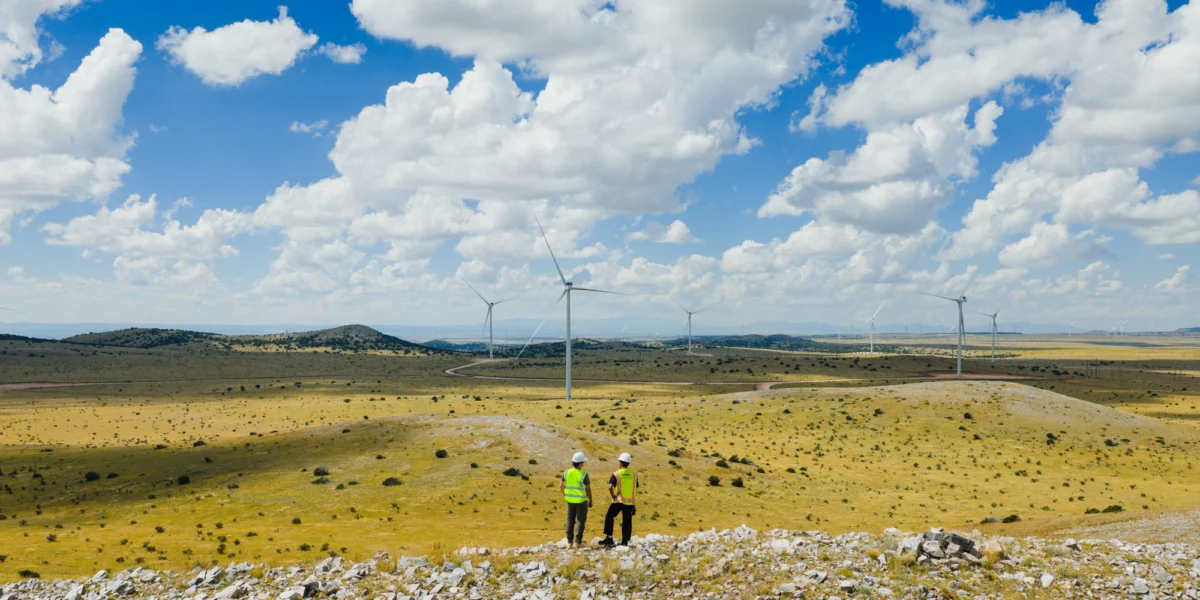
Prior to the recent testing phase, a major milestone was achieved on March 5, 2026, with Vestas, a leading wind turbine manufacturer, confirming the completion of its turbine installations at the SunZia Wind farm. Vestas installed 242 of its V163-4.5 MW wind turbines, contributing to the project’s impressive scale. These turbines are situated across Torrance, Lincoln, and San Miguel counties in New Mexico.
The SunZia Wind farm is not only the largest onshore wind farm in the United States but also one of the most technologically advanced. It features a total of 916 wind turbines. In addition to Vestas’s contribution, GE Vernova supplied 674 of its 3.6-154 turbines, with their installation finalized in February 2026. The project also includes ten substations, essential for managing and distributing the generated power.
![The US’s largest clean energy project is generating power [update]](https://electrek.co/wp-content/uploads/sites/3/2026/03/SunZia-Vestas-wind-turbines.jpg?quality=82&strip=all&w=1600)
The SunZia Transmission Backbone
The success and impact of SunZia Wind are inextricably linked to the SunZia Transmission project. This ambitious transmission line is a 550-mile (approximately 885 kilometers) high-voltage direct current (HVDC) line, operating at a ±525 kV capacity. It stretches from central New Mexico to south-central Arizona, creating a vital corridor for clean energy.
The SunZia Transmission line is engineered to transport 3,000 megawatts (MW) of clean energy directly to the CAISO grid. This substantial capacity is crucial for overcoming the intermittency often associated with renewable energy sources. Specifically, the transmission line will enable SunZia Wind to reliably supply power during the early evening hours, a period characterized by high electricity demand and a dip in solar energy production. This capability is a significant advancement in grid stability and renewable energy integration.
The chosen route for the SunZia Transmission line leverages an existing transmission corridor, which also accommodates the Western Spirit Transmission Line. This strategic utilization of infrastructure aims to minimize environmental impact and streamline the development process.
Economic and Environmental Implications
The $8 billion SunZia project represents a monumental investment in the future of clean energy in the United States. Its completion is expected to have far-reaching economic and environmental benefits.
![The US’s largest clean energy project is generating power [update]](https://electrek.co/wp-content/uploads/sites/3/2023/05/sunzia-map.jpg?quality=82&strip=all&w=1024)
Supporting Data and Scale:
- Total Capacity: The SunZia project, encompassing both wind generation and transmission, is designed to deliver up to 3,000 MW of clean energy.
- Turbine Count: A total of 916 wind turbines are installed across the New Mexico site.
- Geographic Reach: The project spans three counties in New Mexico and its transmission line connects to Arizona and California grids.
- Household Impact: Upon full operation, SunZia is projected to power approximately 1 million to 1.2 million households.
- Population Served: This translates to providing electricity for roughly 3 million people.
- Transmission Line Length: The HVDC transmission line measures 550 miles (885 km).
Broader Impact and Analysis:
The commissioning of SunZia Wind is more than just the activation of a new power source; it is a tangible step towards achieving national and regional clean energy targets. The project’s scale directly addresses the increasing demand for electricity while simultaneously reducing reliance on fossil fuels. By injecting a significant amount of renewable energy into the grid, SunZia contributes to:
- Decarbonization Efforts: The displacement of fossil fuel-generated electricity will lead to a substantial reduction in greenhouse gas emissions, playing a critical role in combating climate change.
- Grid Modernization: The development of advanced transmission infrastructure, like the SunZia HVDC line, is essential for building a more resilient and flexible electricity grid capable of handling diverse energy sources.
- Energy Security: Diversifying the energy portfolio with domestic renewable resources enhances energy independence and security.
- Economic Development: The construction and ongoing operation of such a large-scale project create numerous jobs, stimulate local economies, and foster technological innovation within the renewable energy sector.
The ability of SunZia to deliver power during peak demand hours is particularly noteworthy. This capability addresses a key challenge in renewable energy integration, ensuring that clean power is available when it is most needed. This aspect of the project is crucial for grid operators aiming to maintain stability while transitioning to a higher percentage of renewable energy.
![The US’s largest clean energy project is generating power [update]](https://electrek.co/wp-content/uploads/sites/3/2026/03/DES-1038_Electrek-Banners_Resiliency-1-2.png)
Future Outlook and Next Steps
The immediate next phase for SunZia involves the meticulous commissioning of all turbines and their seamless integration with the SunZia Transmission line. This process ensures that the entire system operates efficiently and safely. The project’s developers anticipate achieving full commercial operation of the entire SunZia complex in the coming months, solidifying its position as a landmark achievement in U.S. renewable energy development.
The successful deployment of SunZia Wind and Transmission serves as a powerful precedent for future large-scale clean energy initiatives. It demonstrates the feasibility of developing and integrating massive renewable energy projects, even in challenging terrains and across significant distances, thereby paving the way for further advancements in the nation’s transition to a sustainable energy future.
This article is based on information from electrek.co, E&E News, Grid Status, and Pattern Energy’s official project documentation.