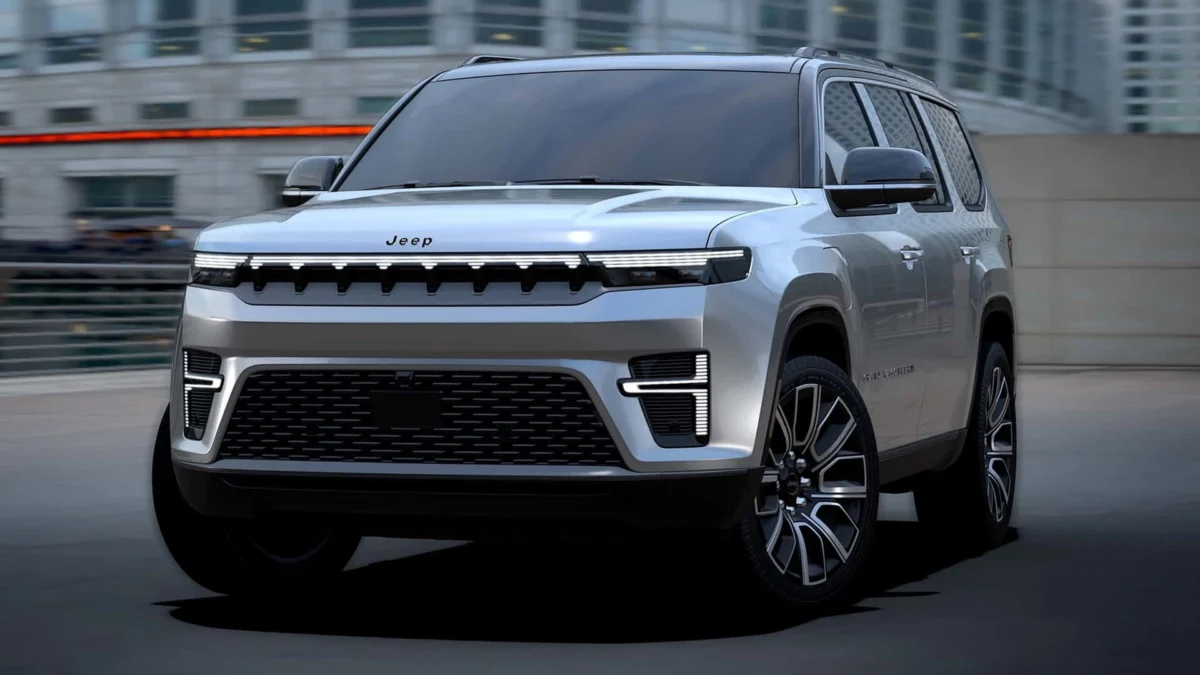
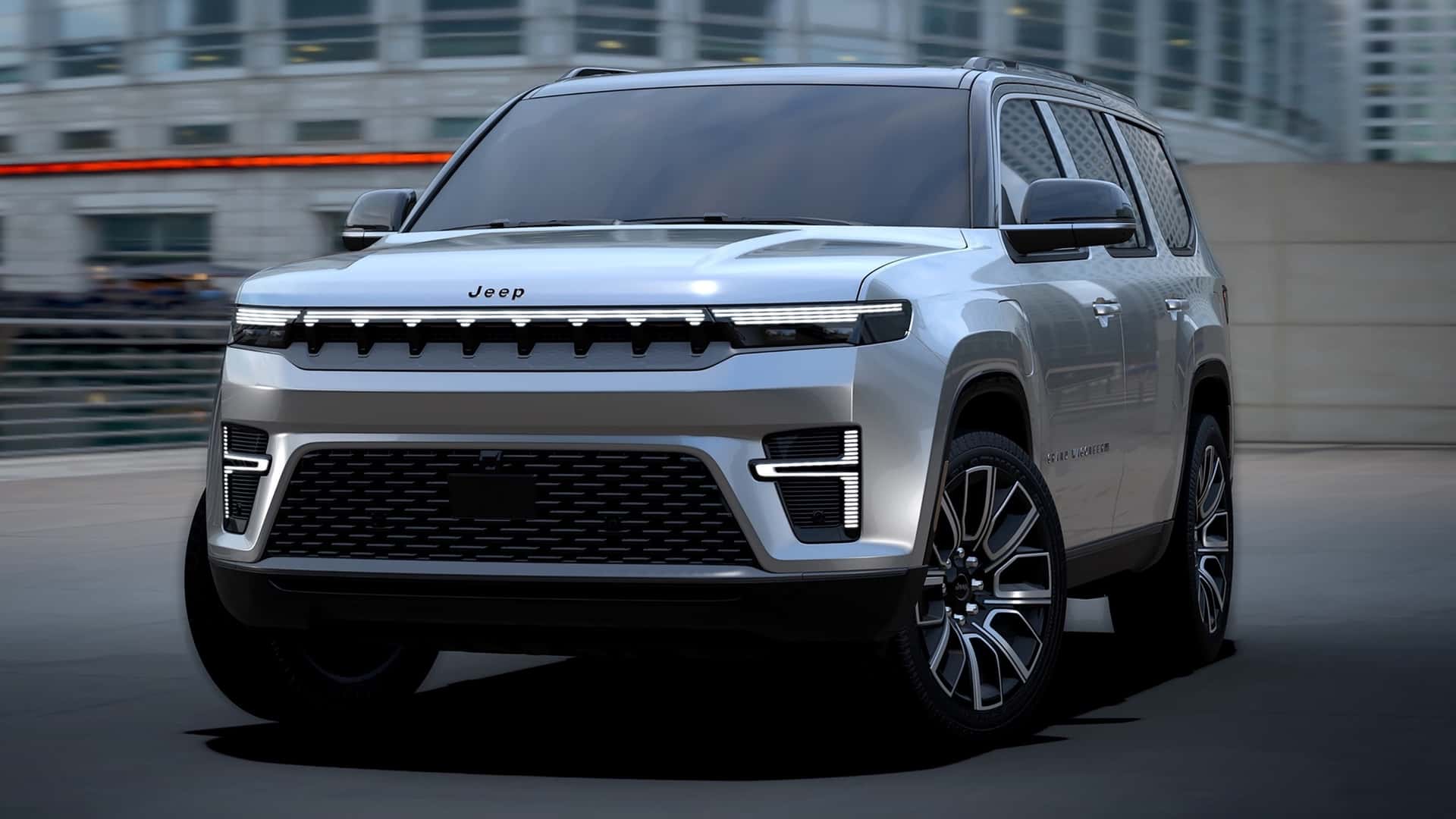
Stellantis has officially recalibrated the production timelines for two of its most anticipated electrified vehicles, the Jeep Grand Wagoneer EREV and the Ram 1500 REV. According to internal supplier documentation, the automaker is pushing back the manufacturing start dates for both high-profile models, a shift that underscores the complexities inherent in transitioning legacy automotive giants to hybrid and electric architectures. The Jeep Grand Wagoneer EREV, originally slated to begin production at the Warren Truck Assembly plant near Detroit in May, is now expected to commence operations in November. Meanwhile, the Ram 1500 REV has seen a more substantial adjustment, with its production window moving from mid-2026 to mid-April 2027. These shifts represent a significant change in the company’s near-term product roadmap and highlight the ongoing technical hurdles associated with scaling complex, shared-platform powertrains.
The Evolution of the EREV Strategy
The decision to delay these vehicles arrives at a critical juncture for Stellantis. Earlier this year, the company made headlines by canceling its original plans for a battery-electric-only (BEV) Ram 1500, pivoting instead toward an Extended-Range Electric Vehicle (EREV) configuration. This strategy shift was designed to address consumer concerns regarding range anxiety and the current limitations of public charging infrastructure.
An EREV functions differently than a traditional plug-in hybrid or a pure BEV. It utilizes a battery-electric powertrain as the primary source of propulsion, but integrates a gasoline-powered internal combustion engine that acts exclusively as an onboard generator. This engine does not drive the wheels directly; rather, it replenishes the battery pack to extend the vehicle’s range significantly beyond what a battery-only system could provide. By adopting this technology, Stellantis aims to offer the torque and performance benefits of an electric motor while maintaining the convenience of a liquid-fuel refueling infrastructure.
Technical Hurdles and Shared Architecture
The primary catalyst for these production delays, according to multiple industry reports and supplier memos, is the integration of the shared powertrain hardware. Both the Jeep Grand Wagoneer EREV and the Ram 1500 REV are built upon a common 400-volt electrical architecture that relies on a specific configuration of batteries and electric motors.
Developing a standardized, scalable powertrain that can support two distinct vehicle segments—a luxury SUV and a full-size pickup—is a monumental engineering challenge. Executives close to the project have indicated that the extra time is being utilized to "smooth the rollout" of this powertrain. This suggests that the company is prioritizing quality control and system calibration to ensure that the complex series-hybrid layout functions seamlessly. Because the two models share core components, any technical bottleneck encountered during the validation of the Jeep’s systems inevitably triggers a cascading effect on the Ram’s development timeline.
A Chronology of Strategic Adjustments
The timeline for these launches has been fluid throughout 2024. In the early months of the year, Stellantis maintained an optimistic forecast for its electrified portfolio, targeting a May start for the Grand Wagoneer. As supply chain volatility continued to impact the automotive sector, those dates began to drift.
- Early 2024: Stellantis announces the pivot from a pure BEV Ram 1500 to an EREV model, signaling a broader strategic shift.
- May 2024: Original target for the start of production at the Warren Truck Assembly plant for the Jeep Grand Wagoneer EREV.
- Late 2024: Supplier communications indicate a pivot to a November 2025 production start for the Jeep.
- Mid-2026: Original projected launch window for the Ram 1500 REV.
- April 2027: Current adjusted production window for the Ram 1500 REV.
While Stellantis has not issued a formal press release characterizing these changes as a "delay," the company’s messaging suggests that these vehicles remain core components of their 2026 strategic vision, even if the actual manufacturing cadence has been extended into later quarters.
Market Implications and Competitive Landscape
The automotive industry is currently navigating a period of tempered demand for pure electric vehicles, leading many manufacturers to reconsider their electrification timelines. By pushing these models back, Stellantis risks entering a market that is becoming increasingly crowded with more established electrified rivals.
For the Ram 1500 REV, the shift to 2027 is particularly significant. Rivals such as Ford and Chevrolet have already established a foothold in the electric and hybrid truck space. The success of the Ram 1500 REV will depend heavily on its ability to offer superior range, towing capacity, and price parity compared to the competition. Every month of delay increases the pressure on the engineering team to ensure the vehicle remains competitive against evolving industry standards.
Furthermore, the financial implications of these delays are substantial. Development costs for these platforms have already been incurred, and the delay in revenue realization from these "halo" products puts additional pressure on the company’s quarterly earnings. These vehicles are intended to be high-margin, high-visibility products that define the brand’s identity in the post-combustion era. If the launch is perceived as "behind the curve," the company may find it more difficult to capture the market share it originally projected.
The Role of the Warren Truck Plant
The Warren Truck Assembly plant, located in the suburbs of Detroit, remains the heart of this transition. The facility has undergone significant upgrades to accommodate the assembly of these new, highly electrified platforms. Reconfiguring a traditional truck plant to handle the high-voltage testing and battery assembly required for EREV models is a complex industrial undertaking. The delay in production suggests that the facility’s assembly lines and the associated supply chain for battery components are still being fine-tuned to meet the rigorous quality standards required for such sophisticated technology.
Industry Analysis: The Challenge of EREV Adoption
From a technical perspective, the EREV represents a "bridge" technology. While it is less reliant on the availability of high-speed DC fast-charging networks than a pure BEV, it requires a higher degree of integration between the mechanical engine and the electrical drivetrain. The cooling systems, power electronics, and software management required to coordinate these two systems are among the most complex in the automotive industry.
The current delay suggests that Stellantis is opting for a "measure twice, cut once" approach. By delaying the launch, the company is attempting to avoid the high-profile software glitches or recall campaigns that have plagued other manufacturers during the rollout of new EV architectures. In an era where brand reputation is closely tied to the reliability of digital and electrical systems, this caution may be a necessary, albeit costly, insurance policy.
Looking Ahead: The 2027 Horizon
As the industry moves toward 2027, the success of the Grand Wagoneer EREV and the Ram 1500 REV will likely be measured by more than just their production dates. It will depend on the final performance metrics—specifically, the real-world range of the generator-assisted powertrain and the efficiency of the battery system.
Stellantis finds itself in a precarious position. It must balance the need for rapid innovation to stay ahead of government emissions regulations with the practical realities of a supply chain that is struggling to keep pace with the company’s ambitions. The coming months will be a test of the company’s operational agility. Investors and consumers alike will be watching to see if the November production start for the Jeep is met, as this will serve as a bellwether for the viability of the entire EREV program.
Ultimately, the delay of these models is a reflection of the broader, often difficult, transition the global auto industry is undergoing. Whether these vehicles become the benchmark for hybrid utility or are viewed as late arrivals to a maturing market remains to be seen. What is clear, however, is that for Stellantis, the path to electrification is proving to be a marathon rather than a sprint, requiring constant adjustments to both technology and timing.