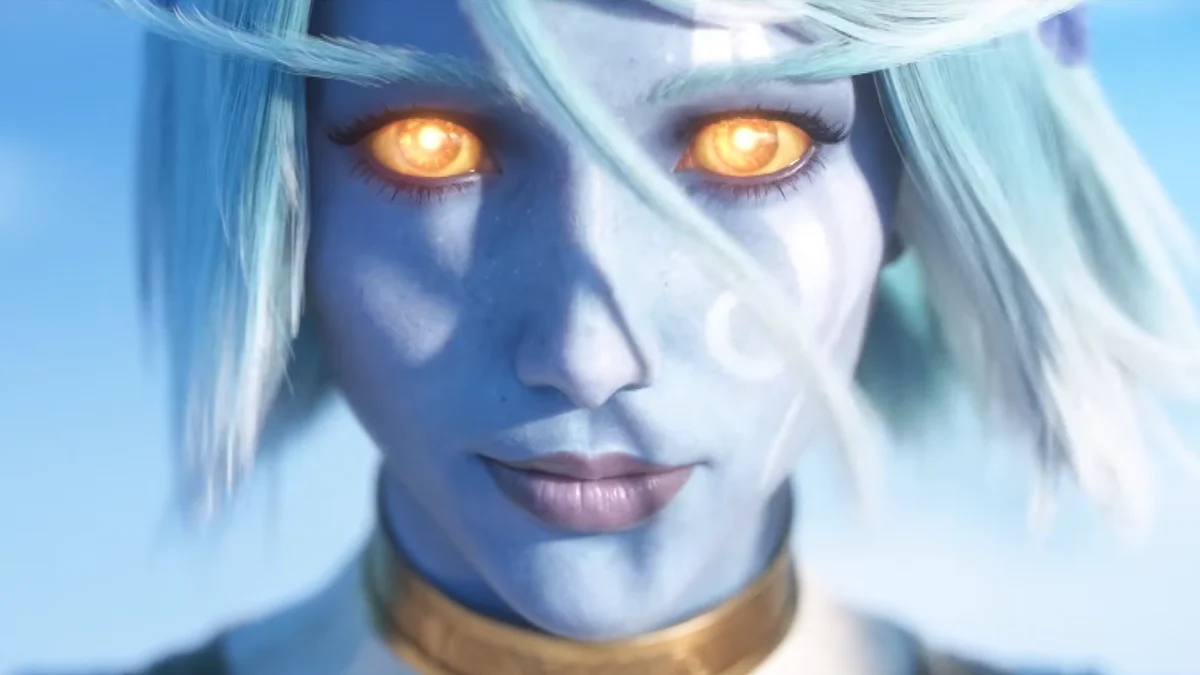
The announcement, which sent waves of excitement through the gaming community during the BlizzCon Opening Ceremony, confirms the long-standing rumors surrounding a project previously referred to by fans as "Classic Plus." By returning to the foundational mechanics of the original 2004 release while promising to introduce entirely new narrative arcs, unexplored regions of Azeroth, and gameplay systems never before seen in the classic era, Blizzard Entertainment is signaling a significant shift in its long-term development strategy for the World of Warcraft brand.
A New Philosophy for a Legacy Title
For years, the Blizzard development team faced a recurring dilemma: how to preserve the nostalgic integrity of the original World of Warcraft experience while satisfying a player base that has exhausted the content cycles of both the original game and its subsequent re-releases. The solution, embodied by World of Warcraft: Forever, draws heavy inspiration from the success of Old School RuneScape (OSRS).
By treating the 2006-era foundation as a "jumping-off point" rather than a museum piece, the developers intend to create a divergent timeline. In this version of Azeroth, the history players know—the expansions, the cataclysms, and the shifting political landscapes of the Horde and Alliance—will not necessarily come to pass in their traditional forms. Instead, the team is tasked with writing a "what-if" history, allowing for the exploration of continents, lore, and characters that were sidelined or entirely absent from the original MMO progression.
Chronology and Launch Details
The rollout for World of Warcraft: Forever is moving at an aggressive pace, reflecting Blizzard’s confidence in the product’s stability and public appeal. The following timeline outlines the transition from rumor to reality:
- Early Speculation Phase: For over two years, community dataminers and industry analysts tracked signs of "Classic Plus" development within Blizzard’s internal server builds.
- BlizzCon Announcement: The official unveiling took place during the BlizzCon Opening Ceremony, where the "New Horizons" cinematic trailer debuted, showcasing never-before-seen regions of the Eastern Kingdoms and Kalimdor.
- Public Access: Following the announcement, the game was made immediately available for hands-on demos at the BlizzCon floor.
- Beta Launch: A technical beta test is scheduled to go live this coming Thursday, allowing select players to stress-test the new server architecture and foundational systems.
- Global Launch: The official, full-scale release is slated for November 4, effectively creating a third pillar for the World of Warcraft ecosystem.
Market Context and Strategic Implications
The decision to support three concurrent versions of the same franchise—Retail (The War Within/modern expansions), Classic (progression servers), and now Forever—is an unprecedented move in the MMO space. Analysts have noted that while this risks fragmenting the player base, it also provides a unique safety net for the publisher.
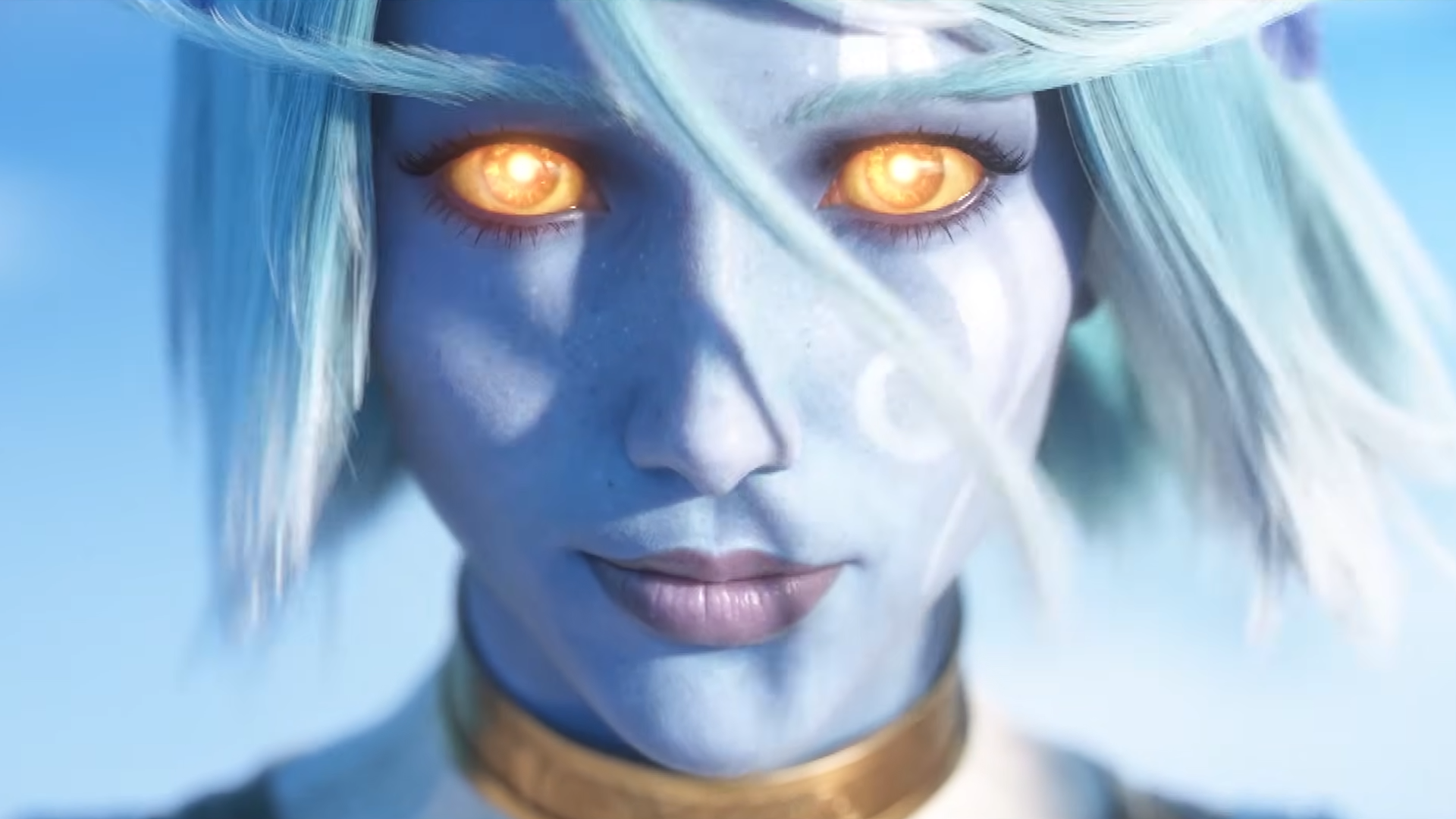
World of Warcraft remains one of the few properties with the sheer scale to sustain this level of diversification. By utilizing the existing subscription model, Blizzard ensures that the barrier to entry remains low. Current subscribers will have full access to the base experience, while the introduction of "upgrade packs"—such as those containing the new Skyborne race—serves as a secondary monetization layer for those seeking a more premium, customized experience at launch.
The success of this strategy hinges on the developer’s ability to provide constant, meaningful updates. Unlike the static nature of the original Classic servers, Forever is designed to be a living, breathing project. The development team has indicated that they intend to maintain a cadence of content releases that mimic the high-intensity development cycle of the early 2000s, but with modern quality-of-life improvements that address the accessibility concerns of today’s gamers.
Industry Comparisons and the OSRS Blueprint
The "Old School" model, pioneered by Jagex, serves as the primary North Star for this project. When Jagex discovered the 2007 backup of RuneScape, they didn’t just relaunch it; they allowed the community to vote on the trajectory of the game’s development. Consequently, OSRS has arguably surpassed the "main" version of the game in terms of player count and sustained engagement.
Blizzard appears to be adopting a more curated version of this approach. While they are not yet committing to a purely community-driven development roadmap, the emphasis on "new horizons" suggests they are listening to the long-standing desire for stories that were cut during the original 2004-2006 development cycle. For example, the expansion of zones like the Emerald Dream, the Hyjal mountains, and the deep lore of the High Elves—teased in the promotional imagery—are elements that players have clamored for since the game’s inception.
Technical Infrastructure and Subscription Tiers
From a technical standpoint, World of Warcraft: Forever is being built on a modernized version of the original engine. This allows for increased draw distances, improved character models, and better stability without losing the "weight" and tactical movement speed that defined the original game.
The integration into the Battle.net ecosystem is seamless, with the game appearing alongside existing versions. Pricing, however, has seen a minor update with the inclusion of optional "upgrade packs." Starting at $30, these bundles offer cosmetic enhancements and the newly introduced Skyborne race. This pricing structure suggests a move toward a hybrid model—blending the traditional monthly subscription with elements of the modern "live service" cosmetic store.
Stakeholder Responses and Expectations
While Blizzard has not yet released a full list of community feedback loops, internal sources suggest the reception among the "Classic" community has been largely positive. By creating a distinct branch for "Forever," Blizzard effectively satisfies the purists who wish to keep their progression servers frozen in time, while providing a sandbox for players who want the "classic feel" with "modern surprises."
Market analysts are keeping a close eye on the November 4 launch. If player retention remains high throughout the first quarter of 2025, it is likely that Blizzard will shift more development resources toward the "Forever" branch, potentially signaling a slow pivot away from the high-fantasy, high-complexity narrative of the modern "Retail" expansions.
Looking Ahead: The Future of Azeroth
The emergence of World of Warcraft: Forever represents more than just a trip down memory lane; it is a fundamental reassessment of what the World of Warcraft IP can be. By decoupling the game’s future from its past, Blizzard has opened the door to a new era of storytelling.
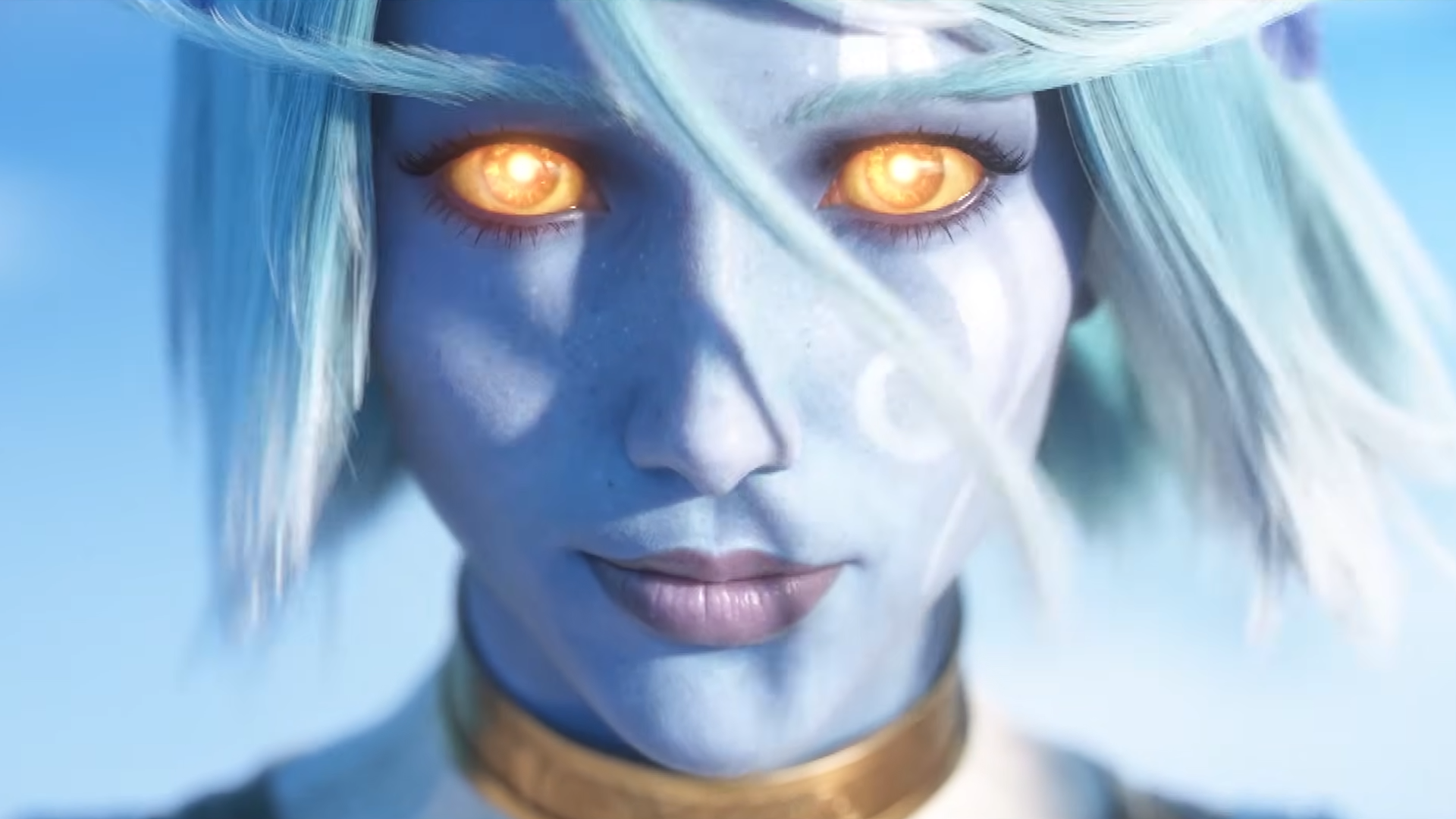
The inclusion of the Skyborne—a race that fits the aesthetic of the 2004 era but introduces new gameplay mechanics—suggests that the team is comfortable taking creative liberties. If the writing team can successfully weave these new threads into the existing, well-loved tapestry of Azeroth, the project could very well revitalize the franchise, proving that the original World of Warcraft was not just a product of its time, but a platform that can be reinvented indefinitely.
As the beta launch approaches, all eyes will be on the player feedback. The success of World of Warcraft: Forever will be measured not just by its initial subscriber numbers, but by its ability to foster a community that feels it has a stake in the evolution of this "new" old world. Whether this venture ultimately eclipses the popularity of the modern retail version remains to be seen, but one thing is certain: the world of Azeroth has just become significantly larger.