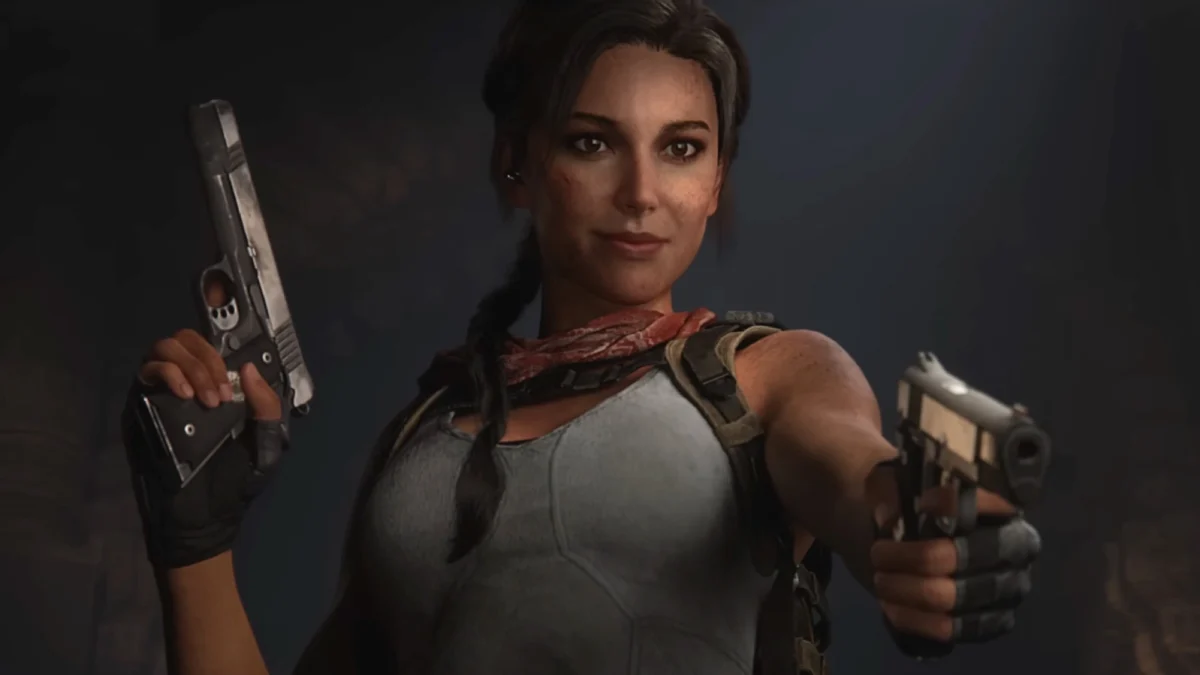
The anticipated return of iconic adventurer Lara Croft under Amazon’s expansive gaming initiative has encountered another substantial setback, as Tomb Raider: Catalyst, a brand-new entry in the celebrated franchise, is now projected for release in 2028. This announcement follows a series of delays and challenges that have plagued Amazon’s multi-pronged strategy to revitalize the Tomb Raider intellectual property, encompassing both video games and a live-action television adaptation. The news emerged from Jeffrey Gattis, Amazon’s head of gaming, who confirmed the revised timeline during a discussion with The Game Business’ Chris Dring. Gattis, while outlining Amazon’s broader gaming portfolio and the recent relaunch of its Luna streaming platform, stated, "We’ve obviously announced the two Tomb Raider titles: Atlantis comes 12th February next year and then we’ll follow on in 2028 with the next one." This offhand disclosure underscores the mounting pressures and complexities inherent in developing major entertainment franchises in today’s competitive landscape.
Amazon’s Strategic Push into Gaming and the Tomb Raider Mandate
Amazon’s foray into the highly competitive video game industry has been characterized by significant investment and ambitious aspirations, yet also by a string of notable challenges. Since establishing Amazon Games in 2012, the tech giant has sought to carve out a substantial niche, pouring resources into game development, publishing, and cloud gaming services like Luna. High-profile titles such as Crucible and New World have experienced mixed receptions, with Crucible notably being pulled from the market shortly after its release, and New World undergoing significant retooling post-launch. These experiences have highlighted the inherent difficulties of breaking into a mature market dominated by established players.
Against this backdrop, the acquisition of publishing rights for the Tomb Raider franchise in 2022 was viewed as a pivotal move. Tomb Raider, with its rich history spanning nearly three decades, a loyal global fanbase, and a protagonist, Lara Croft, who transcends gaming into broader pop culture, represents a tentpole IP capable of anchoring Amazon’s gaming ambitions. The partnership with Crystal Dynamics, the long-standing developer responsible for many beloved Tomb Raider titles, was intended to leverage the studio’s expertise while providing Amazon with a high-profile, recognizable brand to drive its content ecosystem. The vision was not merely to release standalone games but to create a synergistic multimedia experience, integrating games with a Prime Video television series, aiming for a comprehensive narrative and commercial revitalization of the franchise. This holistic approach aimed to replicate the success seen with other cross-media franchises, such as Marvel or Star Wars, positioning Lara Croft as a central figure in Amazon’s entertainment empire.
A Legacy of Adventure: The Enduring Appeal of Tomb Raider
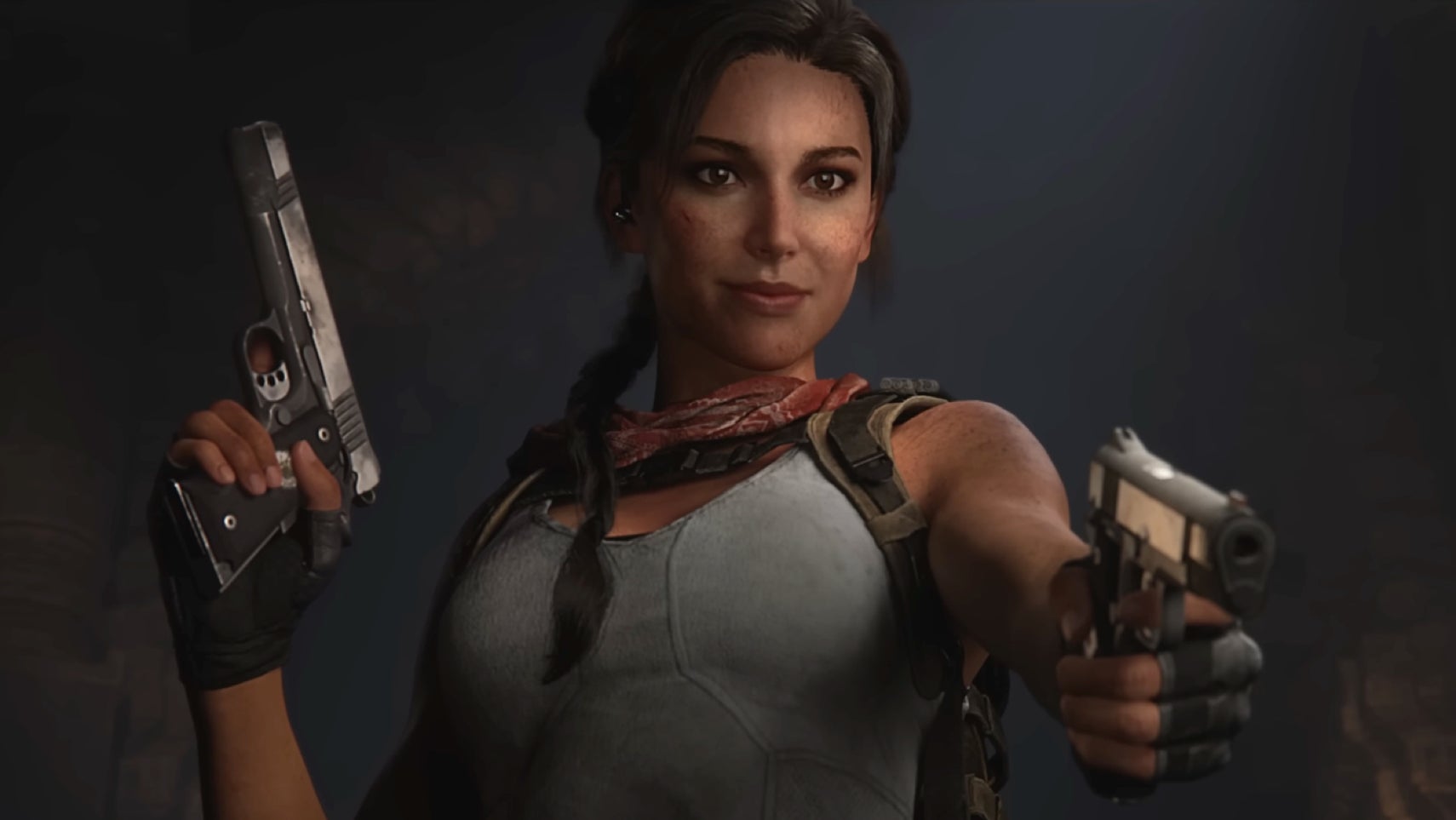
The Tomb Raider franchise debuted in 1996, instantly captivating players with its innovative 3D platforming, intricate puzzles, and the compelling character of Lara Croft. A British archaeologist and adventurer, Lara quickly became a cultural icon, celebrated for her intelligence, athleticism, and independence. The original game, developed by Core Design, spawned numerous sequels and cemented Lara’s status as one of gaming’s most recognizable protagonists. Over the years, the franchise has seen various iterations and reboots, with Crystal Dynamics taking the reins in the mid-2000s, breathing new life into the series with titles like Tomb Raider: Legend and the highly successful "Survivor Trilogy" (2013’s Tomb Raider, Rise of the Tomb Raider, and Shadow of the Tomb Raider).
The enduring appeal of Tomb Raider lies in its blend of exploration, historical mystery, challenging combat, and the charismatic lead character. Each iteration has sought to evolve Lara’s character, exploring her origins and developing her into a more complex figure. The decision to embark on a "reimagining" of the very first game, Legacy of Atlantis, speaks to the deep reverence for the franchise’s roots, aiming to introduce its foundational narrative to a new generation while offering a fresh perspective for long-time fans. Tomb Raider: Catalyst, on the other hand, represents the future—a brand-new narrative adventure pushing Lara into uncharted territories, both geographically (India) and potentially thematically. The dual approach underscores Amazon and Crystal Dynamics’ intent to honor the past while boldly stepping into the future of the franchise.
A Tumultuous Timeline: Setbacks and Delays
The path to Lara Croft’s grand return under Amazon has been anything but smooth, marked by a series of delays across both game development and the live-action adaptation.
- 2022: Amazon Games announces a partnership with Crystal Dynamics to develop and publish the next main Tomb Raider game. This initial announcement hinted at a significant commitment to the franchise.
- December 2023: At The Game Awards, Amazon and Crystal Dynamics finally reveal the extent of their plans, confirming not one, but two Tomb Raider titles.
- Tomb Raider: Legacy of Atlantis, described as a "ground-up remake" of the very first Tomb Raider, was initially slated for release in 2024.
- Tomb Raider: Catalyst, a completely new entry in the series, was then announced with an expected launch in 2027 for PS5, Xbox Series X/S, and PC.
- June 2024:
- Legacy of Atlantis receives its first official delay, shifting its release window from 2024 to February 12, 2027. This delay was accompanied by a new trailer, attempting to maintain fan enthusiasm despite the extended wait. Eurogamer’s editor-in-chief Chris Tapsell, after a preview, expressed concerns that the game felt "strangely double-A," suggesting potential areas needing further refinement.
- Controversy erupts regarding Legacy of Atlantis when it’s revealed that AI tools were utilized in its development. Crystal Dynamics director of experience Jeff Adams stated that AI helped the team "get to [the] right answers faster." However, attempts by journalists to gain further elaboration on the specific nature and extent of AI use were reportedly shut down by Amazon’s PR team, fueling speculation and debate within the gaming community about the role of generative AI in creative processes.
- Crystal Dynamics confirms a fresh wave of layoffs, impacting approximately 20 staff members. This marked the fourth round of layoffs for the studio in less than a year, raising concerns about team stability and the potential impact on ongoing development projects.
- Earlier this Year (2024): Filming for the Amazon Prime live-action Tomb Raider TV show, starring Sophie Turner as Lara Croft, experiences a temporary halt. Reports indicated that Turner suffered a back injury on set, leading to a production pause. While shooting has since resumed, this incident highlights the logistical challenges of concurrent multimedia productions.
- Most Recently (Current News): Jeffrey Gattis, Amazon’s head of gaming, confirms a further delay for Tomb Raider: Catalyst, pushing its release from the previously announced 2027 to some time in 2028. This makes Catalyst the second Tomb Raider game project to face a significant postponement under Amazon’s stewardship.
This continuous chain of events—delays, controversies, and internal restructuring—paints a picture of a challenging development cycle for one of gaming’s most beloved franchises.
The AI Integration Controversy: A Precedent for Debate

The revelation that Tomb Raider: Legacy of Atlantis was being developed with the aid of AI tools ignited a fierce debate within the gaming industry and among the player base. While the exact scope and nature of AI implementation remain somewhat opaque due to Amazon’s PR intervention, Crystal Dynamics’ Jeff Adams’ comment about AI helping to "get to [the] right answers faster" suggests its use in areas such as asset generation, environmental design, or even early-stage narrative ideation.
The use of generative AI in creative industries is a contentious topic. Proponents argue that AI can streamline workflows, accelerate prototyping, and free up human artists and designers to focus on higher-level creative tasks. They envision AI as a powerful tool for efficiency and innovation, particularly in a field where asset creation can be incredibly time-consuming and resource-intensive. However, critics raise significant concerns about job displacement, the ethical implications of using AI-generated content (especially if trained on copyrighted material without proper attribution or compensation), and the potential for a homogenization of artistic style. Many fear that over-reliance on AI could diminish the unique artistic vision and human touch that defines exceptional game design, leading to a loss of craft and authenticity. The controversy surrounding Legacy of Atlantis underscores the industry’s ongoing struggle to define the appropriate and ethical boundaries for AI integration, especially for a beloved, character-driven franchise like Tomb Raider, where artistic integrity and fan expectations run exceptionally high.
Crystal Dynamics’ Turbulent Waters: Layoffs Amidst Ambitious Projects
Adding to the complexities surrounding the Tomb Raider revival are the significant internal challenges faced by Crystal Dynamics. The studio has endured multiple rounds of layoffs over the past year, with the most recent cuts impacting 20 staff members in June. This pattern of workforce reductions, totaling four rounds in less than 12 months, raises serious questions about the stability of the development environment and the resources available to bring these ambitious Tomb Raider projects to fruition.
These layoffs are not isolated incidents but reflect broader trends within the video game industry. Recent years have seen unprecedented consolidation, acquisitions, and widespread workforce reductions across major publishers and developers, including Embracer Group (Crystal Dynamics’ former parent company) and even Amazon itself. Economic pressures, shifting market demands, and the ever-increasing cost of developing AAA titles contribute to this volatile environment. For Crystal Dynamics, juggling the simultaneous development of two high-profile Tomb Raider games, a live-action TV show tie-in, and navigating the complexities of a new publishing partner in Amazon, all while experiencing internal staff cuts, presents an immense challenge. Such instability can impact morale, lead to loss of institutional knowledge, and potentially slow down development, contributing directly to the delays witnessed for Legacy of Atlantis and Catalyst. The need to maintain high quality while operating under such conditions is a testament to the dedication of the remaining staff, but it also highlights the precarious nature of large-scale game development in the current climate.
Broader Implications: A Critical Juncture for Amazon Gaming and the Tomb Raider IP

The repeated delays and controversies surrounding Amazon’s Tomb Raider projects carry significant implications for all parties involved. For Amazon Games, these setbacks could further erode confidence in its ability to consistently deliver high-quality, on-time titles. Despite substantial financial backing, the division has yet to produce a breakout, universally acclaimed hit that solidifies its standing as a major player. The Tomb Raider franchise was meant to be a cornerstone of this effort, and its troubled development cycle risks casting a shadow over Amazon’s broader gaming strategy and its investments in cloud gaming via Luna. Prolonged development cycles inevitably lead to increased costs, potentially straining budgets and impacting profitability projections.
For Crystal Dynamics, the situation is equally critical. As a storied developer entrusted with a cherished IP, their reputation is intrinsically linked to the success of these new Tomb Raider titles. The layoffs and the AI controversy, coupled with the delays, could fuel skepticism among fans and industry observers about the creative vision and execution. While delays can ultimately lead to a more polished product, repeated postponements can also dampen enthusiasm and lead to a perception of disarray.
Finally, for the Tomb Raider intellectual property itself, these developments represent a critical juncture. Lara Croft has proven her resilience over decades, adapting to new technologies and narrative trends. However, prolonged periods without major new releases, especially when accompanied by negative news, can lead to brand fatigue or a decline in cultural relevance. The hope is that the eventual release of Legacy of Atlantis in 2027 and Catalyst in 2028 will justify the extended wait, delivering experiences that not only meet but exceed fan expectations, thereby re-establishing Lara Croft at the forefront of action-adventure gaming. The synergy with the live-action TV show, assuming it maintains its production schedule and quality, will also be crucial in maintaining momentum and cross-platform appeal. The coming years will be decisive in determining whether Amazon’s ambitious Tomb Raider revival can overcome its initial stumbles and reclaim the franchise’s legendary status.