Published April 16, 2026, 09:34 AM
The cycling world in 2026 is abuzz not with the incremental advancements in electronic shifting, lighter carbon frames, or subtle geometry tweaks, but with a fundamental shift in wheel size. After years of clandestine prototyping, hushed industry rumors, and bespoke creations, 32-inch wheels are emerging into the public consciousness across multiple cycling disciplines simultaneously. This significant evolution is evident on prototype cross-country race bikes, production-ready gravel grinders, and in the strategic product roadmaps of tire and suspension manufacturers, all signaling a belief in the viability of this new category.
The Paradigm Shift: Why 32-Inch Wheels Matter
The last five to six years in mountain biking product development have been characterized by refinement rather than radical reinvention. While bicycles have steadily improved, these enhancements have often been marginal, insufficient to compel widespread upgrades. For many riders, and indeed for those who test bikes professionally, this has meant that a mountain bike purchased in 2020 remains largely as capable and competitive as a new model today. This extended product lifecycle, while beneficial for consumers weary of obsolescence, has presented a challenge for an industry accustomed to more frequent technological leaps. The emergence of 32-inch wheels, however, possesses the potential to disrupt this equilibrium, mirroring the transformative impact that 29-inch wheels had two decades ago. Those larger hoops effectively supplanted 26-inch wheels across nearly all mountain biking categories, offering superior obstacle traversal, enhanced speed retention, and, once geometry adapted, improved handling and rider confidence. The pivotal question now is whether 32-inch wheels can further extend these advantages, or if this represents a calculated industry maneuver to stimulate sales in a post-pandemic market characterized by cautious consumer spending.
Unpacking the Performance Advantages
To gauge the genuine potential of this transition, a comprehensive industry-wide inquiry was conducted, involving engineers, product managers, and test riders from leading companies such as Fox, Trek, Maxxis, and Vittoria, as well as smaller design firms and nascent bike brands already committed to production models. While some are still in the experimental phase, others are on the cusp of market release, all grappling with the fundamental question: where do 32-inch wheels truly offer a performance benefit?
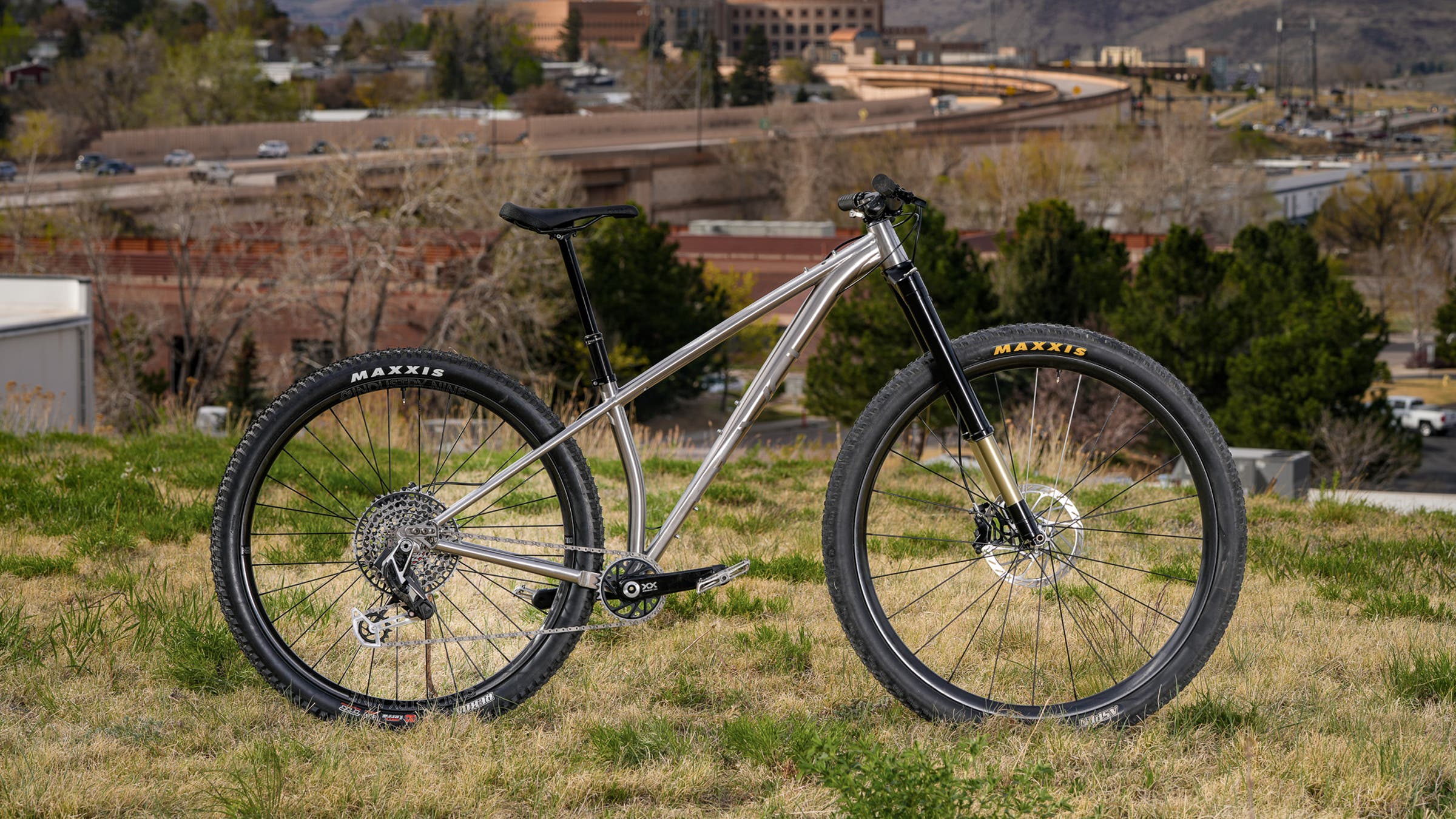
Currently, the most apparent application is in cross-country (XC) racing, a discipline where efficiency is paramount, and riders are typically amenable to accepting trade-offs for competitive gains. Craig Richey, Senior Director of Marketing and Product Strategy at Fox Factory, indicated that the industry has moved beyond the speculative phase. "I think we’re beyond the exploration phase now with 32 for XC," Richey stated. His experience testing a full-suspension 32-inch XC prototype since last summer has been illuminating. "The amount of traction is unbelievable. Even on a very minimal tread XC tire, the grip is phenomenal. Roll-over speed is really good. You don’t get hung up on little bumps."
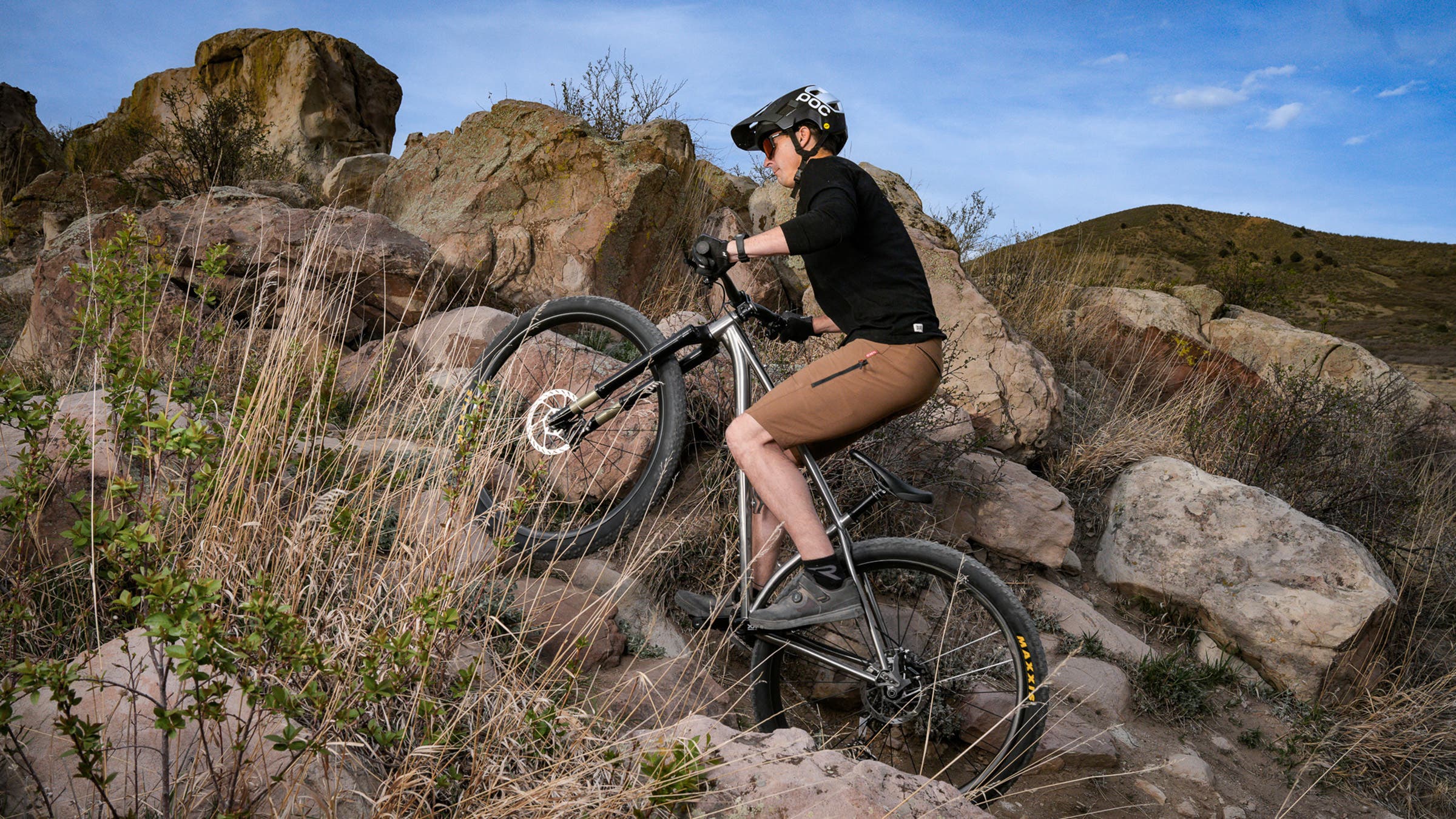
The most striking observation from Richey’s testing was the performance parity of the prototype with current top-tier race bikes, despite its considerable weight disadvantage. The early-stage aluminum test mule, weighing at least five pounds more than a modern carbon 29er, still managed to maintain essentially the same speed as a refined World Cup-level XC machine.
While XC represents a clear starting point, the gravel cycling segment appears poised to embrace 32-inch wheels with broader appeal. Ken Avery, Senior VP of Product Development at Vittoria Tires, outlined the emerging understanding from their testing: "All else being equal, a larger wheel rolls more smoothly and may offer ‘a few watts advantage’ in some cases," though he emphasized that finalized test data has not yet been published. Avery views gravel as a particularly promising arena due to its less technical demands and more forgiving rider fit parameters compared to mountain biking. "In the big-mile gravel events that are so common, I could certainly see this being something that’s quite popular," he remarked.
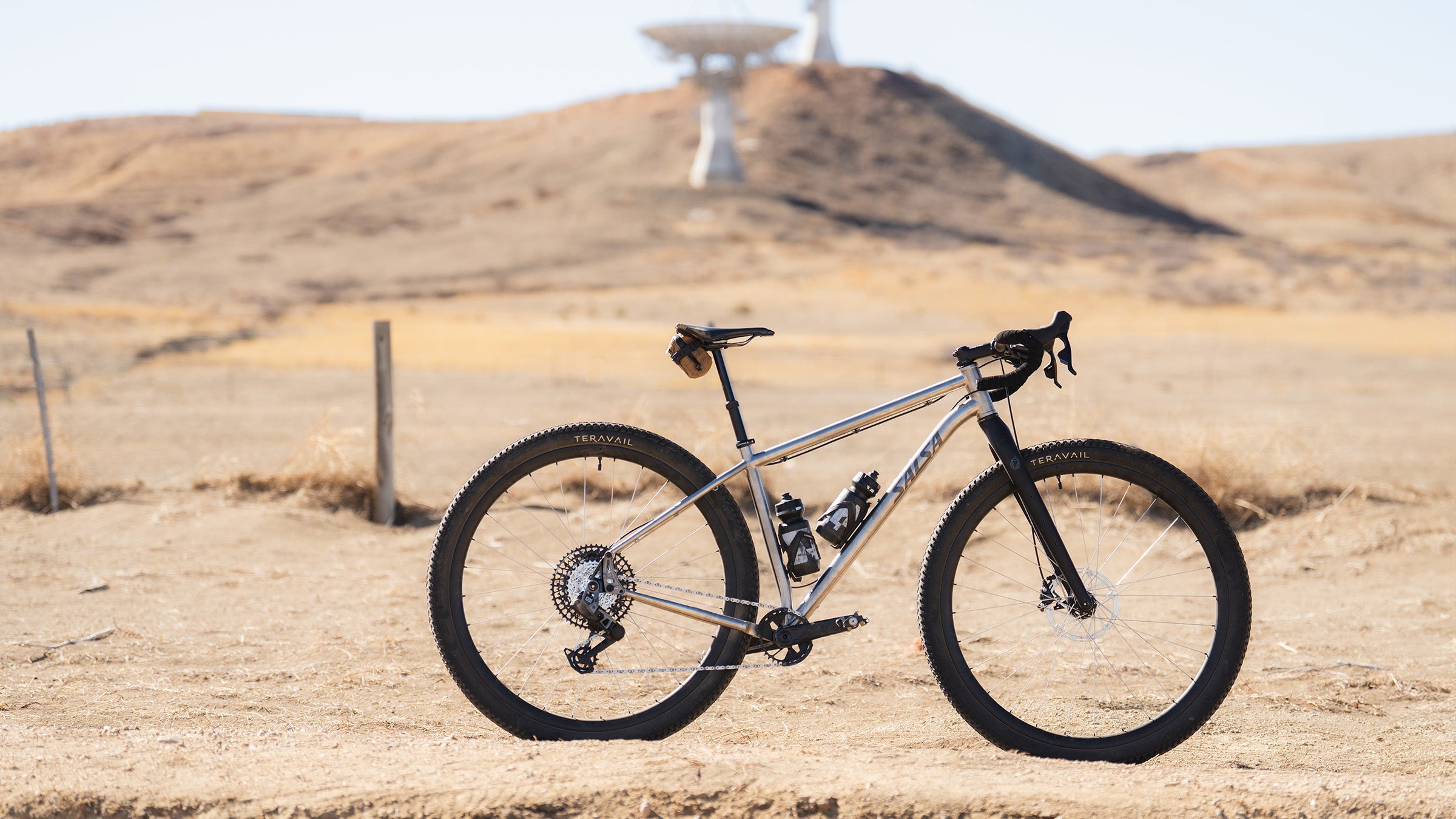
Salsa Cycles is at the forefront of this exploration. Their new Fargo 32 bikepacking model, slated for consumer release this autumn, signifies a critical step towards normalizing 32-inch wheels beyond the race circuit. Joe Meiser, Salsa’s Product Manager, reported that their internal testing revealed that larger wheels achieve faster and greater distances under equivalent power input, while simultaneously increasing the tire contact patch by an estimated 10 to 15 percent. This enhancement is particularly pronounced on loose surfaces, where, according to Meiser, "It really doesn’t flinch in the sand." He draws a direct parallel to the 26-to-29-inch transition: "32 is to 29, as 29 is to 26."
The Bottleneck: The Challenge of a New Tire Size
The apparent performance benefits raise the question of why this transition has taken so long. The primary hurdle, according to Travis Brown, Trek’s R&D Field Test Manager and a former professional mountain biker involved in early 29er development, lies at the intersection of tire and trail. While frame and rim manufacturing are relatively straightforward, and suspension forks present moderate challenges, the development of truly functional and competitive tires for new wheel sizes has historically been the most significant impediment.
"You wouldn’t think that the tire would be the bottleneck to discovery," Brown commented. "But building frames is easy. Building rims is pretty easy. Suspension forks are a little bit more challenging, but everything is easier compared to getting tires made." The development of a new tire size is not a minor undertaking; it necessitates substantial investment in entirely new molds and curing equipment, a commitment typically exceeding six figures. Unlike frames or rims, where rapid prototyping and iteration are feasible, tires demand full-scale manufacturing from the outset. Until recently, the industry lacked sufficient confidence in the 32-inch concept to justify such a significant expenditure.
A catalyst for this shift emerged from the demands of elite racing. Duncan McGuire, Sports Marketing and Athlete Manager at Maxxis, explained that their 32-inch tire program was initiated in response to race teams seeking an advantage leading up to the 2024 Paris Olympics. The initial objective was to have a 32-inch version of Maxxis’s flagship XC tire, the Aspen, ready for those Games. However, development timelines necessitated a postponement. Consequently, the 32-inch category is now poised for broader introduction through the current World Cup season and into the 2027 and 2028 product cycles.
Navigating Design Complexities
A key consideration has been the applicability of 32-inch wheels to smaller frame sizes. While much of the initial discourse focused on taller riders, Salsa proactively investigated the feasibility for riders of all heights. Allison Schmitz, a design engineer at Salsa and a 5’3" rider, was instrumental in developing a size-small prototype, questioning the perceived limitations. "It might seem counterintuitive to make a small 32-inch bike, but I can confidently say that small riders can handle these larger wheels," she asserted.
Schmitz’s testing confirmed the advantages of better rollover, traction, and momentum. However, she also identified inherent trade-offs: "All those benefits come with the compromise of a slow start-up… and on certain pavement climbs… I didn’t necessarily feel the increased speed."
Other industry players echo these observations regarding performance trade-offs. Julien Boulais, Director of Marketing and Strategy at Faction Bike Studio, a design and engineering firm working behind the scenes for various brands, acknowledged both the opportunity and the limitations. "I’d be surprised if 32-inch wheels take over as much of the industry as 29ers did," Boulais predicted, citing potential packaging challenges and the risk of misapplication of the wheel size across inappropriate categories.
Even brands actively pushing the 32-inch concept, such as Revel Bikes, are proceeding with caution. Revel is showcasing two 32-inch concept bikes this spring but has not yet announced production plans. "It’s pretty easy to make one and say, ‘Hey, we have a 32-inch bike,’ " founder Adam Miller stated. "It’s not as easy to make one that rides well."

The Future of 32-Inch Wheels: Evolution or Ephemeral Trend?
The current landscape for 32-inch wheels is defined by a tension between demonstrable performance gains and tangible design challenges. Packaging larger wheels presents significant hurdles. Toe overlap becomes a more pronounced concern on gravel bikes, and front ends tend to rise, contributing to longer overall bike dimensions, particularly with increased suspension travel. Brown suggests that mixed-wheel setups (e.g., 32-inch front, 29-inch rear) may offer a solution in certain segments, while Richey notes that outside of XC, the category remains in its nascent stages of exploration.
Beyond the competitive rider, the broader implications for everyday users are also significant. Bike racks and travel bags will likely require redesign to accommodate larger wheel dimensions. During the initial adoption phase, sourcing spare wheels, tires, and other replacement parts in smaller, independent bike shops could prove challenging. As Richey succinctly put it, "For pros, a one percent gain is enough to justify all kinds of inconvenience. For everyone else, that equation is different."
Even the most optimistic industry voices are not advocating for a wholesale replacement of existing wheel sizes. Avery draws a parallel to the introduction of plus-sized and fat bikes, where aggressive industry pushes for universal adoption ultimately settled into more defined niches. The crucial difference with 32-inch wheels, however, is their potential to deliver measurable performance enhancements in specific disciplines, rather than solely offering an altered ride feel.
The upcoming Sea Otter Classic will serve as a critical barometer, offering the first comprehensive public view of the 32-inch movement’s progress. Prototype bikes, early production models, and potentially discreet testing by professional racers are expected to provide valuable insights. The ultimate trajectory of 32-inch wheels—whether they become a new industry standard or occupy a specialized niche—hinges on the industry’s ability to surmount the inherent challenges of weight, fit, suspension integration, and supply chain logistics. Crucially, it will also depend on whether the performance benefits are sufficiently compelling to justify the associated costs for the broader cycling populace. While the outcome remains uncertain, for the first time, the prospect of a 32-inch wheel revolution warrants serious consideration.