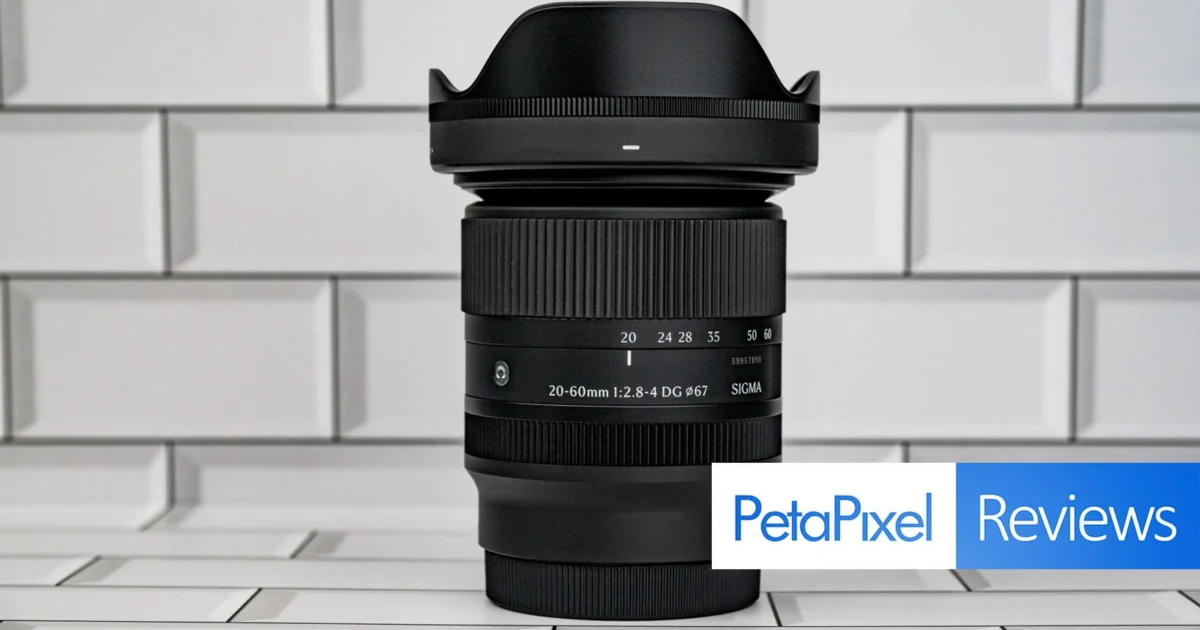
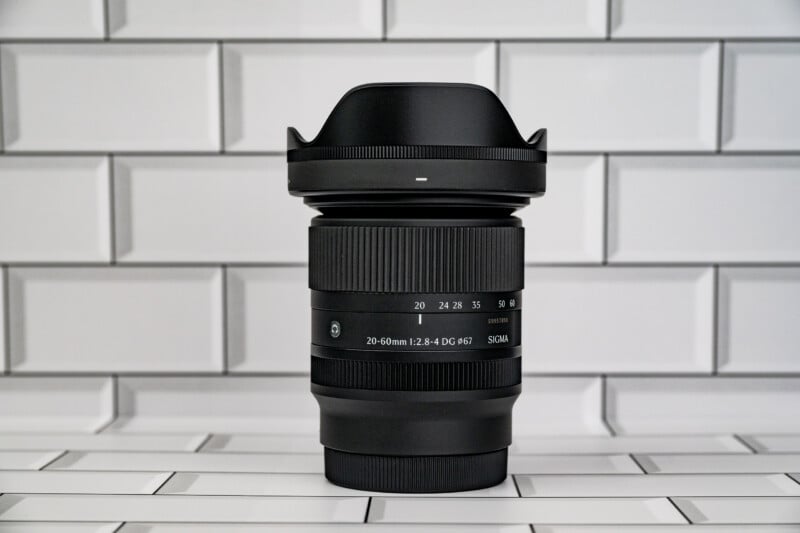
The photography industry has long faced a persistent tension between optical excellence and physical portability. Sigma, a manufacturer renowned for its Contemporary, Art, and Sports lens lines, has sought to resolve this trade-off with the release of the Sigma 20-60mm f/2.8-4 DG Contemporary lens. Designed for Sony E-mount and Leica/Panasonic/Sigma L-mount mirrorless camera systems, this lens enters a competitive market segment currently dominated by manufacturer-specific optics. Priced at $849, the lens aims to provide a high-performance, ultra-wide-to-standard zoom that balances light-gathering capabilities with a weight profile under 400 grams.

Development and Market Context
The introduction of the 20-60mm f/2.8-4 follows a shifting trend in the mirrorless market where photographers and videographers are increasingly prioritizing "walk-around" convenience over the heavy, constant-aperture f/2.8 zoom lenses that have been the industry standard for decades. The 20mm focal length has gained significant traction as a preferred starting point for wide-angle work, offering a more immersive perspective than the traditional 24mm standard without the extreme distortion often associated with ultra-wide-angle primes.
Sigma’s entry into this space occurs against a backdrop of established competitors. For Sony users, the Sony 20-70mm f/4 G has been a highly regarded, albeit more expensive, option. For the L-mount alliance—comprising Panasonic, Leica, and Sigma—the Panasonic 20-60mm f/3.5-5.6 has served as an affordable, entry-level kit lens. Sigma’s latest offering attempts to bridge the gap between these two, providing a brighter f/2.8 aperture at the wide end while maintaining a competitive price point.
Physical Design and Construction
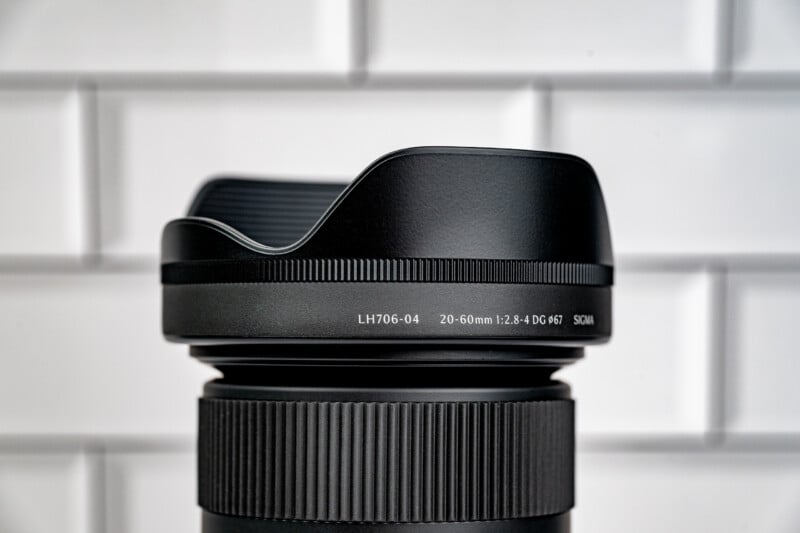
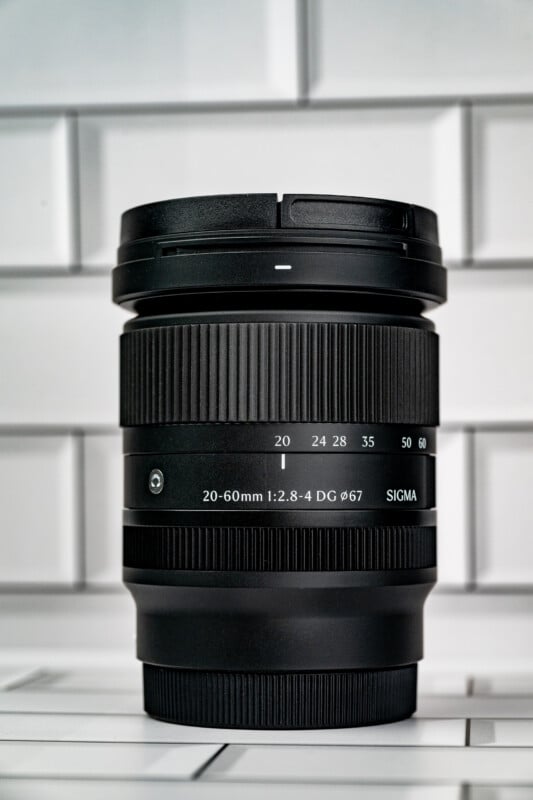
The Sigma 20-60mm f/2.8-4 DG Contemporary is engineered with a focus on size and weight efficiency, tipping the scales at 375 grams (13.2 ounces). This physical footprint makes it particularly well-suited for users who utilize compact mirrorless bodies, whether for travel photography or gimbal-stabilized cinematography. The lens utilizes a 67mm filter thread, a common size that allows photographers to use shared filters across multiple lenses in their kit.

Constructed as part of the Contemporary line, the lens includes weather-resistant sealing at the mount, protecting the internal elements from dust and moisture. While the lens lacks a physical focus mode switch—a feature often reserved for Sigma’s premium Art series—it relies on internal high-speed linear motor technology. This motor facilitates rapid, silent autofocus, which is a critical requirement for contemporary hybrid shooters who toggle between stills and video.
Optical Performance and Technical Analysis
Testing of the lens reveals a distinct optical signature characterized by strong performance in the center of the frame. At the 20mm wide end, the lens exhibits high contrast and sharpness, even when used at the maximum aperture of f/2.8. While the extreme corners of the image show some softness at f/2.8, stopping the aperture down to f/5.6 yields significant improvements in corner-to-corner consistency.
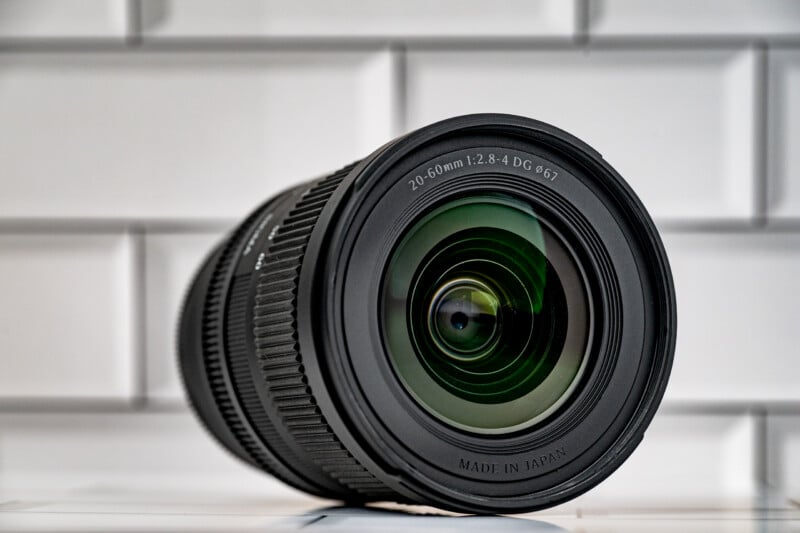
The telephoto end of the zoom range, at 60mm, maintains this level of consistency. With an aperture of f/4 at 60mm, the lens produces sharp results with minimal fall-off. Chromatic aberration is well-controlled; longitudinal chromatic aberration (LoCA) is only detectable under specific, high-contrast lighting conditions at the 20mm f/2.8 setting, and it is easily corrected in post-processing.
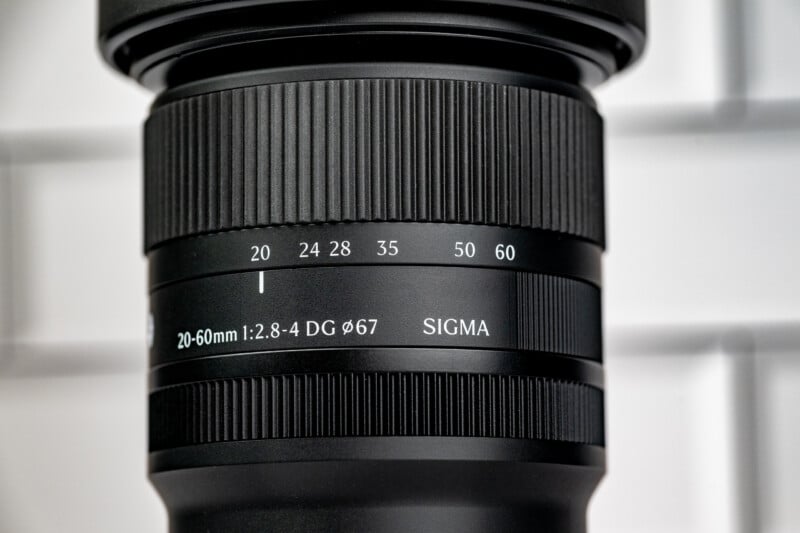
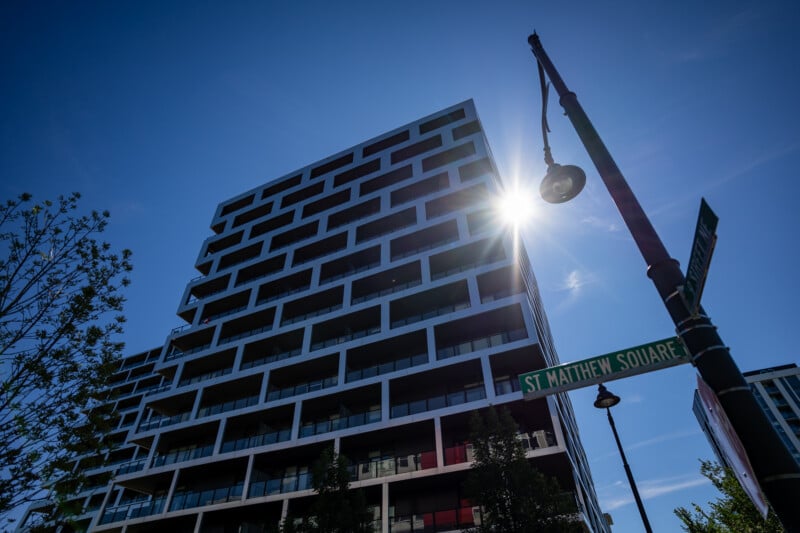
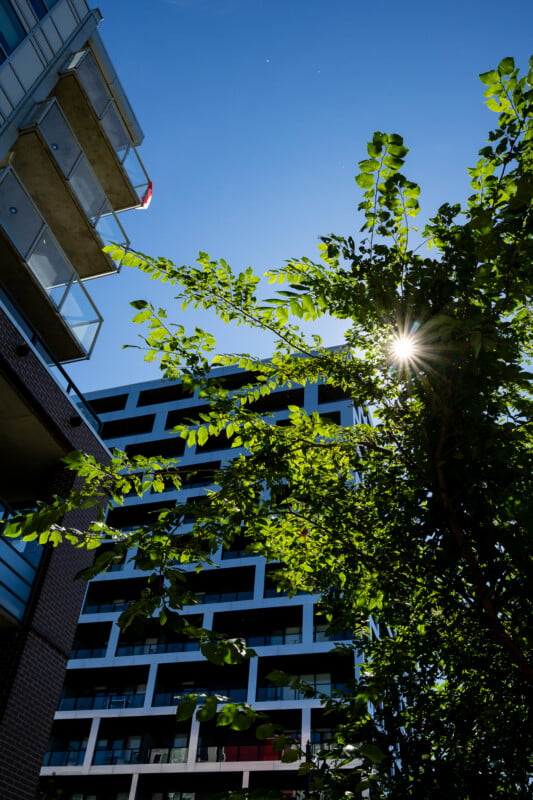
Sigma’s proprietary lens coatings have been applied to mitigate lens flare and ghosting. During rigorous testing, the lens demonstrated high resistance to light sources within the frame, showing only minor ghosting when stopped down. While the sunstars produced by the aperture blades are functional, they lack the distinct aesthetic character often found in specialized prime lenses, which may be a point of consideration for landscape photographers who prioritize specific "starburst" effects.
Versatility in Macro and Close-Up Photography
One of the more notable features of this lens is its close-focusing capability. The optical design allows for a maximum magnification ratio of 1:2.3, achieved at the 35mm focal length. This makes the lens exceptionally versatile for photographers who require the ability to capture tight, detailed shots of small subjects—such as flora or product details—without the need to switch to a dedicated macro lens. This "macro-like" performance is a significant utility factor, differentiating it from the standard 20-70mm or 24-70mm zooms that typically have longer minimum focusing distances.
Evaluation for Video Production
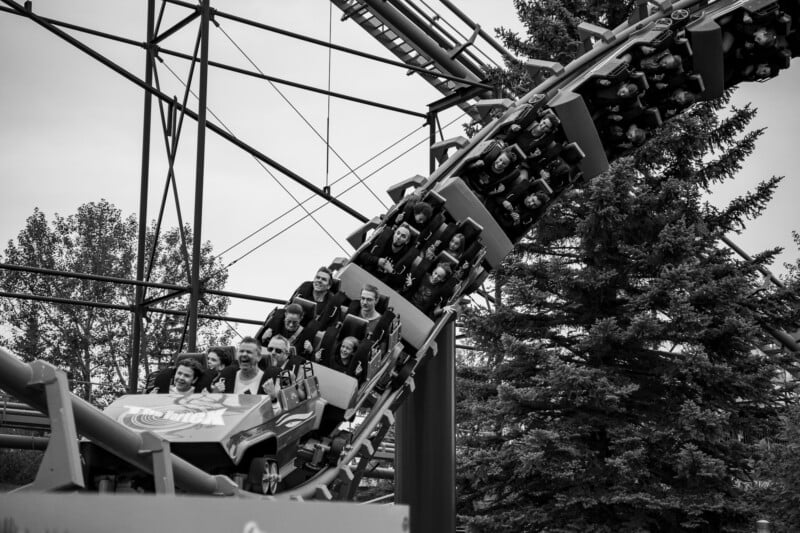
The design choices of the 20-60mm f/2.8-4 reflect a clear understanding of current video production workflows. The lens exhibits minimal focus shift during zooming, and its weight distribution is conducive to use on electronic gimbals. By maintaining a relatively constant point of balance, the lens allows for smoother operation during complex camera moves.

However, the lens does exhibit a degree of focus breathing—the phenomenon where the focal length changes slightly as the focus plane is shifted. While this may be a drawback for high-end professional cinema production, the impact is manageable for vlogging, documentary work, and general content creation. The combination of the f/2.8 aperture at the wide end and the compact size makes it a compelling choice for solo creators who need to work in low-light environments without carrying excessive gear.

Competitive Positioning and Market Impact
When compared to the Sony 20-70mm f/4 G, the Sigma offers a distinct value proposition. While the Sony lens provides an extra 10mm of reach at the telephoto end, the Sigma offers a brighter aperture (f/2.8) at the ultra-wide end. Priced at $849, the Sigma is approximately $350 cheaper than the Sony counterpart, making it a more accessible choice for enthusiasts and professionals alike.

In the L-mount ecosystem, the choice between the Panasonic 20-60mm f/3.5-5.6 and the Sigma 20-60mm f/2.8-4 is a matter of performance-to-cost. The Panasonic lens remains an excellent entry-level option, often bundled with camera bodies at a negligible additional cost. However, for users who require the extra light-gathering capability and the more robust build quality associated with the Sigma Contemporary line, the upgrade to the new Sigma lens is objectively justifiable.

Conclusion and Practical Recommendations
The Sigma 20-60mm f/2.8-4 DG Contemporary represents a thoughtful addition to the lens market. By prioritizing a focal range that begins at 20mm and incorporating a variable aperture that favors light-gathering at the widest setting, Sigma has created a lens that addresses the most common pain points of travel and street photography.
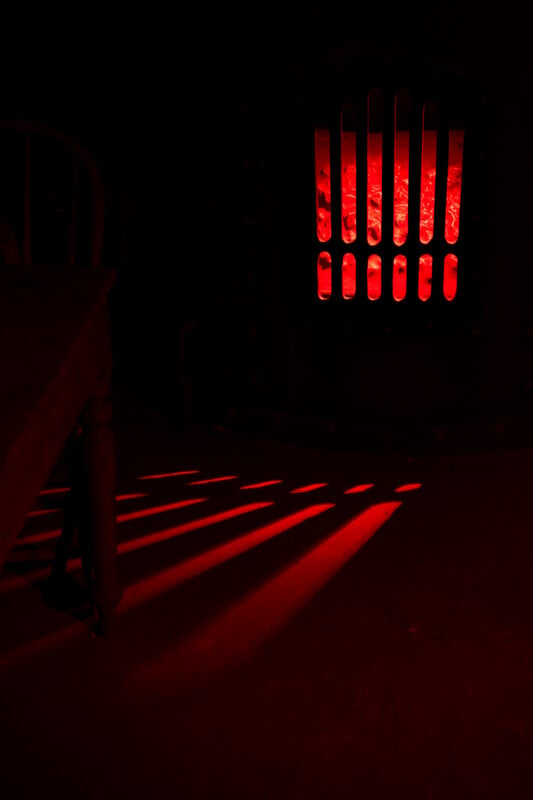
While the bokeh may be described as "average"—with some visible onion-ring patterns in specular highlights—the overall sharpness, compact form factor, and close-focusing utility outweigh these minor optical trade-offs. The lack of an AF/MF switch and the presence of focus breathing are considerations for the professional filmmaker, but for the majority of hybrid shooters, these are not deal-breakers.
For users currently utilizing standard 24-70mm zooms, the 20-60mm f/2.8-4 offers a wider field of view that can change the way they frame scenes, particularly in architectural and interior photography. The lens successfully hits a sweet spot: it is portable enough to be taken anywhere, sharp enough for professional-grade output, and priced in a range that makes it a highly competitive alternative to proprietary lenses. As mirrorless systems continue to evolve toward lighter and more capable configurations, the Sigma 20-60mm f/2.8-4 stands as a testament to the fact that versatility, when engineered correctly, does not have to come at the cost of optical performance. Potential buyers should view this lens not merely as a budget alternative, but as a specialized tool designed for a modern, mobile generation of visual storytellers.