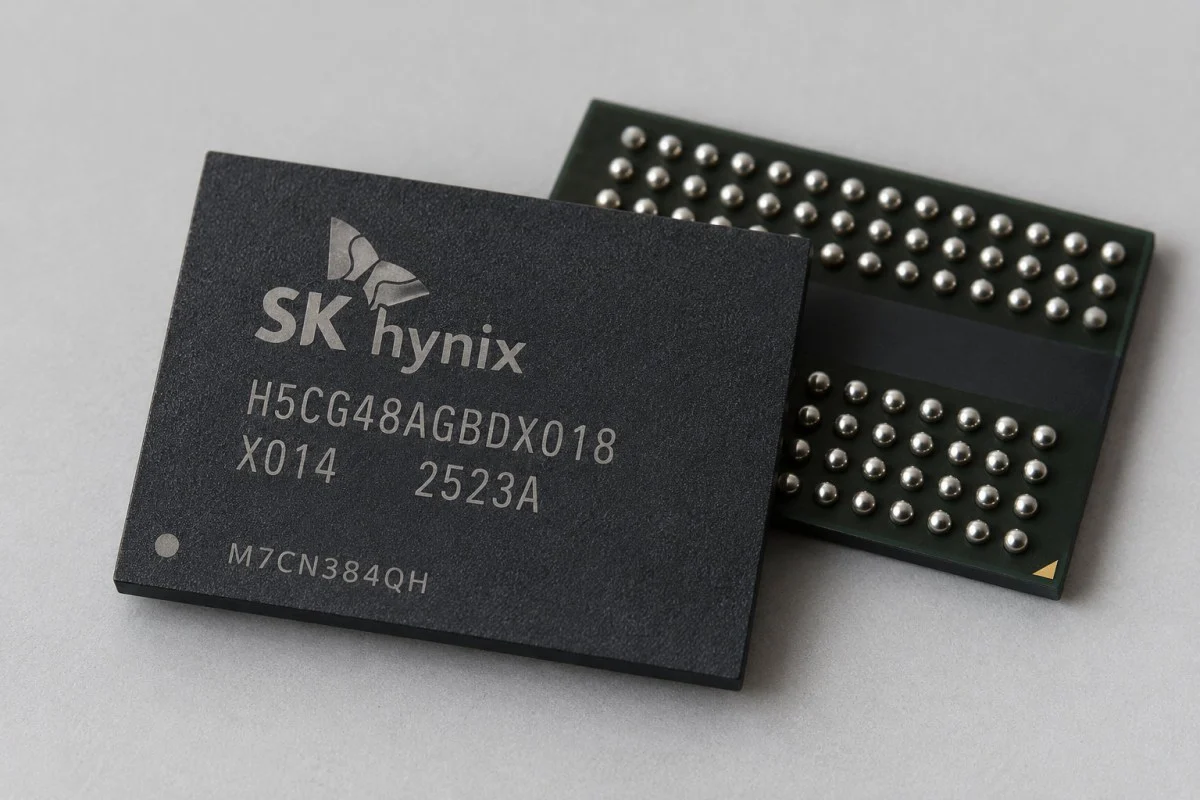
In a significant potential shift for the global semiconductor supply chain, South Korean memory giant SK Hynix has entered preliminary discussions with Intel regarding a landmark deal that could bring high-end memory chip production to United States soil for the first time. The proposal, which remains in the exploratory phase, reflects the escalating pressure on major technology firms to diversify their manufacturing footprints amid a global AI-driven surge in demand and mounting geopolitical tensions.
The negotiations, first reported by Reuters, suggest two primary pathways for the collaboration. SK Hynix may opt to lease a portion of Intel’s expansive semiconductor fabrication facilities currently under construction in Ohio, or alternatively, the two companies could form a strategic joint venture. This potential consortium would likely include participation from major cloud computing providers—hyperscalers who are increasingly desperate to secure long-term, stable supplies of high-bandwidth memory (HBM) and other advanced DRAM products to fuel their burgeoning artificial intelligence data centers.
A Strategic Pivot for Intel’s Ohio Ambitions
Intel’s Ohio facility, a massive project announced in 2022 with a projected investment of up to $100 billion, has faced significant headwinds. Originally intended to serve as a cornerstone of the company’s "IDM 2.0" strategy—a plan to regain dominance by manufacturing chips for both itself and third-party customers—the project has suffered from repeated delays. Production at the Licking County site, initially slated to commence as early as 2025, has been pushed back to at least 2030, leaving Intel in need of partners to bolster the site’s economic viability and utilization.
The market reacted positively to the news of the potential partnership, with shares of both Intel and SK Hynix seeing gains immediately following the report. For Intel, a partnership with a leader in the memory space would provide a crucial revenue stream and operational validation for its foundry ambitions. For SK Hynix, it offers a pragmatic solution to the growing demand for "Made in the USA" components, a requirement increasingly emphasized by US government officials.
Geopolitical Hurdles and the "National Core Technology" Clause
While the financial logic is compelling, the deal faces a significant bureaucratic and legal hurdle in the form of the South Korean government. Under the Industrial Technology Protection Act, South Korea classifies certain semiconductor technologies as "national core technology." These include the highly sensitive processes used to manufacture advanced HBM and DRAM, which are currently critical to the global AI industry.
If the proposed manufacturing agreement involves the transfer or localized production of these cutting-edge technologies, it would trigger a mandatory government review. The South Korean Ministry of Trade, Industry, and Energy has noted that while the decision to expand production rests with SK Hynix, any project involving sensitive intellectual property will be subject to strict scrutiny to ensure the nation’s technological leadership is not compromised.
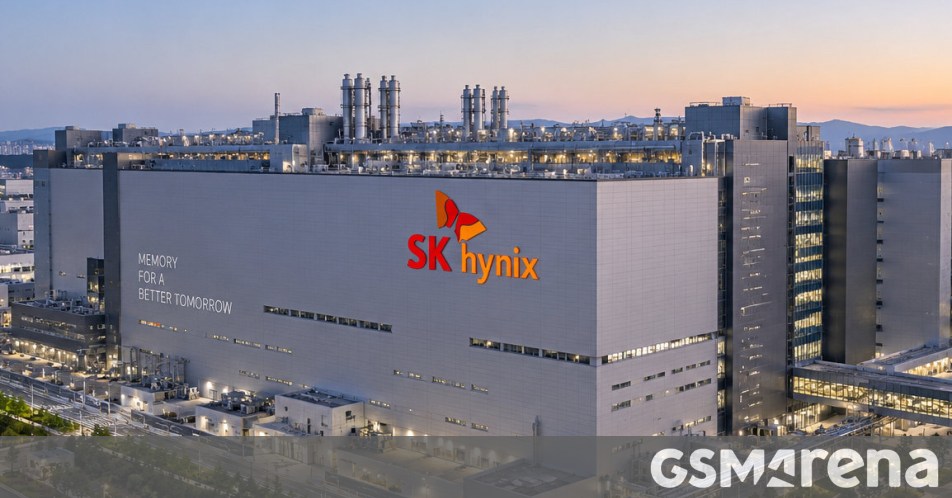
Industry analysts suggest that the Korean government is currently caught in a balancing act: they want to support their national champion’s global expansion, yet they are deeply concerned about the "hollowing out" of the domestic semiconductor industry. The government has already been actively urging SK Hynix to prioritize the development of a new, massive semiconductor cluster in the country’s southwest region, reinforcing its commitment to keeping the most advanced R&D and manufacturing within Korean borders.
The Macroeconomic and Regulatory Landscape
The urgency of these talks is largely driven by external pressures. US Commerce Secretary Howard Lutnick has taken a hardline stance, recently threatening to impose 100% tariffs on semiconductors imported from South Korea and Taiwan unless those companies significantly increase their manufacturing investments within the United States. This protectionist posture is designed to insulate the US from potential supply chain shocks—such as those seen during the 2020-2022 chip shortage—and to ensure that the US remains the primary hub for critical AI infrastructure.
For SK Hynix, the economic reality is stark: manufacturing in the United States is significantly more expensive than in Korea, where established supply chains, lower labor costs, and government subsidies provide a competitive advantage. However, the company is under immense pressure from its primary customers, including the likes of NVIDIA, to ensure that supply chains for HBM are resilient and localized.
Chey Tae-won, Chairman of SK Group, underscored this necessity in a July briefing, noting that the company must consider building a factory in the United States to remain competitive. "If possible, I believe we should build it," he remarked, signaling a shift in the group’s long-standing strategy of centralized production.
Chronology of Recent Developments
- January 2022: Intel announces a $20 billion investment (later expanded toward a $100 billion long-term goal) for a new chip manufacturing site in Licking County, Ohio.
- 2023-2024: Global AI demand skyrockets, leading to an acute shortage of HBM chips, which are essential for GPU processing.
- July 2024: SK Group Chairman Chey Tae-won publicly acknowledges the strategic necessity of building a manufacturing facility in the United States.
- August 2024: SK Hynix officially pledges $38 billion for a new DRAM and NAND flash memory fabrication complex in South Korea to satisfy domestic government requirements.
- September 2024: Reports emerge of exploratory talks between SK Hynix and Intel regarding a potential leasing arrangement or joint venture at the Ohio facility.
Implications for the Semiconductor Industry
The potential partnership represents a rare convergence of interests between two companies that have historically competed or operated in distinct silos. Intel, primarily a logic chip manufacturer (CPUs), and SK Hynix, a dominant force in memory, would create a vertically integrated powerhouse if successful.
However, the "exploratory" nature of these talks suggests that a final agreement is far from guaranteed. Intel has officially declined to comment on the matter, reiterating only that it remains committed to its existing investment timeline in Ohio. Similarly, SK Hynix issued a cautious statement to investors, confirming that it is "reviewing various measures" to enhance competitiveness but emphasizing that "no matters have been determined at this stage."
The outcome of these negotiations will likely serve as a bellwether for the global semiconductor industry. If the deal proceeds, it could set a precedent for other international firms to seek similar joint-venture structures to bypass US tariffs while navigating the complex regulatory requirements of their home nations. Conversely, if the deal collapses under the weight of regulatory concerns or the prohibitive costs of US manufacturing, it may force major cloud firms to rethink their reliance on existing, geographically concentrated supply chains.
As the industry moves toward 2030, the ability to produce advanced memory in multiple, secure jurisdictions will likely become a primary determinant of success for both the chipmakers and the AI giants that rely on them. For now, the global technology sector remains in a state of watchful waiting, as two of the industry’s most prominent players navigate the intersection of corporate strategy, national security, and the harsh economic realities of the modern semiconductor market.