As the autumn season transitions the landscape across North America, outdoor enthusiasts and professional adventurers alike are shifting their focus from summer pursuits to cooler-weather expeditions. September 2026 marked a period of intense field testing for the editorial staff at Backpacker magazine. While some team members wrapped up late-season paddling excursions, others traveled internationally to South America in search of early snowpacks, and a dedicated contingent surveyed the rugged terrain of Wisconsin’s Ice Age Trail. These field tests serve a critical purpose in the publication’s gear evaluation cycle, specifically contributing to the rigorous data collection required for the upcoming 2027 Spring Gear Guide.
During these exploratory missions, editors evaluated a diverse array of equipment, ranging from traditional wilderness hardgoods to innovative consumables and technical apparel. Three distinct products emerged from this month-long evaluation as standout additions to any backcountry kit: a versatile survival knife featuring a unique chisel-point design, an alpaca-wool trail sock optimized for moisture management, and a sublingual caffeine delivery system designed for rapid absorption during strenuous ascents.
Main Facts of the September 2026 Gear Evaluation
The September gear roundup focused on performance-driven equipment designed to withstand the physical demands of long-distance trekking and alpine exploration. The evaluations were conducted in real-world environments, testing each item’s durability, weight-to-performance ratio, and ergonomic utility.
The three items highlighted by the editorial team address specific backcountry needs:
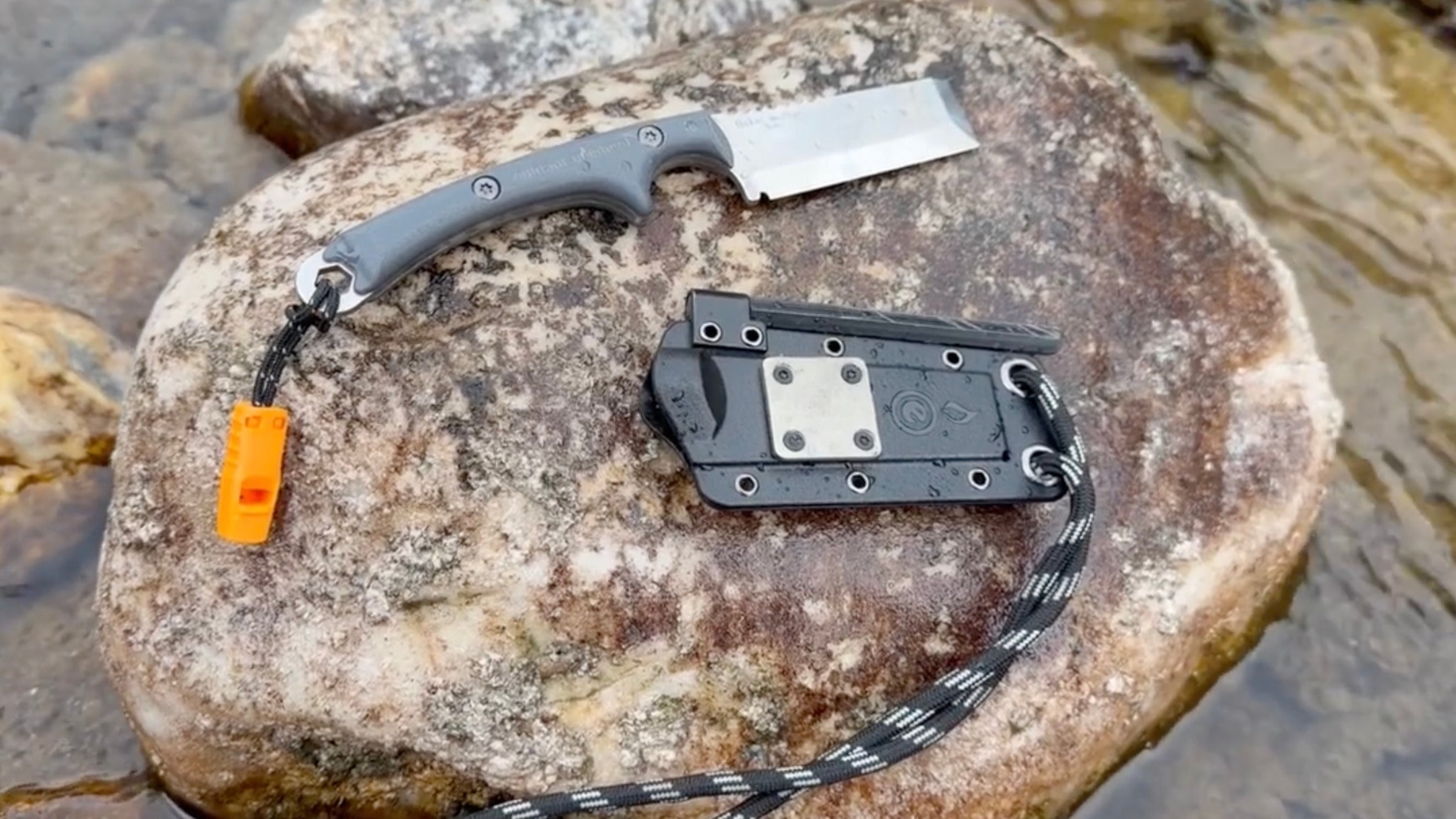
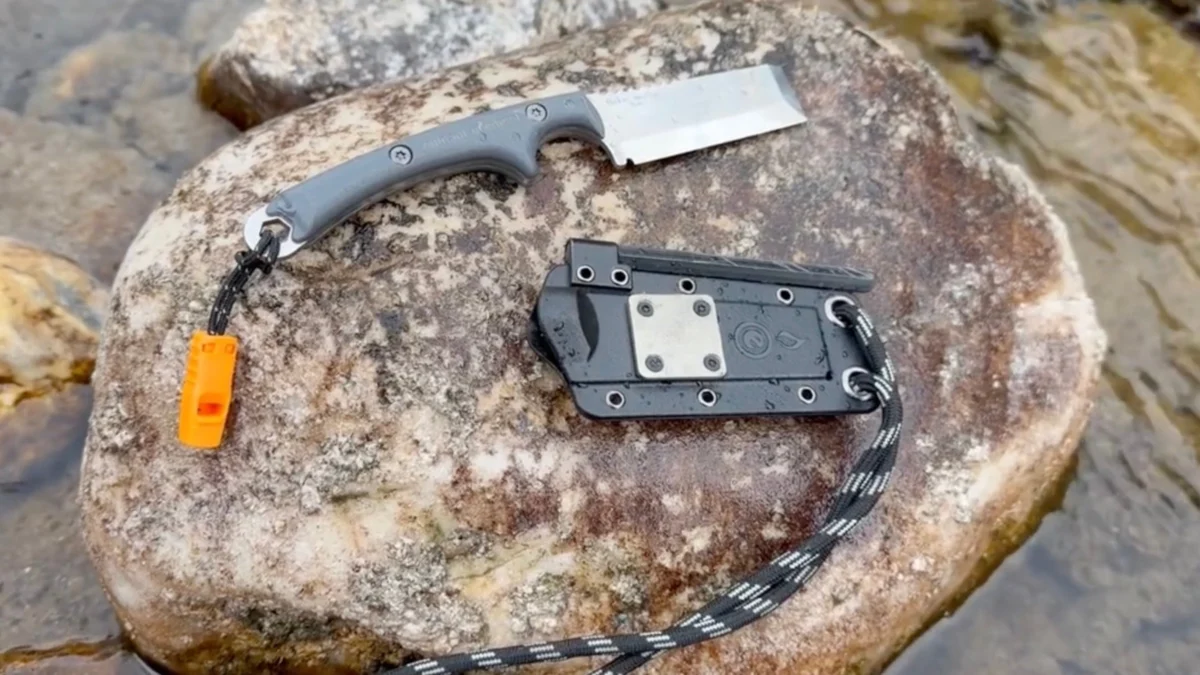
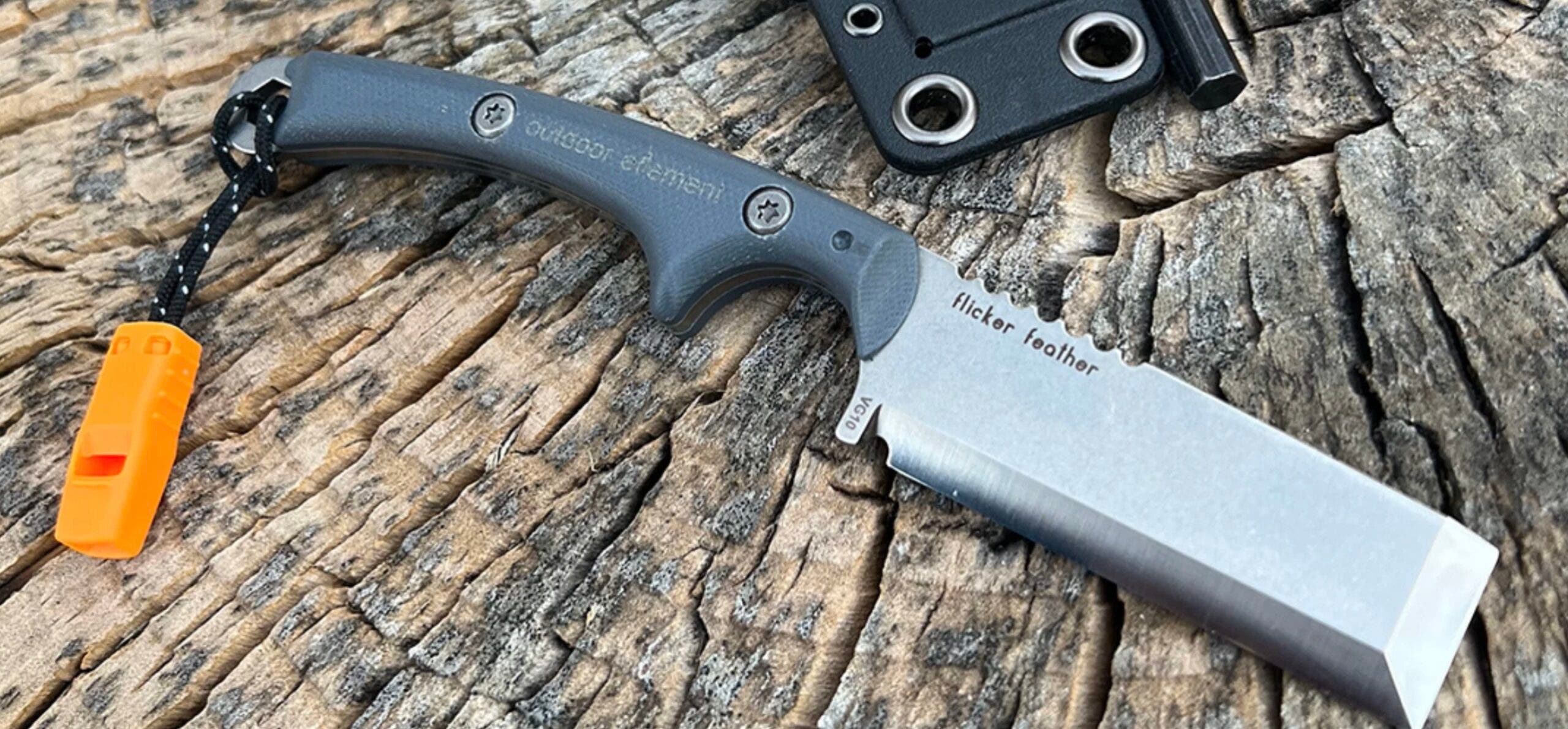
- Outdoor Element Flicker Feather: A $60 fixed-blade utility knife and survival chisel constructed from VG10 steel, distinguished by a unique flat tip, an integrated sharpening plate, a ferrocerium rod, and a secure locking sheath.
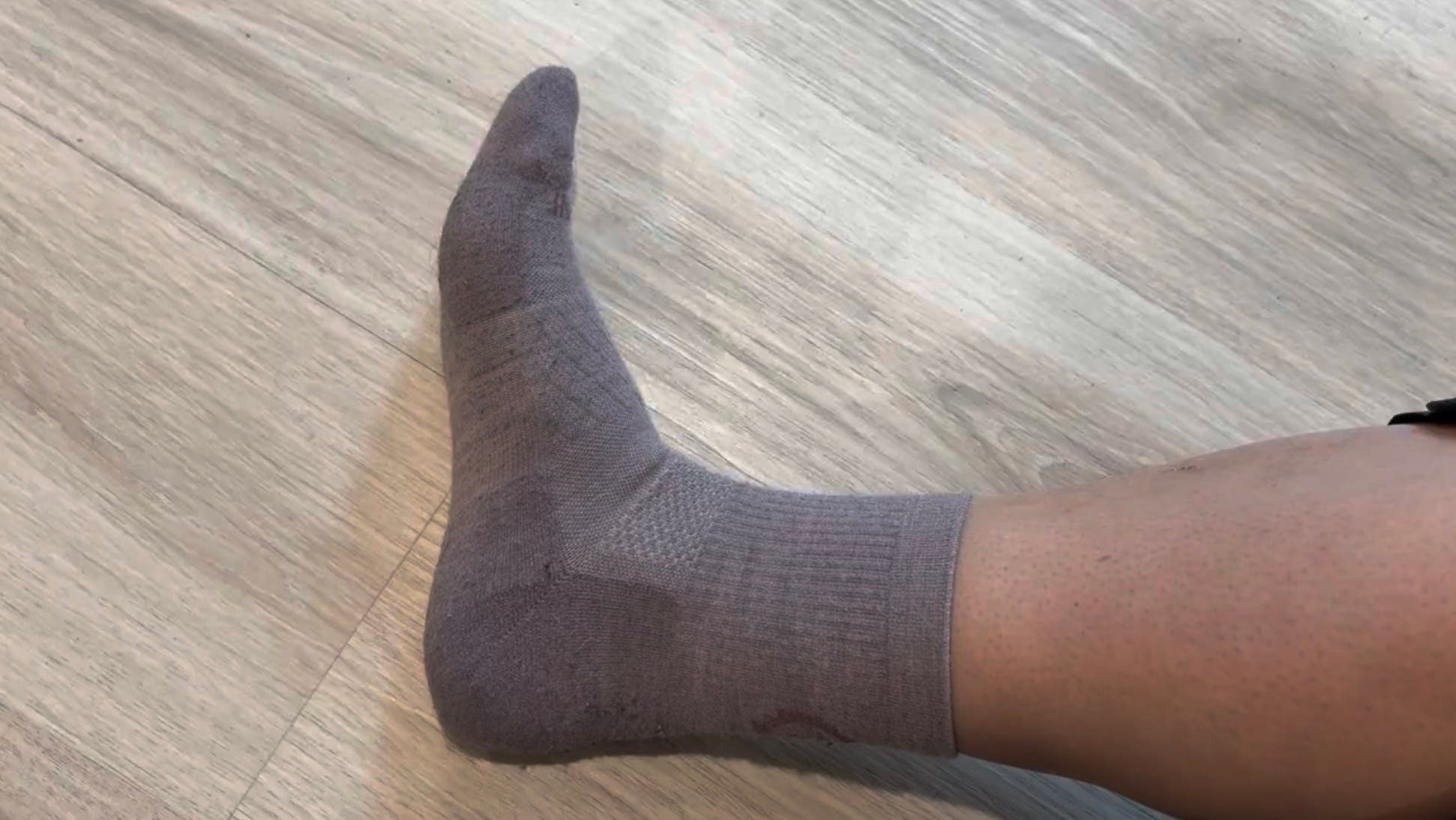
- Paka Trail Crew Socks: A $25 alpaca-wool technical sock designed for thermoregulation, blister prevention, and targeted Achilles cushioning, targeted at hikers utilizing low-profile trail runners and cycling shoes.
- Buzz Bomb Caffeine Powder: A $25 sublingual energy supplement packaged in 20 single-serving packets, delivering 50 milligrams of caffeine per dose via direct oral absorption rather than liquid mixture.
Chronology of the Field Testing Phase
The timeline for the September 2026 gear assessment spanned multiple geographic regions and climate zones to ensure comprehensive stress-testing of all evaluated items.
The evaluation process followed a structured schedule:
- Early September: Editorial staff completed final seasonal water-based excursions, utilizing lightweight apparel and quick-drying accessories in humid, aquatic environments to test moisture management.
- Mid-September: A specialized reconnaissance team deployed to South American mountain ranges to evaluate cold-weather tolerances, navigational tools, and rapid-energy supplements during high-altitude ascents.
- Late September: The final testing phase took place along Wisconsin’s Ice Age Trail. This extensive footpath, spanning roughly 1,200 miles across glacial landscapes, provided a rigorous testing ground for footwear, socks, and cutting tools intended for the 2027 Spring Gear Guide documentation.
Supporting Data and Technical Specifications
Understanding the engineering behind modern outdoor gear requires examining the material science and manufacturing specifications that dictate field performance.
The Outdoor Element Flicker Feather utilizes VG10 steel, a high-carbon stainless steel prized in the cutlery industry for its edge retention and corrosion resistance. The blade architecture incorporates a "survival chisel" profile, featuring a flat-tip geometry that creates a perpendicular secondary cutting edge. However, manufacturing constraints require a single-sided bevel, meaning consumers must select left- or right-handed specific configurations. The sheath system enhances the product’s utility by housing a built-in ceramic sharpening plate, a ferro rod for fire-starting, and an integrated emergency whistle affixed to the pommel, all for a retail price point of $60.
In the apparel category, the Paka Trail Crew Socks challenge the traditional dominance of merino wool by utilizing baby alpaca fiber. According to textile performance data cited by the manufacturer, alpaca fibers are structurally distinct from sheep’s wool, possessing microscopic air pockets that enhance thermoregulation while maintaining a density reported to be up to three times lighter than traditional wool. Furthermore, alpaca fibers absorb minimal moisture, allowing the socks to dry significantly faster after river crossings or heavy perspiration. The design incorporates localized compression for arch support and extended heel padding to mitigate friction against the low-cut collars of modern trail running shoes.
The Buzz Bomb Caffeine Powder represents an alternative approach to backcountry stimulant consumption. Traditional energy drinks often contain up to 300 milligrams of caffeine alongside high concentrations of sugar and liquid volume that must be carried in packs. In contrast, the sublingual powder utilizes 1-gram packets delivering 50 milligrams of caffeine—roughly equivalent to a standard cup of black tea or a mild cup of coffee. By administering the powder directly beneath the tongue, the mucous membranes facilitate rapid entry into the bloodstream without requiring digestion or fluid intake.
Official Responses and Editorial Observations
While brand-supplied data highlights the theoretical advantages of these products, editorial reviews provide objective assessments of real-world functionality.
Will Brendza, Associate Editor at Backpacker, emphasized the value proposition of the Flicker Feather within the context of the broader survival knife market. "For just $60, it’s a very affordable knife compared to most hiking-oriented fixed-blade alternatives," Brendza noted, while praising the retention security of the hard plastic sheath and the multi-use survival features integrated into the housing.
Zoe Gates, Senior Editor, addressed the performance of the Paka Trail Crew Socks during high-mileage evaluations. "These have become my go-to socks for every activity on and off the trail," Gates stated, highlighting the absence of slippage and the targeted cushioning along the Achilles tendon as critical factors in preventing trail-related foot fatigue and blistering over extended distances.
Adam Roy, Editor-in-Chief, offered a pragmatic perspective on the psychological and physiological aspects of field-testing the Buzz Bomb caffeine supplement. Having spent two decades managing early-morning alpine starts, Roy noted that the sublingual delivery mechanism provided a measured, reliable energy boost without the jittery side effects associated with high-dose commercial energy drinks. He observed that each 1-gram serving provided a clean stimulus, though he acknowledged the psychological irony of relying on specialized chemical delivery systems while immersed in pristine wilderness environments.
Broader Impact and Industry Implications
The introduction and validation of these products point to broader trends within the outdoor recreation and manufacturing sector. As consumer demographics shift toward fast-and-light backpacking methodologies, traditional heavy-duty equipment is increasingly scrutinized for excess weight and redundant functionality. Multi-use tools, such as knives that double as fire-starters and sharpeners, align directly with the industry-wide push toward minimalist survival preparedness.
Similarly, the diversification of natural fibers in technical apparel—moving beyond traditional merino wool to explore alternative animal fibers like alpaca—reflects a growing demand for sustainable, high-performance textiles that offer superior moisture management and odor resistance. As supply chains adapt to these material demands, technical socks and base layers are likely to see continued innovation centered on weight reduction and localized durability enhancements.
Finally, the evolution of backcountry nutrition and supplementation highlights a continuous search for efficiency in athletic output. Products that reduce pack weight by eliminating unnecessary liquid volume while offering controlled, rapid-absorption stimulants cater to endurance athletes and long-distance backpackers who prioritize metabolic efficiency on extended traverses.