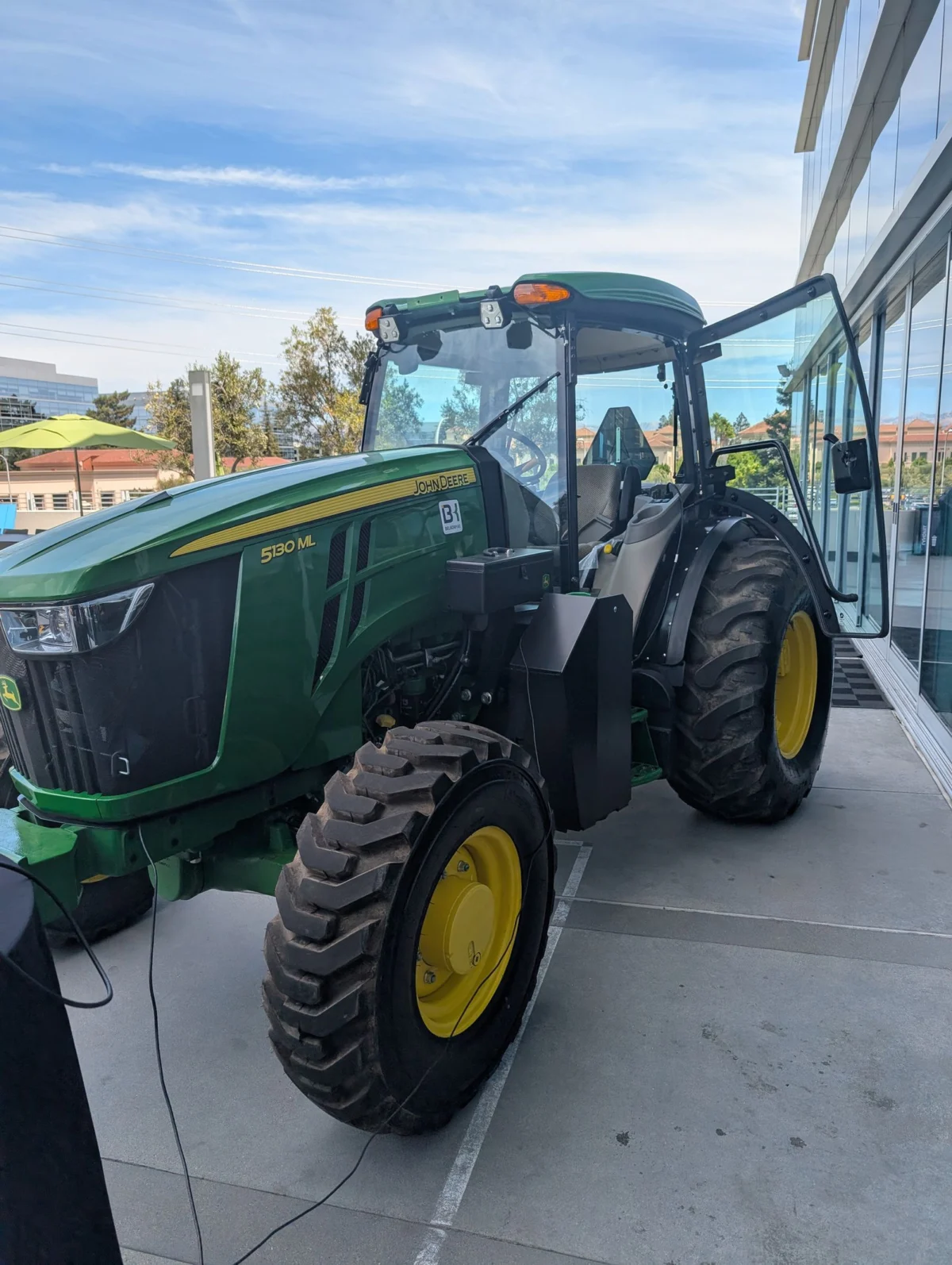
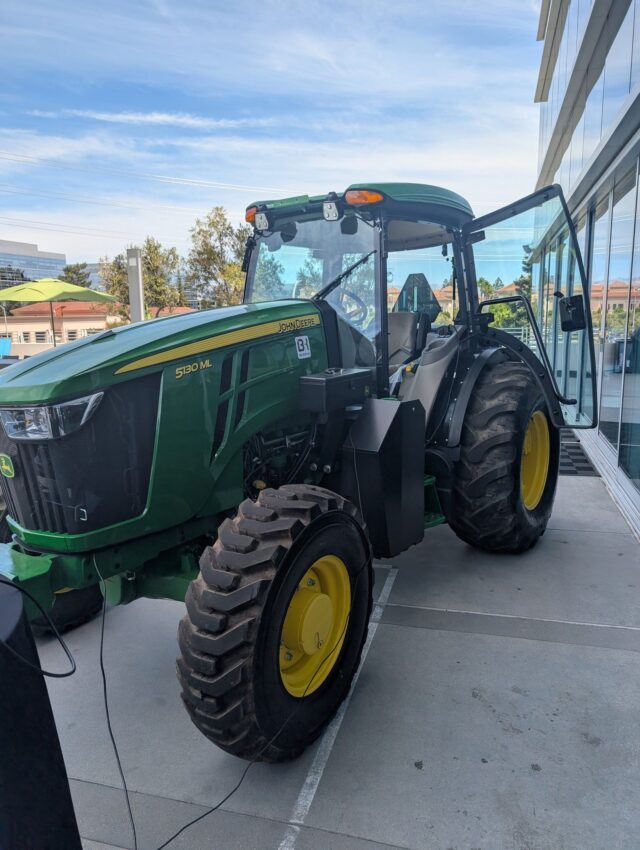
There is something inherently striking about the juxtaposition of a multi-ton, high-tech piece of agricultural machinery sitting on a manicured lawn in Santa Clara, California, and a journalist standing nearby with a laptop, troubleshooting a mechanical failure. The machine, a John Deere 5130ML tractor, represents the pinnacle of modern farming—a complex, sensor-laden ecosystem of software, hydraulics, and steel. For years, this very complexity has been the epicenter of a fierce debate regarding the right to repair, pitting the world’s largest agricultural manufacturer against a coalition of farmers, independent mechanics, and digital rights activists.
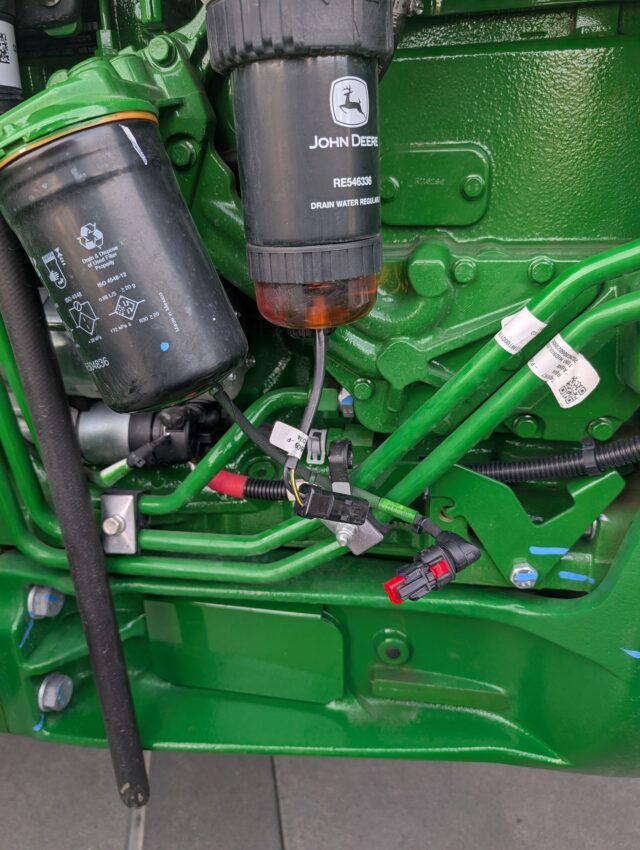
The demonstration at the John Deere corporate office was intended to showcase the company’s "Operations Center Pro Service," a digital platform designed to empower owners to perform their own maintenance. During the visit, a minor error—a disconnected water-in-fuel sensor—was resolved in minutes by following guided instructions provided by the software. While the ease of this specific repair was notable, it highlighted a broader tension: whether corporate-sanctioned digital tools are a true solution to the repairability crisis or merely a controlled environment for a much deeper systemic issue.
A Chronology of Conflict: The Right to Repair Movement
The relationship between John Deere and its customer base has undergone significant strain over the last decade. As agricultural equipment evolved from purely mechanical tools to autonomous, connected computing platforms, the ability for farmers to service their own machines diminished. By 2015, the "Right to Repair" movement began gaining national momentum, with critics arguing that Deere’s digital locks and proprietary software restricted competition and forced farmers into expensive, dealer-exclusive repair cycles.
This tension culminated in several high-profile legal battles. In 2023, the company faced a $99 million class-action settlement, compensating farmers for alleged monopolistic practices related to repair services. Shortly thereafter, the Federal Trade Commission (FTC) initiated action to ensure that manufacturers could not legally prevent owners from performing their own repairs. Throughout these proceedings, John Deere maintained that its restrictions were necessary for safety, emissions compliance, and cybersecurity. However, the legal pressure necessitated a shift in corporate strategy, leading to the development of the Pro Service platform, which officially launched in 2025.
Understanding the Pro Service Infrastructure
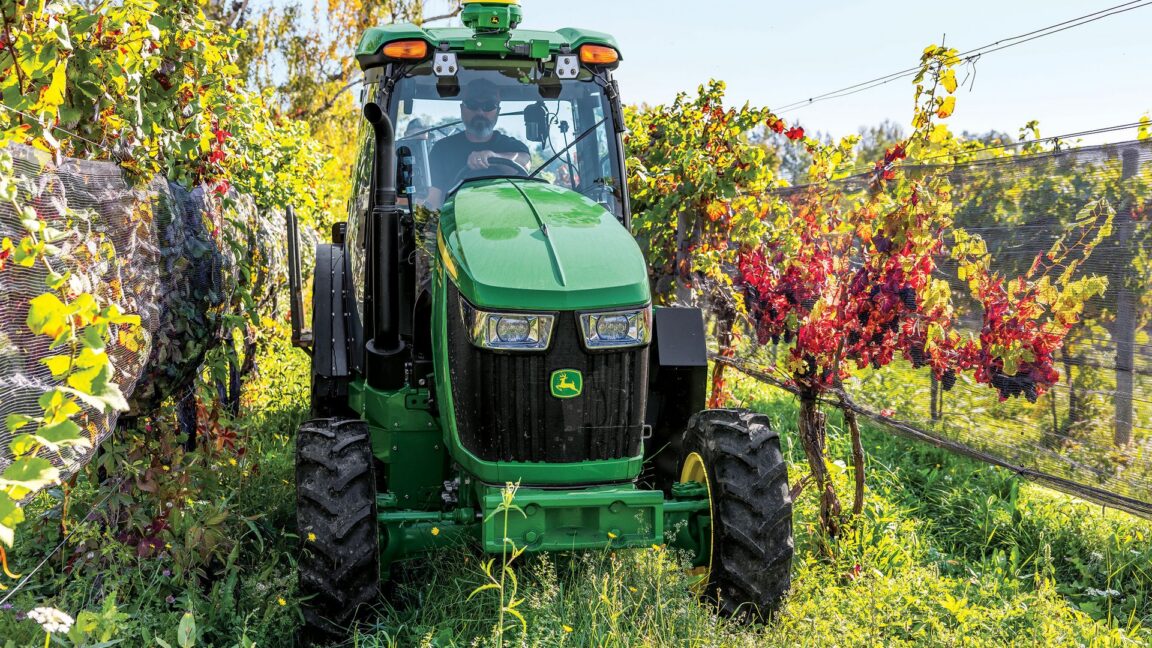
The Operations Center Pro Service acts as a digital bridge between the owner and the tractor’s complex internal systems. Priced at an entry point of $195 per machine annually, the service offers diagnostic insights based on the unique serial number of each unit. For larger commercial operations, the cost scales up to $5,995 annually for full fleet access.
Technically, the system is sophisticated. It leverages 4G connectivity and internal diagnostic controllers—some modern machines now contain upwards of 50 distinct controllers—to feed data back to the user’s dashboard. John Deere has also begun integrating AI-driven assistants to help troubleshoot error codes that would have previously required a technician’s expertise.
However, the adoption rate remains a point of contention. One year post-launch, John Deere reports approximately 1,000 daily active users. Given that the United States is home to roughly 1.8 million farms, this number suggests that a significant portion of the agricultural sector has yet to adopt or trust the manufacturer’s self-repair portal.
The Farmer’s Perspective: Trust and Technical Parity
For farmers like Jared Wilson, who manages 3,000 acres in Missouri and served as a named plaintiff in the class-action litigation, the Pro Service is a reactive measure rather than a proactive solution. Wilson’s skepticism centers on the perceived lack of parity between the tools provided to the average owner and those available to authorized dealership technicians.
"If you have three or four different diagnostic codes, where do you start in the tree to figure out what’s wrong?" Wilson asks. His concern is that the current software suite simplifies common issues but fails to grant access to the "deep-level" diagnostics required for complex, multi-system failures.
Furthermore, many farmers argue that the reliance on "Product Improvement Plans" (PIPs)—John Deere’s internal notices about potential machine issues—creates an information asymmetry. Because the software only alerts users to known issues after they have been identified and vetted by the manufacturer, farmers are often left waiting for a "fix" rather than being empowered to perform custom, on-the-spot repairs. This has led many in the farming community to rely on "cracked" or "gray market" software versions that provide full, unfiltered access to the machine’s internal control modules.
Corporate Strategy and the Industrial Internet of Things
Jahmy Hindman, John Deere’s senior vice president and chief technology officer, maintains that the company’s intent has always been to support the operator. In his view, the complexity of modern, autonomous-capable tractors necessitates a guided, safe, and integrated approach to maintenance.
"As the tractor products grow in size, they also grow in the number of controllers necessary to make it all work," Hindman notes. He argues that the Pro Service is a logical evolution of the Industrial Internet of Things (IIoT). By centralizing maintenance data, Deere claims it can reduce downtime and improve the longevity of the equipment.
However, the company faces a dual challenge: it must satisfy the requirements of federal regulators while maintaining the integrity of its proprietary software ecosystem. For John Deere, the "data as a service" model is not just a revenue stream; it is a way to manage the liability and performance of high-value assets. Yet, for the consumer, this model often feels like a digital leash.
Broader Implications for the Right to Repair
The conflict surrounding John Deere is emblematic of a broader societal shift regarding ownership in the digital age. As cars, appliances, and medical devices become increasingly "smart," the boundary between owning a product and subscribing to a service becomes blurred.
If legal precedents fail to guarantee a robust right to repair for agricultural equipment, the implications could extend to other sectors. Advocates like Willie Cade, a board member of Repair.org, argue that the issue is not merely about tractors, but about the democratization of technology. "Their real customer is not the farmer; their real customer is Wall Street," Cade asserts, suggesting that the primary goal of the current software-gated system is to maximize shareholder value through recurring service revenue rather than user empowerment.
The current state of the industry is a standoff. While John Deere continues to roll out tools to satisfy regulators and improve the user experience, a vocal segment of the agricultural community remains unconvinced. The success of the Pro Service will likely depend on whether the company can bridge the "trust gap"—by offering greater transparency into the software’s capabilities and, perhaps more importantly, by providing tools that are truly equal to those used by the professionals at the dealership.
As the industry moves toward fully autonomous, AI-driven farming, the debate over who controls the machine’s "brain" will only intensify. Whether through federal legislation, ongoing judicial oversight, or a shift in corporate culture, the resolution of this conflict will likely define the parameters of consumer ownership in the 21st century. For now, the tractor on the lawn in Santa Clara remains a symbol of both the incredible technological potential of modern farming and the profound frustration that comes when the user is not truly in control of their own equipment.