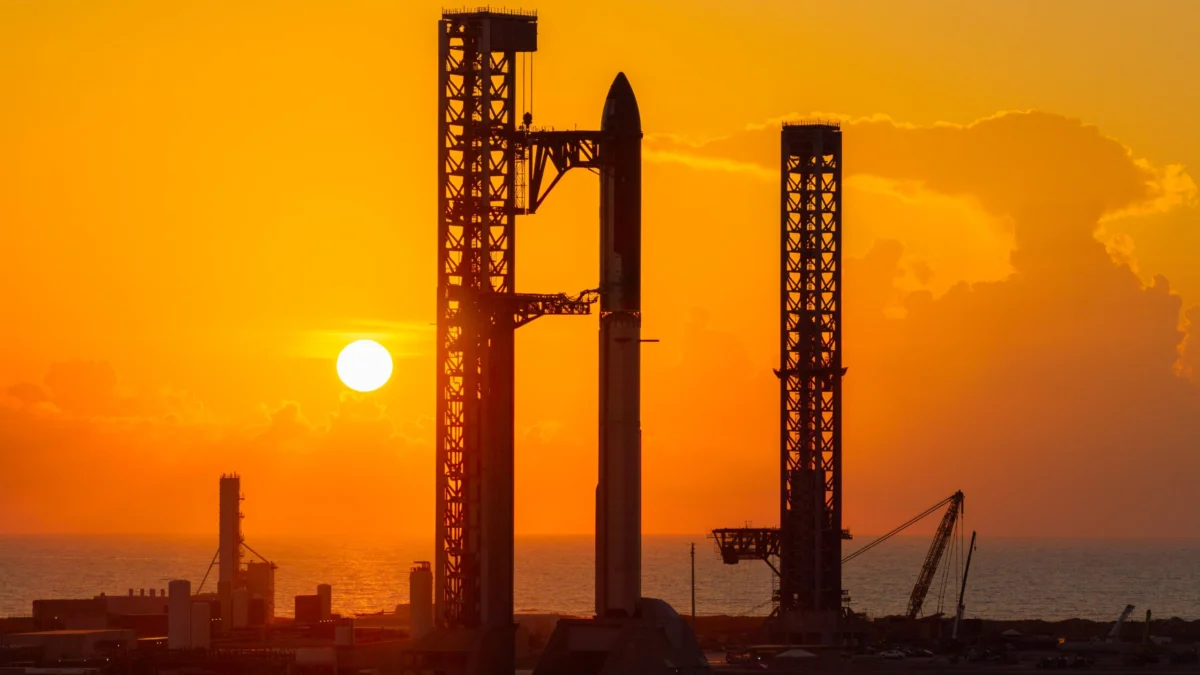
SpaceX has successfully completed its critical wet dress rehearsal for Starship Flight 14, removing the final major operational hurdle on the launchpad ahead of an anticipated orbital test flight. The milestone follows a rigorous multi-hour propellant loading procedure at Starbase in Boca Chica, Texas, setting the stage for a launch window opening Monday, September 28, 2026, at 7:15 a.m. Central Time.
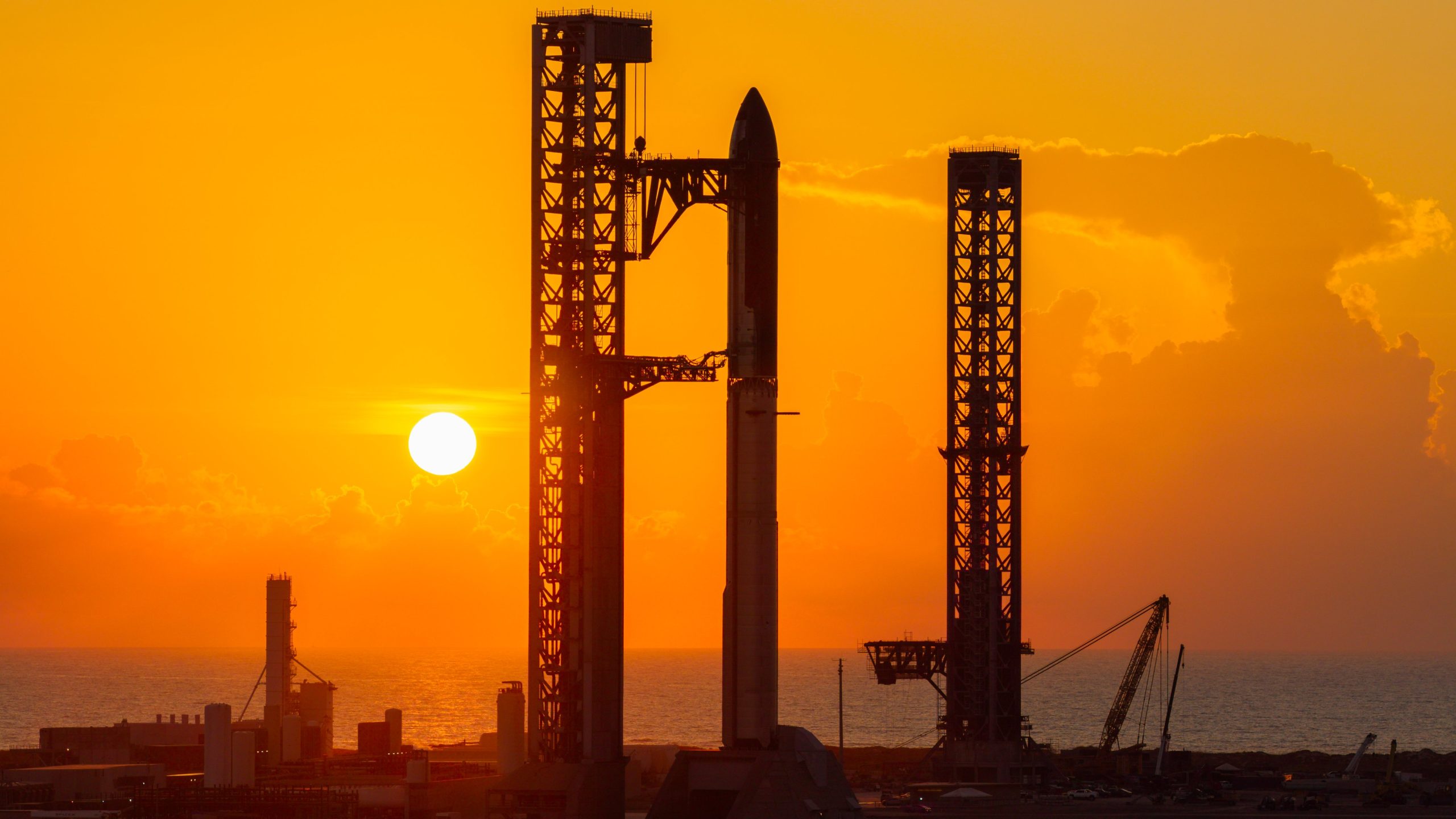
The successful rehearsal involves fueling Booster 21 and Ship 41 with thousands of tons of cryogenic liquid oxygen and sub-cooled liquid methane, simulating the full countdown sequence down to the final seconds before engine ignition. By performing this dress rehearsal, aerospace engineers can thoroughly verify the structural integrity of the 407-foot-tall integrated mega-rocket, check for unexpected propellant leaks, and evaluate ground support equipment under realistic operational pressures before the vehicle is cleared for actual flight.
Stepping Into Orbit: A Historic First for Starship
Flight 14 marks a monumental technological shift for the Starship program. While all 13 previous test flights followed suborbital trajectories—similar to a high-arc ballistic arc that safely re-enters Earth’s atmosphere within approximately an hour—this mission is designed to achieve a true orbital trajectory.
Approximately 25 minutes after liftoff from Starbase, Ship 41 will execute a precise orbital insertion burn using its Raptor engines. This maneuver provides the necessary velocity to keep the spacecraft falling continuously around Earth rather than falling back into it immediately. If mission parameters are met, SpaceX plans to execute roughly six complete orbits at an altitude of approximately 275 kilometers (171 miles) over a nearly 10-hour mission profile.
Achieving orbit requires demonstrating critical in-space systems, most notably the ability to relight a single Raptor engine in the vacuum of space to initiate the de-orbit and reentry burn. Flight controllers will monitor telemetry closely, with automated health checks built into the mission profile that could shorten the flight plan to two or five orbits if any anomalies arise with the backup systems required for the return journey.

Payload Delivery and Starlink V3 Integration
In addition to validating orbital mechanics, Flight 14 represents the first time Starship will deploy operational payloads into service during an orbital mission. While Flight 13 carried 20 experimental Starlink V3 satellites in July, those units were ultimately brought back down during the suborbital flight profile.
Flight 14 will carry 26 advanced Starlink V3 satellites designed to remain in orbit and integrate into SpaceX’s global constellation within weeks of launch. This payload adds approximately 26 terabits per second of network capacity, representing an estimated tenfold increase over a standard Falcon 9 launch carrying older V2 Mini satellites. Notably, three of the deployed satellites feature integrated external cameras aimed at photographing Starship’s heat shield during the orbital phase to assess tile durability and thermal protection performance prior to atmospheric reentry.

Hardware Upgrades and Thermal Protection System Refinements
Engineering teams have incorporated substantial hardware and software modifications across both stages of the Starship stack following data gathered from previous flights. Ship 41 features upgraded mechanical fasteners securing the thermal protection system tiles in vulnerable aerodynamic regions. Furthermore, engineers have introduced solutions to mitigate the gaps where superheated plasma previously breached the tile barrier, alongside new curved tiles designed to reduce localized thermal stress between gaps.
Demonstrating circularity and reusability, Flight 14 will feature the first-ever reuse of heat shield components, flying two recovered tiles originally salvaged from Ship 40.
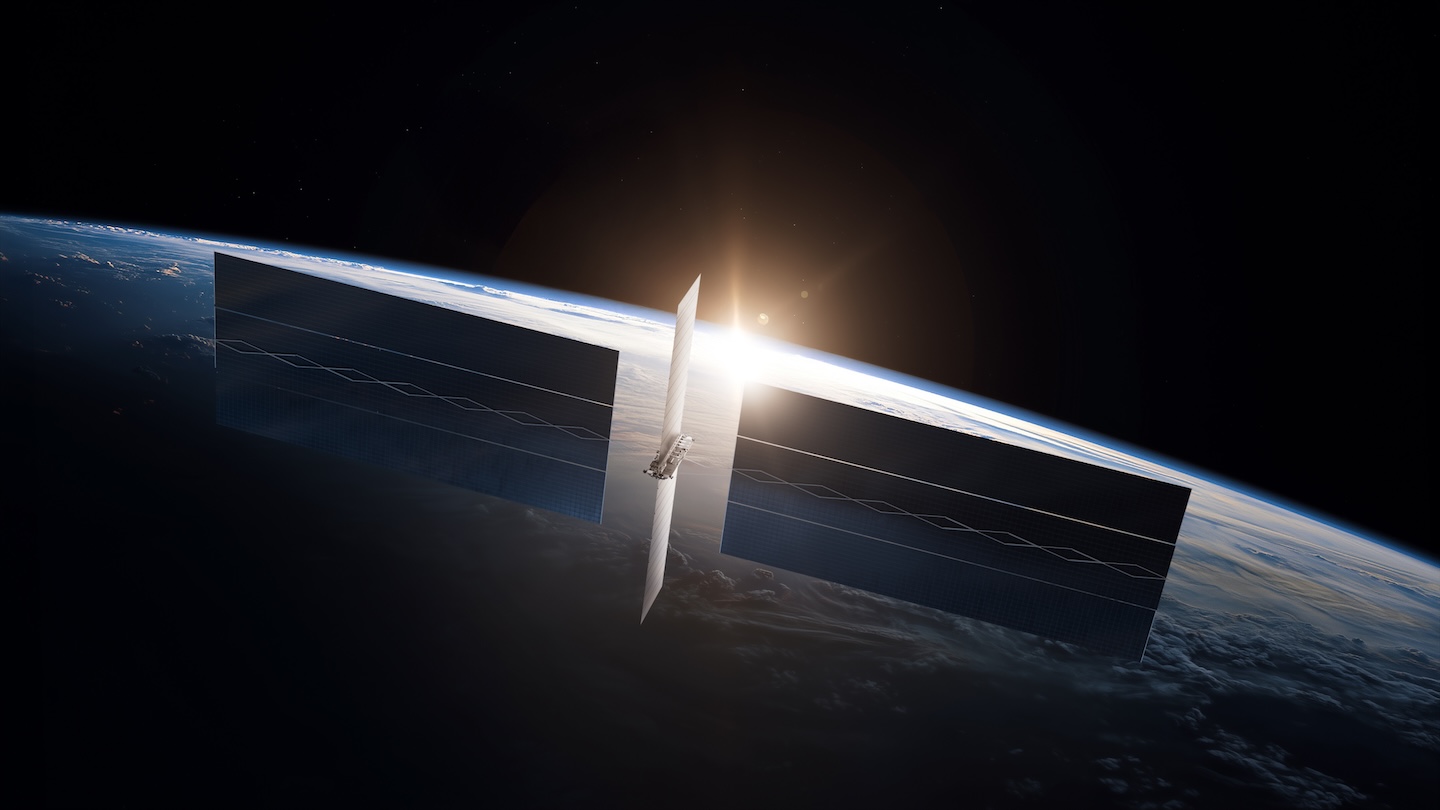
Booster 21 includes upgraded engine filtration systems and refined relight software designed to prevent the icing issues that plagued its predecessor. During the previous flight, ice accumulation clogged three center engines, leaving only eight of the 13 required engines operational for the final landing burn. For Flight 14, Booster 21 is slated to target a controlled splashdown in the Gulf of Mexico, while Ship 41 aims for a Pacific Ocean splashdown west of Chile. Catch operations via the launch tower arms remain deferred, with company leadership indicating that mechanical tower catches will resume later in the year.
Regulatory Oversight and Future Implications
Despite the completion of the wet dress rehearsal, the execution of Flight 14 remains contingent upon final regulatory authorization. SpaceX must secure a formal launch license modification from the Federal Aviation Administration (FAA) before initiating the launch sequence.

The successful transition of Starship to orbital capabilities carries profound implications for the commercial space sector. By proving out orbital insertion, long-duration in-space operations, thermal protection durability, and high-capacity payload deployment in a single flight, SpaceX inches closer to establishing a fully reusable, heavy-lift transportation system capable of supporting commercial, scientific, and deep-space exploration initiatives. As countdown clocks tick toward Monday morning, the aerospace industry watches closely to see if the world’s most powerful launch vehicle can successfully bridge the gap between suborbital testing and sustained orbital operations.