The outdoor industry, long dominated by traditional titans, has witnessed a seismic shift in recent years, with ultralight gear transitioning from a niche pursuit to a mainstream obsession. As of July 2026, major players like Big Agnes, Black Diamond, Arc’teryx, and Mountain Hardwear have aggressively entered the ultralight market, introducing products that mirror the innovations previously championed by small, homegrown brands. This influx raises critical questions about the future of these "cottage" companies, which have historically defined the ultralight landscape through their agility, customer focus, and willingness to experiment.
For decades, the ultralight backpacking community has thrived on the ingenuity of small, independent brands. These companies, often born from the passion of a few individuals, have consistently pushed the boundaries of material science and design. Their success has been attributed to their direct engagement with customers, offering bespoke features, custom sizing, and unparalleled customer service. This intimate relationship fostered a loyal following and a culture of innovation, where daring designs, even those bordering on the unconventional, were embraced.
However, this vibrant ecosystem has long harbored a quiet concern: the potential for larger, well-resourced outdoor corporations to absorb these trends. The fear has been that established brands, with their vast manufacturing capabilities and marketing budgets, could replicate the successes of the smaller players, driving down prices through economies of scale and ultimately marginalizing the original innovators.
The Mainstream Infiltration: A 2026 Snapshot
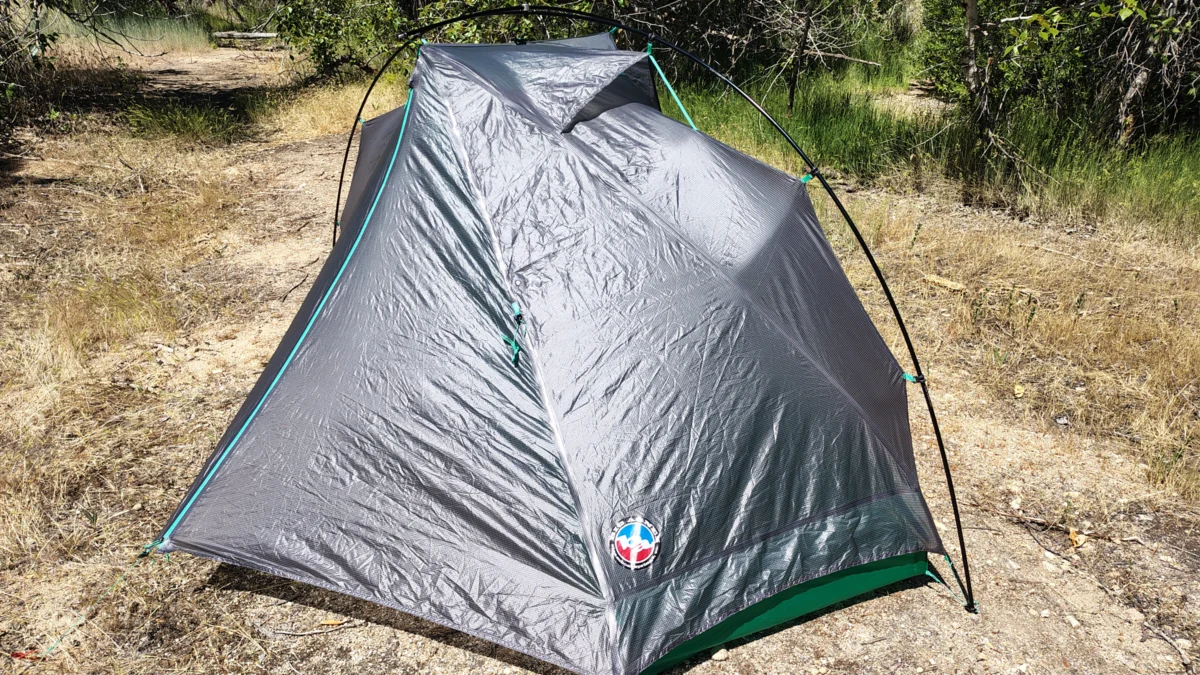
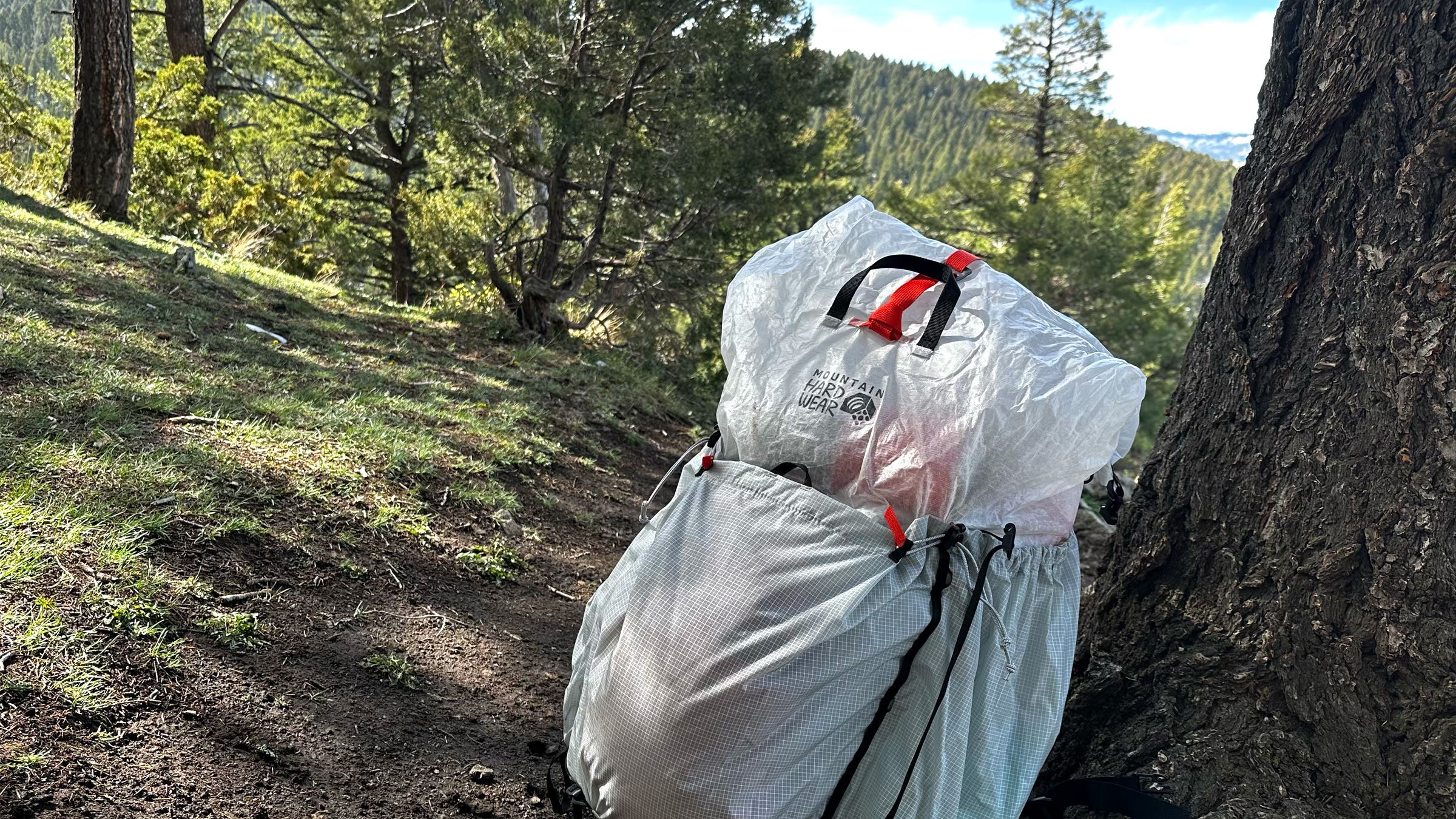
By mid-2026, this concern has materialized into a tangible reality. The mainstream outdoor industry has indeed “gone all-in on ultralight.” Big Agnes, a brand known for its more traditional camping gear, has launched a comprehensive line of single-wall shelters, including trekking-pole tents, signaling a significant departure from its established product lines. Similarly, industry giants like Black Diamond, Arc’teryx, and Mountain Hardwear are now prominently featuring packs constructed with advanced composite fabrics such as Ultra and Graflyte. These are the same high-tech materials that have become the hallmark of the cottage industry, prized for their exceptional strength-to-weight ratios.
The proliferation of sleeping quilts, another key ultralight innovation, is also evident across major brands. Furthermore, materials like Polartec Alpha Direct, once a staple of custom-made ultralight apparel, are now widely incorporated into mainstream offerings. Early indicators from brand previews for the upcoming year suggest this trend is not only continuing but intensifying, with the broader industry doubling down on ultralight designs and materials.
Are the Cottage Brands in Jeopardy? The Pricing Paradox
Despite the aggressive push by mainstream brands, the initial assessment suggests that the cottage industry is far from being overshadowed. Counterintuitively, much of the new ultralight gear from established companies is priced prohibitively for the very demographic that pioneered the movement: the scrappy, budget-conscious ultralighter.
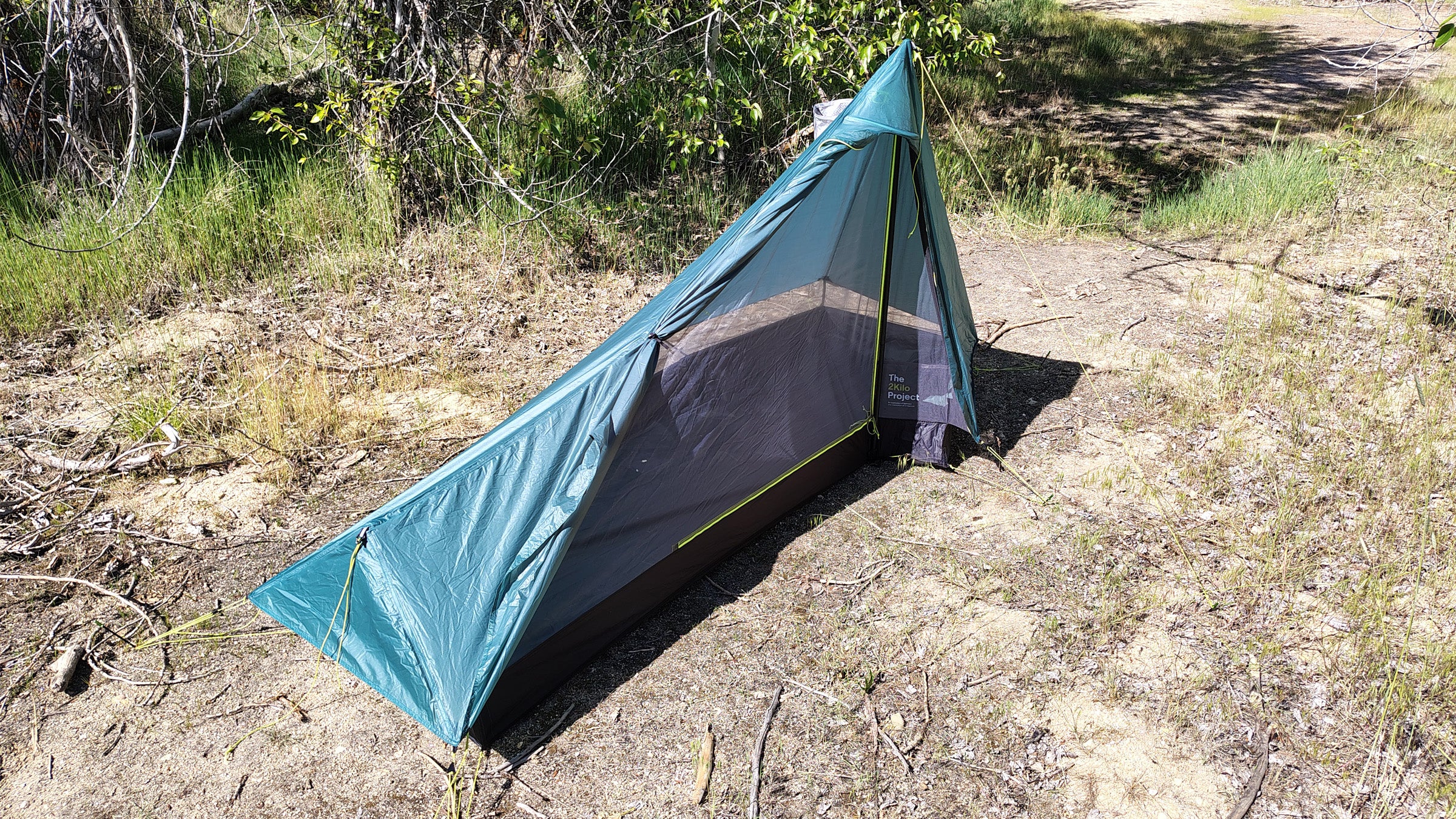
For instance, Mountain Hardwear’s Alakazam 45 pack, constructed with Graflyte fabric, commands a staggering $575. Big Agnes’s new single-wall tents range from $550 to $850, and these are not constructed with the ultra-premium Dyneema composite fabric. NEMO Equipment’s 1000-fill power Pulse quilt is priced at $550. Even seemingly simpler items, like Polartec Alpha Direct hoodies, which are highly sought after by ultralighters, are not being offered at significant discounts by mainstream brands entering the trend. This pricing strategy presents a significant barrier for consumers accustomed to the more accessible price points offered by smaller, direct-to-consumer brands.
Deconstructing the Cost: Why Ultralight Isn’t Always Expensive
A common misconception is that ultralight gear is inherently expensive due to premium pricing by niche brands. However, a closer examination reveals that the high price tags often associated with ultralight equipment are primarily driven by the inherent cost of advanced materials, rather than inflated profit margins.
Material Costs: The True Drivers of Price
Specialized materials are the primary contributors to the elevated cost of certain ultralight products. Goose down, particularly high-fill power down, is a costly raw material. Dyneema Composite Fabric (DCF), a revolutionary material known for its incredible strength, lightness, and waterproofness, can cost upwards of $30 to $40 per yard. Newer, proprietary composite fabrics like Ultra and Graflyte, developed to rival or surpass DCF in performance, also come with a significant material cost.
While larger brands can leverage economies of scale to reduce per-unit manufacturing costs, the baseline price of these specialized fabrics remains high. These advanced materials are not mass-produced in the same way as conventional nylon or polyester. Their production often involves complex processes and specialized machinery, limiting the potential for drastic cost reductions, even for high-volume orders.
The Affordable Ultralight Landscape
When these premium materials are omitted, ultralight gear can be remarkably affordable. Many cottage brands and some mainstream manufacturers offer excellent ultralight options constructed from durable yet cost-effective materials such as Robic nylon for packs and silpoly for shelters. Brands like Granite Gear, with their robust yet lightweight packs, and Six Moon Designs, known for their innovative and accessible ultralight shelters, exemplify the availability of high-quality, budget-friendly ultralight gear. These brands demonstrate that the pursuit of lightness does not always necessitate a premium price tag.
The Evolving "Cottage" Model: Beyond the Garage
The notion of the "cottage industry" in ultralight gear is also undergoing a significant transformation. Many of the most popular ultralight brands have evolved beyond their humble beginnings, adopting business models that allow them to remain competitive without relying solely on artisanal production.
Hybrid Manufacturing and Global Supply Chains
Brands like Hyperlite Mountain Gear, a prominent name in the ultralight space, now operate with a scale comparable to mid-sized outdoor companies, employing approximately 50 individuals and utilizing overseas manufacturing. This is not unique; many traditional hiking brands are themselves relatively small businesses. The growing popularity of ultralight gear has enabled brands like Hyperlite to transcend the "cottage" label and operate with a more globalized manufacturing footprint.
Furthermore, emerging ultralight brands are increasingly bypassing the "garage-grown" phase altogether. Dan Durston of Durston Gear, for example, has scaled his operations by contracting with the same factories that produce gear for major brands like Black Diamond and Big Agnes. This strategic outsourcing allows him to achieve competitive pricing and efficient production from the outset, making it a selling point for his brand. This approach signifies a maturation of the ultralight industry, where innovation is coupled with pragmatic manufacturing strategies.
In-House Production and Lean Operations
Conversely, some established ultralight stalwarts, such as Zpacks and ULA Equipment, have managed to balance business growth with maintaining in-house production. Zpacks, for instance, now employs over 100 individuals and manufactures all its products in the United States, yet still manages to keep its prices competitive with products made overseas. This demonstrates a commitment to domestic manufacturing and a highly efficient operational model.
Adding to this diverse landscape are the numerous small brands that continue to operate with a deliberately limited scale. Many solo entrepreneurs in this space prioritize personal satisfaction and a sustainable work-life balance over rapid expansion. These individuals often work long hours, earning modest wages, yet maintain substantial waiting lists for their meticulously crafted products. Their commitment to their craft often leads them to forgo price increases or outsourcing, preferring to maintain the integrity of their handmade goods. While these brands may not achieve widespread market dominance, their presence helps to establish benchmarks for quality and pricing within the ultralight community, influencing the broader market.
The confluence of these varied business models—from outsourced global manufacturing to dedicated in-house production and small-scale artisanal operations—has created an ultralight industry that is remarkably resilient and difficult for even well-established brands with decades of experience to disrupt.
The Trust Deficit: Ultralighters’ Skepticism Towards Big Names
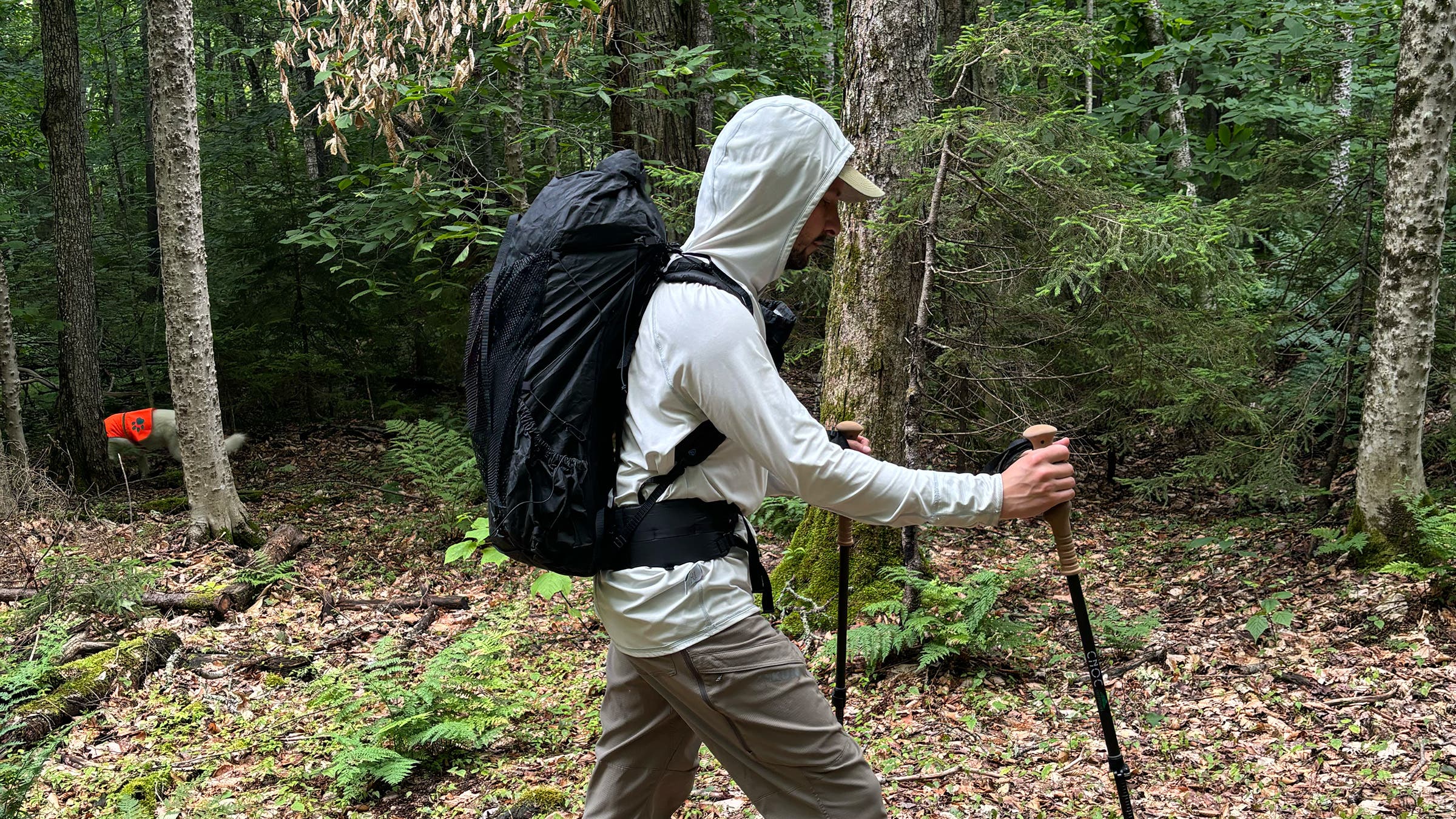
Beyond material costs and manufacturing strategies, a significant factor contributing to the enduring strength of cottage ultralight brands is the inherent skepticism of the ultralight community towards mainstream marketing. The ultralight consumer base has, in many ways, subverted traditional marketing paradigms.
Word-of-Mouth: The Power of the Community
While brands like The North Face and Black Diamond may enjoy broad name recognition among casual outdoor enthusiasts, this familiarity can be a double-edged sword within the ultralight community. Gear designed for the masses often fails to resonate with the specific needs and preferences of ultralighters, whose priorities are weight, functionality, and durability above all else.
Instead, ultralight brands thrive on a powerful form of word-of-mouth marketing. Niche brands such as Yama Mountain Gear and KS Ultralight Gear may be unknown to the average consumer, but they are championed by legions of ultralighters on platforms like YouTube, Reddit, and Instagram. This community is characterized by its depth of knowledge and passionate engagement. Members are often seasoned thru-hikers, skilled DIY gear makers, and material science enthusiasts who possess an intimate understanding of the technical specifications of various fabrics and insulation. When these individuals endorse a brand, their recommendations carry significant weight and credibility.
Building Credibility: A Long Road for Mainstream Brands
Mainstream brands face a considerable challenge in earning this level of trust. For years, ultralight hikers have entered traditional outdoor retailers seeking specialized gear and found little to meet their exacting standards. While the current wave of ultralight offerings from major companies is a positive development, ingrained habits and perceptions are slow to change. It will likely take considerable time and consistent delivery of high-quality, genuinely innovative ultralight products to convince the average ultralight hiker that these established brands are not merely chasing a trend but are committed to the principles of lightweight backpacking.
Rational Consumers: The Metrics That Matter
Ultimately, ultralighters are rational and discerning consumers. Their purchasing decisions are based on a pragmatic evaluation of quality, design, functionality, price, and, of course, weight. If mainstream brands can consistently meet or exceed these metrics with their new ultralight offerings, they will undoubtedly find a receptive audience. However, if their products fall short, or if the pricing remains disproportionately high for the perceived value, the market will likely see a significant amount of high-end ultralight gear ending up on sale racks, a testament to the enduring influence and discerning nature of the ultralight community. The future of the ultralight market will hinge on whether mainstream brands can truly innovate and earn the trust of a community that values authenticity and performance above all else.