The open-source home automation landscape has reached another significant milestone with the official rollout of Home Assistant 2026.9. As smart homes scale from hobbyist setups to complex, whole-house ecosystems, the latest platform iteration addresses long-standing integration hurdles, upgrades data accessibility, and introduces substantial upgrades to its core architecture. Headlined by a modernized Modbus framework, next-generation speech-to-text processing for local voice assistants, and deeper security integrations, this release solidifies Home Assistant’s position as a premier enterprise-grade alternative to proprietary smart home ecosystems.
Main Facts and Core Upgrades
Home Assistant 2026.9 delivers a sweeping array of features aimed at improving usability, accessibility, and hardware compatibility. At the forefront of this release is the modernization of Modbus. Historically, integrating Modbus-driven devices such as solar inverters, energy meters, and high-efficiency heat pumps required users to manually hand-write complex register maps in YAML—a steep barrier to entry for non-technical consumers. The 2026.9 update introduces native, UI-driven support through shared connections, allowing compliant integrations to communicate seamlessly on a single bus without resource contention. Initial hardware partners benefiting from this transition include Fronius, Sofar, and Flexit.
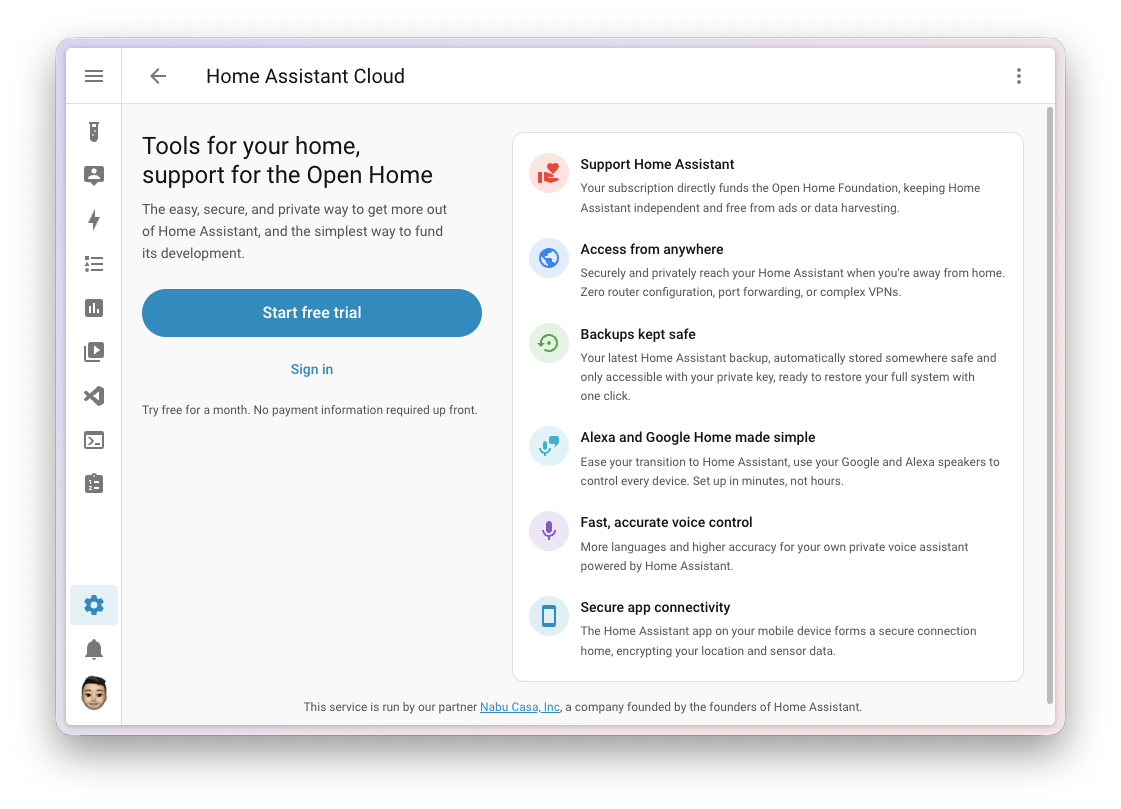
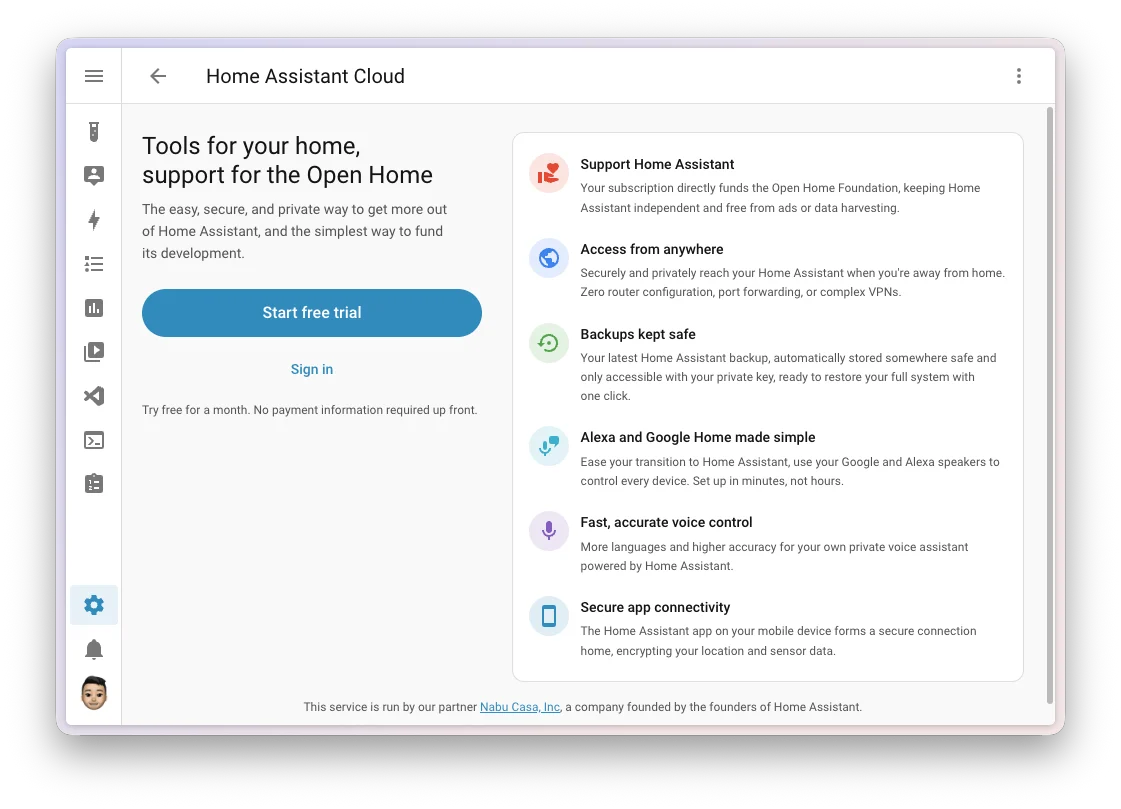
In parallel, the release introduces advanced Cloud voice processing capabilities designed to overcome traditional stumbling blocks in speech recognition, such as non-native accents, localized dialects, and ambient household noise. Powered by an integration with Soniox and managed through Home Assistant Labs, subscribers can opt-in to test the new speech-to-text engine while maintaining the platform’s strict privacy guarantees against audio logging and training.
Security and Dashboard Enhancements
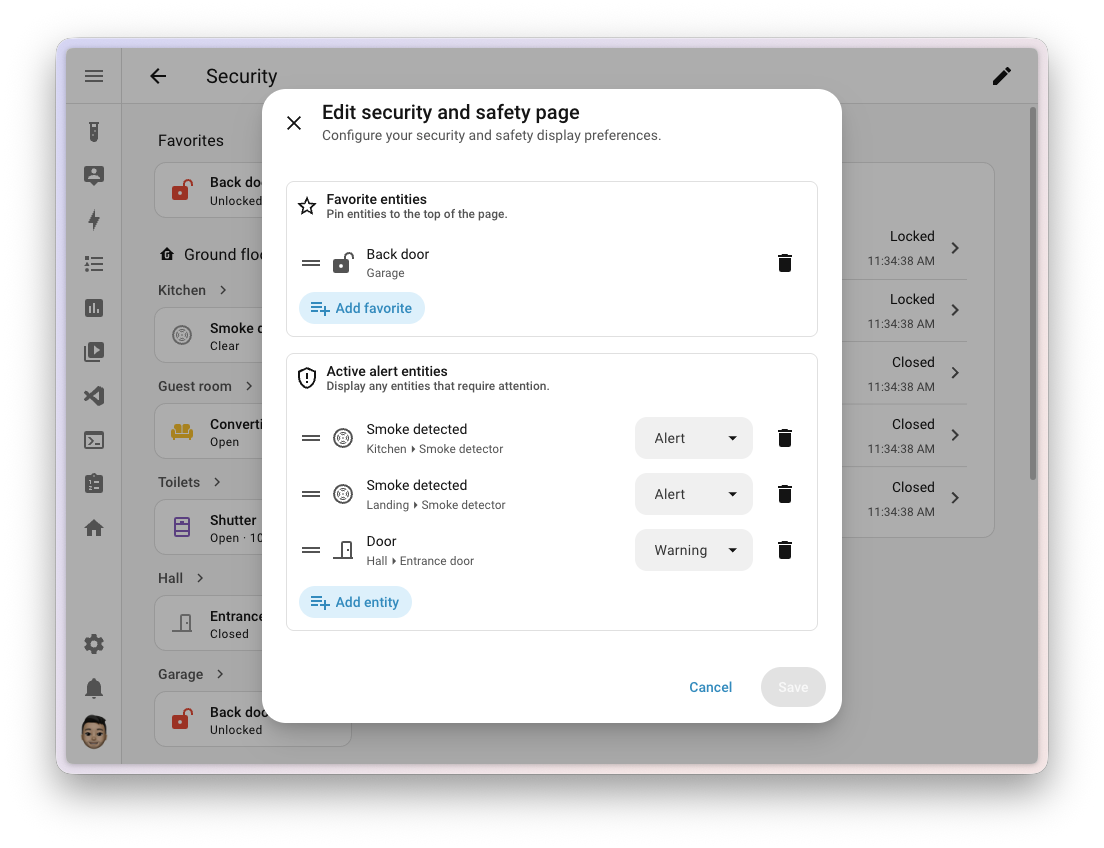
Security monitoring within Home Assistant has also received a comprehensive overhaul. The built-in Security dashboard now features dynamic "Active alerts" and customizable "Favorites." The Active alerts module remains hidden during normal operations, surfacing only when critical anomalies occur—such as open exterior doors or triggered smoke alarms—and categorizes incidents by severity (Alert versus Warning).
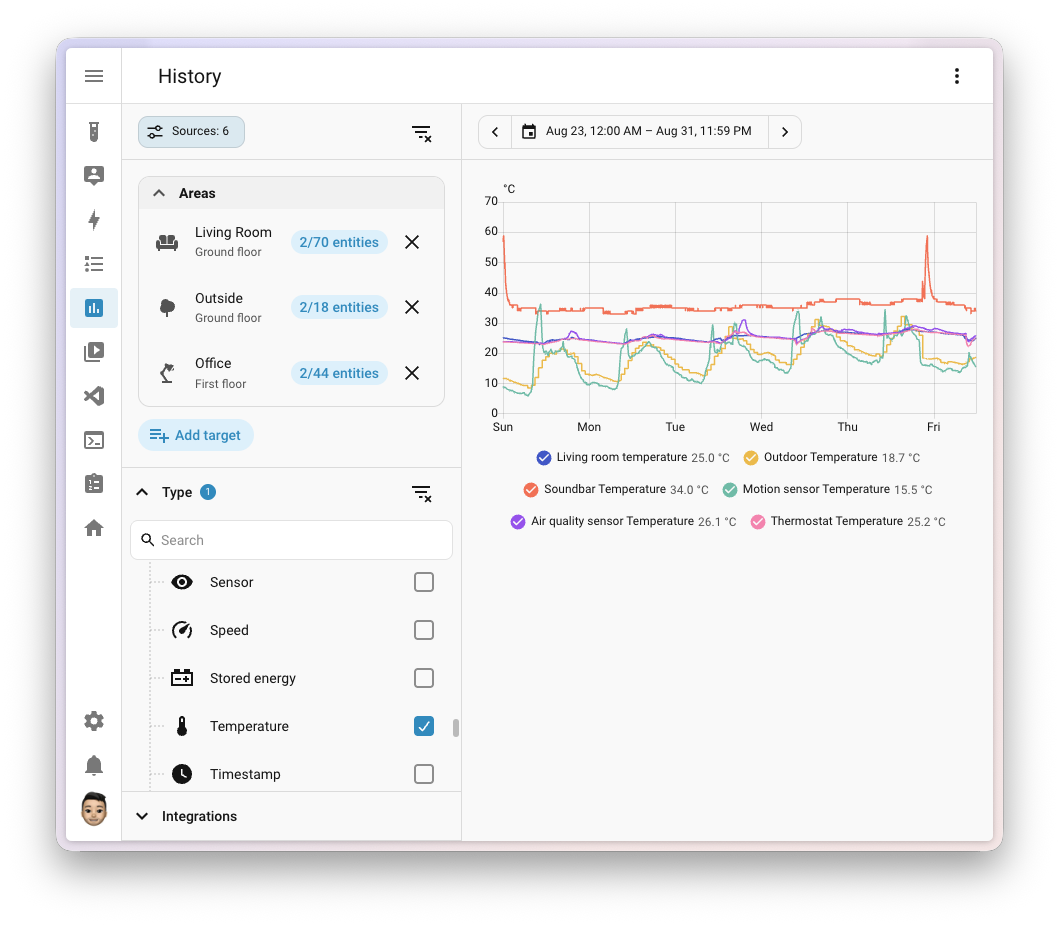
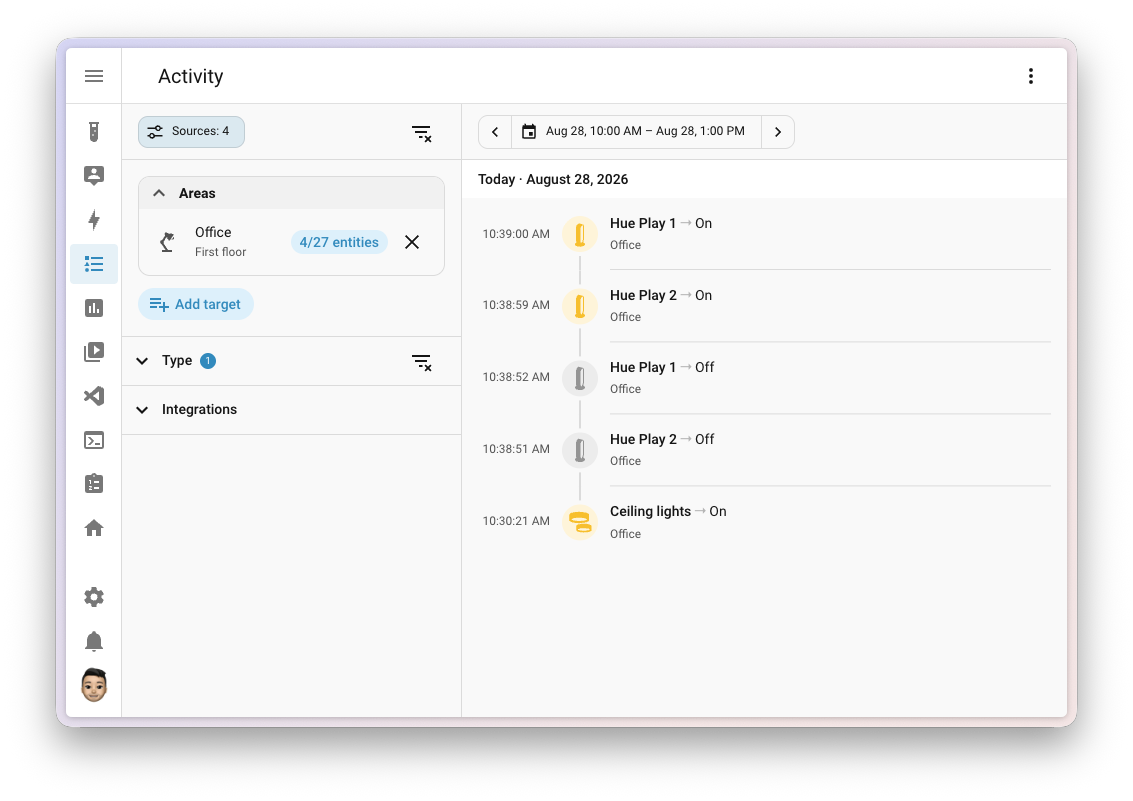
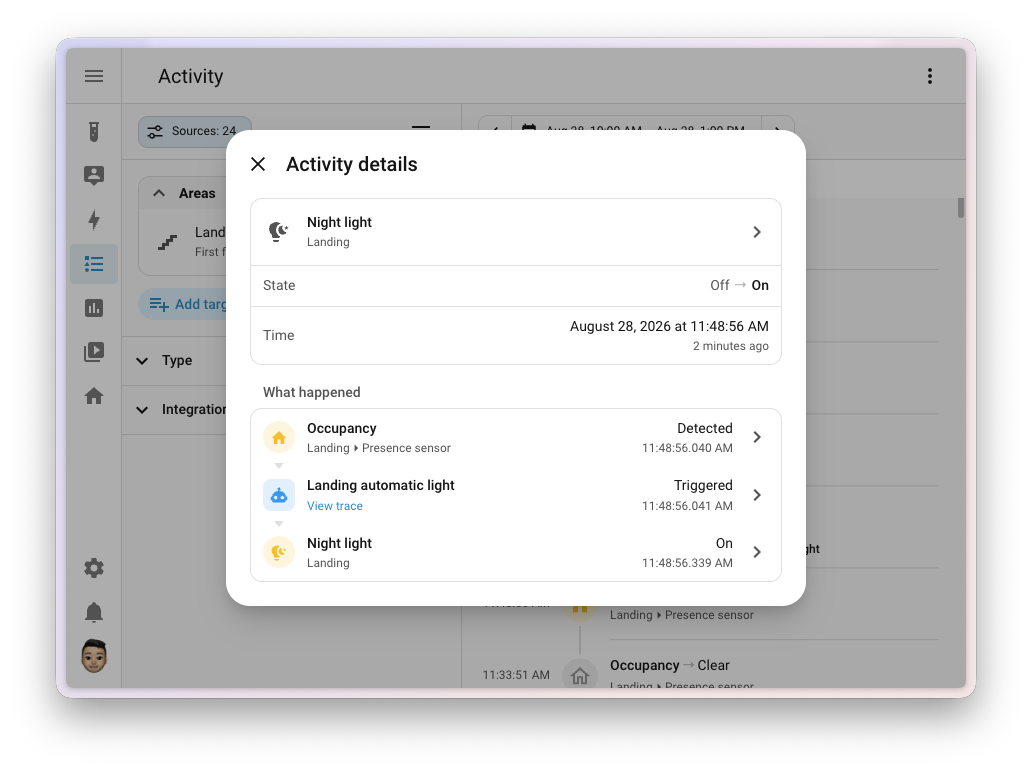
Furthermore, the History and Activity interfaces have been unified under a shared "Sources" panel. This restructuring allows users to filter data granularly by floors, areas, devices, and domains. To answer the persistent question of "why" an automation executed rather than simply "what" changed, the Activity log now provides a detailed, millisecond-precise audit trail. Selecting any log entry opens a step-by-step causal chain, mapping triggers, automations, scripts, and target entities with direct links to debugging traces.
Chronology and Background Context
The release of version 2026.9 follows a structured monthly deployment cycle maintained by the Open Home Foundation and core developers. Over the preceding months, foundational updates—such as expanded sun-based triggers in July and August—paved the way for the complex environmental triggers introduced in this iteration, including dedicated parameters for golden hour, blue hour, midnight sun, and polar night.
Concurrently, the development team has maintained an active physical presence in the consumer technology sector. Aligning with the software rollout, the Open Home Foundation established a prominent exhibition space at IFA Berlin (running September 4–8, 2026), showcasing the capabilities of local-first smart home technologies to a broader European audience.
Supporting Data and Protocol Integrations
Hardware protocol management has expanded significantly in 2026.9. Following previous updates that elevated infrared and radio frequency to first-class citizens within the user interface, serial communication ports now occupy a dedicated management panel under Connectivity. The new interface categorizes serial ports into active, available, and missing devices, providing instant diagnostics for USB Zigbee and Thread dongles.
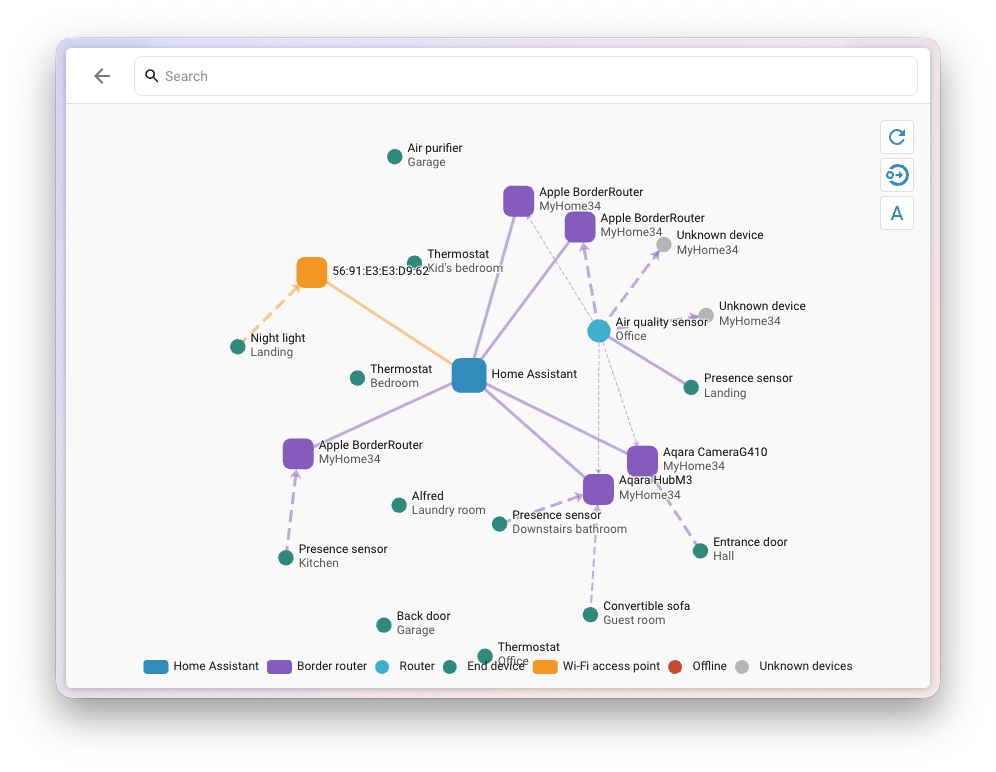
Matter network visualization has also caught up with legacy protocols like Zigbee and Z-Wave. The Matter panel now features a comprehensive network map driven by the underlying Matter Server, illustrating connections between Wi-Fi and Thread mesh topologies, border routers, and battery-powered end devices.
Accessibility remains a core pillar of the Open Home Foundation’s roadmap. Version 2026.9 introduces comprehensive screen reader and keyboard navigation support for line and bar charts. Notably, navigating charts via keyboard triggers a synthesized audio tone matching the data trends, providing auditory feedback on numerical fluctuations for visually impaired users.
Official Responses and Community Contributions
The development of Home Assistant 2026.9 represents a collaborative effort involving hundreds of global contributors, core developers, and UX designers. Core maintainer Paulus Schoutsen ("balloob") spearheaded the Modbus modernization initiative, utilizing the fully typed tmodbus library developed by contributor wlcrs. Special acknowledgments were extended to community members @googanhiem, @piitaya, @ricardoantoniocm, and @MindFreeze for their instrumental roles in refining release documentation, security dashboard designs, and chart accessibility frameworks.
Broader Impact and Implications
The release of Home Assistant 2026.9 carries substantial implications for the smart home industry, particularly regarding energy management and local privacy. By abstracting the complexities of industrial protocols like Modbus into standard UI elements, Home Assistant lowers the threshold for homeowners integrating renewable energy hardware—such as solar inverters and battery storage systems—into their automation routines.
Additionally, the tightening integration between local hardware management (Serial, MQTT, Matter) and cloud-optional voice processing highlights the platform’s dual strategy: offering robust, offline-first reliability while providing high-end cloud services (via Nabu Casa) that directly fund the long-term sustainability of the Open Home Foundation. As regulatory scrutiny over consumer data privacy intensifies globally, Home Assistant’s architectural insistence on local control and zero-knowledge cloud services positions it as a resilient alternative to centralized tech conglomerates. Users upgrading to version 2026.9 should review documented backward-incompatible changes—particularly concerning LLM API tool naming conventions and administrator permission requirements for update installations—to ensure a seamless transition.