










After more than two decades of documenting the rapid expansion of the digital landscape, Stacey Higginbotham, a preeminent voice in the Internet of Things (IoT) sector, has officially concluded her independent publishing tenure. Her final newsletter, released on August 18, 2023, marked the end of a seven-year run as an independent journalist, podcast host, and analyst. This transition signifies more than just the closure of a boutique media brand; it reflects a broader shift in how technical journalism addresses the increasing complexity, ethical dilemmas, and regulatory challenges inherent in the modern connected world.
The Trajectory of an Independent Tech Voice
Higginbotham’s career path serves as a barometer for the tech industry’s maturation. Following a tenure as a senior editor at Fortune, where she covered the intersection of business and emerging technologies, she pivoted in 2016 to establish an independent platform dedicated to the Internet of Things. At the time, the transition was met with skepticism from industry observers who questioned the viability of independent journalism outside the umbrella of established media conglomerates.
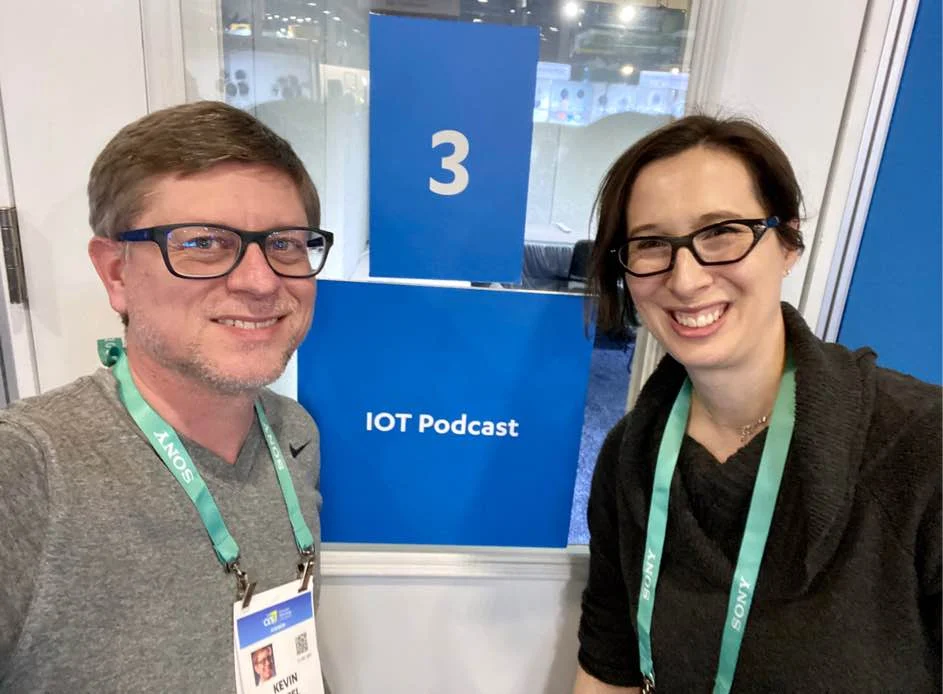
However, her platform—comprising both a weekly newsletter and the popular Stacey on IoT podcast—quickly gained traction. It provided a dedicated space for deep-dive analysis on everything from smart home interoperability standards like Matter to the complex logistics of industrial sensors. For seven years, her reporting bridged the gap between silicon-level innovation and the social implications of ubiquitous computing, creating a community of thousands of practitioners, engineers, and curious consumers.
Chronology of the Connected Era
To understand the weight of this departure, one must look at the timeline of the industry Higginbotham spent years analyzing. Her coverage began in earnest around 2012, a period characterized by the initial "gold rush" of the smart home.
- 2012–2015: The "Early Adoption Phase," defined by fragmented ecosystems and the rapid introduction of connected thermostats, lighting, and cameras.
- 2016: The launch of Higginbotham’s independent venture, coinciding with the rise of voice assistants and the first major discussions regarding IoT security vulnerabilities.
- 2018–2020: The maturation of the industry, marked by the consolidation of standards and the emergence of massive data-privacy debates, including the integration of IoT devices into broader surveillance frameworks.
- 2021–2023: The "Institutional Era," where ESG (Environmental, Social, and Governance) mandates pushed corporations to adopt IoT for carbon tracking, while simultaneously facing increased scrutiny over the "subscription-ification" of hardware.
By stepping back, Higginbotham leaves a space that is currently grappling with these very issues—the struggle to balance technological utility with the fundamental rights of the user.
The Data Dilemma and Industry Tensions
The core of Higginbotham’s recent reporting focused on the uneasy marriage between technological efficiency and corporate surveillance. As the IoT industry has evolved, the business models underpinning these devices have shifted significantly. Early models relied on the one-time sale of hardware, but modern manufacturers increasingly depend on recurring subscription revenue and data monetization.
Market data underscores the friction she frequently highlighted. According to recent reports from the International Data Corporation (IDC), global spending on the Internet of Things reached nearly $805 billion in 2023. Yet, this massive capital infusion has often come at the cost of consumer privacy. Industry analysts note that the average "smart" household now contains dozens of endpoints, each acting as a potential data-collection point. Higginbotham’s consistent critique of "rampant data grabs" reflects a growing consensus among technology ethicists that the current architecture of the smart home often prioritizes corporate profit margins over user autonomy.
Implications for the Consumer Reports Innovation Lab
Higginbotham has confirmed that her next chapter involves a consulting role with the Consumer Reports Innovation Lab. This move is strategically significant. Consumer Reports has historically acted as a primary defender of consumer rights in the face of predatory corporate practices. By focusing on cybersecurity and privacy, Higginbotham is shifting from the role of a commentator to an active participant in the standardization and vetting process.
In an era where "greenwashing"—the practice of masking corporate carbon footprints through ineffective technological solutions—has become rampant, her transition to a policy-oriented role suggests a desire to move beyond the observation of news toward the creation of safer, more secure industry benchmarks.
Reflections on Professional Burnout in Tech Journalism
The decision to step back also highlights a quiet crisis in tech journalism: the burnout associated with the relentless pace of daily news. For over 20 years, the cycle of product launches, venture capital announcements, and the constant stream of "disruptive" innovation has left many veteran journalists feeling detached from the long-term human impacts of the products they cover.
Higginbotham’s candid admission of cynicism toward new startups reflects a broader fatigue within the tech press. When the industry is flooded with repetitive innovation cycles, the capacity to identify truly transformative technology diminishes. Her choice to pause is an acknowledgement that the "daily grind" of reporting on every iteration of hardware often prevents the necessary deep analysis of systemic risks—such as the weaponization of workplace monitoring tools or the erosion of digital privacy.
The Future of IoT Analysis
While Higginbotham will no longer produce a weekly newsletter, she remains an active voice on platforms like Bluesky and continues to invite dialogue on the future of the field. Her departure from the weekly cycle does not signify an abandonment of the IoT space, but rather a shift in methodology.
The implications of her exit are twofold. First, it leaves a void in independent, expert-level analysis of the IoT landscape, which may be filled by emerging newsletters or niche academic research. Second, it serves as a signal to the industry that the era of "unconditional optimism" regarding connected devices is over. The next generation of reporting on the Internet of Things will likely be defined by the themes she championed in her final months: rigorous security, skepticism of data-harvesting business models, and a focus on the ethical implications of the "connected everything" paradigm.
As the industry pivots toward AI-integrated IoT, the questions raised by Higginbotham during her tenure—regarding who controls the data and who benefits from the surveillance—will only become more pressing. Her career remains a case study in how one voice can hold a multi-billion dollar industry accountable by simply asking the right questions. For now, the "Stacey on IoT" brand enters a period of dormancy, but the discourse she facilitated remains a vital component of the ongoing conversation regarding our digital future.