Home Assistant has officially rolled out its latest major monthly update, version 2026.9, bringing a significant overhaul to industrial and home automation protocols, local voice processing capabilities, accessibility features, and user interface controls. As the smart home ecosystem continues to mature, this release addresses long-standing friction points for advanced users while introducing foundational upgrades designed to streamline device management, enhance privacy, and lower barriers to entry for complex hardware setups.
The open-source platform, heavily backed by the Open Home Foundation, has steadily grown from a niche enthusiast project into a mainstream competitor against proprietary ecosystems managed by major technology conglomerates. Version 2026.9 encapsulates this evolution by bridging the gap between raw hardware protocols and user-friendly graphical interfaces, ensuring that both casual homeowners and technical integrators benefit from the latest developments.
Modernizing Modbus: Bringing Industrial Protocols to the UI
Historically, one of the most persistent barriers within Home Assistant has been its reliance on manual configuration for industrial and energy-monitoring protocols. Modbus—a serial communications standard widely utilized by solar power inverters, geothermal heat pumps, and commercial energy meters—has traditionally required users to manually write custom register maps in YAML configuration files. This steep learning curve effectively barred a vast category of hardware from mainstream adoption.
With the 2026.9 release, Home Assistant introduces a modernized Modbus architecture. Rather than forcing independent integrations to compete for a single serial connection or requiring manual register mapping, the platform now utilizes a shared, modern, fully typed library known as tmodbus. This foundational shift enables native UI-based device discovery and configuration.
Initial implementations of this modernized framework include updated support for Fronius solar inverters, which now gain granular, per-string monitoring data across current, voltage, power, and lifetime energy generation via Modbus TCP (SunSpec) without sacrificing local HTTP API compatibility. Similar architecture has been rolled out for Sofar Inverter Modbus and Flexit ventilation systems. By standardizing these connections through a standalone modbus-connection library, Home Assistant has cleared the path for smoother multi-vendor hardware integration.
Advancements in Local Voice Processing and Cloud Capabilities
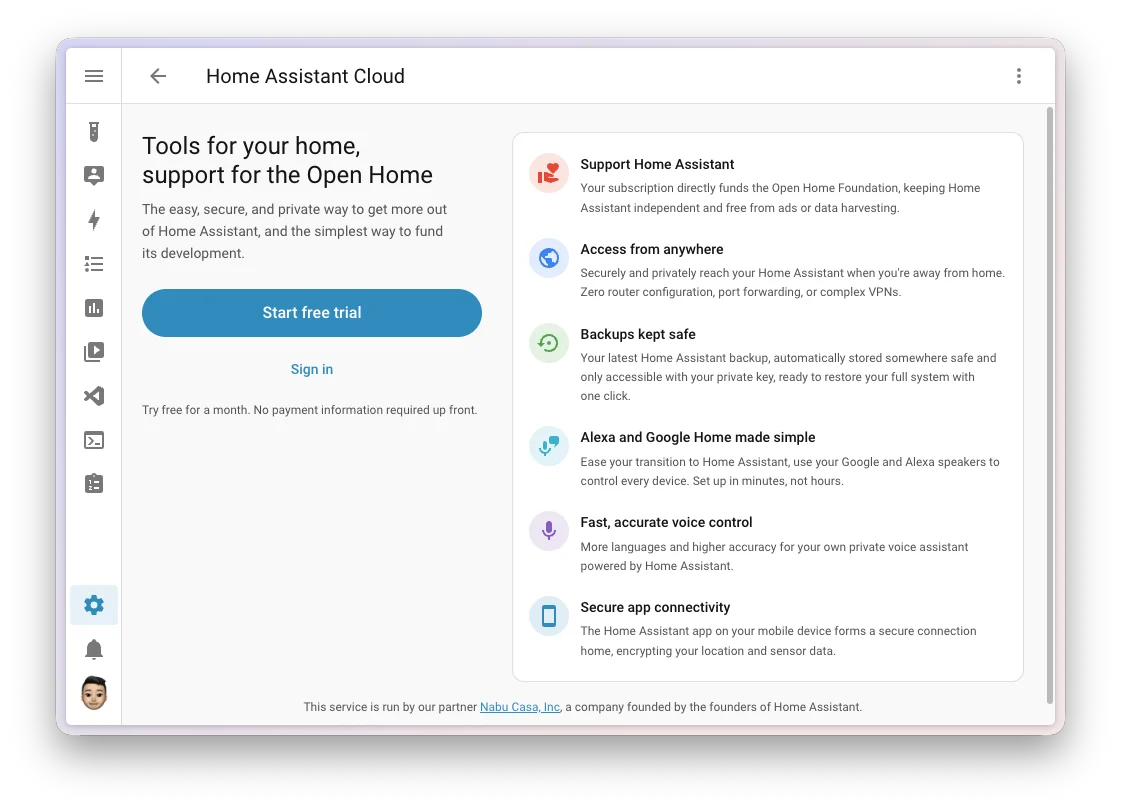
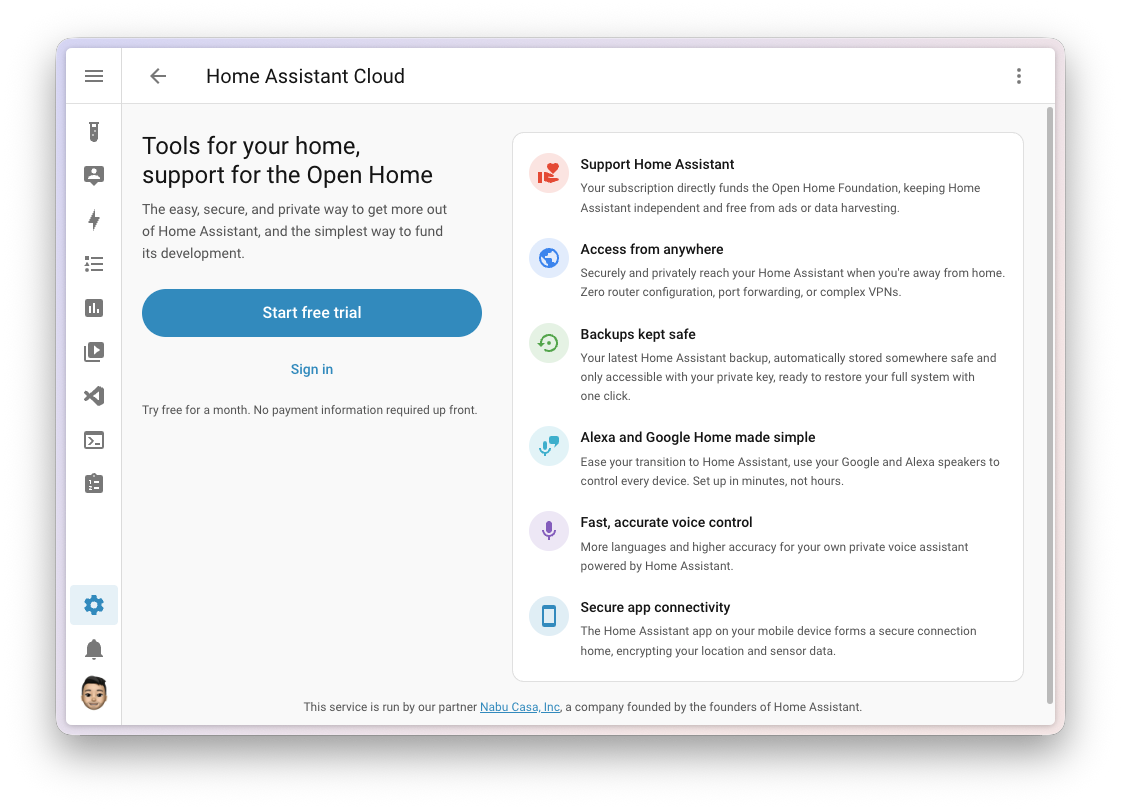
Voice control remains a cornerstone of Home Assistant’s privacy-first mission. Building upon the foundation laid by the Home Assistant Voice Preview Edition, the 2026.9 update introduces a new speech-to-text processing engine available to Home Assistant Cloud subscribers through the platform’s experimental Labs section.
Developed in partnership with Nabu Casa and powered by voice technology provider Soniox, the new engine specifically targets three historically difficult scenarios for private voice assistants: regional accents, high ambient background noise, and non-English languages. Households operating in languages other than English have frequently encountered recognition failures due to localized inflections and phonetic drift. This update aims to resolve those performance gaps while maintaining the platform’s strict zero-logging and zero-training privacy guarantees.
In addition to voice processing enhancements, Home Assistant Cloud has improved security visibility for subscribers. Previous versions registered external login attempts through the cloud proxy as local requests, generating generic and unhelpful error messages associated with the loopback IP address (127.0.0.1). The platform now passes through verified originating IP addresses. This change enables administrators to implement effective IP banning protocols and leverage multi-factor authentication (MFA) safeguards against unauthorized access attempts.
Dashboard Refinements: Security Alerts and Unified Activity Logging
Dashboard customization and operational transparency receive major upgrades in this release, driven largely by community-submitted design roadmaps.
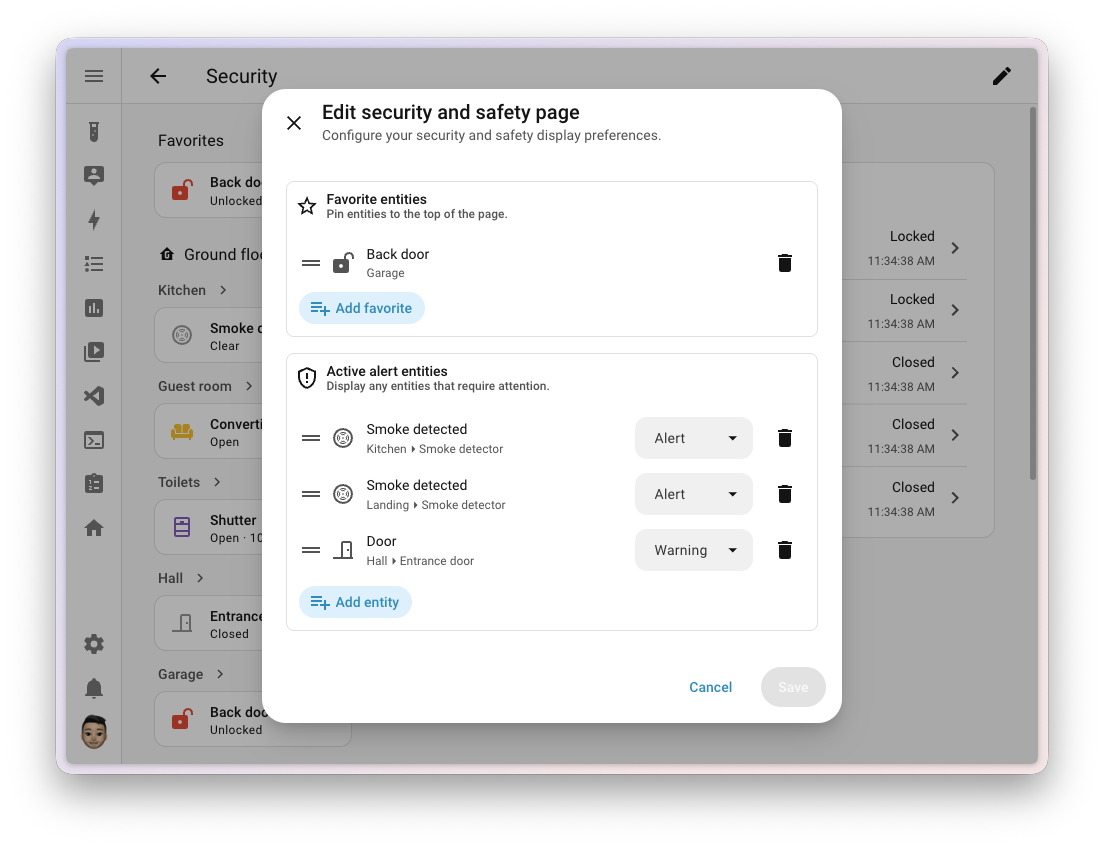
The built-in Security dashboard has been expanded to include a dynamic "Active alerts" section. Rather than occupying permanent visual space, this module remains hidden unless an emergency trigger—such as an open perimeter door or a tripped smoke detector—demands immediate attention. Entities can be categorized by severity levels, allowing minor notifications like an open window to be distinguished from critical life-safety warnings. A corresponding "Favorites" section allows users to pin essential security controls to the top of the interface.
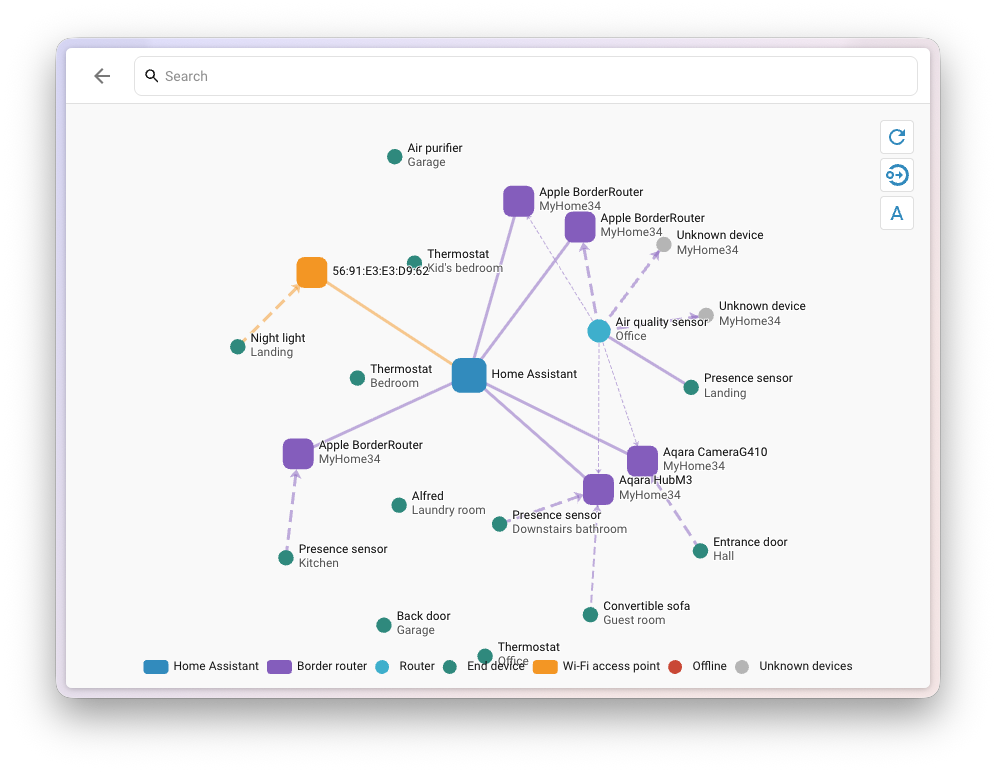
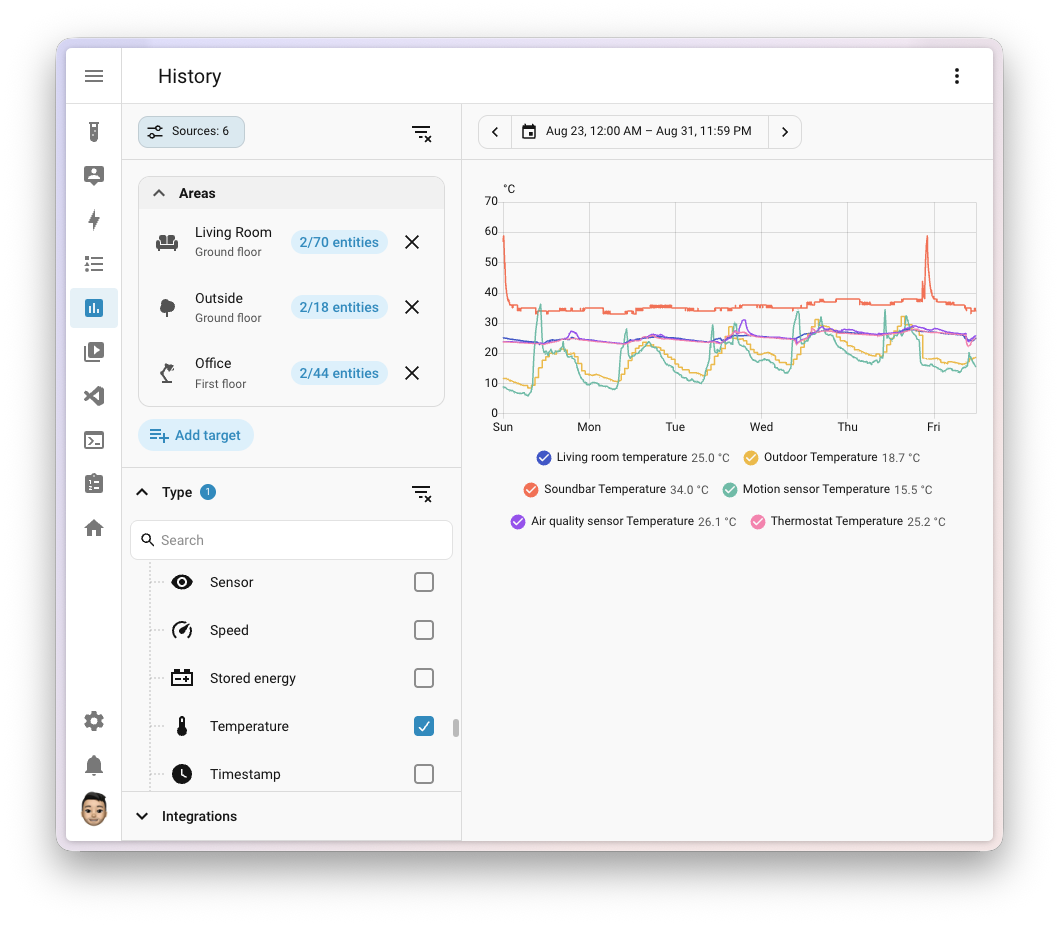
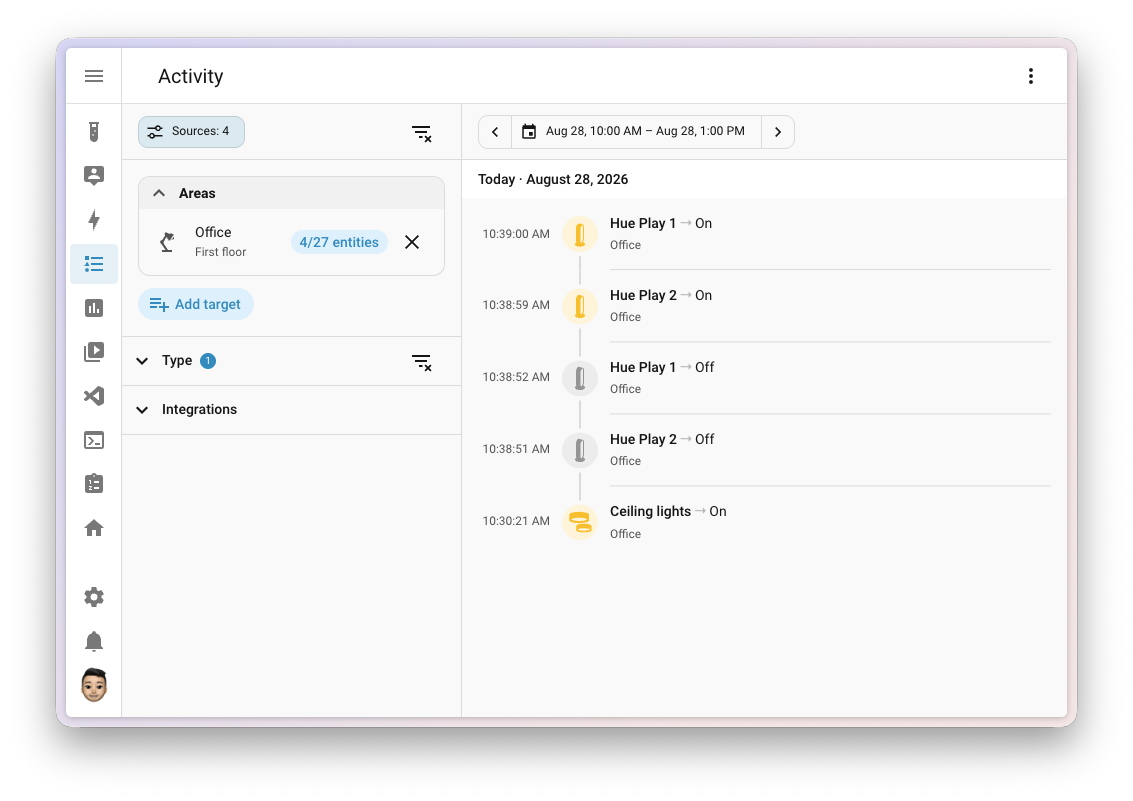
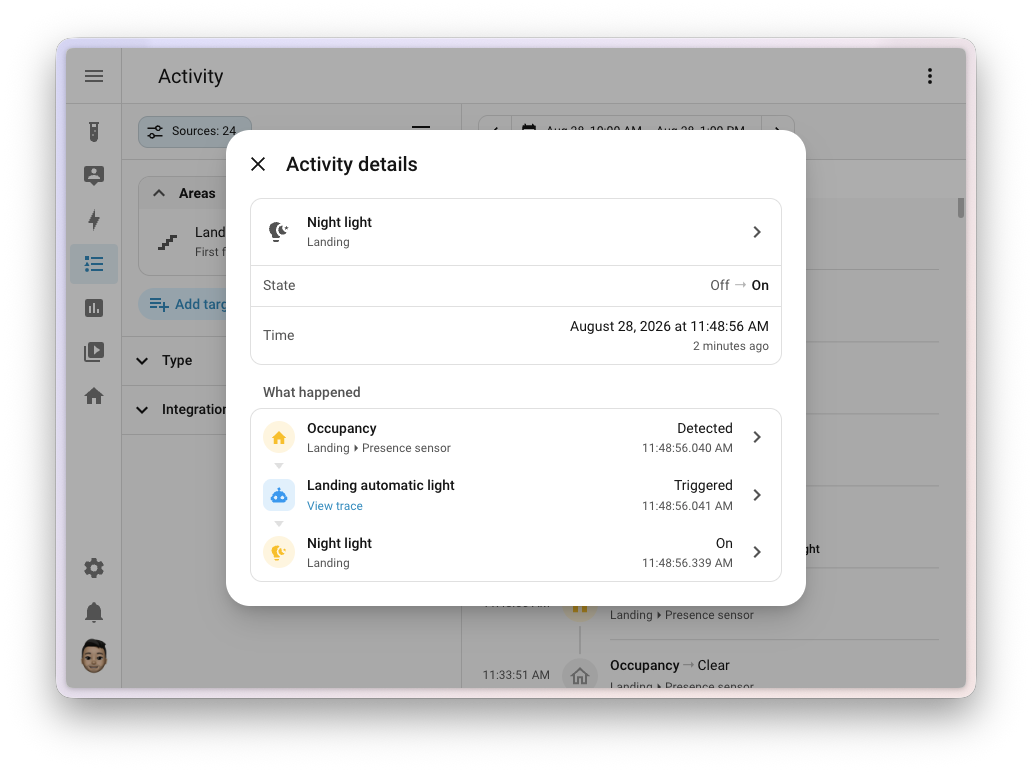
Concurrently, the History and Activity panels have been redesigned around a unified "Sources" sidebar. This panel consolidates filtering mechanisms across floors, areas, devices, domains, and integrations. Most notably, the Activity log has transitioned from reporting simple state changes to explaining the underlying causal chain of events. Selecting any log entry now opens an interactive diagnostic dialogue displaying the exact trigger source—whether a physical sensor, a scheduled timer, or an automated script—alongside millisecond-accurate timestamps and direct links to automation traces.
Universal Accessibility and Chart Navigation
Home Assistant continues its multi-year push toward comprehensive digital accessibility, focusing its latest efforts on data visualizations. Historically, graphical charts rendered as static images, rendering them completely inaccessible to screen readers and keyboard-only operators.
Version 2026.9 transforms standard line and bar charts into interactive, focusable elements. Users navigating via keyboard can step through individual data points using directional arrows, prompting a live region announcement of timestamps and values for screen reader software. Furthermore, the interface introduces an auditory data representation feature: as a user traverses a chart, the system generates synthesized tonal feedback that rises and falls in pitch to mirror the underlying data trends. This acoustic feedback loop provides both sighted and visually impaired users with an immediate, intuitive sense of historical data shape.
Expansion of Physical Connectivity Panels
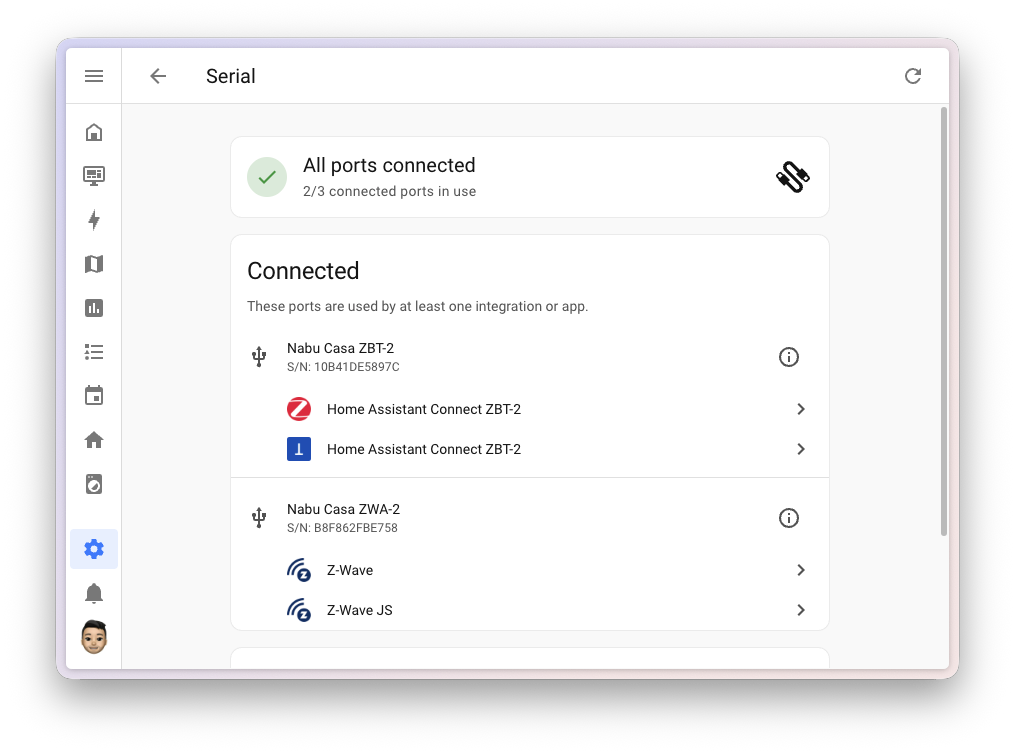
Expanding on the structural reorganization introduced in previous quarters for infrared and radio frequency devices, the 2026.9 update establishes a dedicated "Serial" panel under the platform’s connectivity settings.
The new panel provides real-time diagnostics for USB dongles, communication adapters, and local serial ports. It categorizes ports into three distinct operational states: actively utilized by an integration, connected but idle, and expected by a configuration but currently disconnected. This immediate status visibility eliminates the need to parse raw system logs when troubleshooting dropped Zigbee or Thread coordinators.
Concurrently, the MQTT integration receives a dedicated settings interface within the connectivity hub. The updated panel features a system status banner, separated configuration flows for broker parameters and discovery options, and a built-in packet publisher allowing administrators to test MQTT message payloads directly within the browser.
Ecosystem Growth and Backward Compatibility
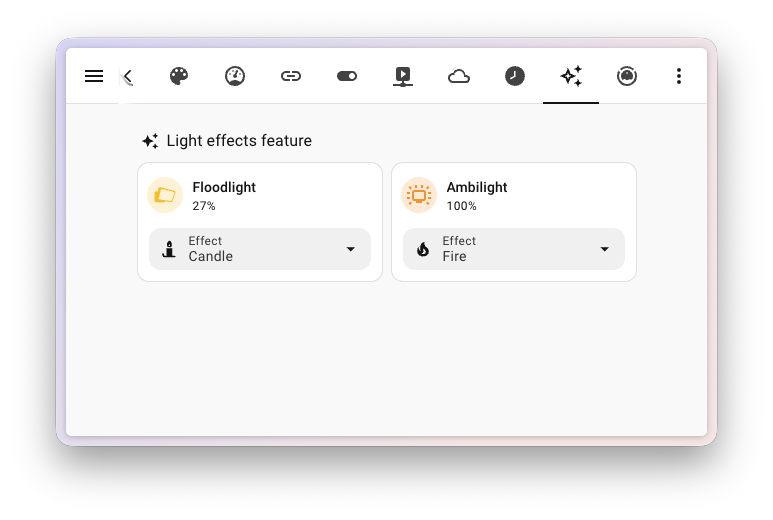
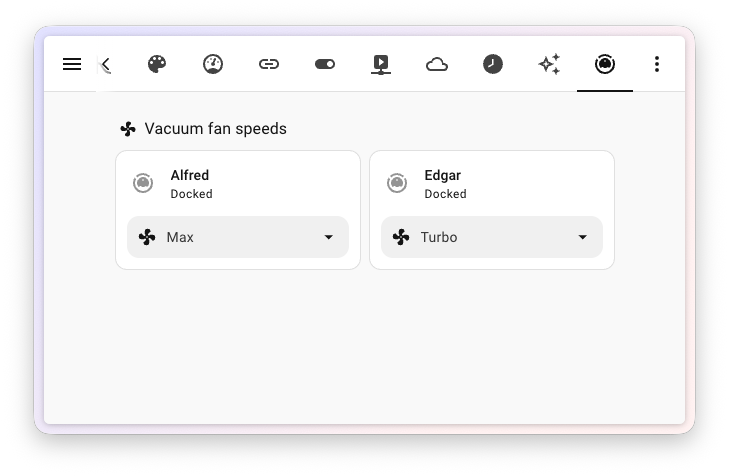
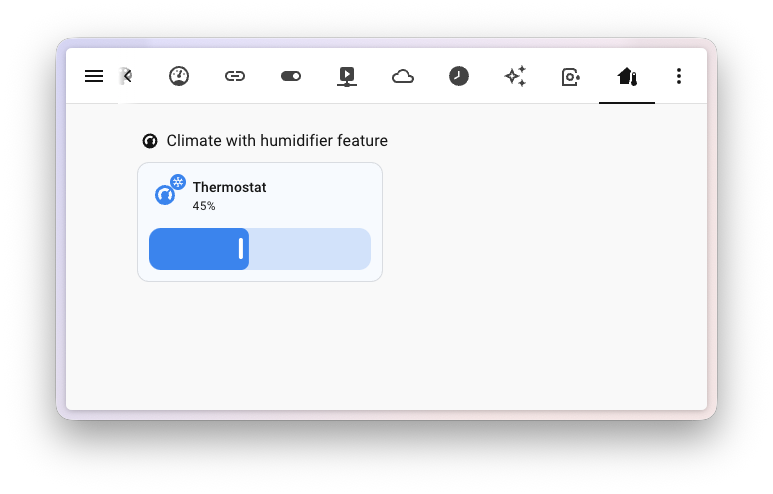
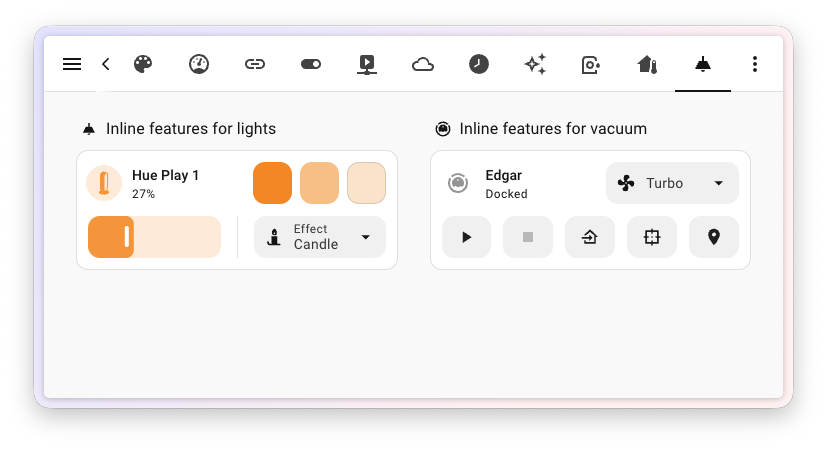
The release incorporates 13 new integrations, expanded tile card functionality for vacuums and climate controllers, and refined sun-based automation triggers encompassing golden hour, blue hour, midnight sun, and polar night conditions.
As with any major platform update, developers have documented several backward-incompatible changes requiring attention from advanced users. Notable updates include the removal of deprecated fireplace mode switches in Flexit BACnet integrations, updated permission requirements for administrative actions within the Update and Z-Wave JS integrations, and standardized tool naming conventions across Large Language Model (LLM) APIs.
Home Assistant 2026.9 is available immediately via the standard platform update channels. Users operating custom installations or specialized hardware integrations are encouraged to review the official release notes and upgrade documentation prior to deployment.