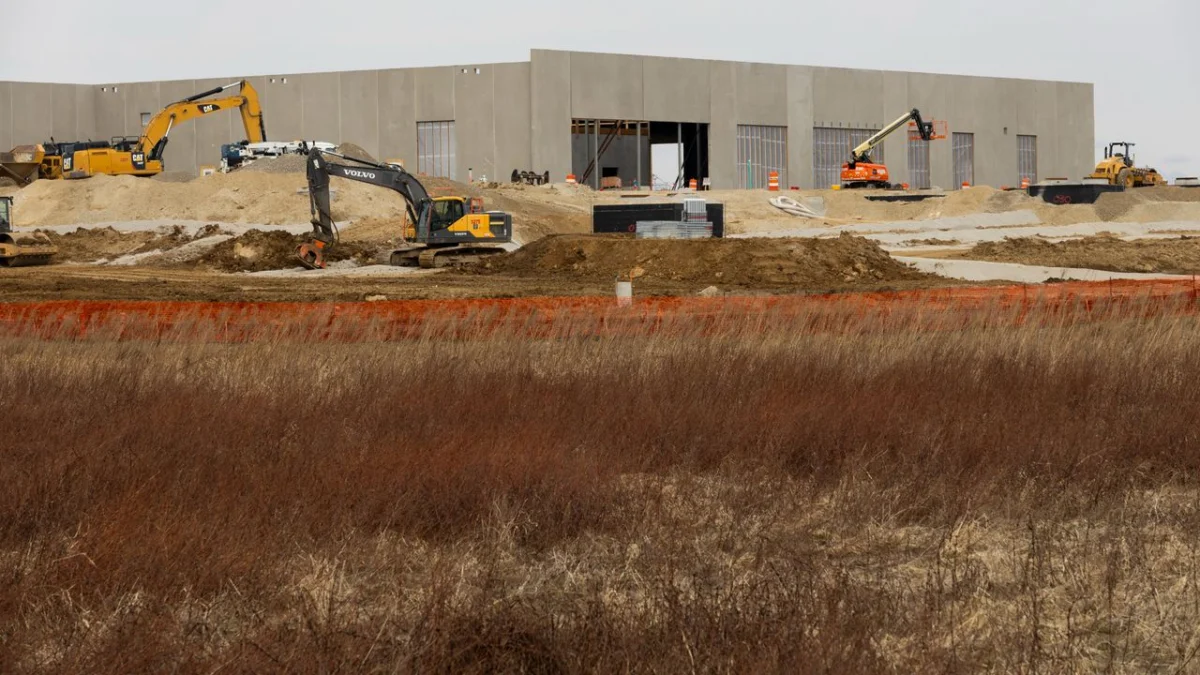
Several critical data center projects across the United States, initially slated for completion in 2026, are now facing substantial delays, encountering a formidable confluence of regulatory friction, persistent supply chain bottlenecks, and an acute lack of available utility infrastructure. This emerging challenge threatens to push back the ambitious timelines set by leading technology companies, including Microsoft and OpenAI, and their partners like Oracle. A recent investigative report by the Financial Times, citing data from SynMax, a geospatial data analytics firm, indicates that these high-profile data center developments are likely to miss their projected deadlines by more than three months, potentially impacting the accelerated expansion of AI and cloud computing capabilities.
The findings from SynMax, a company renowned for its real-time insights and predictive analytics derived from satellite imaging and artificial intelligence, paint a stark picture of the construction landscape. SynMax’s methodology involves meticulously tracking progress on various construction sites, observing key milestones such as land clearing, foundation work, and structural development. This satellite-derived intelligence is then cross-referenced with a wealth of industry data, including public announcements, regulatory filings, permit documents, and critical on-the-ground interviews with project stakeholders and construction personnel. This granular approach allows for a comprehensive and objective assessment of project advancement, often providing an alternative perspective to official corporate statements.
The Intensifying Demand for Data Center Infrastructure
The current surge in demand for data centers is unprecedented, largely fueled by the explosion of artificial intelligence (AI) technologies and the continued exponential growth of cloud computing services. Companies like OpenAI, Microsoft, Google, and Amazon are locked in a fierce race to build out the computational infrastructure necessary to train and deploy increasingly sophisticated AI models, handle vast quantities of data, and support a global digital economy. This era of rapid technological advancement necessitates hyperscale data centers—massive facilities often spanning hundreds of acres and consuming hundreds of megawatts of power—capable of housing millions of servers and advanced cooling systems. The sheer scale of these projects, combined with their intricate technical requirements, makes them inherently complex and vulnerable to disruptions.
Historically, the data center industry has experienced steady growth, driven by the digitization of commerce and communication. However, the advent of generative AI has dramatically accelerated this trajectory. Training a single large language model (LLM) can require the equivalent energy consumption of thousands of homes and thousands of high-performance GPUs, demanding an immediate and substantial increase in data center capacity. This sudden and intense demand has placed immense pressure on every aspect of the construction pipeline, from initial site selection and permitting to the procurement of specialized equipment and the availability of skilled labor.
Key Obstacles Hindering Development
The delays identified by SynMax and corroborated by anecdotal reports point to several systemic issues plaguing the U.S. data center construction sector:
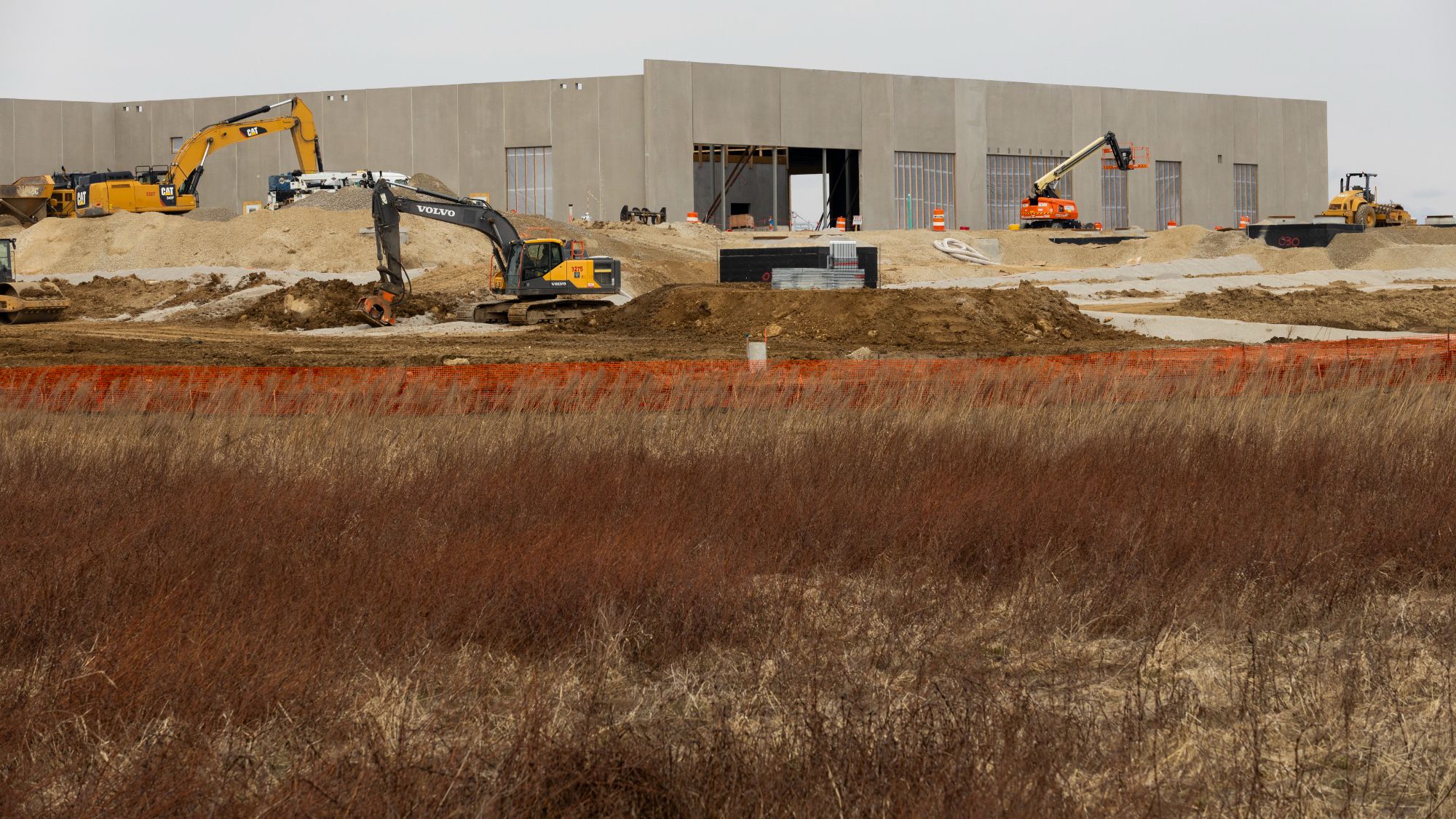
1. Supply Chain Bottlenecks: The global supply chain, still reeling from the disruptions of the COVID-19 pandemic and exacerbated by geopolitical tensions, continues to present significant hurdles. Essential components for data centers, such as high-voltage transformers, switchgear, generators, cooling units, and specialized networking equipment, often have long lead times. Many of these critical parts are manufactured overseas, particularly in Asia, making them susceptible to international shipping delays, port congestion, and manufacturing capacity limitations. The intense competition among tech giants to secure these limited resources further drives up costs and extends delivery schedules, creating a ripple effect across multiple projects. For instance, obtaining a custom-built high-capacity transformer can take upwards of 18-24 months, a timeframe that can severely impact a project aiming for a 2026 completion.
2. Labor Shortages: A critical shortage of skilled labor is proving to be a persistent impediment. Construction executives interviewed on the ground consistently report difficulties in finding sufficient numbers of specialist workers, including electricians, pipefitters, and HVAC technicians, all of whom are indispensable for the intricate installations required in modern data centers. This issue is not new; reports from late 2025 already highlighted a growing scarcity of such professionals. The specialized nature of data center construction demands highly trained individuals, and the current workforce simply cannot keep pace with the unprecedented demand. This shortage leads to slower construction timelines, increased labor costs, and a potential compromise on quality if less experienced workers are deployed.
3. Regulatory Friction: Navigating the labyrinthine world of local, state, and federal regulations adds significant time and complexity to data center development. Projects of this magnitude require a myriad of permits, including zoning approvals, environmental impact assessments, utility connection permits, and building codes compliance. Local communities often raise concerns about noise pollution, increased traffic, and particularly, the immense water and energy consumption of these facilities. This public scrutiny and the rigorous permitting processes can lead to lengthy delays, as developers engage in extensive consultations, studies, and potential legal challenges, sometimes extending the pre-construction phase by months or even years. Environmental reviews, especially for sites near sensitive ecosystems, can be particularly protracted.
4. Utility and Power Constraints: Perhaps one of the most significant and often underestimated challenges is the availability of sufficient and reliable power. Hyperscale data centers require enormous amounts of electricity, often drawing power equivalent to a small city. The existing electrical grid infrastructure in many regions was not designed to accommodate such massive and concentrated loads. Securing high-voltage transmission lines, upgrading substations, and ensuring grid stability for new data center clusters is a monumental task. Furthermore, there is growing pressure for data centers to source their energy from renewable sources, adding another layer of complexity and potential delay as developers negotiate long-term power purchase agreements (PPAs) with solar or wind farms, which themselves have their own construction and permitting timelines. The "last mile" problem of connecting a new facility to a robust power grid can be a major bottleneck.
Conflicting Narratives: Corporate Optimism vs. On-the-Ground Reality
Despite the detailed analysis from SynMax and the concerns raised by construction executives, the companies directly involved in these projects have largely maintained an optimistic stance, publicly denying any significant delays. OpenAI, for instance, stated to the Financial Times, "Our historic data center build-out is on schedule and we will accelerate from here. In partnership with Oracle, SB Energy and a broader ecosystem of partners, we are delivering rapid progress in Abilene, Shackelford County and Milam County in Texas." Similarly, Oracle affirmed, "Each data center we’re developing for OpenAI is moving forward on time, and construction is proceeding according to plan," while SB Energy echoed this sentiment, noting, "The Milam County Data Center is on schedule and on pace to be one of the fastest data centers of its kind ever delivered."
This divergence between official corporate pronouncements and independent assessments is not uncommon in large-scale, high-stakes infrastructure projects. Companies may choose to maintain a positive public image to reassure investors, maintain competitive advantage, and avoid market speculation. However, the consistent reports from on-the-ground sources and geospatial intelligence firms suggest a more challenging reality. The discrepancy highlights the inherent tension between ambitious corporate targets and the practical limitations of construction and infrastructure development. The fact that "half of planned U.S. data centers are reportedly being canceled or delayed because of shortages," as indicated by another recent report, further underscores the systemic nature of these challenges beyond individual projects.
Broader Implications and Strategic Challenges
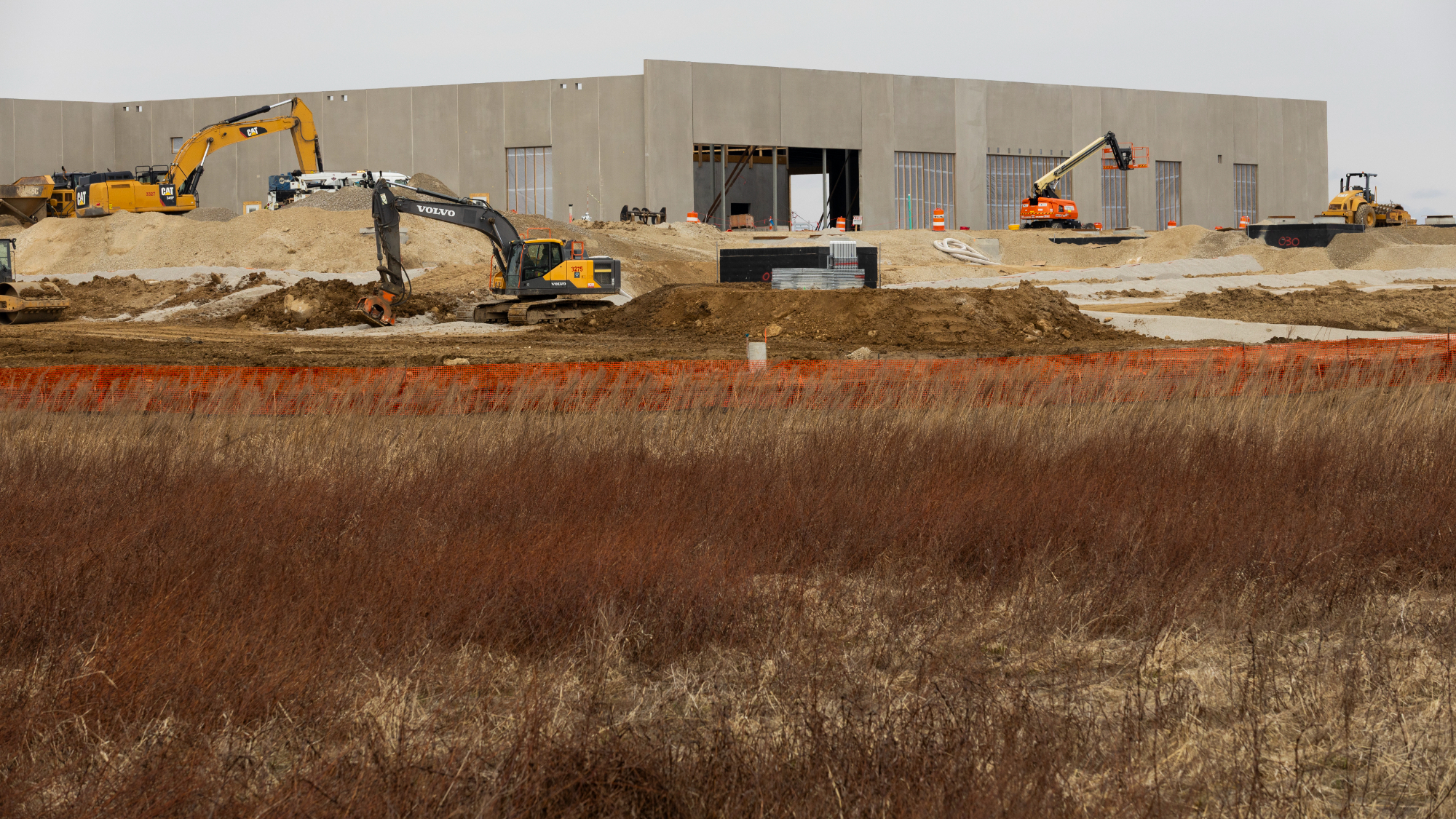
The potential delays in data center construction carry significant implications across various sectors:
1. Impact on AI and Cloud Computing Roadmaps: Any slowdown in data center expansion directly translates to a slower rollout of new AI capabilities and cloud services. Companies like OpenAI rely on vast computational resources to train larger, more capable models and to scale their services to a broader user base. Delays could impede innovation, postpone product launches, and potentially give competitors an edge if they can secure infrastructure more quickly. Microsoft, a key partner for OpenAI and a major cloud provider (Azure), also faces challenges in meeting the escalating demand from its enterprise clients for AI-ready infrastructure.
2. Economic and Regional Effects: Data center projects represent massive investments, bringing jobs (both construction and operational), tax revenue, and economic stimulus to the regions where they are built. Delays can mean postponed job creation, reduced local tax contributions, and a dampening effect on ancillary businesses that benefit from these large-scale developments. The chosen locations, such as those in Texas, are often selected for their favorable energy costs, land availability, and skilled workforce potential, but these benefits are diluted if projects are chronically behind schedule.
3. Strategic Challenges for Tech Giants: For hyperscalers, infrastructure is paramount. Delays force a re-evaluation of capital expenditure plans, potentially leading to higher costs if materials or labor become more expensive over time. It also complicates their long-term strategic planning for market share and technological leadership. Companies may need to explore alternative strategies, such as increasing efficiency in existing data centers, pre-ordering components further in advance, or investing directly in training specialized labor. The pressure to deliver on AI promises to investors and users is immense, making these infrastructure bottlenecks a critical business risk.
4. Strain on Energy Infrastructure and Environmental Goals: The insatiable power demands of new data centers place significant strain on national and regional energy grids. While many tech companies have pledged to power their operations with 100% renewable energy, delays in grid upgrades and renewable energy project development can hinder these environmental goals. The competition for grid capacity could also impact other industries and residential consumers, potentially leading to higher energy prices or reliability concerns.
Looking Ahead: Mitigating Future Delays
Addressing these multifaceted challenges will require a concerted effort from both the private sector and government entities. Tech companies may need to:
- Diversify Supply Chains: Reduce reliance on single sources for critical components, explore domestic manufacturing options where feasible, and build larger inventories of long-lead items.
- Invest in Workforce Development: Collaborate with educational institutions and vocational programs to train the next generation of electricians, technicians, and construction specialists. Apprenticeship programs could be scaled up significantly.
- Proactive Regulatory Engagement: Engage with local communities and regulatory bodies much earlier in the planning process to anticipate and mitigate potential friction points.
- Strategic Energy Partnerships: Work closely with utility providers and renewable energy developers to ensure adequate power supply and grid upgrades are planned well in advance of data center construction. This might include co-investing in new energy infrastructure.
- Innovative Construction Techniques: Explore modular construction, prefabrication, and other advanced techniques to accelerate build times and reduce on-site labor requirements.
The tension between the unprecedented demand for AI infrastructure and the real-world constraints of construction, supply chains, and utility provision is a defining challenge of the current technological era. While official statements from major tech players project confidence, the ground-level reality, as illuminated by independent analytics and industry reports, suggests a more arduous path forward. How these delays are managed and mitigated will profoundly influence the pace of innovation, economic growth, and the global competitive landscape in artificial intelligence and cloud computing over the coming years.