Dozens of electric vehicle (EV) owners in Massachusetts are poised to receive financial compensation for contributing the stored energy within their vehicle batteries to the local electricity grid during periods of high demand. This innovative program, as reported by Heatmap News, marks a significant step forward in realizing the long-theorized potential of vehicle-to-grid (V2G) technology, transforming a conceptual benefit into a tangible economic opportunity for consumers and a crucial resource for utilities grappling with an increasingly strained power infrastructure.
The concept of EV drivers monetizing their battery capacity by feeding power back to the grid has long been an attractive prospect, but its widespread implementation has remained elusive until recently. A burgeoning landscape of pilot programs across the United States is now bringing this vision to fruition. These initiatives are proving instrumental in helping utilities manage the escalating electricity demands driven by factors such as the rapid expansion of AI data centers, the increasing prevalence of extreme weather events exacerbated by climate change, and the broader electrification of transportation. The Massachusetts program represents a tangible advancement in this national effort, showcasing a practical application of V2G technology that directly benefits participants.
A Collaborative Effort to Harness EV Power
Spearheading this initiative in Massachusetts is the Massachusetts Clean Energy Center (MassCEC), the state’s dedicated economic development division for clean energy. The MassCEC is providing the crucial funding necessary to establish the program, which includes the installation of 60 bidirectional charging systems within the homes of participating EV owners. While the underlying principle of energy sharing is straightforward, the practical execution requires a sophisticated technological infrastructure. This involves the installation of specialized bidirectional home EV chargers, capable of both drawing power from and supplying power to the grid, alongside an integrated energy management system designed to facilitate seamless communication between the EV, the home, and the utility.
The successful deployment of this program is the result of a strategic collaboration among several key players in the energy and automotive sectors. Prominent utilities Eversource and National Grid are partnering to manage the grid integration aspects, while technology providers EnergyHub, Sunrun, and The Mobility House are contributing their expertise in software development and grid-synchronization technologies. This multi-stakeholder approach underscores the complexity and the coordinated effort required to bring V2G technology from concept to reality.
Financial Incentives and Vehicle Compatibility
To encourage broader participation and accelerate the adoption of this new energy paradigm, residents will receive an undisclosed initial sum simply for enrolling in the program. Furthermore, participants stand to earn up to $275 per kilowatt over the summer months for sharing the electricity stored in their EV batteries. These financial incentives are designed to offset the initial investment in specialized charging equipment and to recognize the value EV owners are providing to the stability and resilience of the local power grid.
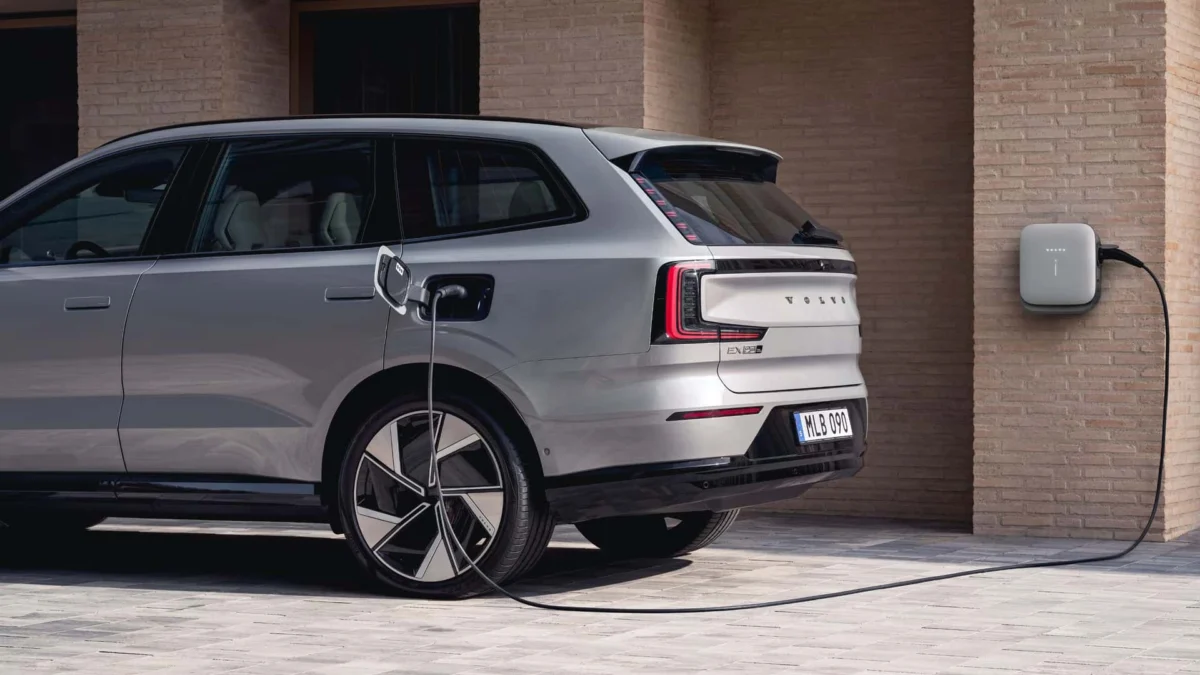
However, the current iteration of the program has specific vehicle compatibility requirements, reflecting the evolving nature of V2G technology. At present, participation is limited to owners of a select group of EVs that are factory-equipped with bidirectional charging capabilities. This includes the Nissan Leaf, Kia EV9, Polestar 3, Volvo EX90, and the Ford F-150 Lightning, which, although now discontinued, was an early adopter of this technology. The inclusion of these specific models is due to their integrated vehicle-to-grid support systems.
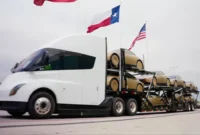
Notably, while some Tesla models, such as the Cybertruck and the Model Y Performance, now possess bidirectional charging capabilities, they are not yet included in this particular Massachusetts program. Heatmap News attributes this exclusion to a difference in technological architecture. Teslas typically integrate their DC-to-AC converter within the vehicle itself, whereas other manufacturers often rely on the wall charger to perform this conversion. This distinction currently presents a barrier to seamless integration within the existing framework of this specific V2G pilot. The ongoing development and standardization of V2G technology are expected to address these compatibility challenges in the future, potentially broadening the range of eligible vehicles.
V2G Technology: A Growing Trend in Grid Management
The Massachusetts initiative is not an isolated experiment; it is part of a growing national trend toward leveraging EV batteries as a distributed energy resource. Utilities and automakers are increasingly recognizing the immense potential of V2G technology to bolster grid stability, integrate renewable energy sources, and provide crucial backup power.
General Motors, for instance, is engaged in a significant partnership with Pacific Gas & Electric (PG&E) to connect an ambitious 52,000 of its EVs to the grid by the end of the decade. This large-scale endeavor signals a strong commitment from a major automotive manufacturer to the V2G ecosystem.
Furthermore, in a groundbreaking move earlier this year, PG&E and Tesla announced a collaboration that will utilize Cybertrucks for a residential vehicle-to-everything (V2X) program in California. This program aims to empower customers to seamlessly power their homes using their EV batteries during power outages, offering a critical layer of resilience. Concurrently, these vehicles will also be able to supply power back to the grid during periods of peak consumption, thereby alleviating strain and potentially reducing the need for less efficient peaker plants. This dual functionality of V2X, encompassing both home backup and grid support, represents a holistic approach to energy management enabled by advanced EV technology.
The Underlying Technology and Its Significance
The ability of an EV to serve as a mobile power source for the grid, or even a home, hinges on the concept of bidirectional charging. Traditional EV chargers are unidirectional, meaning they only allow electricity to flow from the grid to the vehicle for charging. Bidirectional chargers, however, are equipped to facilitate the reverse flow of electricity, enabling the EV’s battery to discharge power back to the grid or to a connected home.
This capability transforms EVs from mere transportation devices into active participants in the energy landscape. Their large battery capacities, often ranging from 40 kWh to over 100 kWh for many modern EVs, represent a significant and largely untapped energy reservoir. By intelligently managing the charging and discharging of these batteries, utilities can access a flexible and distributed source of power.
Addressing Grid Challenges: Climate Change and Demand Surges
The timing of these V2G advancements is particularly relevant given the escalating challenges facing electricity grids worldwide. Climate change is leading to more frequent and intense extreme weather events, such as heatwaves and storms, which place unprecedented stress on power infrastructure. During prolonged heatwaves, for example, the demand for electricity surges as air conditioning use peaks, often coinciding with reduced output from renewable sources like solar if weather conditions are unfavorable.
Simultaneously, the rapid growth of energy-intensive industries, most notably the burgeoning field of artificial intelligence and its associated data centers, is creating new and substantial demands on the grid. These facilities require constant and reliable power, further intensifying the need for flexible and responsive grid management solutions.
V2G technology offers a compelling solution by providing a distributed network of energy storage that can be activated precisely when and where it is needed most. During peak demand periods, when electricity prices are highest and the risk of brownouts or blackouts is greatest, EVs can discharge stored energy, helping to stabilize the grid and prevent service disruptions. This not only enhances grid reliability but also can lead to cost savings for consumers and utilities alike by reducing reliance on expensive and often less environmentally friendly peak power generation.
Challenges and Future Outlook
Despite the promising developments, several challenges remain for the widespread adoption of V2G technology. The primary hurdles include the cost of bidirectional charging hardware, the need for standardization in communication protocols between vehicles, chargers, and grid operators, and ensuring the long-term health and lifespan of EV batteries under frequent charge and discharge cycles.
The Massachusetts program, by including financial incentives and covering the cost of charger installation, directly addresses the economic barrier for participants. As technology matures and economies of scale are achieved, the cost of bidirectional charging is expected to decrease.
Furthermore, ongoing research and development are focused on optimizing battery management systems to minimize degradation and maximize the lifespan of EV batteries when used for V2G applications. Utilities and automakers are working collaboratively to establish robust technical standards and regulatory frameworks that will facilitate the seamless integration of millions of EVs into the grid.
The inclusion of a wider range of EV models, including those from manufacturers like Tesla that employ different internal architectures, will be crucial for the broad success of V2G. As manufacturers continue to innovate and as charging infrastructure evolves, it is anticipated that more vehicles will become V2G-capable.
The Massachusetts V2G pilot program represents a significant stride in making the concept of a decentralized, intelligent, and resilient energy grid a reality. By empowering EV owners to become active contributors to grid stability and offering them financial rewards for their participation, this initiative not only addresses immediate energy challenges but also paves the way for a future where electric vehicles play a pivotal role in shaping our energy infrastructure. The success of such programs will be a key indicator of the broader potential for V2G technology to contribute to a more sustainable and reliable energy future.