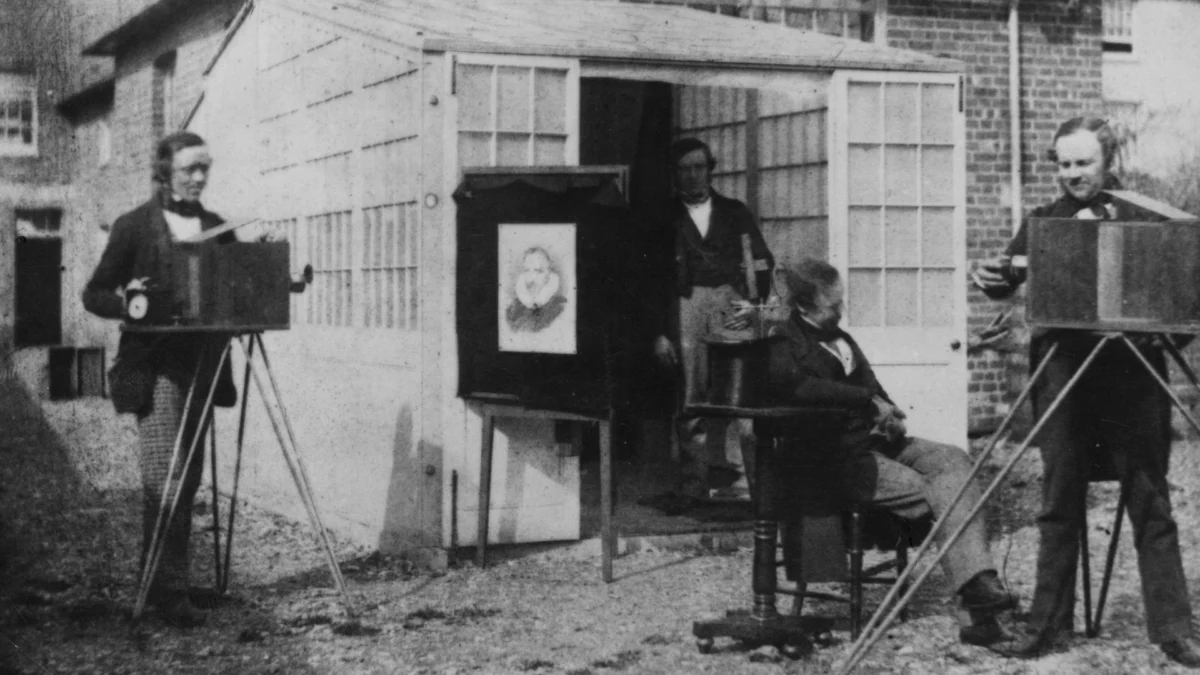
The evolution of photography is a narrative defined by the relentless pursuit of speed, clarity, and permanence. In the early decades of the nineteenth century, capturing a single photographic image was an arduous ordeal that required subjects to remain perfectly motionless under grueling studio lights for anywhere from fifteen minutes to several hours. This immense temporal barrier restricted the medium primarily to architecture, still lifes, and deeply patient portrait subjects. However, a watershed moment arrived in 1840 when English chemist, scientist, and pioneering inventor William Henry Fox Talbot engineered a breakthrough that permanently altered the trajectory of visual communication. By slashing exposure times to a minute or less and introducing the foundational principles of negative-positive reproduction, Talbot laid the technical blueprint for analog photography that would endure for generations.
To understand the magnitude of Talbot’s contribution, one must examine the fierce, international race to capture permanent images from nature during the late 1830s. Talbot, a polymath whose intellectual pursuits spanned mathematics, botany, and optics, began experimenting with light-sensitive materials at his ancestral home, Lacock Abbey in Wiltshire, as early as the mid-1830s. Utilizing fine writing paper coated in alternating solutions of salt and silver nitrate, Talbot created what he termed "photogenic drawings." These early silhouettes and contact prints were formed by placing objects directly onto the treated paper and exposing them to sunlight. Yet, despite his brilliant early start, Talbot faced a formidable rival across the English Channel.
In January 1839, French artist and physicist Louis Daguerre publicly unveiled the daguerreotype to the French Academy of Sciences. The daguerreotype produced breathtakingly sharp, highly detailed images on polished, silver-plated copper sheets. The public and scientific communities were mesmerized. Historical records indicate that Talbot had successfully produced permanent photogenic drawings years earlier, but because he had not yet published or widely circulated his findings, Daguerre claimed international renown as the official inventor of practical photography. In a cruel twist of historical timing, Talbot formally presented his process to the Royal Society just three weeks after Daguerre’s public announcement.
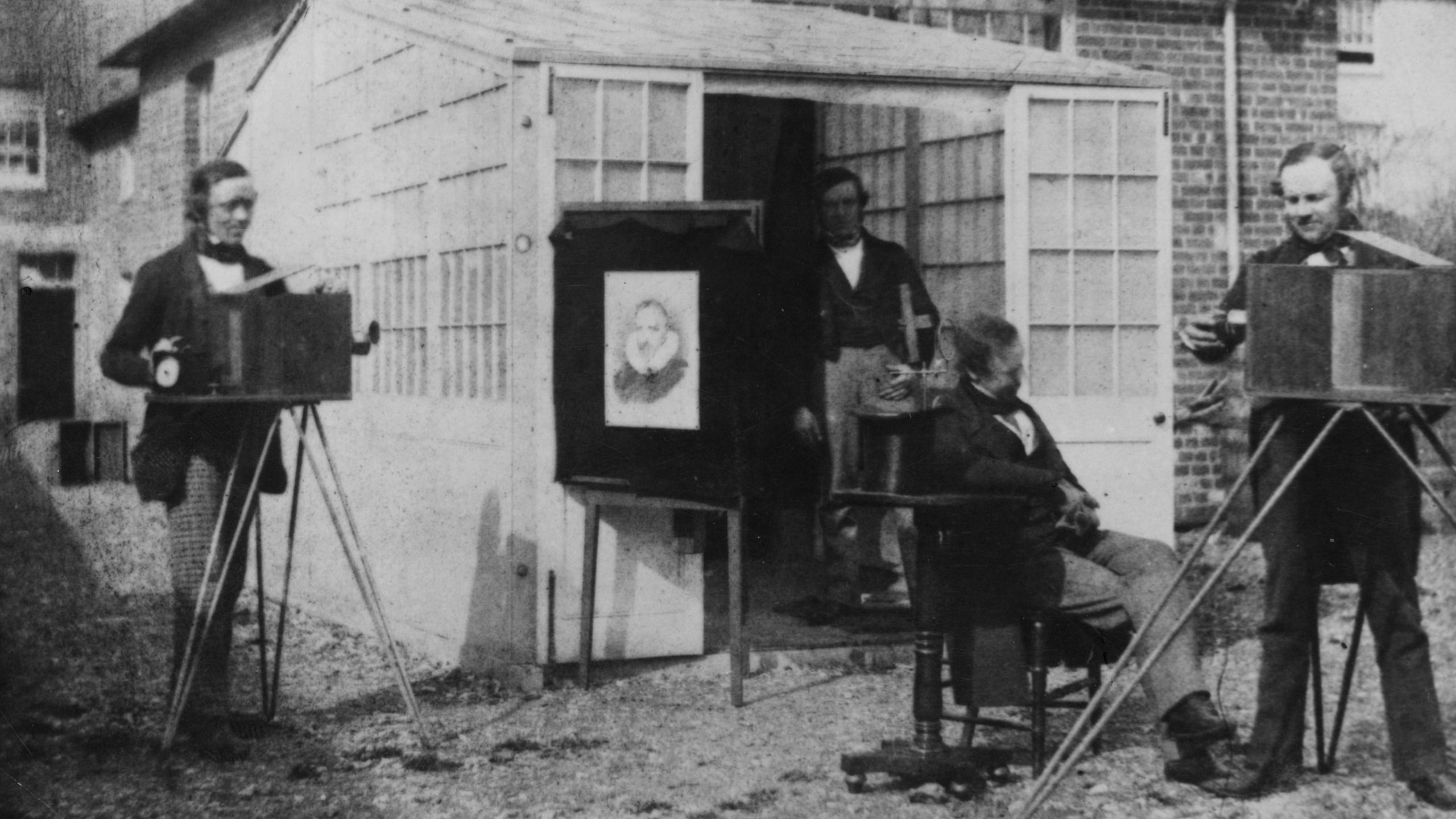
While Daguerre’s silver plates yielded undeniable clarity, they suffered from a fatal technological flaw: each daguerreotype was a singular, uncopyable object. Once created, the plate could not be duplicated without re-photographing the original artifact. Furthermore, the daguerreotype process was chemically hazardous, relying on heated mercury vapor to develop the latent image, and the plates were physically fragile, requiring heavy glass protection inside ornate cases.
Recognizing these limitations, Daguerre largely retreated to his painting and artistic endeavors following his sudden fame. Talbot, conversely, possessed the tenacious analytical mind of a scientist and refused to abandon his paper-based methodology. He understood that paper possessed immense practical advantages over metal plates: it was lightweight, inexpensive, flexible, and fundamentally held the potential for infinite mechanical replication.
The breakthrough that bridged the gap between Talbot’s early experiments and a viable commercial process occurred in September 1840. Through systematic trial and error, Talbot discovered the concept of the latent image development. He realized that exposing light-sensitive paper inside a camera obscura for only a fraction of a second—merely seconds, rather than minutes—left no visible change on the paper’s surface. However, when he brushed or rinsed this seemingly blank paper with a chemical mixture he initially referred to as an "exciting liquid," composed of gallic acid and silver nitrate, a rich, fully realized photographic image miraculously materialized.
This discovery of chemical development decoupled the exposure time from the creation of the visible image. Talbot named this refined, paper-based photographic process the "calotype," derived from the Greek word kalos, meaning beautiful, and typos, meaning impression. He officially patented the calotype process in February 1841, establishing a robust legal and commercial framework for his invention.
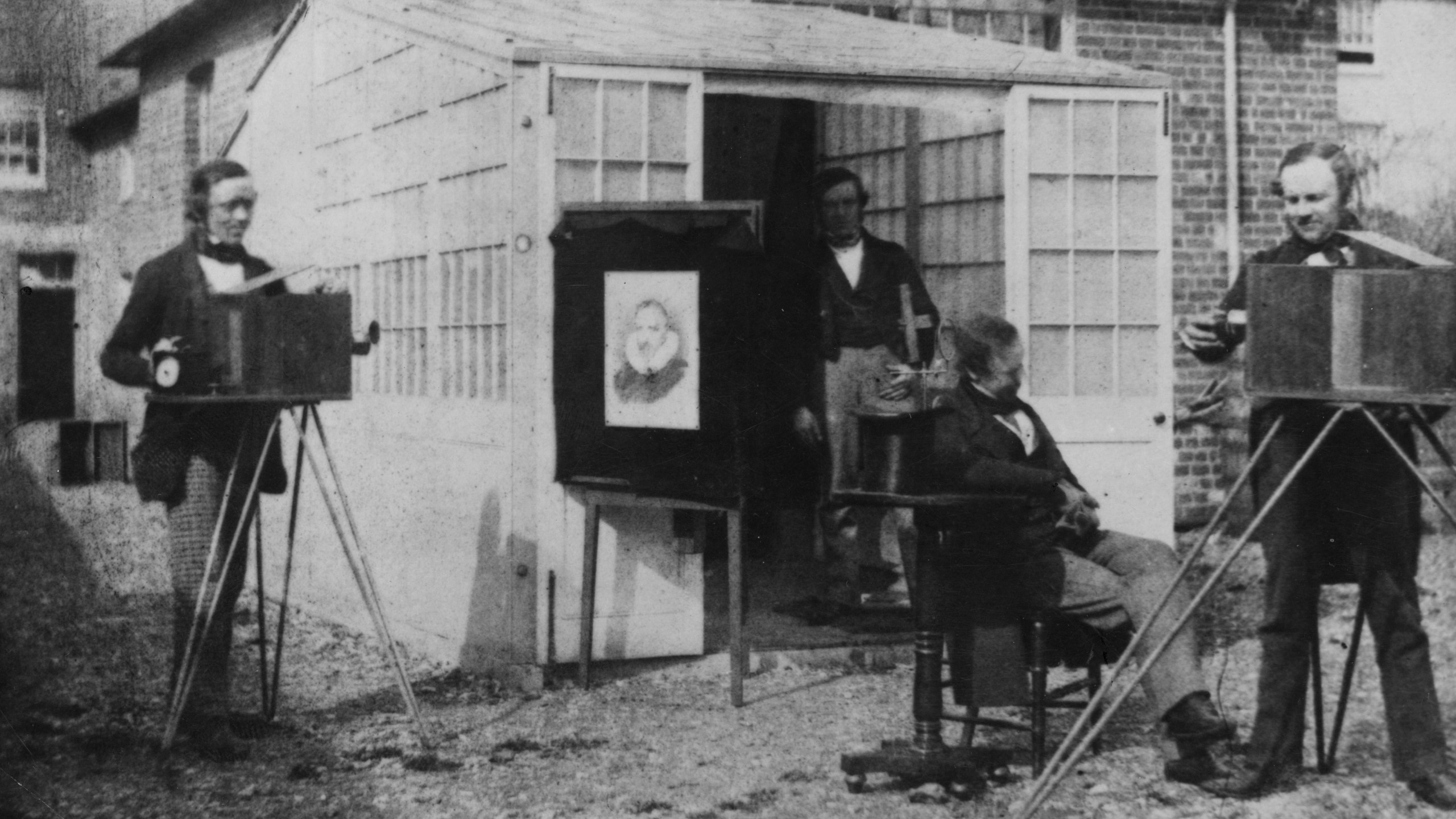
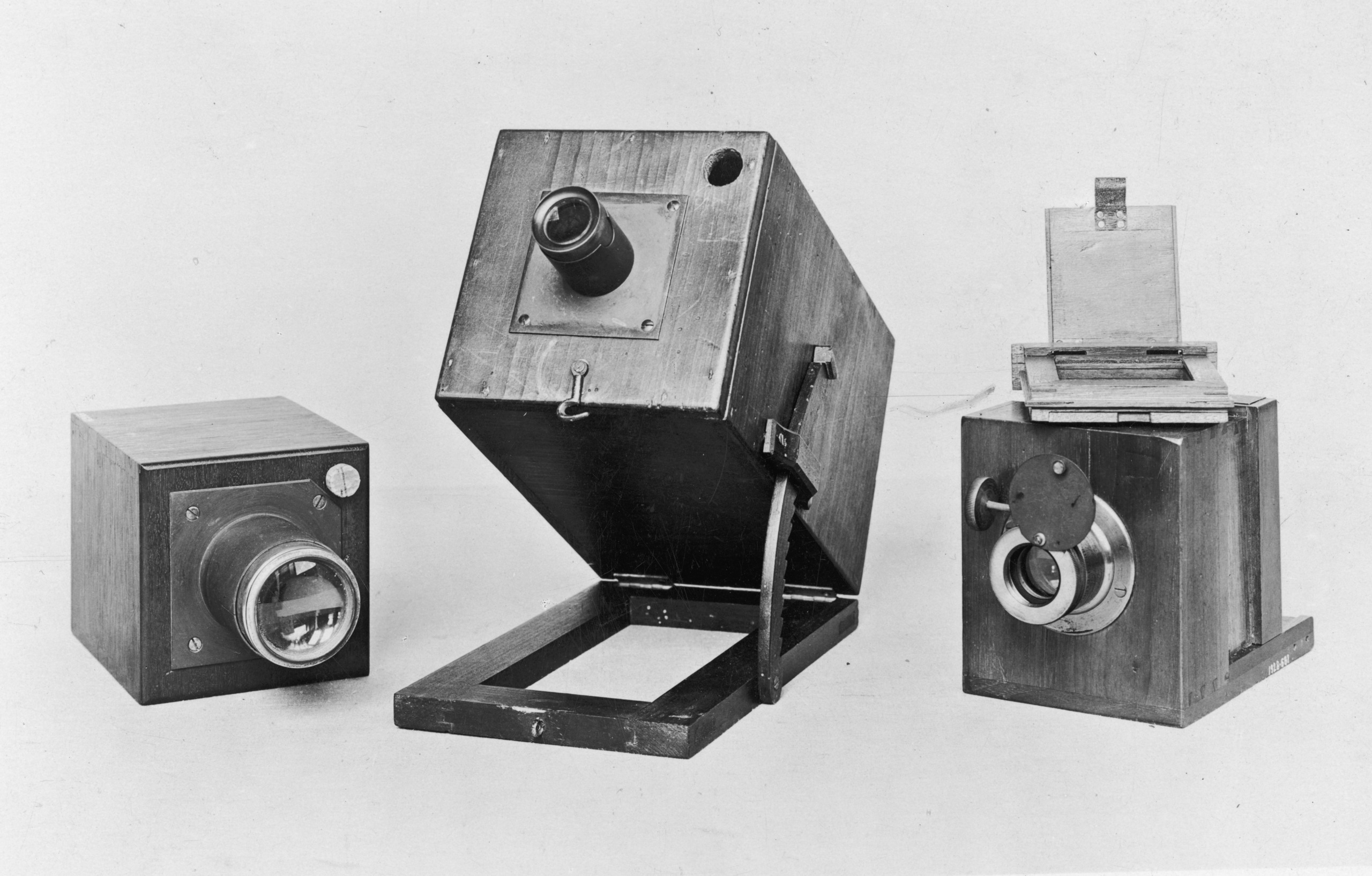
The physical apparatuses used during these groundbreaking years were as humble as the chemistry was revolutionary. Talbot’s wife famously remarked that the compact, wooden cameras he constructed and deployed around the grounds of Lacock Abbey resembled common household mouse traps—a whimsical nickname that stuck among historians studying the era. Despite their rudimentary construction, these "mouse trap cameras" captured a changing world.
The introduction of the calotype fundamentally transformed the technical architecture of photography by establishing a three-tier operational sequence: developing, fixing, and printing. First, the camera exposed the paper to create an invisible latent image. Second, the chemical developer brought the image to visibility. Third, to prevent the paper from continuing to darken and eventually destroy the picture upon subsequent exposure to ambient light, the image had to be chemically "fixed." Talbot’s brilliant friend and scientific collaborator, Sir John Herschel, previously proposed using a hyposulfite of soda solution (hypo) to dissolve unexposed silver halides, providing the reliable fixing agent that permanently stabilized the photograph.
Crucially, the calotype introduced the negative-positive process. Because the calotype paper was translucent, the initial image captured in the camera was a negative—where light areas appeared dark and dark areas appeared light. By placing this paper negative over a fresh sheet of light-sensitive paper and exposing them to light, Talbot could produce an unlimited number of positive prints. This single innovation democratized visual media, allowing a single moment captured in time to be duplicated, distributed, and published broadly for the first time in human history.
Despite its profound technical superiority in workflow and reproducibility, the calotype faced an uphill battle against the entrenched popularity of the daguerreotype during the 1840s. Portrait studios in Paris, London, and New York overwhelmingly favored daguerreotypes because the silver plates delivered microscopic detail and sharp focus that paper fibers simply could not match. Furthermore, Talbot chose to tightly restrict his patent rights, requiring commercial photographers in England and Wales to purchase expensive licenses to practice the calotype process. Daguerre’s process, by contrast, had been generously gifted to the world by the French government (with the exception of Great Britain, where Daguerre had aggressively secured a separate patent), making the daguerreotype far more economically attractive to working professionals.
As the decade progressed, however, the inherent advantages of the calotype began to reshape the industry. The dramatically shorter exposure times made candid portraiture of living subjects—who could no longer be reasonably expected to endure the fifteen-minute immobility required by early daguerreotypes—finally feasible. Photographers could now capture natural expressions, outdoor landscapes, and dynamic street scenes with unprecedented ease.
By the 1850s, while the calotype itself was gradually superseded by more advanced techniques such as the wet collodion glass plate and subsequent albumen silver print papers, the core philosophical framework established by Talbot remained entirely intact. The workflow of capturing a negative, chemically developing it, fixing the result, and printing positive copies became the immutable standard of traditional analog photography for well over a century.
Historians and contemporary imaging experts look back on William Henry Fox Talbot’s 1840 discovery as the true inflection point where photography transformed from an esoteric laboratory curiosity into a scalable, modern medium. By reducing exposure times from hours to seconds and unlocking the power of the photographic negative, Talbot did not merely improve a chemical formula; he invented the foundational mechanics of visual reproduction that continue to influence how humanity records, shares, and interprets history today.