The legal landscape surrounding event photography within private venues remains a complex intersection of intellectual property law, privacy statutes, and commercial access. For professional photographers specializing in high-energy environments like nightclubs, music venues, and private gala events, the foundational principle in United States law is that the creator of a photograph—the photographer—automatically holds the copyright the moment the shutter is pressed. While this ownership is the default, the practical application of these rights is often dictated by employment status, contractual agreements, and evolving state-level privacy mandates. Navigating these requirements requires a nuanced understanding of when a photographer is acting as a business owner and when they are bound by the limitations of a work-for-hire arrangement.

The Foundation of Copyright Law for Visual Artists
Under the United States Copyright Act of 1976, copyright protection is immediate upon the fixation of an original work of authorship in a tangible medium. For photographers, this means that the digital file or physical negative is inherently their property. Unlike trademark or patent law, no formal registration is required to establish this ownership, though registration with the U.S. Copyright Office is a prerequisite for filing an infringement lawsuit. In the context of a nightclub, the venue’s ownership of the building or the brand does not grant them automatic ownership of the creative output produced by a contractor.
However, the "Work Made for Hire" doctrine presents a significant exception. If a photographer is hired as a W-2 employee rather than a 1099 independent contractor, the employer is legally considered the author and owner of the work. This distinction is critical: employees on a payroll generally relinquish all rights to their images, including the ability to include them in professional portfolios or personal displays, unless a specific agreement states otherwise. Conversely, independent contractors retain copyright unless they explicitly sign a transfer of rights or a work-for-hire agreement. Industry experts advise that photographers should rarely, if ever, sign over copyright ownership without significant financial compensation, as the loss of control over one’s own portfolio can have long-term impacts on a photographer’s market value.

Chronology and Operational Context of Venue Access
The interaction between a photographer and a venue typically follows a set progression: authorization, execution, and dissemination.
- Authorization: The photographer gains access to the venue via explicit or implied permission from management. In many nightlife settings, this involves a professional relationship where the photographer provides high-quality images for the club’s marketing in exchange for access.
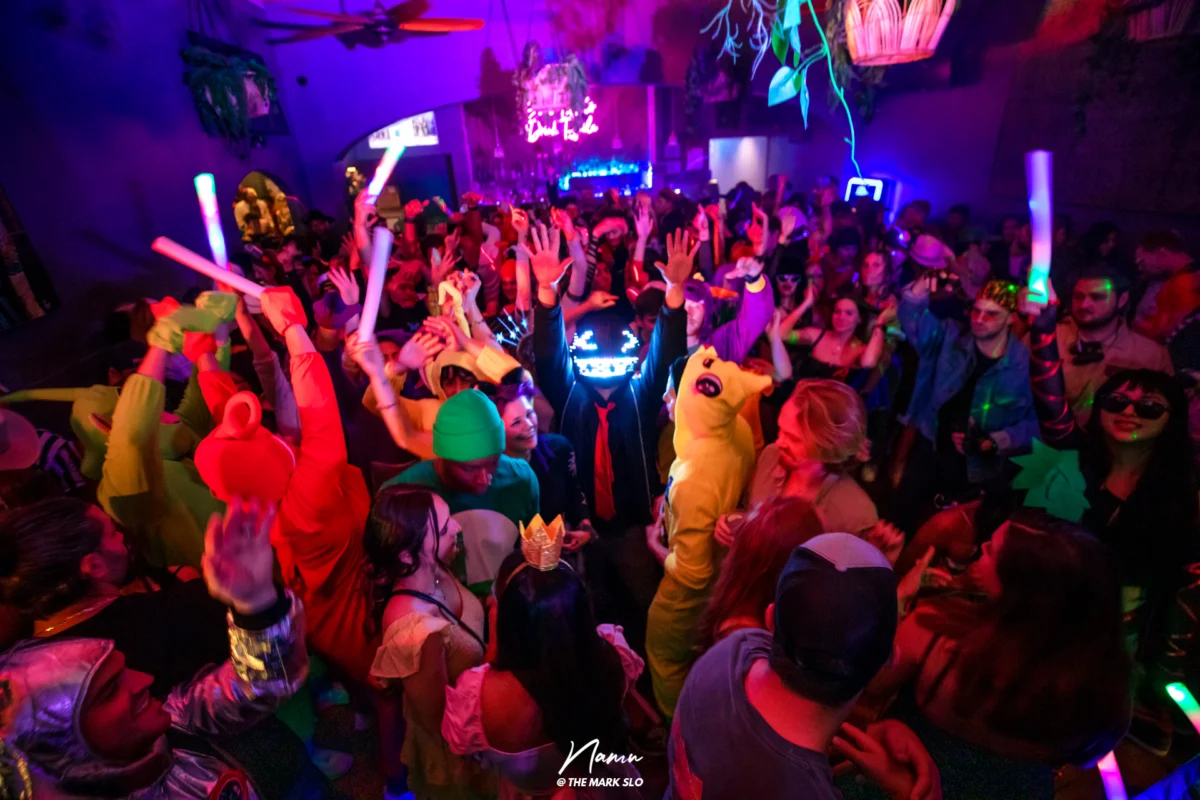
- Execution: The photographer captures images of patrons, staff, and performers. During this phase, the photographer operates under the assumption that the venue serves as a semi-public space.
- Dissemination: The photographer or the club publishes the imagery. This is the stage where the most legal friction occurs, particularly regarding the likenesses of individuals captured in the background or as primary subjects.
In the mid-2000s, as social media platforms began to prioritize visual content, the demand for "nightlife photography" surged. Venues recognized that high-quality, professional-grade imagery was a powerful tool for brand growth. This led to a standard operating procedure where clubs would display prominent signage near entrances. This signage serves as a notice of photography, essentially acting as a form of implied consent. By entering the premises, patrons are often informed that they may be recorded, which provides a legal buffer for the photographer and the venue against claims of unauthorized use of likeness.

Analyzing Privacy Expectations in Semi-Public Spaces
The legal expectation of privacy is significantly diminished in spaces open to the general public, such as nightclubs, bars, and event halls. Courts have generally held that individuals attending such events have a lower reasonable expectation of privacy compared to their homes or private offices. However, this does not grant a carte blanche for photographers to document all activities.
Recent legislative developments, particularly in states like California and Massachusetts, have introduced more rigorous privacy protections. These laws distinguish between "editorial use" and "commercial use." A photographer might be legally permitted to display a photo in an online gallery or a social media feed—viewed as a portfolio of work—but may face liability if that same image is used to sell a product or endorse a service without a signed model release. This distinction is vital for commercial photographers to maintain, as it governs the scope of their legal exposure.

Official Responses and Professional Standards
Legal counsel often emphasizes that the "right to photograph" is not synonymous with the "right to publish without consequence." While a photographer may legally possess the copyright to a photo of an individual in a public space, that individual may still pursue civil litigation if the image is used in a defamatory manner or portrays them in a false light.
Professional bodies, such as the American Society of Media Photographers (ASMP), advocate for a standard of "professional courtesy" over strict legal adherence. In practice, this means that even if a photographer is within their legal rights to photograph a patron, they should honor a request to stop. The risk of negative public sentiment, "cancel culture" consequences, or damaged professional reputation often outweighs the value of a single image. Many event photographers have adopted a policy of immediate deletion if a patron expresses discomfort, effectively neutralizing potential conflicts before they escalate into formal grievances.

Data and Industry Implications
Industry reports suggest that the volume of digital images produced in the event space has increased by over 400% in the last decade, driven by the ubiquity of high-resolution sensors and the rise of social media marketing. This saturation has made the clarity of copyright and model release documentation more important than ever.
For the average venue, the implications are clear: without clear contractual language, the club may not legally own the photos it uses for marketing. If a photographer moves on to a new client, they legally retain the right to take their past portfolio with them, unless the original contract explicitly states the work was "work-for-hire." This often creates friction during professional transitions, where venues realize they do not own the rights to the marketing assets they have been promoting.

Broader Impact and Recommendations
The broader implication for the photography industry is a move toward more transparent, written agreements. Photographers are increasingly encouraged to:
- Vet Contracts: Use specialized intellectual property attorneys to review all "work-for-hire" clauses.
- Maintain Professionalism: Prioritize the reputation of the craft by being selective about the imagery shared. Avoiding sensitive situations—such as capturing patrons in compromising positions—prevents the necessity of legal defense against claims of defamation.
- Manage Celebrity Expectations: When photographing high-profile individuals, understand that their publicist or legal team may have specific requirements. Failure to comply with these requests can lead to blacklisting from future high-profile events.
In summary, while the law firmly grants the photographer copyright ownership, the successful execution of event photography relies on a combination of legal awareness, professional diplomacy, and an understanding of the evolving landscape of privacy rights. By respecting the boundary between public interest and personal privacy, photographers can protect their intellectual property while building a sustainable and credible career in the competitive world of event documentation. The goal for any professional is to ensure that the legal rights inherent to their work are protected, while simultaneously ensuring that their presence at an event remains an asset to the venue and a neutral experience for the attendees.