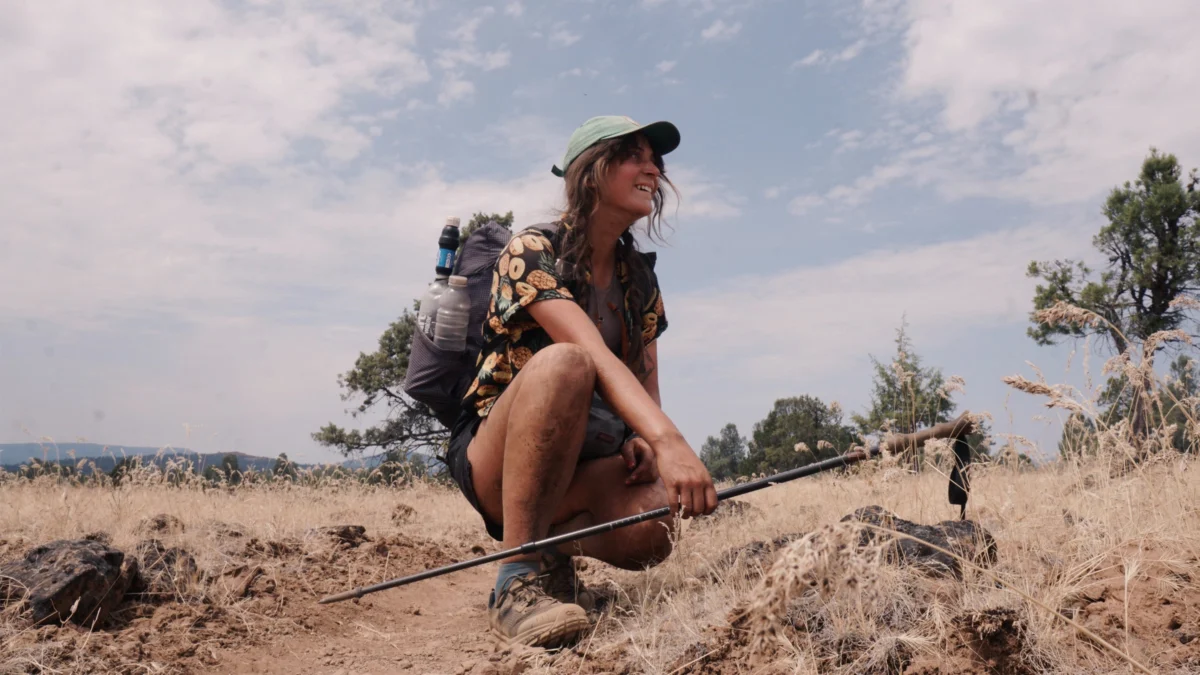
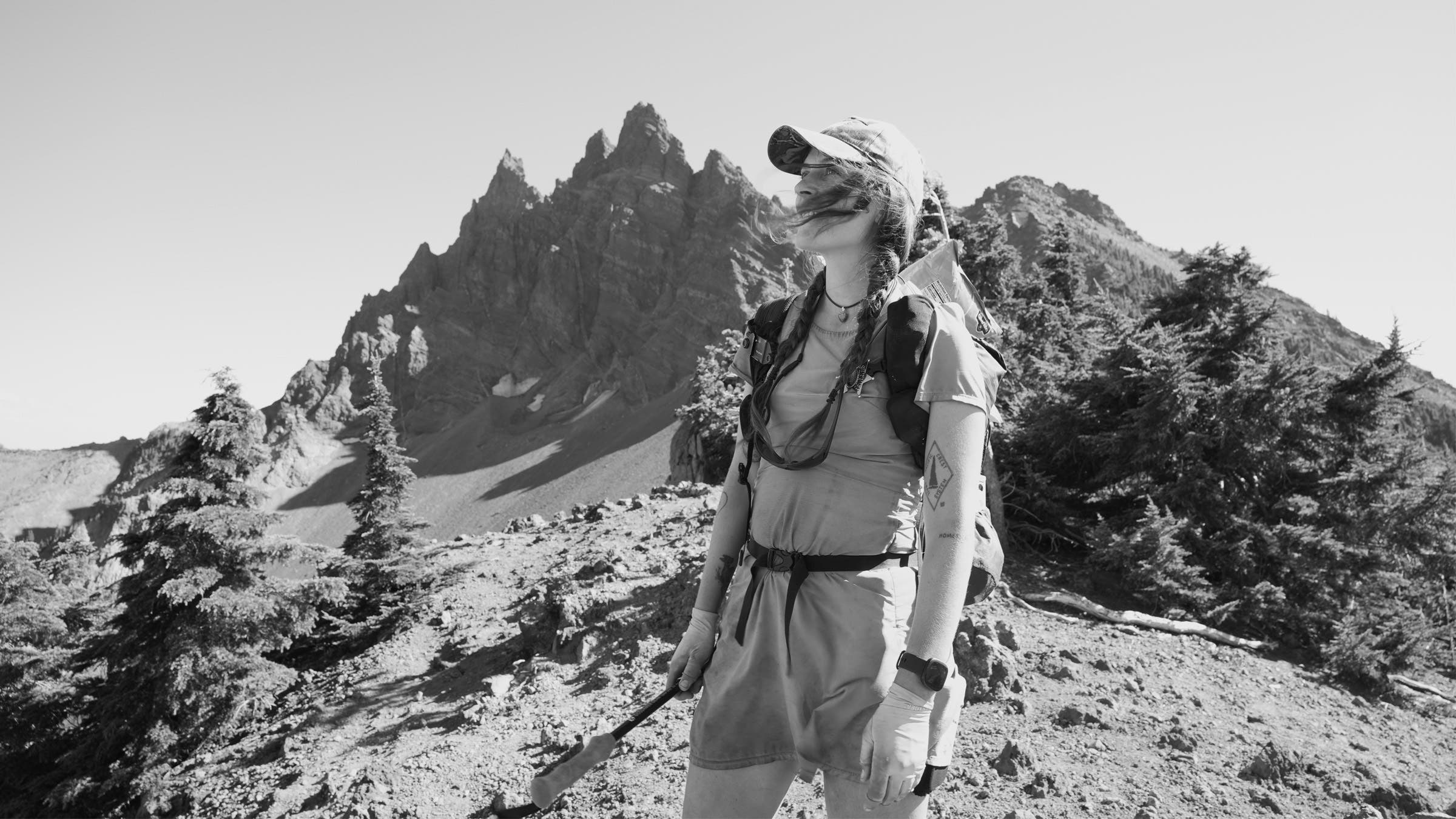
The pursuit of absolute minimalism on long-distance trails has long been a defining ethos within the modern backpacking community. For decades, the culture of "ultralight" hiking has preached a singular gospel: shed every unnecessary ounce, strip gear lists down to their skeleton components, and measure success by the low scale-weight of a packed backpack. However, a growing consensus among veteran long-distance hikers suggests that the pendulum is swinging back. After thousands of miles on grueling routes like the Pacific Crest Trail (PCT) and the Continental Divide Trail (CDT), experienced thru-hiker Ayesha "Heaps" Cording and many of her peers are reevaluating the true cost of extreme minimalism, deliberately adding weight back into their packs in exchange for physical health, thermal safety, and overall trail sanity.
This shift represents a significant psychological and physiological evolution within outdoor recreation. The ultralight movement, popularized in its modern form by gear pioneers in the late 20th century, championed the reduction of base weights—the weight of a backpack excluding consumables like food, water, and fuel—to under ten pounds. While this philosophy successfully minimized physical exhaustion and enabled faster daily mileages, it frequently pushed practitioners to trade away fundamental comforts, weather protection, and restorative sleep. Today, veterans of the triple crown of long-distance hiking—the PCT, the Appalachian Trail, and the CDT—are finding that the pursuit of bragging rights often compromises endurance, injury prevention, and basic well-being.
The Psychological and Physical Toll of Extreme Minimalism
The trajectory of gear reduction typically follows a predictable curve. A novice or intermediate backpacker adopts ultralight principles, aggressively cutting gear to achieve arbitrary weight milestones. Over successive long-trail seasons, the daily realities of hypothermia risks, chronic sleep deprivation, and repetitive stress injuries force a reassessment. The governing question of the gear list transitions from "Can I technically survive without this item?" to "What am I sacrificing by leaving this behind?"
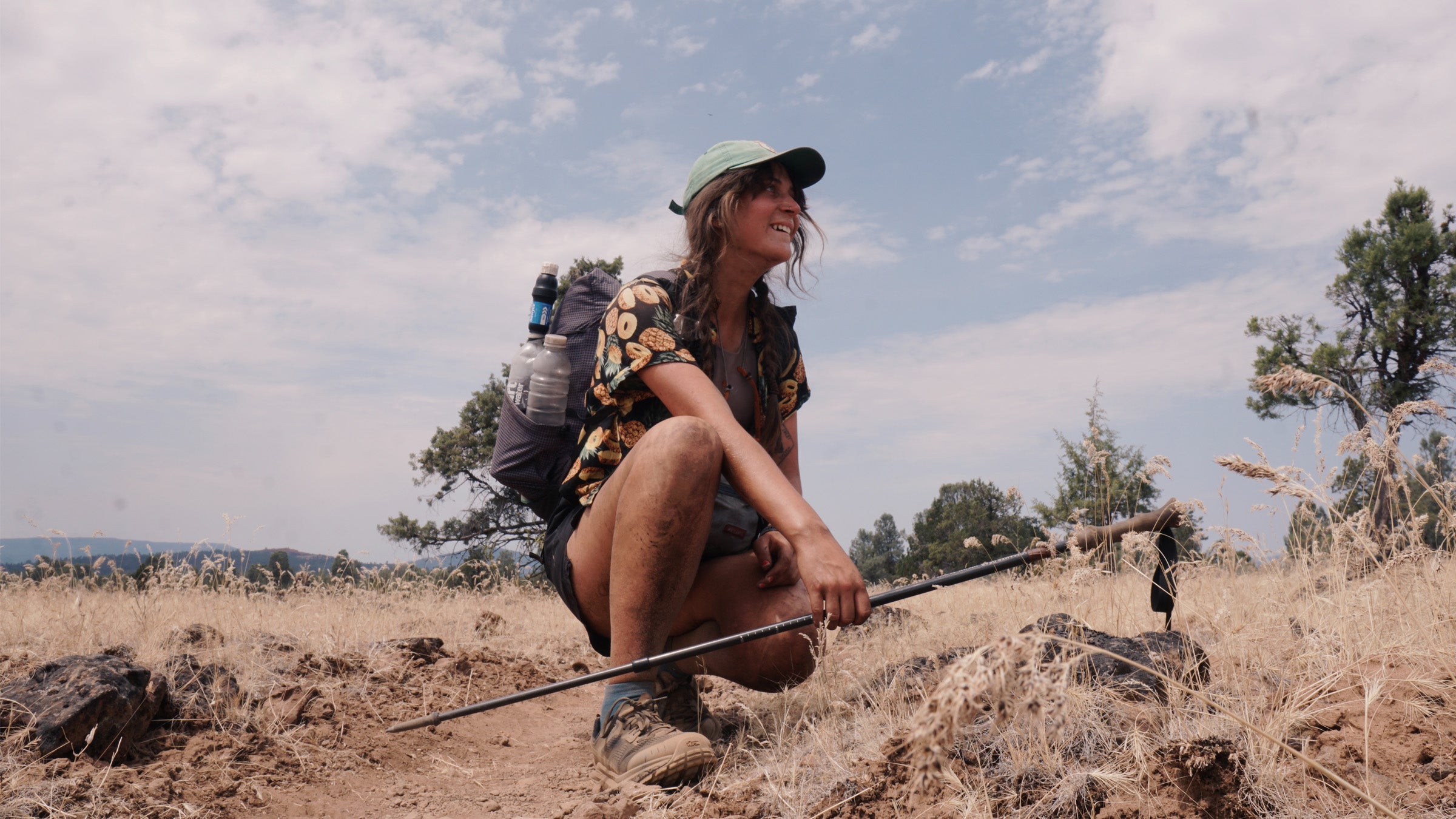
For Cording, who has completed the PCT three times alongside other major routes, a stark realization occurred during a 2016 storm on the trail. Having discarded her standard rain jacket in favor of a disposable gas-station poncho and a poorly pitched poncho-tarp, she spent a freezing night soaked and vulnerable. By 2025, after accumulating roughly 13,000 miles of long-trail experience, Cording chose to deliberately reintroduce approximately 14 ounces of functional gear to her packing list. This pivot reflects a broader industry observation: seasoned hikers increasingly prioritize resilience over numerical purity.
Key Gear Reintroductions and Empirical Rationale
The items most frequently welcomed back into modern ultralight packs are those directly tied to thermoregulation, structural ergonomics, and restorative recovery. Industry gear analysts and physical therapists who specialize in outdoor athletes have noted several specific equipment categories undergoing a widespread resurgence.
The Full-Length Sleeping Pad
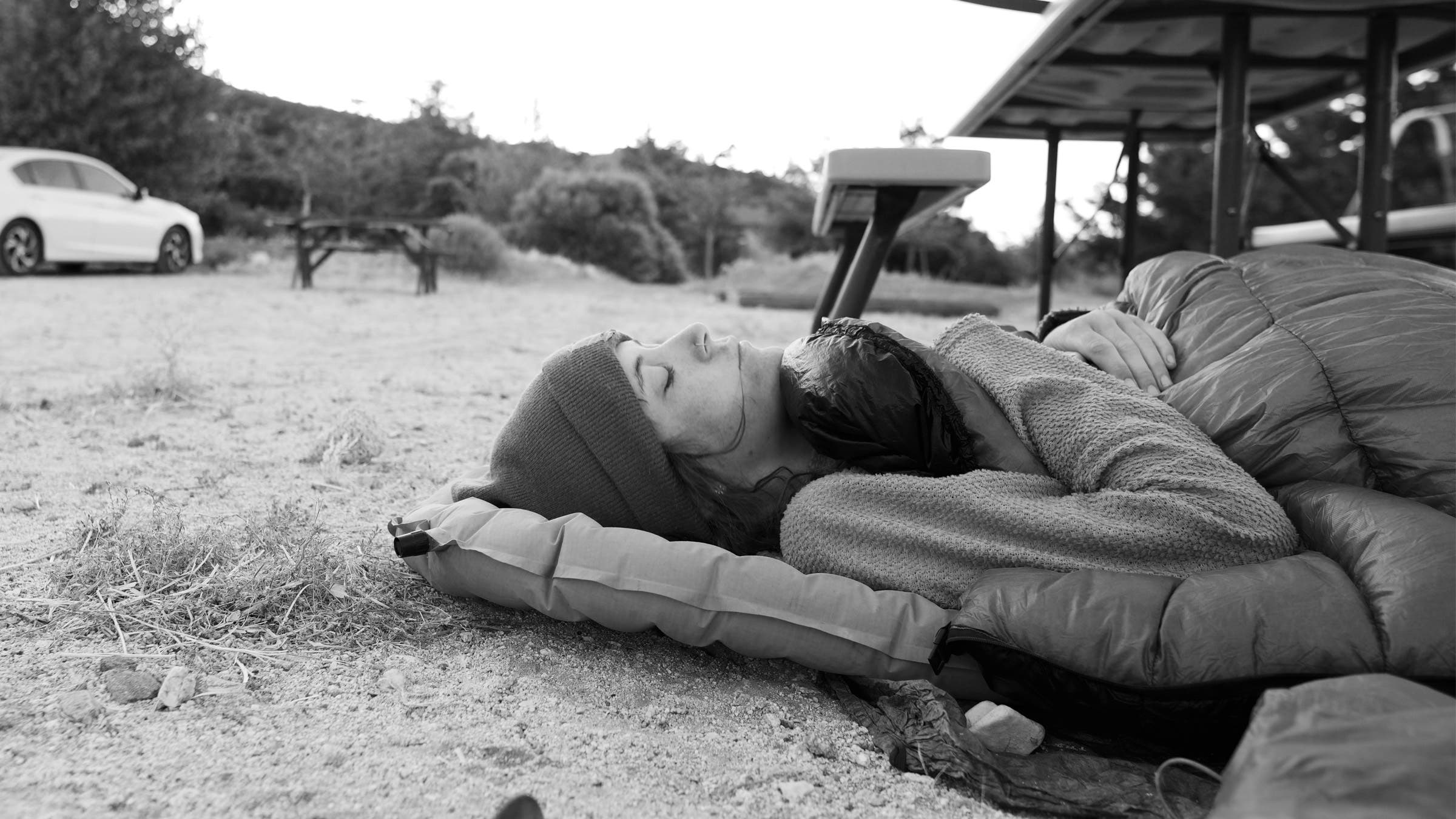
For years, ultralight purists advocated for torso-length closed-cell foam pads or heavily modified air pads to save ounces. Proponents argued that packing extra clothing beneath one’s lower legs and feet served as an adequate substitute for insulation. In practice, however, sleeping directly on cold, uneven ground or utilizing makeshift lower-body supports frequently results in disrupted sleep cycles and inadequate muscle recovery.
Upgrading from a cut-down pad to a full-length, insulated air mattress typically incurs a penalty of only three to four ounces. Yet, field observations indicate that the thermal retention and lumbar support provided by a full-length pad dramatically reduce nocturnal heat loss and morning joint stiffness, directly correlating with sustained daily physical performance over months of consecutive hiking.
The Return of the Cook System
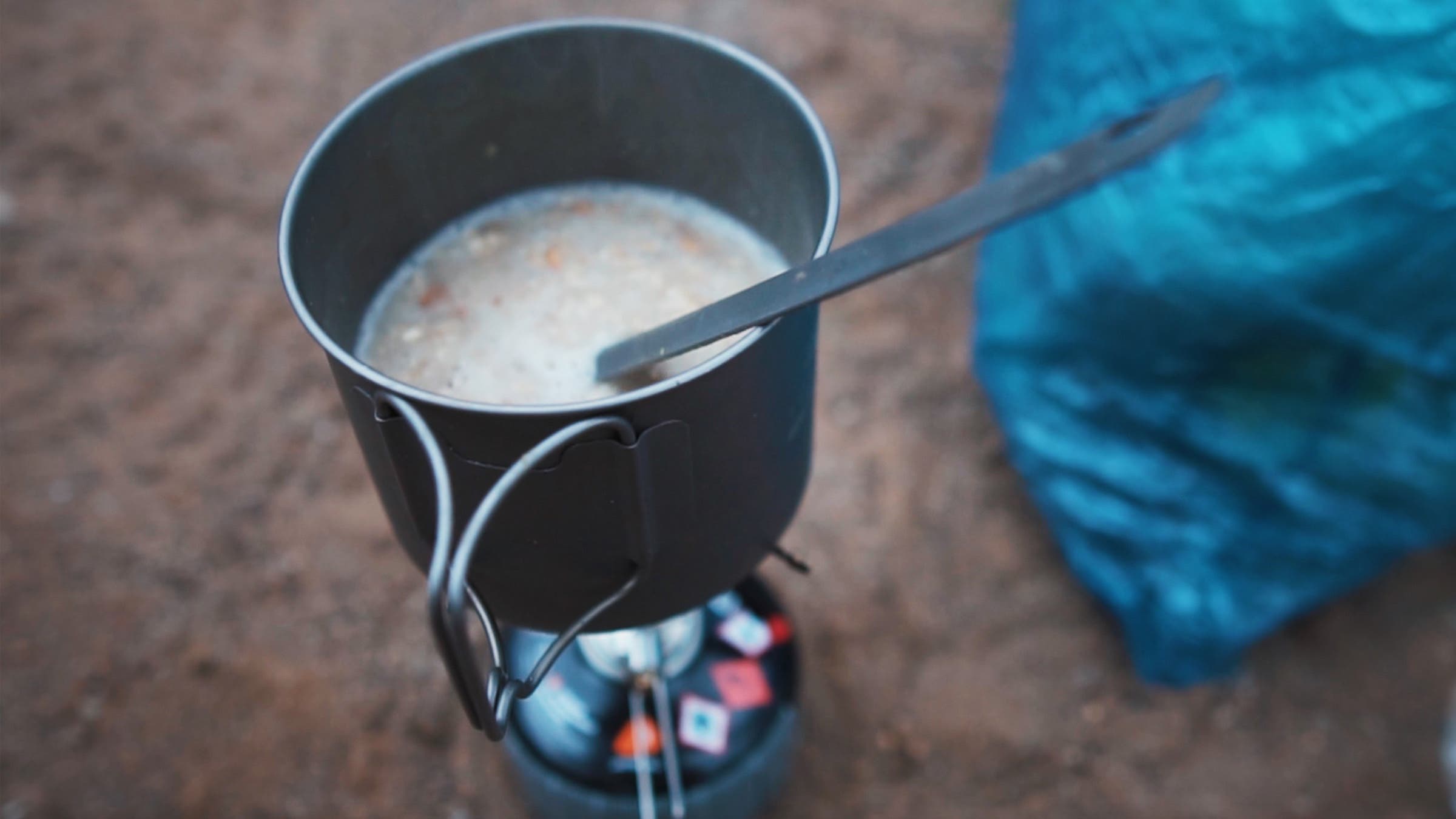
Cold-soaking—a practice where hikers submerge dehydrated meals, grains, or beans in cold water within a jar for hours until edible—became a symbol of extreme dedication within the ultralight community. By eliminating camp stoves, fuel canisters, and titanium cookware, hikers saved approximately eight to twelve ounces of base weight while removing the daily chore of cooking and cleaning.
However, environmental extremes frequently expose the limitations of this method. Sub-freezing temperatures in high-elevation passes, such as those encountered in Colorado on the CDT, render cold-soaking unpalatable and risk caloric deficits when the body requires maximum energy for heat generation. Furthermore, industry data reveals that even early proponents of stove-free travel have systematically reintroduced lightweight canister stoves. Notably, Ray Jardine, widely considered a foundational figure in the modern ultralight movement, reflected in subsequent years that omitting a stove entirely during early endurance hikes represented an overcorrection that yielded negligible functional benefits relative to the loss of hot sustenance and psychological morale.
Ergonomic Padded Hipbelts
One of the most consequential anatomical miscalculations of the radical ultralight era was the widespread removal or downsizing of pack hipbelts. Convinced that transferring all load-bearing responsibilities directly to the shoulders or utilizing minimalist webbing straps freed the hips, numerous hikers modified frameless or lightweight internal-frame backpacks.
Sports medicine specialists and wilderness physical therapists consistently warn that shifting sustained backpack loads entirely onto the shoulder girdle places undue stress on the brachial plexus and surrounding musculature, frequently leading to nerve compression, chronic neck pain, and postural fatigue. Reintroducing a structured, padded hipbelt adds a minor weight penalty—often just two to three ounces—while fundamentally altering load distribution. By transferring the majority of the pack’s weight to the iliac crests, hikers protect their spinal alignment, preserve shoulder integrity, and maintain the physical longevity required for decade-long careers in long-distance trekking.
Specialized Wind Pants
Wind pants, typically weighing between two and four ounces, were historically categorized as redundant items for hikers already carrying rain shells or technical trousers. Nevertheless, field data from long-trail surveys indicates a surging adoption rate for dedicated ultralight wind layers.
Constructed from densely woven, breathable synthetic fabrics, these garments offer high warmth-to-weight ratios. They trap a microscopic layer of warm air against the skin while breaking convective heat loss caused by high-alpine drafts. Beyond thermal regulation during evening camp routines or exposed ridge traverses, wind pants serve as an effective physical barrier against biting insects, abrasive brush, and nocturnal condensation inside sleeping quilts. The psychological relief of possessing a clean, dry layer at the end of a grueling day provides an intangible yet vital buffer against mental burnout.
Broader Implications for the Outdoor Industry
The tactical retreat from absolute minimalism points to a maturation of the backpacking demographic. Rather than defining backcountry competence by the absolute minimization of gear weight, the modern endurance community increasingly defines proficiency through self-sufficiency, injury prevention, and sustainable physical endurance.
Outdoor gear manufacturers have responded to this paradigm shift by engineering hybrid products that bridge the gap between ultralight performance and traditional comfort. Modern textiles allow for the construction of fully featured sleeping pads, highly efficient micro-stoves, and supportive packs that achieve unprecedented strength-to-weight ratios without requiring users to sacrifice foundational safety measures.
Ultimately, the accumulated data from thousands of miles of field testing suggests that the most efficient pack is not the one with the lowest possible numerical weight on paper, but the one that best sustains the hiker’s physical health, cognitive alertness, and emotional resilience over the long haul. As veterans continue to refine their kits, the prevailing wisdom confirms that carrying a few extra ounces in exchange for dry arms, warm meals, and uncompromised joints is a remarkably pragmatic trade.